#1★★★★Appears 4 times in Test+(Année non identifiée Session non spécifiée, Année non identifiée Session non spécifiée, Année non identifiée Session non spécifiée, Année non identifiée Session non spécifiée)
La Concentración Mínima Eficaz y la Concentración Mínima Tóxica delimitan:
#2★★★★Appears 4 times in Test+(Année non identifiée Session non spécifiée, Année non identifiée Session non spécifiée, Année non identifiée Session non spécifiée, Année non identifiée Session non spécifiée)
Señale la opción incorrecta acerca de la ficha técnica de los medicamentos:
#3★★★★Appears 4 times in Test+(Année non identifiée Session non spécifiée, Année non identifiée Session non spécifiée, Année non identifiée Session non spécifiée, Année non identifiée Session non spécifiée)
Señale la falsa, en ancianos:
#4★★★★Appears 4 times in Test+(Année non identifiée Session non spécifiée, Année non identifiée Session non spécifiée, Année non identifiée Session non spécifiée, Année non identifiée Session non spécifiée)
La etapa del proceso LADME que se ve más afectada en los pacientes geriátricos es:
#5★★★Appears 44 times in Test+(Année non identifiée Session non spécifiée, Année non identifiée Session non spécifiée, Année non identifiée Session non spécifiée, Année non identifiée Session non spécifiée, Année non identifiée Session non spécifiée, Année non identifiée Session non spécifiée)
Señale la opción INCORRECTA:
#6★★★Appears 24 times in Test+(Année non identifiée Session non spécifiée, Année non identifiée Session non spécifiée, Année non identifiée Session non spécifiée, Année non identifiée Session non spécifiée)
Señale el binomio incorrecto :
#7★★★Appears 22 times in Test+(Année non identifiée Session non spécifiée, Année non identifiée Session non spécifiée, Année non identifiée Session non spécifiée, Année non identifiée Session non spécifiée, Année non identifiée Session non spécifiée, Année non identifiée Session non spécifiée)
Señale la opción CORRECTA :
#8★★★Appears 8 times in Test+(Année non identifiée Session non spécifiée, Année non identifiée Session non spécifiée, Année non identifiée Session non spécifiée, Année non identifiée Session non spécifiée)
¿En que caso NO estaría indicado administrar un corticoide?
#9★★★Appears 4 times in Test+(Année non identifiée Session non spécifiée, Année non identifiée Session non spécifiée, Année non identifiée Session non spécifiée, Année non identifiée Session non spécifiée)
Indique que fármaco necesita que se agoten los factores de coagulación para que se observe su efecto farmacológico (esto es pasadas 24 horas):
#10★★★Appears 4 times in Test+(Année non identifiée Session non spécifiée, Année non identifiée Session non spécifiée, Année non identifiée Session non spécifiée, Année non identifiée Session non spécifiée)
Un paciente se intoxica con heparina, el tratamiento de esta intoxicación es :
#11★★★Appears 4 times in Test+(Année non identifiée Session non spécifiée, Année non identifiée Session non spécifiée, Année non identifiée Session non spécifiée, Année non identifiée Session non spécifiée)
La forma más común que tienen los fármacos de atravesar membranas es por :
#12★★★Appears 4 times in Test+(Année non identifiée Session non spécifiée, Année non identifiée Session non spécifiée, Année non identifiée Session non spécifiée, Année non identifiée Session non spécifiée)
Señale la opción INCORRECTA referente al transporte activo :
#13★★★Appears 4 times in Test+(Année non identifiée Session non spécifiée, Année non identifiée Session non spécifiée, Année non identifiée Session non spécifiée, Année non identifiée Session non spécifiée)
El tratamiento farmacológico frente al parkinson puede tener dos vertientes. Señálelas:
#14★★★Appears 4 times in Test+(Année non identifiée Session non spécifiée, Année non identifiée Session non spécifiée, Année non identifiée Session non spécifiée, Année non identifiée Session non spécifiée)
Una persona manifiesta los siguientes efectos secundarios tras tomar una medicación durante un tiempo prolongado: debilidad muscular, hinchazón, osteoporosis e inmunosupresión. Lo más probable es que esté tomando:
#15★★★Appears 4 times in Test+(Année non identifiée Session non spécifiée, Année non identifiée Session non spécifiée, Année non identifiée Session non spécifiée, Année non identifiée Session non spécifiée)
¿El efecto de que neuropéptido imitan los los fármacos analgésicos opiodes?:
#16★★★Appears 4 times in Test+(Année non identifiée Session non spécifiée, Année non identifiée Session non spécifiée, Année non identifiée Session non spécifiée, Année non identifiée Session non spécifiée)
Se diagnostica a un paciente un déficit de la acción dopaminérgica a nivel central. Señale posible fisiopatología y posible tratamiento farmacológico.
#17★★★Appears 4 times in Test+(Année non identifiée Session non spécifiée, Année non identifiée Session non spécifiée, Année non identifiée Session non spécifiée, Année non identifiée Session non spécifiée)
Un paciente presenta una enfermedad del SNC caracterizada por un aumento de la actividad de la dopamina central y una alteración en la percepción de la realidad. ¿De que enfermedad estamos hablando?:
#18★★★Appears 4 times in Test+(Année non identifiée Session non spécifiée, Année non identifiée Session non spécifiée, Année non identifiée Session non spécifiée, Année non identifiée Session non spécifiée)
¿Cuál de los siguientes neurotransmisores se encarga principalmente del control fino de los movimientos y que obedezcan las órdenes del individuo y que éste realice una evaluación correcta de la realidad y la conducta social?:
#19★★★Appears 4 times in Test+(Année non identifiée Session non spécifiée, Année non identifiée Session non spécifiée, Année non identifiée Session non spécifiée, Année non identifiée Session non spécifiée)
Una sobredosificación de levodopa puede desencadenar alteraciones psicóticas. ¿Con qué fármaco deberán tratarse?:
#20★★★Appears 4 times in Test+(Année non identifiée Session non spécifiée, Année non identifiée Session non spécifiée, Année non identifiée Session non spécifiée, Année non identifiée Session non spécifiée)
Si un paciente con psicosis desarrolla reacciones extrapiramidales, ¿con qué fármaco deberá ser tratados de las mismas?:
#21★★★Appears 4 times in Test+(Année non identifiée Session non spécifiée, Année non identifiée Session non spécifiée, Année non identifiée Session non spécifiée, Année non identifiée Session non spécifiée)
Las siguientes características son propias del glutamato y del aspartato, excepto una. Señalela:
#22★★★Appears 4 times in Test+(Année non identifiée Session non spécifiée, Année non identifiée Session non spécifiée, Année non identifiée Session non spécifiée, Année non identifiée Session non spécifiée)
Un fármaco presenta como mecanismo de acción, aumentar la acción del GABA, bloquear los canales de sodio y de calcio. Dicho fármaco podría ser:
#23★★★Appears 4 times in Test+(Année non identifiée Session non spécifiée, Année non identifiée Session non spécifiée, Année non identifiée Session non spécifiée, Année non identifiée Session non spécifiée)
Un fármaco que bloquea los canales de Na+ y de Ca++, produce hiperplasia gingival, más frecuente en niños y adolescentes y su uso crónico puede incrementar el riesgo de toxicidad del paracetamol. Podríamos estar refiriéndonos a:
#24★★★Appears 4 times in Test+(Année non identifiée Session non spécifiée, Année non identifiée Session non spécifiée, Année non identifiée Session non spécifiée, Année non identifiée Session non spécifiée)
Ante una crisis convulsiva en una consulta odontológica:
#25★★★Appears 4 times in Test+(Année non identifiée Session non spécifiée, Année non identifiée Session non spécifiée, Année non identifiée Session non spécifiée, Année non identifiée Session non spécifiée)
Las contraindicaciones son:
#26★★★Appears 4 times in Test+(Année non identifiée Session non spécifiée, Année non identifiée Session non spécifiée, Année non identifiée Session non spécifiée, Année non identifiée Session non spécifiée)
Cual de estos fármacos tiene actividad preferente frente a virus de hepatitis B ?
#27★★★Appears 4 times in Test+(Année non identifiée Session non spécifiée, Année non identifiée Session non spécifiée, Année non identifiée Session non spécifiée, Année non identifiée Session non spécifiée)
¿Qué grupo de fármacos se unen al ergosterol de la membrana del hongo alterando su permeabilidad?
#28★★★Appears 4 times in Test+(Année non identifiée Session non spécifiée, Année non identifiée Session non spécifiée, Année non identifiée Session non spécifiée, Année non identifiée Session non spécifiée)
Indique que fármaco inhibe los mecanismos agregantes ADP-dependientes:
#29★★★Appears 4 times in Test+(Année non identifiée Session non spécifiée, Année non identifiée Session non spécifiée, Année non identifiée Session non spécifiée, Année non identifiée Session non spécifiée)
¿Qué fármaco actúa inhibiendo la enzima quinona reductasa?
#30★★★Appears 4 times in Test+(Année non identifiée Session non spécifiée, Année non identifiée Session non spécifiée, Année non identifiée Session non spécifiée, Année non identifiée Session non spécifiée)
Señale la opción INCORRECTA referente a la vía rectal :
#31★★★Appears 4 times in Test+(Année non identifiée Session non spécifiée, Année non identifiée Session non spécifiée, Année non identifiée Session non spécifiée, Année non identifiée Session non spécifiée)
Cual es el principal efecto secundario del piroxicam ?
#32★★★Appears 4 times in Test+(Année non identifiée Session non spécifiée, Année non identifiée Session non spécifiée, Année non identifiée Session non spécifiée, Année non identifiée Session non spécifiée)
¿Qué fármaco esantivírico se utiliza en el profilaxis y tratamiento del virus de la Influenza A?
#33★★★Appears 4 times in Test+(Année non identifiée Session non spécifiée, Année non identifiée Session non spécifiée, Année non identifiée Session non spécifiée, Année non identifiée Session non spécifiée)
Señale cual de estas contraindicaciones no nos vamos a encontrar con los glucocorticoides :
#34★★★Appears 4 times in Test+(Année non identifiée Session non spécifiée, Année non identifiée Session non spécifiée, Année non identifiée Session non spécifiée, Année non identifiée Session non spécifiée)
Señale la opción INCORRECTA de glucocorticoides :
#35★★★Appears 4 times in Test+(Année non identifiée Session non spécifiée, Année non identifiée Session non spécifiée, Année non identifiée Session non spécifiée, Année non identifiée Session non spécifiée)
En relación a los AINE, indique qué afirmación es FALSA:
#36★★★Appears 4 times in Test+(Année non identifiée Session non spécifiée, Année non identifiée Session non spécifiée, Année non identifiée Session non spécifiée, Année non identifiée Session non spécifiée)
¿Cuál es el mecanismo de acción de la digoxina?:
#37★★★Appears 4 times in Test+(Année non identifiée Session non spécifiée, Année non identifiée Session non spécifiée, Année non identifiée Session non spécifiée, Année non identifiée Session non spécifiée)
¿Cual de los siguientes fármacos son utilizados en el tratamiento de una insuficiencia Cardíaca por ser cardiotónicos (inotropos positivos)?
#38★★★Appears 4 times in Test+(Année non identifiée Session non spécifiée, Année non identifiée Session non spécifiée, Année non identifiée Session non spécifiée, Année non identifiée Session non spécifiée)
¿Cuál de los siguientes hemostáticos tópicos es un estíptico?
#39★★★Appears 4 times in Test+(Année non identifiée Session non spécifiée, Année non identifiée Session non spécifiée, Année non identifiée Session non spécifiée, Année non identifiée Session non spécifiée)
¿Cual de las siguientes sustancias NO aumenta la posibilidad de una intoxicación por digoxina?
#40★★★Appears 4 times in Test+(Année non identifiée Session non spécifiée, Année non identifiée Session non spécifiée, Année non identifiée Session non spécifiée, Année non identifiée Session non spécifiée)
Las curvas de biodisponibilidad NO miden:
#41★★★Appears 4 times in Test+(Année non identifiée Session non spécifiée, Année non identifiée Session non spécifiée, Année non identifiée Session non spécifiée, Année non identifiée Session non spécifiée)
¿Cual de los siguientes fármacos pueden administrarse junto con un cardiotónico en el tratamiento de una insuficiencia cardíaca para mejorar la hemodinámica del corazón?
#42★★★Appears 4 times in Test+(Année non identifiée Session non spécifiée, Année non identifiée Session non spécifiée, Année non identifiée Session non spécifiée, Année non identifiée Session non spécifiée)
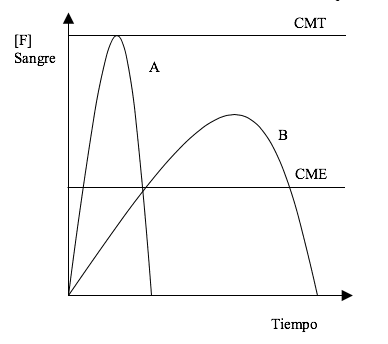
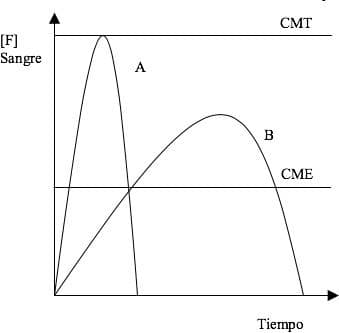
Señale la opción INCORRECTA que se deduce de la siguiente gráfica de niveles plasmáticos de un fármaco administrado por dos vías distintas, A y B:
#43★★★Appears 4 times in Test+(Année non identifiée Session non spécifiée, Année non identifiée Session non spécifiée, Année non identifiée Session non spécifiée, Année non identifiée Session non spécifiée)
Un paciente tiene diagnosticado asma bronquial, el medicamento indicado para esta patología sería:
#44★★★Appears 4 times in Test+(Année non identifiée Session non spécifiée, Année non identifiée Session non spécifiée, Année non identifiée Session non spécifiée, Année non identifiée Session non spécifiée)
Señale el binomio INCORRECTO que relaciona un fármaco con alguna de sus características:
#45★★★Appears 4 times in Test+(Année non identifiée Session non spécifiée, Année non identifiée Session non spécifiée, Année non identifiée Session non spécifiée, Année non identifiée Session non spécifiée)
Señale la opción INCORRECTA acerca de los fármacos b2 en el tratamiento del asma:
#46★★★Appears 4 times in Test+(Année non identifiée Session non spécifiée, Année non identifiée Session non spécifiée, Année non identifiée Session non spécifiée, Année non identifiée Session non spécifiée)
El medicamento tal y como se dispensa al público en la oficina de farmacia se denomina :
#47★★★Appears 4 times in Test+(Année non identifiée Session non spécifiée, Année non identifiée Session non spécifiée, Année non identifiée Session non spécifiée, Année non identifiée Session non spécifiée)
Un paciente con antecedentes de ansiedad y tratamiento para la misma, acude al hospital por un cuadro de elevada somnolencia, incoordinación motora y verbal. ¿Qué antídoto se utilizará?:
#48★★★Appears 4 times in Test+(Année non identifiée Session non spécifiée, Année non identifiée Session non spécifiée, Année non identifiée Session non spécifiée, Année non identifiée Session non spécifiée)
La buprenorfina posee una biodisponibilidad oral del 16% lo cual quiere decir que:
#49★★★Appears 4 times in Test+(Année non identifiée Session non spécifiée, Année non identifiée Session non spécifiée, Année non identifiée Session non spécifiée, Année non identifiée Session non spécifiée)
Señale que factor NO altera la absorción de los fármacos :
#50★★★Appears 4 times in Test+(Année non identifiée Session non spécifiée, Année non identifiée Session non spécifiée, Année non identifiée Session non spécifiée, Année non identifiée Session non spécifiée)
Fármaco o principio activo es:
#51★★★Appears 4 times in Test+(Année non identifiée Session non spécifiée, Année non identifiée Session non spécifiée, Année non identifiée Session non spécifiée, Année non identifiée Session non spécifiée)
¿Cuál de estas ramas de la ciencia no pertenece a la farmacología?
#52★★★Appears 4 times in Test+(Année non identifiée Session non spécifiée, Année non identifiée Session non spécifiée, Année non identifiée Session non spécifiée, Année non identifiée Session non spécifiée)
Señale cual de estas formas farmacéuticas no presentará primer paso hepático :
#53★★★Appears 4 times in Test+(Année non identifiée Session non spécifiée, Année non identifiée Session non spécifiée, Année non identifiée Session non spécifiée, Année non identifiée Session non spécifiée)
El mecanismo de acción del ketoconazol es:
#54★★★Appears 4 times in Test+(Année non identifiée Session non spécifiée, Année non identifiée Session non spécifiée, Année non identifiée Session non spécifiée, Année non identifiée Session non spécifiée)
¿Qué fármaco es la alternativa terapéutica frente a infecciones resistentes a Aciclovir?
#55★★★Appears 4 times in Test+(Année non identifiée Session non spécifiée, Année non identifiée Session non spécifiée, Année non identifiée Session non spécifiée, Année non identifiée Session non spécifiée)
¿Cuál de los siguientes fármacos NO está incluído en la terapia antiviral contra el VIH?
#56★★★Appears 4 times in Test+(Année non identifiée Session non spécifiée, Année non identifiée Session non spécifiée, Année non identifiée Session non spécifiée, Année non identifiée Session non spécifiée)
¿Qué grupo de fármacos inhiben la síntesis de ergosterol de la membranaalterando la membrana celular del hongo?
#57★★★Appears 4 times in Test+(Année non identifiée Session non spécifiée, Année non identifiée Session non spécifiée, Année non identifiée Session non spécifiée, Année non identifiée Session non spécifiée)
Señale la opción correcta para la nistatina :
#58★★★Appears 4 times in Test+(Année non identifiée Session non spécifiée, Année non identifiée Session non spécifiée, Année non identifiée Session non spécifiée, Année non identifiée Session non spécifiée)
¿Cual de los siguientes fármacos antimaníacos tiene mayor predisposición a generar caries?
#59★★★Appears 4 times in Test+(Année non identifiée Session non spécifiée, Année non identifiée Session non spécifiée, Année non identifiée Session non spécifiée, Année non identifiée Session non spécifiée)
¿Qué mecanismo de acción presentan los antidepresivos tricíclicos (ATC)?
#60★★★Appears 4 times in Test+(Année non identifiée Session non spécifiée, Année non identifiée Session non spécifiée, Année non identifiée Session non spécifiée, Année non identifiée Session non spécifiée)
¿ Cual de las siguientes acciones NO es propia de ningún antidepresivo?
#61★★★Appears 4 times in Test+(Année non identifiée Session non spécifiée, Année non identifiée Session non spécifiée, Année non identifiée Session non spécifiée, Année non identifiée Session non spécifiée)
La “reacción del queso” se produce por:
#62★★★Appears 4 times in Test+(Année non identifiée Session non spécifiée, Année non identifiée Session non spécifiée, Année non identifiée Session non spécifiée, Année non identifiée Session non spécifiée)
Acido nalidíxico, ciprofloxacino, enrofloxacino, son tres antibióticos que pertenecen a la familia de las:
#63★★★Appears 4 times in Test+(Année non identifiée Session non spécifiée, Année non identifiée Session non spécifiée, Année non identifiée Session non spécifiée, Année non identifiée Session non spécifiée)
La primera penicilina que se administró vía oral fue :
#64★★★Appears 4 times in Test+(Année non identifiée Session non spécifiée, Année non identifiée Session non spécifiée, Année non identifiée Session non spécifiée, Année non identifiée Session non spécifiée)
Señale la opción INCORRECTA sobre la azitromicina :
#65★★★Appears 4 times in Test+(Année non identifiée Session non spécifiée, Année non identifiée Session non spécifiée, Année non identifiée Session non spécifiée, Année non identifiée Session non spécifiée)
Un paciente con infección bronquial, que presenta alergia a penicilinas, deberá usar como antibiótico:
#66★★★Appears 4 times in Test+(Année non identifiée Session non spécifiée, Année non identifiée Session non spécifiée, Année non identifiée Session non spécifiée, Année non identifiée Session non spécifiée)
Cual sería el antibiótico de elección para una infección ósea grave por anaerobios ?
#67★★★Appears 4 times in Test+(Année non identifiée Session non spécifiée, Année non identifiée Session non spécifiée, Année non identifiée Session non spécifiée, Année non identifiée Session non spécifiée)
Para el tratamiento de la sialodenitis se empleará:
#68★★★Appears 4 times in Test+(Année non identifiée Session non spécifiée, Année non identifiée Session non spécifiée, Année non identifiée Session non spécifiée, Année non identifiée Session non spécifiée)
Seleccione la opción CORRECTA :
#69★★★Appears 4 times in Test+(Année non identifiée Session non spécifiée, Année non identifiée Session non spécifiée, Année non identifiée Session non spécifiée, Année non identifiée Session non spécifiée)
¿Qué grupo de antibióticos puede afectar al desarrollo cerebral del recién nacido?
#70★★★Appears 4 times in Test+(Année non identifiée Session non spécifiée, Année non identifiée Session non spécifiée, Année non identifiée Session non spécifiée, Année non identifiée Session non spécifiée)
Señale la respuesta CORRECTA. La farmacologia antiinfecciosa contempla el concepto de:
#71★★★Appears 4 times in Test+(Année non identifiée Session non spécifiée, Année non identifiée Session non spécifiée, Année non identifiée Session non spécifiée, Année non identifiée Session non spécifiée)
Señale cual de estas afirmaciones NO corresponde a doxiciclina :
#72★★★Appears 4 times in Test+(Année non identifiée Session non spécifiée, Année non identifiée Session non spécifiée, Année non identifiée Session non spécifiée, Année non identifiée Session non spécifiée)
Señale cual de estos fármacos NO es una quinolona :
#73★★★Appears 4 times in Test+(Année non identifiée Session non spécifiée, Année non identifiée Session non spécifiée, Année non identifiée Session non spécifiée, Année non identifiée Session non spécifiée)
Un paciente acude al médico con síntomas de una úlcera generada por por una bacteria. ¿Cuál será el tratamiento más adecuado?:
#74★★★Appears 4 times in Test+(Année non identifiée Session non spécifiée, Année non identifiée Session non spécifiée, Année non identifiée Session non spécifiée, Année non identifiée Session non spécifiée)
Ototoxicidad irreversible y nefrotoxicidad, son efectos adversos de los:
#75★★★Appears 4 times in Test+(Année non identifiée Session non spécifiée, Année non identifiée Session non spécifiée, Année non identifiée Session non spécifiée, Année non identifiée Session non spécifiée)
El tiempo que tarda un fármaco en comenzar a tener efecto de denomina :
#76★★★Appears 4 times in Test+(Année non identifiée Session non spécifiée, Année non identifiée Session non spécifiée, Année non identifiée Session non spécifiée, Année non identifiée Session non spécifiée)
Un fármaco que se une a un receptor específico sin activarlo, y por tanto, sin desencadenar una acción, se denomina:
#77★★★Appears 4 times in Test+(Année non identifiée Session non spécifiée, Année non identifiée Session non spécifiée, Année non identifiée Session non spécifiée, Année non identifiée Session non spécifiée)
En una curva dosis-respuesta la pendiente de la curva estaría relacionada con:
#78★★★Appears 4 times in Test+(Année non identifiée Session non spécifiée, Année non identifiée Session non spécifiée, Année non identifiée Session non spécifiée, Année non identifiée Session non spécifiée)
Un fármaco antagonista:
#79★★★Appears 4 times in Test+(Année non identifiée Session non spécifiée, Année non identifiée Session non spécifiée, Année non identifiée Session non spécifiée, Année non identifiée Session non spécifiée)
Indique para una intervención muy corta que anestésico local utilizaría:
#80★★★Appears 4 times in Test+(Année non identifiée Session non spécifiée, Année non identifiée Session non spécifiée, Année non identifiée Session non spécifiée, Année non identifiée Session non spécifiée)
Indique cual de los siguientes receptores produce una respuesta más rápida :
#81★★★Appears 4 times in Test+(Année non identifiée Session non spécifiée, Année non identifiée Session non spécifiée, Année non identifiée Session non spécifiée, Année non identifiée Session non spécifiée)
El principal citocromo que toma parte en la metabolización es :
#82★★★Appears 4 times in Test+(Année non identifiée Session non spécifiée, Année non identifiée Session non spécifiée, Année non identifiée Session non spécifiée, Année non identifiée Session non spécifiée)
Un profármaco es :
#83★★★Appears 4 times in Test+(Année non identifiée Session non spécifiée, Année non identifiée Session non spécifiée, Année non identifiée Session non spécifiée, Année non identifiée Session non spécifiée)
Una hormona con qué tipo de receptor podría estar relacionada para unirse a él y producir efecto?
#84★★★Appears 4 times in Test+(Année non identifiée Session non spécifiée, Année non identifiée Session non spécifiée, Année non identifiée Session non spécifiée, Année non identifiée Session non spécifiée)
Señale cual de estos procesos no pertenece a la fase I de metabolización :
#85★★★Appears 4 times in Test+(Année non identifiée Session non spécifiée, Année non identifiée Session non spécifiée, Année non identifiée Session non spécifiée, Année non identifiée Session non spécifiée)
La biotransformación hepática de los fármacos :
#86★★★Appears 4 times in Test+(Année non identifiée Session non spécifiée, Année non identifiée Session non spécifiée, Année non identifiée Session non spécifiée, Année non identifiée Session non spécifiée)
¿Cuál de los siguientes fármacos puede resultar útil en el tratamiento de una esquizofrenia?:
#87★★★Appears 4 times in Test+(Année non identifiée Session non spécifiée, Année non identifiée Session non spécifiée, Année non identifiée Session non spécifiée, Année non identifiée Session non spécifiée)
¿Cual de estos sistemas necesita de segundos mensajeros para producir efecto?
#88★★★Appears 4 times in Test+(Année non identifiée Session non spécifiée, Année non identifiée Session non spécifiée, Année non identifiée Session non spécifiée, Année non identifiée Session non spécifiée)
Señale la respuesta CORRECTA en relación a los receptores farmacológicos:
#89★★★Appears 4 times in Test+(Année non identifiée Session non spécifiée, Année non identifiée Session non spécifiée, Année non identifiée Session non spécifiée, Année non identifiée Session non spécifiée)
En una curva fármaco-receptor ¿que representaría la KA?
#90★★★Appears 4 times in Test+(Année non identifiée Session non spécifiée, Année non identifiée Session non spécifiée, Année non identifiée Session non spécifiée, Année non identifiée Session non spécifiée)
Cual de estos efectos adversos no corresponde con los aminoglucósidos ?
#91★★★Appears 4 times in Test+(Année non identifiée Session non spécifiée, Année non identifiée Session non spécifiée, Année non identifiée Session non spécifiée, Année non identifiée Session non spécifiée)
En relación con las cefalosporinas indique la respuesta CORRECTA:
#92★★★Appears 4 times in Test+(Année non identifiée Session non spécifiée, Année non identifiée Session non spécifiée, Année non identifiée Session non spécifiée, Année non identifiée Session non spécifiée)
Señale la opción INCORRECTA acerca de los antiácidos.
#93★★★Appears 4 times in Test+(Année non identifiée Session non spécifiée, Année non identifiée Session non spécifiée, Année non identifiée Session non spécifiée, Année non identifiée Session non spécifiée)
¿Cuál de las siguientes características de los alimentos puede influir en la predisposición de caries?
#94★★★Appears 4 times in Test+(Année non identifiée Session non spécifiée, Année non identifiée Session non spécifiée, Année non identifiée Session non spécifiée, Année non identifiée Session non spécifiée)
¿Qué poseen en común el omeprazol y la cimetidina?
#95★★★Appears 4 times in Test+(Année non identifiée Session non spécifiée, Année non identifiée Session non spécifiée, Année non identifiée Session non spécifiée, Année non identifiée Session non spécifiée)
Señale la opción INCORRECTA sobre glucocorticoides :
#96★★★Appears 4 times in Test+(Année non identifiée Session non spécifiée, Année non identifiée Session non spécifiée, Année non identifiée Session non spécifiée, Année non identifiée Session non spécifiée)
Señale para qué patología no están indicados los glucocorticoides :
#97★★★Appears 4 times in Test+(Année non identifiée Session non spécifiée, Année non identifiée Session non spécifiée, Année non identifiée Session non spécifiée, Année non identifiée Session non spécifiée)
Señale el binomio INCORRECTO sobre las acciones que producen los glucocorticoides :
#98★★★Appears 4 times in Test+(Année non identifiée Session non spécifiée, Année non identifiée Session non spécifiée, Année non identifiée Session non spécifiée, Année non identifiée Session non spécifiée)
Señale cual de estos efectos secundarios NO corresponde a glucorticoides :
#99★★★Appears 4 times in Test+(Année non identifiée Session non spécifiée, Année non identifiée Session non spécifiée, Année non identifiée Session non spécifiée, Année non identifiée Session non spécifiée)
¿Cuál de las siguientes implicaciones odontológicas NO representa una precaución a tener en cuenta en un paciente anginoso?
#100★★★Appears 4 times in Test+(Année non identifiée Session non spécifiée, Année non identifiée Session non spécifiée, Année non identifiée Session non spécifiée, Année non identifiée Session non spécifiée)
Señale la opción INCORRECTA acerca de la nitroglicerina:
#101★★★Appears 4 times in Test+(Année non identifiée Session non spécifiée, Année non identifiée Session non spécifiée, Année non identifiée Session non spécifiée, Année non identifiée Session non spécifiée)
Osteoporosis, hiperglucemia, debilidad muscular, son efectos adversos de:
#102★★★Appears 4 times in Test+(Année non identifiée Session non spécifiée, Année non identifiée Session non spécifiée, Année non identifiée Session non spécifiée, Année non identifiée Session non spécifiée)
Señale la opción INCORRECTA acerca de los diuréticas:
#103★★★Appears 4 times in Test+(Année non identifiée Session non spécifiée, Année non identifiée Session non spécifiée, Année non identifiée Session non spécifiée, Année non identifiée Session non spécifiée)
Señale el binomio CORRECTO que relaciona un diurético con alguna de sus características:
#104★★★Appears 4 times in Test+(Année non identifiée Session non spécifiée, Année non identifiée Session non spécifiée, Année non identifiée Session non spécifiée, Année non identifiée Session non spécifiée)
Señale la opción CORRECTA acerca del tratamiento farmacológico del parkinson:
#105★★★Appears 4 times in Test+(Année non identifiée Session non spécifiée, Année non identifiée Session non spécifiée, Année non identifiée Session non spécifiée, Année non identifiée Session non spécifiée)
¿ Cual de los siguientes fármacos antiparkinsonianos NO posee como mecanismo de acción potenciar la actividad dopaminñergica central?
#106★★★Appears 4 times in Test+(Année non identifiée Session non spécifiée, Année non identifiée Session non spécifiée, Année non identifiée Session non spécifiée, Année non identifiée Session non spécifiée)
En anestesia epidural se emplea preferentemente :
#107★★★Appears 4 times in Test+(Année non identifiée Session non spécifiée, Année non identifiée Session non spécifiée, Année non identifiée Session non spécifiée, Année non identifiée Session non spécifiée)
Uno de los siguientes anestésicos locales es de tipo amida y por lo tanto presenta mayor duración del efecto, indique cuál:
#108★★★Appears 4 times in Test+(Année non identifiée Session non spécifiée, Année non identifiée Session non spécifiée, Année non identifiée Session non spécifiée, Année non identifiée Session non spécifiée)
Señale cual de estos fármacos es un anestésico local tipo éster :
#109★★★Appears 4 times in Test+(Année non identifiée Session non spécifiée, Année non identifiée Session non spécifiée, Année non identifiée Session non spécifiée, Année non identifiée Session non spécifiée)
¿Cuál de los siguientes anestésicos locales presentará una mayor toxicidad?
#110★★★Appears 4 times in Test+(Année non identifiée Session non spécifiée, Année non identifiée Session non spécifiée, Année non identifiée Session non spécifiée, Année non identifiée Session non spécifiée)
El mecanismo de acción de un anestésico local consiste en:
#111★★★Appears 4 times in Test+(Année non identifiée Session non spécifiée, Année non identifiée Session non spécifiée, Année non identifiée Session non spécifiée, Année non identifiée Session non spécifiée)
Las tretaciclinas son:
#112★★★Appears 4 times in Test+(Année non identifiée Session non spécifiée, Année non identifiée Session non spécifiée, Année non identifiée Session non spécifiée, Année non identifiée Session non spécifiée)
En anestesia de muy larga duración se emplea preferentemente :
#113★★★Appears 4 times in Test+(Année non identifiée Session non spécifiée, Année non identifiée Session non spécifiée, Année non identifiée Session non spécifiée, Année non identifiée Session non spécifiée)
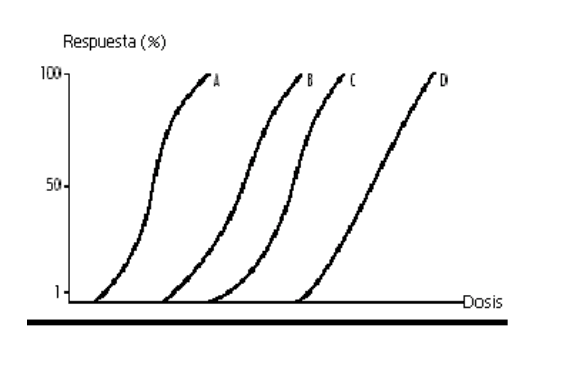
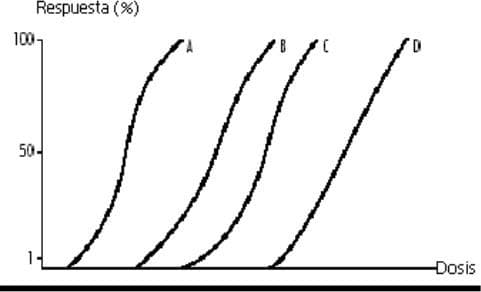
¿Qué podríamos observar en esta curva dosis-respuesta de varios fármacos?
#114★★★Appears 4 times in Test+(Année non identifiée Session non spécifiée, Année non identifiée Session non spécifiée, Année non identifiée Session non spécifiée, Année non identifiée Session non spécifiée)
La taquifilaxia es:
#115★★★Appears 4 times in Test+(Année non identifiée Session non spécifiée, Année non identifiée Session non spécifiée, Année non identifiée Session non spécifiée, Année non identifiée Session non spécifiée)
Señale la afirmación INCORRECTA :
#116★★★Appears 4 times in Test+(Année non identifiée Session non spécifiée, Année non identifiée Session non spécifiée, Année non identifiée Session non spécifiée, Année non identifiée Session non spécifiée)
Señale la opción correcta sobre la Fase I de ensayos clínicos :
#117★★★Appears 4 times in Test+(Année non identifiée Session non spécifiée, Année non identifiée Session non spécifiée)
Señale la falsa sobre un Ensayo Clínico:
#118★★★Appears 4 times in Test+(Année non identifiée Session non spécifiée, Année non identifiée Session non spécifiée, Année non identifiée Session non spécifiée, Année non identifiée Session non spécifiée)
La agencia del medicamento correspondiente puede retirar un fármaco:
#119★★★Appears 4 times in Test+(Année non identifiée Session non spécifiée, Année non identifiée Session non spécifiée, Année non identifiée Session non spécifiée, Année non identifiée Session non spécifiée)
Señale la opción incorrecta de cefalosporinas :
#120★★★Appears 4 times in Test+(Année non identifiée Session non spécifiée, Année non identifiée Session non spécifiée, Année non identifiée Session non spécifiée, Année non identifiée Session non spécifiée)
¿Con qué tipo de receptor está relacionado el AMPcíclico y la Adenilciclasa?
#121★★★Appears 4 times in Test+(Année non identifiée Session non spécifiée, Année non identifiée Session non spécifiée, Année non identifiée Session non spécifiée, Année non identifiée Session non spécifiée)
Señale cual de estos efectos secundarios no corresponde a los AINES :
#122★★★Appears 4 times in Test+(Année non identifiée Session non spécifiée, Année non identifiée Session non spécifiée, Année non identifiée Session non spécifiée, Année non identifiée Session non spécifiée)
Si un paciente tuviera una úlcera gastroduodenal, cuál de los siguientes fármacos podría administrarle?
#123★★★Appears 4 times in Test+(Année non identifiée Session non spécifiée, Année non identifiée Session non spécifiée, Année non identifiée Session non spécifiée, Année non identifiée Session non spécifiée)
Señale cual de estas presentaciones sería la indicada para el tratamiento con ibuprofeno de la fiebre en un niño :
#124★★★Appears 4 times in Test+(Année non identifiée Session non spécifiée, Année non identifiée Session non spécifiée, Année non identifiée Session non spécifiée, Année non identifiée Session non spécifiée)
Indique cuál de los siguientes AINE es un inhibidor selectivo de la COX-2:
#125★★★Appears 4 times in Test+(Année non identifiée Session non spécifiée, Année non identifiée Session non spécifiée, Année non identifiée Session non spécifiée, Année non identifiée Session non spécifiée)
Cual de estos fármacos presenta una acción antiinflamatoria prácticamente nula ?
#126★★★Appears 4 times in Test+(Année non identifiée Session non spécifiée, Année non identifiée Session non spécifiée, Année non identifiée Session non spécifiée, Année non identifiée Session non spécifiée)
Un paciente se intoxica con hirudina, el tratamiento de esta intoxicación es :
#127★★★Appears 4 times in Test+(Année non identifiée Session non spécifiée, Année non identifiée Session non spécifiée, Année non identifiée Session non spécifiée, Année non identifiée Session non spécifiée)
Señale la opción CORRECTA referente a la vía intramuscular :
#128★★★Appears 4 times in Test+(Année non identifiée Session non spécifiée, Année non identifiée Session non spécifiée, Année non identifiée Session non spécifiée, Année non identifiée Session non spécifiée)
Que inconveniente presentan las hirudinas ?
#129★★★Appears 4 times in Test+(Année non identifiée Session non spécifiée, Année non identifiée Session non spécifiée, Année non identifiée Session non spécifiée, Année non identifiée Session non spécifiée)
¿Cuál de las siguientes reacciones adversas generarse tras la administración del propranolol?
#130★★★Appears 4 times in Test+(Année non identifiée Session non spécifiée, Année non identifiée Session non spécifiée, Année non identifiée Session non spécifiée, Année non identifiée Session non spécifiée)
Un paciente tiene diagnosticado glaucoma, el medicamento indicado para esta patología sería:
#131★★★Appears 4 times in Test+(Année non identifiée Session non spécifiée, Année non identifiée Session non spécifiée, Année non identifiée Session non spécifiée, Année non identifiée Session non spécifiée)
Si un Fármaco presenta afinidad por receptor ß (beta) andrenérgico, señale la opción FALSA:
#132★★★Appears 4 times in Test+(Année non identifiée Session non spécifiée, Année non identifiée Session non spécifiée, Année non identifiée Session non spécifiée, Année non identifiée Session non spécifiée)
La enfermedad de Alzheimer está relacionada con:
#133★★★Appears 4 times in Test+(Année non identifiée Session non spécifiée, Année non identifiée Session non spécifiée, Année non identifiée Session non spécifiée, Année non identifiée Session non spécifiée)
En las membranas postganglionares colinérgenicas su neurotransmisor es:
#134★★★Appears 4 times in Test+(Année non identifiée Session non spécifiée, Année non identifiée Session non spécifiée, Année non identifiée Session non spécifiée, Année non identifiée Session non spécifiée)
Un paciente hipertensivo tratado con un unico farmaco antihipertensivo, acude a la consulta dental. La hipertensión de este paciente es causada por un exceso de la actividad de renina en su organismo. ¿Con qué fármaco sospecha que se puede estar tratando para su hipertensión?
#135★★★Appears 4 times in Test+(Année non identifiée Session non spécifiée, Année non identifiée Session non spécifiée, Année non identifiée Session non spécifiée, Année non identifiée Session non spécifiée)
¿Cuál de los siguientes fármacos puede producir hipotensión postural en las primeras dosis?
#136★★★Appears 4 times in Test+(Année non identifiée Session non spécifiée, Année non identifiée Session non spécifiée, Année non identifiée Session non spécifiée, Année non identifiée Session non spécifiée)
¿Qué fármaco antihipertensivo es de elección en una mujer embarazada?
#137★★★Appears 4 times in Test+(Année non identifiée Session non spécifiée, Année non identifiée Session non spécifiée, Année non identifiée Session non spécifiée, Année non identifiée Session non spécifiée)
Se administra un fármaco a un paciente hipertenso cuyo mecanísmo de acción se basa en inhibir la acción de la angiotensina II. ¿A qué fármaco nos referimos?:
#138★★★Appears 4 times in Test+(Année non identifiée Session non spécifiée, Année non identifiée Session non spécifiée, Année non identifiée Session non spécifiée, Année non identifiée Session non spécifiée)
¿Cuál de los siguientes fármacos adrenérgicos es un agonista beta1 adrenérgico produciendo la estimulación cardiaca?
#139★★★Appears 4 times in Test+(Année non identifiée Session non spécifiée, Année non identifiée Session non spécifiée, Année non identifiée Session non spécifiée, Année non identifiée Session non spécifiée)
Señale binomio incorrecto :
#140★★★Appears 4 times in Test+(Année non identifiée Session non spécifiée, Année non identifiée Session non spécifiée, Année non identifiée Session non spécifiée, Année non identifiée Session non spécifiée)
¿Cuál de los siguientes fármacos se utiliza en sedación y es un agonista alfa2?
#141★★★Appears 4 times in Test+(Année non identifiée Session non spécifiée, Année non identifiée Session non spécifiée, Année non identifiée Session non spécifiée, Année non identifiée Session non spécifiée)
La prazosina y a alfuzosina son:
#142★★★Appears 4 times in Test+(Année non identifiée Session non spécifiée, Année non identifiée Session non spécifiée, Année non identifiée Session non spécifiée, Année non identifiée Session non spécifiée)
Un paciente presenta intoxicación farmacológica con vómitos, broncoespasmos, cólico y náuseas. ¿Con que tipo de fármaco podría haberse intoxicado?:
#143★★★Appears 4 times in Test+(Année non identifiée Session non spécifiée, Année non identifiée Session non spécifiée, Année non identifiée Session non spécifiée, Année non identifiée Session non spécifiée)
¿Cuál de los siguientes antihipertensivos se encuentra en tercera línea de tratamiento por sus efectos adversos y su efecto central?:
#144★★★Appears 4 times in Test+(Année non identifiée Session non spécifiée, Année non identifiée Session non spécifiée, Année non identifiée Session non spécifiée, Année non identifiée Session non spécifiée)
¿Cuál de las siguientes NO es una indicación de los fármacos anticolinérgicos?
#145★★★Appears 1 times in Test+
¿Por qué la prescripción de Claritromicina o Eritromicina está contraindicada en un paciente en tratamiento con Simvastatina?
a. Estimulan la excreción biliar de la estatina, provocando un fracaso terapéutico relevanteb. Inhiben la isoenzima hepática CYP3A4, elevando el riesgo de toxicidad muscular por estatinac. Aumentan la absorción intestinal de la estatina, desencadenando una grave citólisis hepáticad. Desplazan la estatina de su unión a proteínas plasmáticas, causando nefrotoxicidad directa
#146★★★Appears 1 times in Test+
La prescripción de antiinflamatorios no esteroideos (AINEs como ibuprofeno o naproxeno) está FORMALMENTE CONTRAINDICADA o requiere extrema precaución en pacientes tratados con sales de carbonato de litio o metotrexato debido a que los AINEs:
a. Aceleran la excreción digestiva reduciendo la biodisponibilidad plasmáticab. Disminuyen la filtración glomerular y reducen el aclaramiento de estos fármacosc. Inducen masivamente los citocromos hepáticos encargados de su metabolizaciónd. Inhiben la absorción intestinal activa alterando los transportadores de membrana
#147★★★Appears 1 times in Test+
¿Cuál de los siguientes antibióticos macrólidos es un potente inhibidor del citocromo hepático CYP3A4, pudiendo provocar toxicidad muscular severa (rabdomiólisis) si se asocia concomitantemente con estatinas como simvastatina o atorvastatina?
a. Amoxicilina oralb. Clindamicina víac. Azitromicina tomad. Cefalexina comprim
#148★★★Appears 1 times in Test+
¿Por qué los AINEs clásicos como el ibuprofeno están contraindicados en pacientes bajo tratamiento con anticoagulantes orales?
a. Porque inhiben la función plaquetaria y lesionan la mucosa gástrica elevando el riesgo de hemorragiab. Porque neutralizan el efecto anticoagulante provocando trombosis venosas profundas agudasc. Porque aceleran el metabolismo hepático del acenocumarol reduciendo drásticamente su vida mediad. Porque compiten con los receptores muscarínicos salivales induciendo xerostomía farmacológica severa
#149★★★Appears 1 times in Test+
¿Qué complicación muscular potencialmente mortal puede provocar la prescripción de claritromicina a un paciente que toma simvastatina?
a. Una rabdomiólisis masiva con mioglobinuria y fallo renal agudo por inhibición del citocromo CYP3A4 hepáticob. Una hipertrofia benigna generalizada de los músculos masticadores con dolor muscular matutino difusoc. Una anquilosis espástica de la articulación temporomandibular que bloquea la apertura de la bocad. Una parálisis flácida de los músculos de la mímica facial debida al bloqueo de los receptores colinérgicos
#150★★★Appears 1 times in Test+
¿Qué reacción adversa severa experimenta un paciente que ingiere bebidas alcohólicas mientras está bajo tratamiento con metronidazol?
a. Un efecto antabus caracterizado por náuseas intensas vómitos taquicardia hipotensión y rubor facial agudob. Una aplasia medular fulminante con agranulocitosis febril y sangrado gingival espontáneo incontrolablec. Una alcalosis respiratoria compensada con descenso persistente del potasio sérico y parálisis musculard. Una queratinización inmediata de la mucosa lingual que adquiere un aspecto aterciopelado negruzco
#151★★★Appears 1 times in Test+
¿Por qué la administración de AINEs reduce de forma marcada la eficacia antihipertensiva de los IECA y ARA-II?
a. Inducción acelerada del citocromo hepático que elimina el fármaco antihipertensivo.b. Inhibición de prostaglandinas renales vasodilatadoras con retención hidrosalina.c. Bloqueo directo de receptores alfa adrenérgicos en la pared arterial periférica.d. Quelación intestinal insoluble que impide la absorción del antihipertensivo oral.
#152★★★Appears 1 times in Test+
¿Qué consecuencia farmacocinética grave ocurre al prescribir ibuprofeno a un paciente tratado con sales de litio?
a. Aumento brusco de la eliminación renal de litio con fracaso de la terapia bipolar.b. Precipitación de cristales de urato en los túbulos con nefrolitiasis masiva aguda.c. Disminución del aclaramiento renal de litio con elevación de litiemia y toxicidad.d. Inhibición competitiva de la recaptación central de dopamina en la hendidura sináptica.
#153★★★Appears 1 times in Test+
¿Qué cuadro de toxicidad grave puede sobrevenir si se pauta un AINE a un paciente en terapia con metotrexato?
a. Ruptura tendinosa espontánea localizada en el tendón de Aquiles por depósito cálcico.b. Retinopatía pigmentaria bilateral irreversible con pérdida del campo visual central.c. Hiperplasia prostática obstructiva aguda refractaria a tratamiento farmacológico ya.d. Pancitopenia fulminante por aplasia medular y mucositis grave por acúmulo tóxico.
#154★★★Appears 1 times in Test+
¿Cuál es el analgésico de elección para tratar el dolor odontológico en pacientes polimedicados con litio o IECA?
a. Paracetamol pautado a dosis ajustadas sin exceder tres o cuatro gramos al día.b. Ketorolaco sublingual administrado a dosis plenas durante siete días completos.c. Indometacina en cápsulas de liberación prolongada cada doce horas continuadas.d. Ácido acetilsalicílico a dosis antiinflamatorias de cuatro gramos cada jornada.
#155★★★Appears 1 times in Test+
¿Por qué mecanismo la administración de adrenalina con anestésicos locales desencadena crisis hipertensivas en pacientes con tricíclicos?
a. Por el bloqueo de la recaptación neuronal de catecolaminas que eleva de forma marcada la concentración en los receptoresb. Por la inducción de un aclaramiento renal acelerado de las catecolaminas con acumulación secundaria en el miocardioc. Por la estimulación directa de la monoaminooxidasa hepática que acelera la síntesis autónoma de noradrenalina tisulard. Por la apertura irreversible de canales de calcio voltaje-dependientes en las terminaciones del plexo submucoso bucal
#156★★★Appears 1 times in Test+
¿Qué vasoconstrictores están formalmente contraindicados en pacientes tratados con antidepresivos tricíclicos?
a. La adrenalina a concentraciones muy bajas uno doscientos mil empleada exclusivamente en técnicas infiltrativas oralesb. La noradrenalina y la levonordefrina por desencadenar una respuesta hipertensiva desproporcionada y arritmias gravesc. La felipresina asociada a prilocaína debido a su intensa interacción bloqueante con la recaptación de serotonina hoyd. Cualquier anestésico amídico sin vasoconstrictor por provocar una reacción cruzada de hipotensión ortostática severa
#157★★★Appears 1 times in Test+
¿Qué precaución farmacológica primordial debe observarse al anestesiar a un paciente tratado con inhibidores de la MAO?
a. Sustituir obligatoriamente los anestésicos locales amídicos por anestésicos de tipo éster como la procaína o tetracaínab. Evitar por completo cualquier técnica infiltrativa por riesgo de trombocitopenia autoinmune inducida por los IMAO hoyc. Proscribir vasoconstrictores simpaticomiméticos indirectos y dosificar con extrema cautela la adrenalina sin excederd. Prescribir dosis dobles de adrenalina para compensar la metabolización acelerada de catecolaminas en la mucosa oral
#158★★★Appears 1 times in Test+
¿Cuál es el protocolo de seguridad y dosis máxima de adrenalina permitida en un paciente bajo tratamiento con amitriptilina?
a. Administrar hasta seis carpules con adrenalina al uno cien mil siempre que se asocie a mepivacaína al tres por cientob. Suspender el antidepresivo tricíclico durante las veinticuatro horas previas a la cita para evitar riesgos vascularesc. Utilizar noradrenalina al uno cincuenta mil por su menor afinidad sobre los receptores beta del lecho vascular hoyd. Limitar la dosis a un máximo estricto de cero coma cero cuatro miligramos aspirando de forma rigurosa en dos planos
#159★★★Appears 1 times in Test+
¿Cuál es la consecuencia clínica de prescribir ibuprofeno a un paciente tratado con litio?
a. Aumento de la litemia con riesgo de toxicidad neurológica y temblor grave por AINE.b. Inactivación completa del efecto estabilizador del ánimo provocando manía aguda.c. Aceleración de la eliminación renal de litio con caída rápida de niveles en suero.d. Precipitación tubular directa del litio causando urolitiasis obstructiva aguda ya.
#160★★★Appears 1 times in Test+
¿Por qué mecanismo los AINEs potencian la toxicidad medular del metotrexato?
a. Competición por la secreción tubular renal y disminución del filtrado por AINE.b. Aumento masivo de la absorción intestinal del antimetabolito por daño en mucosa.c. Inducción microsomal que transforma al metotrexato en un metabolito hemolítico.d. Inhibición de la unión a la dihidrofolato reductasa potenciando la anemia megalo.
#161★★★Appears 1 times in Test+
¿Qué complicación muscular severa surge al combinar claritromicina con simvastatina?
a. Rabdomiólisis aguda con riesgo de insuficiencia renal aguda por mioglobinuria.b. Atrofia muscular neurogénica progresiva secundaria a bloqueo en placa motora ya.c. Miositis osificante traumática localizada en los músculos maseteros e internos.d. Espasmo muscular tetánico generalizado por hipocalcemia aguda refractaria aquí.
#162★★★Appears 1 times in Test+
¿Qué enzima bloquea el metronidazol para provocar una reacción tipo disulfiram con etanol?
a. Aldehído deshidrogenasa hepática provocando acumulación tóxica de acetaldehído.b. Alcohol deshidrogenasa impidiendo la transformación inicial del alcohol etílico.c. Catalasa peroxisomal bloqueando la oxidación secundaria de derivados del etanol.d. Citocromo dos E uno impidiendo la conjugación microsomal de metabolitos activos.
#163★★★Appears 1 times in Test+
¿Por qué la administración de AINEs a un paciente anticoagulado con acenocumarol o warfarina multiplica el riesgo de hemorragia severa?
a. Porque desplazan al anticoagulante de la albúmina elevando su fracción libre y lesionan la mucosa gástrica alterando plaquetas.b. Porque estimulan la síntesis colónica de vitamina K antagonizando de forma indirecta los factores hemostáticos de coagulación.c. Porque inducen una lisis enzimática prematura del fibrinógeno plasmático en los vasos del lecho capilar gingival periférico.d. Porque bloquean la absorción gástrica del fármaco provocando un rebote trombótico que deriva en hemorragia sistémica tardía.
#164★★★Appears 1 times in Test+
¿Qué alteración farmacocinética desencadena una intoxicación grave por litio cuando se prescribe un AINE a un paciente con trastorno bipolar?
a. Incremento de la absorción intestinal del catión litio mediado por un aumento de la secreción del ácido gástrico clorhídrico.b. Inhibición de las prostaglandinas renales con reducción del aclaramiento del litio y aumento crítico de su concentración plasmática.c. Bloqueo selectivo de la biotransformación hepática microsomal del litio mediada por enzimas del citocromo tres A cuatro hepático.d. Fijación irreversible del litio a la albúmina circulante que anula su filtración por los glomérulos de ambos riñones humanos.
#165★★★Appears 1 times in Test+
¿Por qué mecanismo farmacodinámico los AINEs antagonizan la eficacia de fármacos antihipertensivos como betabloqueantes, diuréticos e IECAs?
a. Porque degradan proteolíticamente los principios activos antihipertensivos en la sangre mediante hidrólisis enzimática rápida.b. Porque abren directamente los canales de calcio del músculo liso vascular induciendo una vasoconstricción tónica irreversible.c. Porque inhiben la síntesis de prostaglandinas renales vasodilatadoras provocando retención de sodio y agua y vasoconstricción.d. Porque aceleran de manera selectiva la excreción renal de los hipotensores impidiendo que alcancen concentraciones terapéuticas.
#166★★★Appears 1 times in Test+
¿Cuál es el mecanismo electrofisiológico por el que la claritromicina y eritromicina pueden provocar torsades de pointes?
a. Bloqueo selectivo de los canales de potasio hERG/IKr retrasando la repolarización cardíaca.b. Apertura persistente de canales de sodio voltaje-dependientes acelerando la fase cero miocárdica.c. Inhibición irreversible de la bomba sodio-potasio ATPasa que induce sobrecarga de calcio pura.d. Estimulación directa de receptores beta-uno adrenérgicos provocando taquicardia sinusal masiva.
#167★★★Appears 1 times in Test+
¿Qué cuadro clínico potencialmente letal puede desencadenar la asociación de claritromicina con simvastatina o atorvastatina?
a. Trombosis masiva de la vena porta debida a inhibición de la antitrombina tres circulante.b. Pancreatitis hemorrágica fulminante por necrosis acinar dependiente de tripsina activada.c. Hiperplasia medular eritroide con policitemia secundaria grave y cefalea vascular intensa.d. Rabdomiólisis severa con mioglobinuria e insuficiencia renal aguda por sobreexposición tisular.
#168★★★Appears 1 times in Test+
¿Por qué la azitromicina presenta un riesgo de interacciones metabólicas mucho menor que la claritromicina o eritromicina?
a. Porque es un inductor enzimático ultrarrápido que acelera la degradación de otros fármacos.b. Porque no se absorbe en el tracto digestivo actuando únicamente sobre la luz intestinal pura.c. Porque no inhibe significativamente el complejo enzimático microsomal hepático del CYP3A4.d. Porque se une exclusivamente a la albúmina sin distribuirse en los tejidos periféricos hoy.
#169★★★Appears 1 times in Test+
¿Por qué la prescripción de CLARITROMICINA o ERITROMICINA a un paciente que toma SIMVASTATINA o ATORVASTATINA para la hipercolesterolemia está CONTRAINDICADA?
a. Porque estos macrólidos reducen la absorción digestiva de las estatinas por inducción de transportadores intestinales, anulando por completo su efecto terapéutico hipolipemiante.b. Porque estos macrólidos inhiben el citocromo CYP3A4, provocando una sobredosis plasmática de estatinas causante de rabdomiólisis aguda grave con fallo renal secundario.c. Porque esta asociación desencadena una quelación tisular directa de las estatinas, provocando una necrosis mucosa oral extensa asociada a una hiperpigmentación gingival.d. Porque esta asociación induce una estimulación de la síntesis endógena de angiotensina II, causando una crisis hipertensiva severa complicada con trombosis arterial aguda.
#170★★★Appears 1 times in Test+
¿Qué efecto cardiovascular adverso grave puede desencadenar la adrenalina en pacientes tratados con propranolol?
a. Crisis hipertensiva grave con bradicardia refleja por estímulo alfa puro vascular.b. Hipotensión arterial brusca debida a una vasodilatación periférica masiva continua.c. Taquicardia ventricular rápida por estimulación de receptores beta dos del endotelio.d. Síncope neurogénico transitorio secundario a hipoxia coronaria difusa sostenida.
#171★★★Appears 1 times in Test+
¿Por qué la prescripción de macrólidos en un paciente tratado con acenocumarol o warfarina entraña alto riesgo?
a. Por inducción enzimática microsómica que incrementa el aclaramiento renal del fármaco.b. Por inhibición enzimática del citocromo CYP3A4 elevando la concentración de dicumarínicos.c. Por quelación física del anticoagulante oral en el estómago evitando su paso al plasma.d. Por elevación brusca de la síntesis de factores de coagulación dependientes de vitamina K.
#172★★★Appears 1 times in Test+
¿Qué mecanismo molecular subyace a la reacción tipo disulfiram cuando se ingiere alcohol durante el uso de metronidazol?
a. Lisis directa de las células gástricas parietales con liberación de ácido clorhídrico.b. Inactivación no competitiva de la enzima alcohol deshidrogenasa en el hepatocito vivo.c. Bloqueo de la aldehído deshidrogenasa provocando una acumulación tóxica de acetaldehído.d. Fijación del etanol consumido sobre los receptores nicotínicos de la unión motora pura.
#173★★★Appears 1 times in Test+
¿Qué consecuencia clínica grave sobreviene al asociar un antiinflamatorio no esteroideo con sales de litio?
a. Degradación hepática acelerada del litio plasmático que anula su eficacia clínica.b. Neutralización total del efecto analgésico del AINE por unión a receptores diana.c. Precipitación intratubular renal de cristales cálcicos causando un cólico agudo.d. Reducción del aclaramiento renal de litio con elevación tóxica de la litemia pura.
#174★★★Appears 1 times in Test+
¿Qué metabolito hepatotóxico se acumula en sobredosis de paracetamol cuando se agotan las reservas de glutatión hepático?
a. La N-acetil-p-benzoquinona imina que produce necrosis hepática centrolobulillar fulminante por estrés oxidativob. El ácido homogentísico que precipita formando depósitos pigmentados en el tejido conjuntivo de la córneac. La fenilhidrazina libre que destruye la membrana lipídica de los eritrocitos causando anemia hemolíticad. El ácido acetilsalicílico generado por hidrólisis espontánea de los grupos hidroxilo en el duodeno
#175★★★Appears 1 times in Test+
¿Qué aspecto clínico dermatológico y mucoso es patognomónico del eritema multiforme inducido por medicamentos?
a. Placas hiperqueratósicas adheridas que no se desprenden al raspado dispuestas linealmente a lo largo de la encía.b. Lesiones cutáneas en diana o escarapela con tres anillos concéntricos y ulceraciones con costras labiales hemorrágicas.c. Vesículas intraepiteliales agrupadas en racimo sobre una base eritematosa que siguen estrictamente un dermatoma.d. Nódulos subcutáneos gomosos indoloros que sufren reblandecimiento central con drenaje espontáneo de material caseoso.
#176★★★Appears 1 times in Test+
¿Por qué el angioedema orofacial inducido por IECA no responde habitualmente al tratamiento convencional con antihistamínicos?
a. Porque está mediado por depósito intravascular de complejos de inmunoglobulina M fijadores del complemento lítico.b. Porque se debe a vasoconstricción masiva de los plexos capilares profundos secundaria a hiperreactividad simpática.c. Porque cursa con destrucción irreversible del tejido conjuntivo dérmico provocada por activación de proteasas ácidas.d. Porque no depende de histamina sino de la acumulación tisular masiva de bradicinina no degradada por la cininasa dos.
#177★★★Appears 1 times in Test+
¿Qué metabolito hepatotóxico reactivo se acumula en sobredosis de paracetamol cuando se agotan las reservas hepáticas de glutatión?
a. N-acetil-p-benzoquinoneimina producida por el citocromo P450.b. Ácido homogentísico derivado del catabolismo de la fenilalanina.c. Acetaldehído formado durante la oxidación mitocondrial del etanol.d. Ácido araquidónico liberado por las fosfolipasas de la membrana.
#178★★★Appears 1 times in Test+
¿Cuál es el antídoto específico que debe administrarse precozmente para tratar la intoxicación aguda potencialmente letal por paracetamol?
a. N-acetilcisteína por vía intravenosa o por administración oral.b. Flumazenilo administrado mediante inyección endovenosa directa.c. Naloxona administrada mediante bolos parenterales repetidos.d. Atropina sulfato por infusión continua en perfusión cardiaca.
#179★★★Appears 1 times in Test+
¿Cuál es el mecanismo fisiopatológico por el que los AINEs pueden desencadenar un fracaso renal agudo en pacientes deshidratados o ancianos?
a. Bloqueo de las prostaglandinas vasodilatadoras en la arteriola aferente.b. Necrosis osmótica selectiva de las células epiteliales del asa de Henle.c. Obstrucción de los túbulos colectores por formación masiva de cristales.d. Estimulación de la secreción de renina por las células yuxtaglomerulares.
#180★★★Appears 1 times in Test+
¿Qué cuadro dermatológico y mucoso grave mediado por linfocitos T se caracteriza por desprendimiento ampollar extenso inducido por fármacos?
a. Síndrome de Stevens-Johnson y necrólisis epidérmica tóxica.b. Urticaria aguda por degranulación de mastocitos tisulares.c. Angioedema hereditario por deficiencia de C1 inhibidor puro.d. Pénfigo vulgar asociado a autoanticuerpos desmogleína tres.
#181★★★Appears 1 times in Test+
¿Qué efecto provoca la prescripción de claritromicina en un paciente epiléptico estabilizado con carbamazepina?
a. Inducción rápida de convulsiones refractarias por caída brusca del nivel de fármaco en sangre.b. Sobredosificación tóxica con somnolencia, ataxia y diplopía por inhibición de su aclaramiento.c. Neutralización completa de la absorción oral de la carbamazepina mediante quelación gástrica.d. Desarrollo agudo de un cuadro de hiperglucemia severa por destrucción de células insulares.
#182★★★Appears 1 times in Test+
¿Qué combinación de fármacos desencadena el cuadro conocido como triple golpe renal con fracaso renal agudo fulminante tras la toma de un AINE?
a. La administración conjunta de un AINE con amoxicilina oral y un fármaco procinético gástrico administrado a dosis habituales.b. La combinación de un AINE con un antidepresivo tricíclico sedante y suplementos orales de calcio con vitamina D tres activa.c. La coadministración de un AINE con un antihistamínico de segunda generación y corticoides inhalados a bajas posologías orales.d. La asociación de un AINE con un inhibidor del eje renina-angiotensina y un diurético que reduce la volemia plasmática eficaz.
#183★★★Appears 1 times in Test+
¿A través de qué mecanismo secundario provocan intensa sequedad bucal los antipsicóticos fenotiacínicos y anti-H1 de primera generación?
a. Por antagonismo de receptores muscarínicos salivales bloqueando la secreción acuosa glandular.b. Por destrucción tóxica irreversible del conducto excretor de Stenon en ambas parótidas hoy.c. Por estimulación excesiva de los receptores alfa-dos simpáticos que agotan la reserva salival.d. Por inducir una vasoconstricción periférica que necrosa el parénquima de glándulas sublinguales.
#184★★★Appears 1 times in Test+
¿Qué efecto secundario mucocutáneo característico manifiestan los pacientes tratados con inhibidores de EGFR?
a. Hipertrofia gingival fibrosa generalizada similar a la inducida por ciclosporina pura.b. Erupción cutánea papulopustulosa acneiforme facial con queilitis descamativa dolorosa.c. Melanosis lingual difusa extensa con necrosis de las glándulas salivales sublinguales.d. Osteorradionecrosis mandibular espontánea sin exposición previa a radiaciones ionizantes.
#185★★★Appears 1 times in Test+
¿Qué patrón clínico peculiar presentan las lesiones orales provocadas por los inhibidores de mTOR como everolimus?
a. Descamación gingival hemorrágica masiva con pérdida espontánea de dientes sanos ya.b. Úlceras aftosas bien delimitadas ovoides con halo eritematoso sobre mucosa no queratinizada.c. Manchas negras maculares pigmentadas asimétricas en la encía queratinizada palatina.d. Proliferación papilomatosa exuberante difusa con hiperqueratosis verrucosa masiva pura.
#186★★★Appears 1 times in Test+
¿Qué intervención física profiláctica simple reduce la incidencia de mucositis por bolus de fluorouracilo?
a. Calentamiento oral con lámpara infrarroja facial durante toda la sesión intravenosa.b. Crioterapia oral manteniendo cubitos de hielo en la boca durante la infusión del fármaco.c. Lavados continuos de la cavidad bucal con solución alcohólica concentrada de mentol ya.d. Colocación de tapones de cera blanda oclusivos en los conductos de Stenon bilaterales.
#187★★★Appears 1 times in Test+
¿Cuáles son las fases biológicas secuenciales del modelo de Sonis en la mucositis por quimioterapia?
a. Isquemia tisular, necrosis licuefactiva, metaplasia ósea y cicatrización por segunda.b. Iniciación por estrés oxidativo, mensaje celular, ulceración y curación espontánea.c. Desmólisis autoinmune, formación de ampollas, acantolisis y esclerosis fibrosa ya.d. Colonización fúngica inicial, invasión bacteriana profunda y calcificación mucosa pura.
#188★★★Appears 1 times in Test+
Los bifosfonatos (ej. Ácido Zoledrónico, Alendronato) se acumulan durante años en la hidroxiapatita ósea e inhiben la resorción ósea bloqueando selectivamente a:
a. Los osteoclastos del tejido óseob. Los osteoblastos de la matrizc. Los odontoblastos de la pulpad. Los condrocitos del cartílago
#189★★★Appears 1 times in Test+
¿Cuál es la medida preventiva de mayor eficacia clínica antes de que un paciente inicie tratamiento oncológico con bisfosfonatos intravenosos?
a. Realizar un saneamiento bucal exhaustivo previo y finalizar cualquier exodoncia necesaria semanas antes de iniciar la medicación.b. Prescribir profilaxis antibiótica oral indefinida con tetraciclinas durante todos los años que dure la administración del fármaco.c. Indicar enjuagues diarios con cloruro sódico hipertónico sin realizar exámenes clínicos orales para no lesionar la encía gingival.d. Proceder a la exodoncia preventiva sistemática de todos los dientes sanos para anular cualquier complicación infecciosa futura.
#190★★★Appears 1 times in Test+
¿Qué criterios clínicos y temporales definen el diagnóstico de osteonecrosis de los maxilares asociada a medicamentos según el consenso de la AAOMS?
a. Área de radiolucidez ósea localizada que remite completamente en diez días tras pauta antibiótica estándar con amoxicilina oral.b. Úlcera mucosa dolorosa yugal que cicatriza espontáneamente con colutorios antisépticos en un periodo inferior a tres semanas.c. Necrosis ósea mandibular avascular en un paciente con antecedentes oncológicos de radioterapia fraccionada previa de cabeza y cuello.d. Hueso necrótico expuesto o fístula sondable persistente por más de ocho semanas bajo antiresortivos y sin radioterapia maxilar.
#191★★★Appears 1 times in Test+
¿Qué grupo farmacológico y vía de administración confiere el mayor riesgo de osteonecrosis de los maxilares (MRONJ)?
a. Los bifosfonatos intravenosos de alta potencia como el ácido zoledrónico y los anticuerpos anti-RANKLb. Los bifosfonatos orales prescritos a dosis bajas para la osteopenia durante menos de seis mesesc. Los suplementos orales combinados de citrato de calcio y colecalciferol en mujeres posmenopáusicasd. Los inhibidores de la bomba de protones como el omeprazol administrados de forma continuada en gastritis
#192★★★Appears 1 times in Test+
¿Cómo se compara el riesgo de osteonecrosis maxilar entre pacientes tratados con bisfosfonatos orales por osteoporosis y con ácido zoledrónico intravenoso en oncología?
a. El alendronato oral conlleva un riesgo veinte veces superior debido a su acumulación preferencial exclusiva en la mandíbula.b. El riesgo con bisfosfonatos orales es inferior al cero coma uno por ciento pero con zoledronato supera el uno por ciento.c. Ambos tratamientos presentan exactamente la misma probabilidad de osteonecrosis al compartir idéntica potencia biológica celular.d. El ácido zoledrónico intravenoso carece de afinidad por el hueso maxilar siendo el riesgo exclusivo del tratamiento por vía oral.
#193★★★Appears 1 times in Test+
¿Por qué los antihistamínicos de primera generación como la dexclorfeniramina provocan una marcada sedación central?
a. Estimulan de forma irreversible a los receptores gabaérgicos del cerebelo profundo.b. Inhiben la síntesis de tiroxina cerebral disminuyendo el metabolismo mitocondrial.c. Atraviesan la barrera hematoencefálica y bloquean los receptores H1 que regulan vigilia.d. Producen vasoconstricción masiva de las arterias meníngeas con isquemia cerebral hoy.
#194★★★Appears 1 times in Test+
¿Qué ventaja clínica clave presentan los antihistamínicos H1 de segunda generación como loratadina o cetirizina?
a. Mínima sedación y nula xerostomía al ser selectivos periféricos y no cruzar la BHE.b. Capacidad intrínseca para revertir el choque anafiláctico sustituyendo adrenalina.c. Efecto bactericida directo sobre bacilos anaerobios presentes en el periodonto hoy.d. Inducción de anestesia pulpar profunda sin necesidad de utilizar vasoconstrictor.
#195★★★Appears 1 times in Test+
¿Qué diferencia farmacocinética cardinal distingue al anticuerpo denosumab de los bisfosfonatos en relación con su permanencia en el hueso?
a. Denosumab se fija covalentemente a los cristales de hidroxiapatita durante más de diez años impidiendo el recambio óseo fisiológico.b. Denosumab es degradado por fosfatasas alcalinas óseas liberando iones pirofosfato que bloquean la regeneración de los osteoblastos.c. Denosumab es un anticuerpo que no se une a la hidroxiapatita y su efecto sobre los osteoclastos es reversible meses tras suspenderlo.d. Denosumab penetra en los canalículos de los osteocitos induciendo una mutación genética permanente del gen que codifica para RANKL.
#196★★★Appears 1 times in Test+
¿Por qué los antihistamínicos son completamente ineficaces para revertir el choque anafiláctico o broncoespasmo severo?
a. Porque son destruidos instantáneamente por las proteasas plasmáticas mastocitarias.b. Porque no revierten la vasodilatación masiva ni el espasmo mediado por leucotrienos.c. Porque actúan como agonistas inversos que aumentan la liberación de histamina hoy.d. Porque impiden que el oxígeno difunda a través de la membrana alveolocapilar ya.
#197★★★Appears 1 times in Test+
¿En qué consiste la peligrosa interacción farmacológica conocida como 'TRIPLE WHAMMY' (triple amenaza renal) y cuál es su consecuencia patológica si prescribimos un AINE como ibuprofeno?
a. La combinación de tres analgésicos centrales causando depresión respiratoria severa y coma por toxicidad.b. La combinación de AINE, IECA o ARA-II y diurético provocando fallo hemodinámico y fracaso renal agudo.c. La administración conjunta de tres anestésicos locales generando toxicidad sistémica y colapso cardíaco.d. La prescripción concomitante de tres antibióticos de amplio espectro induciendo colitis pseudomembranosa.
#198★★★Appears 1 times in Test+
¿Qué fármaco sistémico modulador de neutrófilos está indicado en estomatitis aftosa recidivante grave refractaria o síndrome de Behçet?
a. Colquicina oral que inhibe la polimerización de tubulina y la quimiotaxis neutrófila.b. Amoxicilina con ácido clavulánico a dosis de rescate durante ocho semanas continuadas.c. Sulfato de morfina oral pautado de forma continua para controlar el dolor mucoso ya.d. Inhibidores de la bomba de protones a dosis triples administrados por vía intravenosa.
#199★★★Appears 1 times in Test+
¿Cuál es el tratamiento tópico de primera elección para brotes severos de aftas orales mayores y mucositis erosiva?
a. Colutorios alcohólicos de mentol aplicados de forma repetida cinco veces cada hora.b. Pomada de aciclovir al cinco por ciento aplicada directamente sobre las aftas orales.c. Corticoides potentes como clobetasol o triamcinolona vehiculizados en pasta orabase.d. Ácido acetilsalicílico disuelto directamente sobre la mucosa ulcerada dolorosa hoy.
#200★★★Appears 1 times in Test+
¿Cuál es el mecanismo fisiopatológico por el que los diuréticos de asa y tiazidas provocan sensación persistente de boca seca?
a. Inactivación selectiva de las proteínas acuaporinas en las membranas celulares linguales.b. Bloqueo irreversible de los receptores colinérgicos nicotínicos de los ganglios basales.c. Neutralización química de las amilasas salivales con precipitación de mucinas orales hoy.d. Hipovolemia con deshidratación extracelular y menor presión de filtración hidrostática.
#201★★★Appears 1 times in Test+
¿Cuál es la medida odontológica preventiva imperativa que debe realizarse antes de que el paciente inicie antirreabsortivos IV potentes?
a. Saneamiento bucodental completo con exodoncias dudosas y cicatrización completa.b. Colocación inmediata preventiva de implantes de titanio antes de la primera infusión.c. Prescripción indefinida profiláctica de clindamicina oral sin realizar ninguna revisión.d. Aplicación superficial única de barniz fluorado concentrado sobre todas las superficies.
#202★★★Appears 1 times in Test+
¿Cuál de los siguientes criterios forma parte indispensable de la definición de MRONJ establecida por la AAOMS?
a. Exposición ósea dolorosa presente durante un plazo estrictamente inferior a diez días.b. Presencia obligada de antecedentes confirmados de radioterapia cervicofacial previa.c. Tratamiento exclusivo con antibióticos betalactámicos durante los últimos dos años.d. Hueso expuesto necrótico que persiste durante más de ocho semanas sin radioterapia.
#203★★★Appears 1 times in Test+
¿Qué pauta de tratamiento antirreabsortivo confiere el mayor riesgo acumulado de desarrollar MRONJ tras exodoncia?
a. Alendronato oral en dosis bajas pautado durante seis meses para la osteopenia hoy.b. Raloxifeno oral administrado a mujeres posmenopáusicas con osteoporosis senil.c. Zoledronato intravenoso mensual a dosis oncológicas para metástasis óseas ya.d. Suplementos de calcio y colecalciferol administrados durante cinco años seguidos.
#204★★★Appears 1 times in Test+
¿Qué diferencia fundamental de mecanismo farmacológico distingue a los bisfosfonatos del denosumab?
a. Los bisfosfonatos activan a los osteoblastos mientras denosumab destruye el hueso.b. Los bisfosfonatos se fijan a la hidroxiapatita y denosumab es anticuerpo anti-RANKL.c. El denosumab se acumula de por vida en la matriz mientras bisfosfonatos se van ya.d. Ambos fármacos carecen por completo de cualquier efecto sobre los osteoclastos hoy.
#205★★★Appears 1 times in Test+
¿Qué protocolo técnico debe ejecutarse si resulta indispensable extraer un diente en un paciente tratado con bisfosfonatos?
a. Dejar el hueso alveolar completamente expuesto sin colocar puntos de sutura nunca.b. Efectuar un legrado rotatorio agresivo eliminando ambas corticales alveolares vivas.c. Prohibir la alimentación normal sólida de forma estricta durante tres meses largos.d. Cirugía atraumática, remodelado de espículas óseas y cierre primario hermético.
#206★★★Appears 1 times in Test+
¿Qué diferencia biológica esencial distingue la persistencia ósea de los bisfosfonatos respecto a denosumab?
a. Los bisfosfonatos persisten años en el hueso mientras que el denosumab no lo hace.b. El denosumab se incorpora a la hidroxiapatita con una semivida de veinte años fijos.c. Los bisfosfonatos actúan estimulando activamente la proliferación de osteoblastos.d. El denosumab se elimina de forma exclusiva mediante metabolismo microsómico hepático.
#207★★★Appears 1 times in Test+
¿Cuál es la medida preventiva obligatoria antes de iniciar fármacos antirresortivos potentes a dosis oncológicas?
a. Colocar seis implantes oseointegrados bajo cobertura antibiótica ininterrumpida.b. Eliminar focos infecciosos y aguardar la cicatrización mucosa completa previa.c. Practicar corticotomías profilácticas bilaterales en todos los sectores molares.d. Realizar blanqueamiento con peróxido concentrado para desinfectar el esmalte oral.
#208★★★Appears 1 times in Test+
¿Qué beneficio terapéutico aportan las soluciones de enjuague sobresaturadas de fosfato de calcio en la mucositis por quimioterapia?
a. Inhiben de forma irreversible la síntesis de histamina neutralizando por completo el reflejo del vómito por quimioterápicos.b. Actúan como quelantes potentes del ADN impidiendo la división celular anómala en los márgenes de las úlceras orales.c. Producen una cauterización química indolora de las lesiones ulceradas acelerando la formación inmediata de tejido cicatrizal.d. Restablecen el equilibrio iónico fisiológico en la saliva aportando iones calcio y fosfato para la regeneración epitelial.
#209★★★Appears 1 times in Test+
¿Cuál es el fundamento biológico de aplicar crioterapia oral con cubitos de hielo durante la infusión de cinco-fluorouracilo?
a. Acelerar la degradación enzimática hepática del citostático aumentando la producción de metabolitos inactivos en sangre.b. Estimular la mitosis de los queratinocitos basales de la mucosa acelerando la cicatrización epitelial durante la sesión.c. Inducir una vasoconstricción local transitoria de los capilares bucales que reduce el flujo y la llegada del antineoplásico.d. Destruir por congelación las bacterias patógenas orales oportunistas presentes en las criptas amigdalares y encías.
#210★★★Appears 1 times in Test+
¿Qué cascada biológica desencadena la quimioterapia con cinco-fluorouracilo durante el desarrollo de la mucositis oral?
a. Sobreexpresión de colágeno fibrilar con hiperqueratinización reactiva y desecación progresiva del estrato córneo oral.b. Muerte celular basal con estrés oxidativo liberación de citocinas proinflamatorias como TNF-alfa y ulceración dolorosa.c. Proliferación clonal masiva de fibroblastos asociada a angiogénesis capilar desordenada e hipertrofia papilar difusa.d. Destrucción autoinmune de los desmosomas mediada por autoanticuerpos IgG dirigidos contra las desmogleínas mucosas.
#211★★★Appears 1 times in Test+
¿Cuál es el mecanismo de la toxicidad mucosa por metotrexato y cómo actúa el ácido folínico para mitigar este daño tisular?
a. Inhibe la dihidrofolato reductasa bloqueando la síntesis de purinas y el ácido folínico aporta folato reducido a las células sanas.b. Estimula la formación de radicales libres intramitocondriales y el ácido folínico quelar los iones de hierro tisulares libres.c. Bloquea la síntesis de microtúbulos del huso acromático y el ácido folínico acelera la polimerización de tubulina muscular.d. Intercala bases púricas en el ADN impidiendo la transcripción y el ácido folínico degrada las hebras dañadas en los núcleos.
#212★★★Appears 1 times in Test+
¿Qué combinación de factores clínicos confiere el mayor riesgo de desarrollar osteonecrosis de los maxilares?
a. Tratamiento oral de menos de un mes de duración sin ninguna cirugía extractiva.b. Consumo exclusivo de suplementos vitamínicos con calcio y colecalciferol diario.c. Tratamiento intravenoso de dosis oncológicas asociado a cirugías dentoalveolares.d. Pulido profiláctico supragingival en un paciente joven sin enfermedad ósea previa.
#213★★★Appears 1 times in Test+
Para realizar un procedimiento odontológico invasivo necesario en una paciente embarazada, ¿cuál es el anestésico local de elección más seguro y qué vasoconstrictor debe EVITARSE rigurosamente por su actividad oxitócica inductora de contracciones uterinas?
a. Elección: Bupivacaína al 0,5 % con adrenalina 1:200.000; Evitar: Noradrenalinab. Elección: Lidocaína al 2,0 % con adrenalina 1:100.000; Evitar: Felipresinac. Elección: Articaína al 4,0 % con adrenalina 1:100.000; Evitar: Fenilefrinad. Elección: Mepivacaína al 3,0 % sin vasoconstrictor; Evitar: Clonidina pura
#214★★★Appears 1 times in Test+
En una paciente embarazada en su segundo trimestre que presenta un flemón odontogénico agudo con celulitis facial, ¿cuál de los siguientes antibióticos se considera de PRIMERA ELECCIÓN por su óptimo perfil de seguridad fetal (Categoría B de la FDA)?
a. Prescripción de doxiciclinab. Prescripción de amoxicilinac. Prescripción de ciprofloxacinod. Prescripción de cloranfenicol
#215★★★Appears 1 times in Test+
¿Por qué está FORMALMENTE CONTRAINDICADA la prescripción de antiinflamatorios no esteroideos (AINEs como ibuprofeno, ketoprofeno o naproxeno) durante el TERCER TRIMESTRE del embarazo (a partir de la semana 28-32 de gestación)?
a. Riesgo de toxicidad medular fetal con agranulocitosis y anemia refractariab. Riesgo de cierre prematuro del conducto arterioso e insuficiencia renal fetalc. Riesgo de hemorragia cerebral fetal grave por trombocitopenia neonatal precozd. Riesgo de alteración cartilaginosa fetal con retraso del crecimiento esquelético
#216★★★Appears 1 times in Test+
La administración de antibióticos del grupo de las TETRACICLINAS (como doxiciclina o minociclina) a mujeres embarazadas a partir del segundo trimestre o a niños menores de 8 años produce tinciones intrínsecas irreversibles y defectos del esmalte dental debido a que:
a. Desnaturalizan la matriz orgánica adamantina por proteólisis ácida directa de las amelogeninas activasb. Quelan los iones calcio formando un complejo insoluble que se fija en la hidroxiapatita mineralizadac. Bloquean la diferenciación de odontoblastos pulpares por inhibición ribosómica selectiva irreversibled. Inducen desmineralización cariosa rampante temprana por alteración patológica del microbioma oral
#217★★★Appears 1 times in Test+
¿Por qué los AINEs (como ibuprofeno o ketoprofeno) están FORMALMENTE CONTRAINDICADOS durante el tercer trimestre de la gestación (a partir de la semana 28)?
a. Porque atraviesan la placenta e inducen displasia de la dentina fetal.b. Porque conllevan el riesgo de cierre intrauterino del ductus arterioso.c. Porque inhiben la contractilidad uterina y provocan una atonía muscular.d. Porque causan desmineralización y osteomalacia en los huesos del feto.
#218★★★Appears 1 times in Test+
¿Qué analgésico no opioide constituye el fármaco de primera elección durante cualquier trimestre del embarazo?
a. Paracetamol prescrito a dosis terapéuticas habituales respetando los límites diarios.b. Ketoprofeno administrado en comprimidos retard durante las comidas del segundo mes.c. Celecoxib seleccionado por su total inocuidad sobre la maduración del feto humano.d. Aspirina a dosis antiinflamatorias elevadas para evitar la retención hidrosalina pura.
#219★★★Appears 1 times in Test+
¿Qué grave toxicidad fetal justifica la contraindicación absoluta de los AINE a partir del sexto mes gestacional?
a. Riesgo de agenesia dentaria completa que afecte a toda la dentición temporal fetal.b. Riesgo de cierre prematuro del ductus arterioso y fallo renal con oligoamnios grave.c. Riesgo de luxación congénita bilateral de las articulaciones temporomandibulares.d. Riesgo de osificación patológica precoz de la sutura maxilar media intrauterina.
#220★★★Appears 1 times in Test+
¿Qué grupo antibiótico representa la primera opción terapéutica en odontología durante la gestación humana?
a. Fluoroquinolonas por su perfil seguro sobre el cartílago articular en crecimiento.b. Aminoglucósidos parenterales por carecer totalmente de ototoxicidad para el embrión.c. Penicilinas como amoxicilina por su comprobada seguridad e inocuidad fetal global.d. Tetraciclinas orales seleccionadas por su amplio espectro antimicrobiano habitual.
#221★★★Appears 1 times in Test+
¿Por qué las tetraciclinas están formalmente contraindicadas a partir del segundo trimestre de la gestación?
a. Provocan ceguera congénita irreversible por atrofia selectiva del nervio óptico.b. Incrementan las hemorragias digestivas en la madre por lisis plaquetaria masiva.c. Inhiben la liberación pancreática de insulina en el feto causando coma diabético.d. Se fijan al calcio causando tinción dental permanente y retraso óseo intrauterino.
#222★★★Appears 1 times in Test+
¿Por qué los antiinflamatorios no esteroideos están contraindicados en pacientes con enfermedad renal crónica avanzada?
a. Porque precipitan en los túbulos colectores formando cilindros intratubulares calcificados.b. Porque inhiben la eritropoyetina provocando una aplasia medular pura refractaria precoz.c. Porque incrementan la síntesis de renina causando vasoconstricción venosa sistémica aguda.d. Porque bloquean prostaglandinas dilatadoras reduciendo el filtrado y precipitando anuria.
#223★★★Appears 1 times in Test+
¿Cuál es la recomendación farmacológica sobre el uso de paracetamol en un paciente con insuficiencia renal severa?
a. Es el analgésico de elección, espaciando las tomas a ocho horas y limitando la dosis total.b. Está estrictamente contraindicado por causar necrosis tubular tóxica a dosis terapéuticas.c. Requiere administrarse siempre por vía intravenosa para evitar el primer paso hepático hoy.d. Debe asociarse sistemáticamente con acetilcisteína oral en cada dosis para evitar lesión.
#224★★★Appears 1 times in Test+
¿Qué complicación grave puede presentarse al prescribir morfina o codeína en un paciente con insuficiencia renal avanzada?
a. Crisis de porfiria aguda intermitente por acumulación de precursores hemáticos medulares.b. Depresión respiratoria profunda y narcosis por acumulación de metabolitos glucurónidos.c. Hipercalcemia maligna inmediata debida a resorción osteoclástica estimulada por el fármaco.d. Desarrollo agudo de anemia hemolítica inmune por anticuerpos antieritrocitarios directos.
#225★★★Appears 1 times in Test+
¿Qué riesgo neurológico específico se incrementa al administrar tramadol en un paciente con insuficiencia renal grave sin ajustar dosis?
a. Hemorragia subaracnoidea espontánea por rotura de aneurismas micóticos cerebrales preexistentes.b. Ataques de pánico refractarios por bloqueo competitivo de receptores de adenosina cerebrales.c. Convulsiones epilépticas y neurotoxicidad por acumulación del fármaco y su metabolito activo.d. Parálisis flácida ascendente rápidamente progresiva con arreflexia osteotendinosa completa.
#226★★★Appears 1 times in Test+
¿Cuál es el tratamiento de rescate inmediato de primera elección ante una reacción anafiláctica grave en el gabinete dental?
a. Adrenalina intramuscular administrada en la cara anterolateral del muslo a dosis de medio miligramo en el adulto.b. Hidrocortisona por vía oral disuelta en agua fría administrada de inmediato en cuanto se detecte el estridor laríngeo.c. Difenhidramina en inyección subcutánea en la mucosa bucal perilesional para neutralizar la histamina tisular libre.d. Suero glucosado al cinco por ciento en perfusión endovenosa rápida para forzar la diuresis y eliminar el fármaco.
#227★★★Appears 1 times in Test+
¿Cuál es la dosis y vía de administración de primera elección de la adrenalina ante un choque anafiláctico en el adulto?
a. Adrenalina uno a diez mil a dosis de un miligramo en bolo intravenoso inmediato hoy.b. Adrenalina pura administrada por vía subcutánea periumbilical con aguja hipodérmica.c. Adrenalina nebulizada exclusivamente en aerosol continuo durante veinte minutos acá.d. Adrenalina uno a mil a dosis de 0.5 mg inyectada por vía intramuscular en el muslo ya.
#228★★★Appears 1 times in Test+
¿Cómo debe administrarse el oxígeno normobárico durante una emergencia médica vital con compromiso cardiorrespiratorio?
a. Gafas nasales a flujo mínimo de un litro por minuto para evitar hiperoxia alveolar.b. Sonda nasofaríngea profunda sin humidificación a un flujo de tres litros por minuto.c. Mascarilla con bolsa reservorio a flujo elevado de 10 a 15 litros por minuto fija.d. Ventilación mecánica invasiva con presión positiva telediastólica forzada exclusiva.
#229★★★Appears 1 times in Test+
¿Cuál es el fármaco de elección de administración INMEDIATA por vía INTRAMUSCULAR (cara anterolateral del muslo) ante un Choque Anafiláctico severo en el sillón dental con colapso hemodinámico y edema laríngeo?
a. Hidrocortisona a dosis de 200 mg administrada en inyección intravenosa lenta.b. Adrenalina 1:1.000 a dosis de 0,5 mg administrada en inyección intramuscular.c. Dexclorfeniramina a dosis de 5 mg administrada en inyección subcutánea breve.d. Metilprednisolona a dosis de 40 mg administrada en inyección intravenosa fija.
#230★★★Appears 1 times in Test+
Un paciente refiere que tras tomar amoxicilina en la infancia presentó broncoespasmo severo, edema de glotis, urticaria generalizada y requirió ingreso en UCI con adrenalina. ¿Qué familia de antibióticos está FORMALMENTE CONTRAINDICADA prescribirle para una infección dental?
a. Los macrólidos incluyendo la azitromicina y la claritromicina.b. Las penicilinas y las cefalosporinas de primera generación.c. Las lincosamidas representadas principalmente por clindamicina.d. Los derivados nitroimidazoles representados por metronidazol.
#231★★★Appears 1 times in Test+
¿Cuál es el procedimiento estandarizado para que un odontólogo notifique una reacción adversa a un fármaco en España?
a. Remitir la notificación electrónica de la sospecha mediante el sistema oficial de la Tarjeta Amarilla en NotificaRAM.b. Publicar los datos personales del paciente en un foro de odontología en internet para consultar opiniones clínicas.c. Llamar por teléfono al laboratorio fabricante para exigir el reembolso monetario inmediato de la caja de pastillas.d. Suspender la colegiación del farmacéutico que dispensó el producto denunciándolo ante la comisaría de policía local.
#232★★★Appears 1 times in Test+
¿Qué riesgo farmacológico enfrentan los pacientes con variantes CYP2C9 de baja actividad al recibir dosis estándar de AINEs?
a. Aparición de una coloración azul metálica brillante en la lengua por acumulación directa de cristales minerales.b. Cierre precoz de los conductos de las glándulas salivales provocando paperas víricas agudas bilaterales en boca.c. Destrucción de la dentina coronaria por liberación ácida retrógrada a través del esmalte de los premolares hoy.d. Acumulación plasmática del fármaco por aclaramiento lento disparando el riesgo de hemorragia digestiva y úlceras.
#233★★★Appears 1 times in Test+
¿Qué caracteriza a las reacciones adversas medicamentosas clasificadas como tipo A?
a. Dosis dependientes predecibles por la farmacología del fármaco y con baja mortalidad.b. Completamente impredecibles no relacionadas con la dosis y mediadas por alergia ya.c. Aparición demorada años después de suspender el tratamiento como carcinogénesis acá.d. Efectos teratogénicos producidos exclusivamente sobre el embrión en el primer trimestre.
#234★★★Appears 1 times in Test+
¿Qué rasgo definitorio presentan las reacciones adversas medicamentosas de tipo B?
a. Dosis independientes impredecibles mediadas por mecanismos inmunes y alta gravedad.b. Efectos predecibles proporcionales a la concentración plasmática alcanzada en sangre.c. Reacciones fisiológicas adaptativas que desaparecen al continuar la administración ya.d. Interacciones físico-químicas que ocurren únicamente in vitro en la jeringa dental acá.
#235★★★Appears 1 times in Test+
¿Cuál es la obligación profesional del odontólogo ante la sospecha de una RAM grave en su consulta?
a. Notificarla al Centro de Farmacovigilancia mediante el sistema de tarjeta amarilla.b. Guardar silencio clínico si el prospecto del fármaco ya mencionaba dicha complicación.c. Solicitar autorización previa al laboratorio farmacéutico comercializador del producto.d. Publicar el caso obligatoriamente en una revista científica antes de informar al sistema.
#236★★★Appears 1 times in Test+
¿Qué significado tiene el pictograma del triángulo negro invertido en la ficha técnica de un fármaco?
a. Medicamento sujeto a seguimiento adicional por su reciente comercialización en salud.b. Fármaco con riesgo demostrado de toxicidad fatal de uso restringido en hospitales ya.c. Molécula radioactiva que requiere almacenamiento en cámaras plomadas blindadas acá.d. Producto que no puede combinarse con anestésicos locales con vasoconstrictores puros.
#237★★★Appears 1 times in Test+
¿Qué grupo de plantas medicinales aumenta de forma significativa el riesgo de hemorragia perioperatoria en cirugía bucal?
a. Equinácea manzanilla valeriana y melisa por efecto estimulante sobre el endotelio ya.b. Cúrcuma pasiflora aloe vera y tomillo por inducción de vasoconstricción venosa hoy.c. Harpagofito romero menta y eucalipto por aumento de la agregación de los eritrocitos.d. Ginkgo biloba ajo ginseng y jengibre por interferir con la función plaquetaria acá.
#238★★★Appears 1 times in Test+
¿Cuál es la consecuencia farmacológica principal de consumir Hipérico o Hierba de San Juan de forma continuada?
a. Inducción potente del CYP3A4 y glicoproteína P reduciendo niveles de múltiples fármacos.b. Inhibición irreversible de la excreción biliar con ictericia colestásica fulminante.c. Bloqueo competitivo selectivo de los receptores muscarínicos salivales con asialia ya.d. Aumento del aclaramiento renal de electrolitos con hipopotasemia severa aguda hoy.
#239★★★Appears 1 times in Test+
¿Con qué antelación mínima se recomienda suspender los suplementos con ginkgo biloba o ajo antes de cirugía oral mayor?
a. Veinticuatro horas previas a la cirugía para que la orina elimine los principios activos.b. Siete a catorce días antes para permitir la regeneración de nuevas plaquetas sanas ya.c. Tres horas antes de la incisión siempre que se administre vitamina K concentrada hoy.d. No se requiere ninguna interrupción al tratarse de extractos biológicos naturales acá.
#240★★★Appears 1 times in Test+
¿Por qué los inhibidores de la bomba de protones reducen drásticamente la biodisponibilidad del ketoconazol oral?
a. Aceleran de forma masiva el vaciamiento gástrico impidiendo el contacto mucoso acá.b. Inhiben de forma selectiva a los transportadores de aniones en el borde en cepillo.c. Elevan el pH gástrico impidiendo la disolución ácida requerida para su absorción.d. Producen quelación irreversible con el nitrógeno del anillo azólico en la luz hoy.
#241★★★Appears 1 times in Test+
En un paciente hipertenso tratado crónicamente con PROPRANOLOL (betabloqueante adrenérgico no cardioselectivo que bloquea $\\beta_1$ y $\\beta_2$), la infiltración accidental o excesiva de anestésico local con ADRENALINA (epinefrina) puede desencadenar:
a. Un colapso cardiovascular agudo secundario a vasodilatación periféricab. Una crisis hipertensiva aguda grave asociada a bradicardia refleja vagalc. Un coma hipoglucémico profundo por depleción rápida del glucógeno hepáticod. Un bloqueo neuromuscular prolongado en las sinapsis motoras periféricas
#242★★★Appears 1 times in Test+
¿Qué riesgo cardiovascular se incrementa al prescribir omeprazol de forma concomitante con clopidogrel?
a. Riesgo de hemorragia cerebral masiva por inhibición de la degradación del fármaco.b. Desarrollo de hipotensión ortostática severa por sinergia en receptores vasculares.c. Inducción de arritmias ventriculares letales por bloqueo de canales de potasio ya.d. Trombosis de stent y nuevos eventos isquémicos por menor bioactivación plaquetaria.
#243★★★Appears 1 times in Test+
¿Por qué los antiácidos con sales de magnesio o aluminio no deben administrarse junto a tetraciclinas o quinolonas?
a. Forman complejos de quelación insolubles e inabsorbibles anulando el antibiótico.b. Aumentan la toxicidad ótica directa del antibacteriano sobre el nervio auditivo ya.c. Provocan una lisis bacteriana masiva con liberación mortal de endotoxinas al plasma.d. Estimulan la eliminación renal rápida del antibiótico por filtración glomerular acá.
#244★★★Appears 1 times in Test+
¿Qué repercusión ósea a largo plazo se ha asociado al consumo mantenido de inhibidores de la bomba de protones?
a. Osteopetrosis esclerosante primaria con engrosamiento masivo del hueso cortical ya.b. Menor absorción de calcio con aumento de riesgo de fracturas óseas y osteoporosis.c. Hipercalcemia idiopática recurrente con formación de cálculos salivales gigantes hoy.d. Anquilosis dentoalveolar generalizada espontánea en piezas dentales permanentes acá.
#245★★★Appears 1 times in Test+
¿Cuál es el mecanismo farmacodinámico del hidrocloruro de pilocarpina como sialogogo oral?
a. Inhibición competitiva de los receptores dopaminérgicos D2 en el hipotálamo medial.b. Agonismo muscarínico colinérgico parasimpaticomimético directo en receptores M3 orales.c. Bloqueo selectivo de los receptores adrenérgicos beta uno en los miocitos cardíacos ya.d. Estimulación de los canales de potasio en la membrana basolateral de las células ductales.
#246★★★Appears 1 times in Test+
¿En qué entidades patológicas está formalmente contraindicada la administración de pilocarpina oral por riesgo de colapso respiratorio u ocular?
a. Hipertensión ocular compensada bajo tratamiento colirio diario con análogos tópicos de prostaglandinas de liberación sostenida.b. Asma bronquial descompensado por riesgo de broncoconstricción letal y glaucoma de ángulo estrecho por inducción de miosis ocular.c. Rinitis alérgica estacional leve tratada de manera esporádica mediante antihistamínicos orales periféricos no sedantes habituales.d. Presbicia senil corregida con lentes bifocales convencionales sin compromiso documentado de la presión intraocular de los ojos.
#247★★★Appears 1 times in Test+
¿Cuál es la reacción adversa colinérgica sistémica más frecuente comunicada por los pacientes en tratamiento con pilocarpina oral?
a. Diaforesis o sudoración profusa generalizada debida a la estimulación muscarínica difusa de las glándulas sudoríparas del cuerpo.b. Retención urinaria aguda por relajación persistente del músculo detrusor vesical secundaria a bloqueo simpático selectivo periférico.c. Estreñimiento crónico refractario por inhibición motora del peristaltismo intestinal dependiente del plexo mientérico de Auerbach.d. Sequedad cutánea generalizada y midriasis fija bilateral por parálisis motora del esfínter pupilar del iris en ambos globos oculares.
#248★★★Appears 1 times in Test+
¿Qué ventaja farmacodinámica presenta la cevimelina frente a la pilocarpina en el tratamiento de la sequedad bucal del síndrome de Sjögren?
a. Actúa inhibiendo selectivamente la recaptación neuronal de serotonina careciendo de cualquier interacción con receptores muscarínicos.b. Se une exclusivamente a los receptores nicotínicos de la placa motora muscular sin influir sobre las glándulas exocrinas periféricas.c. Induce una estimulación simpática selectiva beta tres que reduce a cero la secreción ácida clorhídrica en la luz del estómago humano.d. Posee mayor afinidad selectiva por los receptores muscarínicos M3 y M1 glandulares con menor efecto sobre receptores M2 del miocardio.
#249★★★Appears 1 times in Test+
¿Qué mecanismo farmacodinámico explica la eficacia de la pilocarpina oral en el tratamiento de la xerostomía por radioterapia o síndrome de Sjögren?
a. Estimulación de receptores adrenérgicos alfa uno provocando vasoconstricción y exudación plasmática intraluminal hacia los conductos.b. Bloqueo selectivo de los receptores histaminérgicos H2 con redistribución compensatoria de agua sistémica hacia la saliva oral.c. Agonismo directo sobre receptores colinérgicos muscarínicos de células acinares remanentes estimulando la secreción de saliva acuosa.d. Inhibición irreversible de la enzima acetilcolinesterasa aumentando de forma indirecta las concentraciones de noradrenalina libre.
#250★★★Appears 1 times in Test+
¿Cuál es el efecto secundario colinérgico más frecuente que condiciona el abandono del tratamiento con pilocarpina?
a. La parálisis flácida de los músculos masticatorios por bloqueo de la placa motora neuromuscular de tipo curarizanteb. El estreñimiento rebelde crónico acompañado de retención urinaria severa por parálisis del músculo detrusor vesicalc. La alopecia areata difusa del cuero cabelludo asociada a dermatitis exfoliativa bullosa generalizada autoinmune hoyd. La diaforesis profusa y sudoración excesiva junto a rubor cutáneo, náuseas y urgencia miccional de repetición hoy
#251★★★Appears 1 times in Test+
¿En qué patología sistémica está formalmente contraindicada la pilocarpina para el tratamiento de la boca seca?
a. En la hipercolesterolemia primaria no complicada debido a la alteración del aclaramiento lipídico hepatocelularb. En el hipotiroidismo primario compensado por el riesgo de inducir un coma mixedematoso refractario al tratamientoc. En el asma bronquial no controlada y en el glaucoma de ángulo cerrado por inducir broncoespasmo y bloqueo pupilard. En la artrosis temporomandibular bilateral degenerativa por inducir una lisis acelerada del fibrocartílago condilar
#252★★★Appears 1 times in Test+
¿Cuál es el mecanismo farmacológico de la pilocarpina para aumentar el flujo salival en pacientes con xerostomía y Sjögren?
a. El bloqueo selectivo de los receptores alfa-dos presinápticos con liberación masiva de noradrenalina intraglandularb. El agonismo colinérgico directo sobre receptores muscarínicos M tres de los acinos glandulares remanentes viablesc. La inhibición reversible de la enzima acetilcolinesterasa aumentando la concentración sináptica de catecolaminasd. La estimulación osmótica retrógrada a través del conducto de Stenon inducida por sales minerales de reemplazo hoy
#253★★★Appears 1 times in Test+
¿Cómo actúan los fármacos anticolinérgicos como la butilescopolamina o la atropina para reducir la sialorrea patológica?
a. Bloquean competitivamente los receptores muscarínicos M tres de los acinos inhibiendo la estimulación colinérgicab. Estimulan de forma selectiva los receptores adrenérgicos beta-dos provocando una atrofia reversible de los conductosc. Inhiben la anhidrasa carbónica en el interior del acino frenando la secreción activa de iones bicarbonato salivalesd. Destruyen selectivamente las uniones gap de las células mioepiteliales impidiendo la contracción mecánica de acinos
#254★★★Appears 1 times in Test+
¿Qué efecto secundario bucal y sistémico es característico de los antihistamínicos H1 clásicos por antagonismo muscarínico?
a. Sialorrea acuosa masiva e incontinencia vesical con bradicardia sinusal refleja.b. Hiperplasia gingival inflamatoria con hemorragia espontánea en las papilas hoy.c. Erosión química del esmalte dental producida por acidez salival incrementada.d. Xerostomía marcada visión borrosa por midriasis y riesgo de retención urinaria.
#255★★★Appears 1 times in Test+
¿Qué fármaco parasimpaticomimético agonista muscarínico está indicado para estimular la secreción si persiste tejido salival residual viable?
a. Buprenorfina que actúa estimulando la liberación de endorfinas salivales en el acino bucal.b. Pilocarpina oral que activa selectivamente los receptores muscarínicos del parénquima.c. Escopolamina transdérmica que reduce la resistencia arteriolar en las glándulas orales.d. Bromuro de ipratropio por vía inhalada que relaja los conductos excretores glandulares hoy.
#256★★★Appears 1 times in Test+
¿Cuál es la dosis y localización exacta de administración de adrenalina de primera elección en el choque anafiláctico adulto?
a. Adrenalina un miligramo por vía subcutánea pura en el tejido celular periumbilical.b. Adrenalina 0.5 mg intramuscular inyectada en cara anterolateral del muslo externo.c. Adrenalina en bolo intravenoso directo de dos miligramos sin dilución en el brazo.d. Adrenalina nebulizada exclusivamente mediante mascarilla facial durante media hora.
#257★★★Appears 1 times in Test+
¿Cuál es la función terapéutica real de los antihistamínicos H1 como la dexclorfeniramina durante el tratamiento de la anafilaxia?
a. Revertir el colapso hemodinámico mediante una vasoconstricción arterial directa.b. Sustituir a la adrenalina como fármaco de primera línea en cualquier circunstancia.c. Aliviar síntomas cutáneos como prurito y urticaria como fármacos de segunda línea.d. Producir una potente broncodilatación alveolar instantánea superior al salbutamol.
#258★★★Appears 1 times in Test+
¿Por qué se administran corticoides sistémicos tras la estabilización inicial con adrenalina en una reacción anafiláctica?
a. Para elevar de forma fulminante la frecuencia cardíaca evitando una bradicardia.b. Para inactivar instantáneamente los anticuerpos IgE circulantes fijados a mastocitos.c. Para lisar los agregados plaquetarios formados en el lecho vascular pulmonar hoy.d. Para prevenir la respuesta tardía o reacción anafiláctica bifásica en horas posteriores.
#259★★★Appears 1 times in Test+
¿Cuál es la posición física inicial recomendada para el paciente en choque anafiláctico sin dificultad respiratoria obstructiva?
a. Decúbito supino con elevación de miembros inferiores para optimizar el retorno venoso.b. Bipedestación forzada para evitar el acúmulo de sangre en los territorios esplácnicos.c. Posición sentada a 90 grados con la cabeza inclinada hacia adelante sin ningún apoyo.d. Decúbito prono continuo con rotación cervical lateral forzada para evitar la tos hoy.
#260★★★Appears 1 times in Test+
¿Cuál es el fármaco de primera línea para revertir rápidamente un broncoespasmo agudo en un paciente asmático?
a. Bromuro de ipratropio oral administrado en comprimidos de liberación prolongada ahí.b. Salbutamol inhalado a dosis de dos a cuatro pulsaciones con cámara de inhalación.c. Teofilina intravenosa administrada en perfusión continua rápida durante dos horas ya.d. Dexametasona intramuscular pura como broncodilatador de acción directa instantánea.
#261★★★Appears 1 times in Test+
¿Cuál es el criterio clínico diagnóstico que define a la osteonecrosis de los maxilares asociada a medicamentos MRONJ?
a. Presencia de caries en esmalte de más de un milímetro de profundidad que sangra espontáneamente a la masticación.b. Aparición de aftas orales superficiales en la punta lingual que cicatrizan en menos de cuarenta y ocho horas hoy.c. Hueso necrótico expuesto en el territorio maxilofacial durante más de ocho semanas sin antecedente de radioterapia.d. Hipertrofia gingival difusa indolora que recubre por completo las coronas anatómicas de los caninos temporales ya.
#262★★★Appears 1 times in Test+
El efecto adverso no cardiovascular más común de los Inhibidores de la Enzima Convertidora de Angiotensina (IECA, ej. Enalapril) mediado por bradicinina es:
a. Una disgeusia metálica persistenteb. Una tos seca irritativa y rebeldec. Una sialorrea abundante recurrented. Una xerostomía moderada secundaria
#263★★★Appears 1 times in Test+
¿Qué grupo de antihipertensivos se asocia con mayor frecuencia al desarrollo de hiperplasia gingival secundaria medicamentosa?
a. Inhibidores de la enzima convertidora de angiotensina como enalapril que bloquean la formación de angiotensina dos.b. Betabloqueantes cardioselectivos como atenolol que antagonizan los receptores beta uno en el nódulo sinusal cardiaco.c. Antagonistas del calcio dihidropiridínicos como el nifedipino y el amlodipino que bloquean los canales de calcio tipo L.d. Diuréticos tiazídicos como la hidroclorotiazida que inhiben el cotransportador de sodio y cloro en el túbulo distal.
#264★★★Appears 1 times in Test+
¿Cuál es el mecanismo de acción de los sustitutos salivales artificiales a base de carboximetilcelulosa?
a. Inducción genética de la mitosis celular en las células acinares serosas residuales.b. Humectación mecánica y lubricación tópica física de las mucosas sin estímulo secretor.c. Quelación irreversible de las toxinas bacterianas con inhibición total de la placa.d. Bloqueo de los receptores gustativos linguales amargos con sedación dolorosa oral ya.
#265★★★Appears 1 times in Test+
¿Cuáles son las dos contraindicaciones absolutas más importantes para prescribir sialogogos muscarínicos?
a. Caries de esmalte incipiente y presencia de torus mandibular bilateral asintomático.b. Glaucoma de ángulo cerrado no tratado y asma bronquial moderada o grave descontrolada.c. Hipersensibilidad dentinaria al frío y apiñamiento severo en el sector anteroinferior.d. Gingivitis marginal inducida por placa en pacientes jóvenes completamente sanos ya.
#266★★★Appears 1 times in Test+
¿Qué ventaja farmacológica presenta la cevimelina frente a la pilocarpina en pacientes con xerostomía?
a. Ausencia total de absorción gastrointestinal actuando exclusivamente a nivel dental.b. Mayor afinidad selectiva por receptores M1 y M3 con menor repercusión cardiaca M2.c. Efecto anestésico local prolongado en la lengua durante más de veinticuatro horas ya.d. Capacidad intrínseca para regenerar acinos salivales necrosados por radioterapia pura.
#267★★★Appears 1 times in Test+
¿Qué doble mecanismo farmacodinámico explica la eficacia analgésica del tramadol en dolor moderado a severo?
a. Agonismo de receptores mu e inhibición de recaptación serotonina noradrenalina.b. Bloqueo irreversible de ciclooxigenasa dos en el tejido intersticial renal.c. Neutralización directa de canales de sodio dependientes de voltaje dentales.d. Estimulación de la síntesis de prostaglandinas cerebrales antiinflamatorias.
#268★★★Appears 1 times in Test+
¿Qué riesgo farmacodinámico conlleva asociar benzodiacepinas para sedación con extractos de valeriana o kava-kava?
a. Estimulación psicomotriz paradójica con insomnio de rebote refractario al fármaco ya.b. Inactivación competitiva de la entrada de cloro mediada por el receptor GABA cerebral.c. Potenciación sinérgica de la depresión del SNC con sedación excesiva e hipoventilación.d. Desarrollo agudo de crisis convulsivas mioclónicas durante la inducción anestésica hoy.
#269★★★Appears 1 times in Test+
¿Qué síntomas neurológicos prodrómicos tempranos preceden habitualmente al colapso cardiovascular en la toxicidad sistémica?
a. Parálisis espástica de ambas extremidades inferiores con incontinencia urinaria.b. Sabor metálico adormecimiento perioral acúfenos mareo agitación y temblores.c. Pérdida inmediata de visión cromática bilateral con midriasis arreactiva total.d. Fiebre maligna superior a 40 grados con diaforesis profusa y contractura cervical.
#270★★★Appears 1 times in Test+
¿Por qué la bupivacaína presenta un perfil de cardiotoxicidad letal mucho más severo y refractario que la lidocaína?
a. Alta lipofilia y disociación lenta de canales de sodio con bloqueo diastólico acumulado.b. Incapacidad para degradarse en el hígado acumulándose de forma inalterada en bazo.c. Inducción directa de vasoconstricción periférica intensa con crisis hipertensiva.d. Alergenicidad masiva mediada por anticuerpos IgE presentes en el líquido celular.
#271★★★Appears 1 times in Test+
¿Cuál es el mecanismo electrofisiológico primordial por el cual los anestésicos locales provocan parada cardíaca en sobredosis?
a. Activación irreversible de las corrientes de entrada de calcio por canales lentos.b. Inhibición masiva de la enzima adenilato ciclasa miocárdica dependiente de fósforo.c. Bloqueo selectivo de los receptores colinérgicos muscarínicos en el nodo sinusal.d. Bloqueo masivo de canales de sodio cardíacos Nav1.5 ensanchando QRS y deprimiendo.
#272★★★Appears 1 times in Test+
Tras una inyección anestésica intraligamentosa o troncular con sobredosis o inyección intravascular inadvertida de lidocaína con adrenalina, ¿cuál es la secuencia clínica típica de toxicidad sistémica (LAST) y el antídoto específico en caso de paro cardiorrespiratorio refractario?
a. Afectación respiratoria alta con disnea laríngea aguda seguida de hipoxemia severa, tratada mediante adrenalina intramuscular.b. Afectación neurotóxica central temprana seguida de colapso cardiovascular severo, tratada mediante emulsión lipídica intravenosa.c. Afectación renal anúrica rápida seguida de choque hipovolémico refractario mayor, tratada mediante infusión de furosemida intravenosa.d. Afectación glucémica severa con coma hiperosmolar seguida de acidosis metabólica, tratada mediante infusión de insulina rápida endovenosa.
#273★★★Appears 1 times in Test+
La articaína al 4% presenta una semivida plasmática muy corta (aprox. 25-30 min) y mayor seguridad en pacientes con disfunción hepática leve-moderada porque:
a. Sufre una eliminación alveolar total a través del árbol respiratoriob. Sufre una hidrólisis precoz por las colinesterasas plasmáticas circulantesc. Sufre una filtración renal exclusiva sin captación en el lecho vasculard. Sufre una fijación irreversible a las proteínas plasmáticas circulantes
#274★★★Appears 1 times in Test+
¿Qué ventaja primordial de seguridad ofrece la lidocaína en pomada frente a los ésteres tipo benzocaína?
a. Efecto analgésico prolongado de más de veinticuatro horas tras una sola aplicación.b. Ausencia total de sabor amargo garantizando una tolerancia gustativa inmejorable.c. Inducción de vasoconstricción periférica intensa sin precisar adrenalina añadida.d. Perfil tipo amida con mínimo riesgo de alergia y nula metahemoglobinemia clínica.
#275★★★Appears 1 times in Test+
¿Cuál es el antídoto específico de urgencia para revertir la metahemoglobinemia farmacológica grave?
a. Bicarbonato sódico intravenoso a dosis altas para alcalinizar el plasma sanguíneo.b. Sulfato de protamina intravenoso para quelar los residuos oxidantes circulantes.c. Azul de metileno al uno por ciento por vía intravenosa lenta a uno o dos mg por kg.d. N-acetilcisteína oral a dosis masivas para regenerar las reservas de glutatión hoy.
#276★★★Appears 1 times in Test+
¿Qué cuadro clínico orienta de forma inmediata hacia una metahemoglobinemia tóxica tras aplicar un anestésico tópico?
a. Ictericia conjuntival intensa acompañada de prurito generalizado en extremidades.b. Cianosis gris pizarra refractaria al oxígeno con sangre arterial color chocolate.c. Hiperemia cutánea súbita con rubefacción facial y quemosis conjuntival bilateral.d. Midriasis arreactiva unilateral con pérdida brusca de reflejo corneal ipsilateral.
#277★★★Appears 1 times in Test+
¿Por qué mecanismo molecular la benzocaína tópica en gel o aerosol puede desencadenar metahemoglobinemia severa?
a. Oxidación del hierro del hemo de ferroso a férrico impidiendo fijar el oxígeno.b. Inhibición irreversible de la enzima dihidrofolato reductasa en precursores óseos.c. Bloqueo competitivo del receptor eritrocitario para la eritropoyetina en sangre.d. Desnaturalización rápida de las cadenas alfa de globina con hemólisis masiva hoy.
#278★★★Appears 1 times in Test+
¿Cuál es la conducta correcta respecto a la lactancia materna tras anestesia dental con lidocaína?
a. Continuar la lactancia de inmediato sin necesidad de suspender ni desechar la leche.b. Suspender la lactancia durante cuarenta y ocho horas desechando las tomas maternas ya.c. Inducir el destete precoz definitivo por el riesgo acumulativo de neurotoxicidad pura.d. Prescribir carbón activado al lactante antes de permitir la siguiente toma materna acá.
#279★★★Appears 1 times in Test+
¿Por qué se recomienda mantener adrenalina a bajas dosis en la embarazada?
a. Retrasa la absorción sistémica y previene picos plasmáticos tóxicos materno-fetales.b. Estimula directamente las contracciones uterinas fisiológicas acelerando el parto ya.c. Induce vasodilatación placentaria selectiva mejorando la oxigenación fetal continua.d. Bloquea los receptores beta dos miometriales para frenar cualquier amenaza de aborto.
#280★★★Appears 1 times in Test+
¿Qué propiedad farmacocinética de la articaína reduce notablemente su paso fetal libre?
a. Alta unión a proteínas plasmáticas maternas e hidrólisis rápida por colinesterasas.b. Insolubilidad lipídica completa que impide atravesar las membranas de la placenta ya.c. Excreción biliar exclusiva inalterada sin pasar por la circulación general materna.d. Inactivación espontánea inmediata por el pH ácido del cordón umbilical en el feto.
#281★★★Appears 1 times in Test+
¿Cuál es el anestésico local de elección durante el embarazo según las guías clínicas?
a. Lidocaína al dos por ciento con adrenalina por su clasificación en categoría B.b. Bupivacaína al cero coma cinco por ciento por su prolongada duración de acción ya.c. Mepivacaína al tres por ciento sin vasoconstrictor por carecer de aminas biógenas.d. Prilocaína al cuatro por ciento por su mínimo impacto en la oxigenación materna acá.
#282★★★Appears 1 times in Test+
¿Qué anestésico local está catalogado en la categoría B de seguridad de la FDA siendo la primera elección en el embarazo?
a. Bupivacaína por su prolongada duración de acción que evita infiltraciones adicionales.b. Mepivacaína por metabolizarse rápidamente en los pulmones sin sobrecargar el hígado.c. Prilocaína por su capacidad demostrada para oxigenar activamente los tejidos fetales.d. Lidocaína por su amplio perfil de seguridad y ausencia de toxicidad teratogénica fetal.
#283★★★Appears 1 times in Test+
¿Por qué la mepivacaína presenta mayores precauciones en la mujer embarazada frente a la lidocaína?
a. Por metabolismo fetal muy lento, mayor paso placentario y toxicidad por acumulación neonatal.b. Por inducir contracciones uterinas tetánicas fulminantes mediante activación de oxitocina.c. Por presentar una tasa de unión a proteínas plasmáticas del cien por ciento en el feto puro.d. Por provocar agenesia dentaria de los gérmenes de la dentición temporal del embrión hoy.
#284★★★Appears 1 times in Test+
¿Por qué está indicado el uso de adrenalina a bajas dosis (1:100.000 o 1:200.000) en la embarazada que precisa anestesia dental?
a. Porque estimula el flujo sanguíneo uterino placentario a niveles suprafisiológicos hoy.b. Porque induce una maduración pulmonar fetal acelerada a través de surfactante pulmonar.c. Porque frena la absorción materna, prolonga la anestesia y previene dolor que libera catecolaminas.d. Porque bloquea la síntesis de prostaglandinas evitando contracciones uterinas espontáneas.
#285★★★Appears 1 times in Test+
¿Cuál es la propiedad farmacocinética diferencial de la articaína que justifica su uso preferente en pacientes con cirrosis o insuficiencia hepática?
a. Su transporte activo directo a través de los conductos salivales que excluye su penetración en el sistema vascular general.b. Su eliminación renal íntegra por filtración pasiva sin ningún paso previo por la albúmina ni biotransformación orgánica.c. Su afinidad por los lípidos subgingivales orales que impide de forma permanente su distribución sistémica a otros órganos.d. Su hidrólisis plasmática rápida en más del noventa por ciento por colinesterasas sanguíneas al poseer un enlace tipo éster.
#286★★★Appears 1 times in Test+
¿Qué complicación hematológica puede presentarse tras dosis elevadas de prilocaína y cuál es el antídoto farmacológico específico para revertirla?
a. Agranulocitosis fulminante por lisis de neutrófilos revertida de urgencia con factor estimulante de colonias de granulocitos.b. Trombocitopenia aguda con púrpura gingival petequial generalizada tratada mediante transfusión de concentrados de plaquetas.c. Metahemoglobinemia por metabolito orto-toluidina oxidante del hierro férrico revertida con azul de metileno intravenoso.d. Hemólisis intravascular por déficit enzimático de glucosa fosfato deshidrogenasa tratada mediante infusión de bicarbonato sódico.
#287★★★Appears 1 times in Test+
¿Cuál es el anestésico local de elección preferente durante el embarazo debido a su seguridad demostrada y clasificación en la categoría B de la FDA?
a. La bupivacaína pura al cero coma cinco por ciento por su potente fijación a proteínas maternas impidiendo el paso placentario.b. La lidocaína al dos por ciento con o sin adrenalina por su excelente perfil de seguridad fetal y baja toxicidad tisular.c. La mepivacaína al tres por ciento por su metabolismo plasmático directo que neutraliza cualquier difusión a la circulación fetal.d. La prilocaína al cuatro por ciento por su ausencia demostrada de metabolitos oxidantes sobre la hemoglobina de los hematíes.
#288★★★Appears 1 times in Test+
Un paciente con asma severa dependiente de corticoides presenta antecedentes de crisis asmáticas graves tras comer frutos secos o vino que contienen sulfitos. ¿Qué componente de los carpules anestésicos dentales puede desencadenar una crisis aguda de broncoespasmo y qué anestésico debe elegirse?
a. El hidróxido de sodio amortiguador ; utilizar articaína al cuatro por ciento con adrenalina.b. El metabisulfito de sodio antioxidante ; utilizar mepivacaína pura sin vasoconstrictor.c. El cloruro de sodio isotonizante ; utilizar prilocaína al tres por ciento con felipresina.d. El parahidroxibenzoato conservante ; utilizar bupivacaína asociada con noradrenalina.
#289★★★Appears 1 times in Test+
¿Qué componentes biológicos esenciales contiene un sellante o adhesivo de fibrina para inducir coagulación independiente?
a. Heparina de bajo peso molecular y protamina purificada en solución amortiguadora neutra.b. Fibrinógeno humano concentrado, factor trece y trombina que polimerizan en malla insoluble.c. Ácido acetilsalicílico activo asociado a sales de calcio para estimular plaquetas locales.d. Colágeno desnaturalizado hidrolizado con fosfato tricálcico sintético en partículas finas.
#290★★★Appears 1 times in Test+
¿Cuál es la ventaja fundamental de la trombina tópica en pacientes sometidos a terapia anticoagulante oral?
a. Que induce una vasoconstricción arterial periférica profunda al activar selectivamente receptores endotelinasb. Que inhibe la absorción gastrointestinal de los fármacos anticoagulantes orales revirtiendo su efecto en minutosc. Que destruye el endotelio capilar dañado impidiendo físicamente la extravasación de hematíes hacia la mucosad. Que convierte directamente el fibrinógeno en fibrina sin depender de las etapas previas de la coagulación hoy
#291★★★Appears 1 times in Test+
¿Cómo promueve la hemostasia alveolar el colágeno liofilizado en comparación con otros materiales de soporte?
a. Neutralizando la heparina plasmática mediante una reacción de intercambio iónico en la membrana eritrocitariab. Inhibiendo la acción de la plasmina tisular para evitar la fibrinólisis prematura en los vasos submucosos finosc. Estimulando la adhesión y agregación plaquetaria primaria por unión a receptores glucoproteicos de membranad. Coagulando de forma selectiva la fracción lipídica del suero sin interactuar con los factores de coagulación
#292★★★Appears 1 times in Test+
¿Qué propiedad singular distingue a la celulosa oxidada regenerada de otros apósitos hemostáticos alveolares?
a. Su carácter osteoinductivo que acelera la formación de hueso trabecular denso en defectos periodontales hondosb. Su pH ácido pronunciado que le confiere propiedades bactericidas locales aunque puede demorar la osteogénesisc. La capacidad de disolverse instantáneamente al entrar en contacto con el aire ambiente sin requerir suturas hoyd. La liberación mantenida de iones fluoruro que previene de forma específica la aparición de caries en dientes hoy
#293★★★Appears 1 times in Test+
¿Cuál es el mecanismo hemostático y el tiempo de reabsorción tisular de la esponja de gelatina reabsorbible alveolar?
a. Aporta un armazón estructural mecánico que retiene plaquetas y estabiliza el coágulo reabsorbiéndose en un mesb. Activa de forma enzimática directa el fibrinógeno en fibrina pura soluble metabolizándose en menos de doce horasc. Induce una vasoconstricción arteriolar masiva por estimulación adrenérgica de receptores alfa sin dejar residuosd. Genera una polimerización química exotérmica que cauteriza los lechos óseos desprendiéndose como costra en días
#294★★★Appears 1 times in Test+
¿Cuál es la posología y vía de administración del ácido tranexámico recomendada como coadyuvante hemostático local?
a. Enjuagues orales de diez mililitros al cinco por ciento durante dos minutos cada ocho horas sin tragarb. Inyección intravenosa rápida de dos gramos disueltos en suero glucosado cada seis horas durante un mesc. Deglución oral de comprimidos triturados mezclados con agua destilada cada cuatro horas en ayunasd. Aplicación tópica directa de una pomada oleosa oclusiva sobre el lecho alveolar sin realizar sutura
#295★★★Appears 1 times in Test+
¿Qué particularidad química y metabólica diferencia a la articaína del resto de anestésicos locales de tipo amida (como la lidocaína o mepivacaína)?
a. Posee un anillo bencénico aromático simple y sufre una eliminación alveolar pura sin biotransformación microsómica hepática.b. Posee un anillo tiofeno lipófilo y un grupo éster que permite una rápida inactivación por colinesterasas plasmáticas séricas.c. Presenta una estructura de éster puro con alto riesgo de hipersensibilidad alérgica por liberación de ácido aminobenzoico.d. Presenta una persistencia plasmática superior a doce horas y requiere una excreción renal glomérular exclusiva sin cambios.
#296★★★Appears 1 times in Test+
¿Cuál es el antídoto farmacológico específico de rescate para revertir la toxicidad cardiovascular refractaria y el colapso por anestésicos locales (LAST)?
a. Bicarbonato de sodio hipertónico IVb. Emulsión lipídica inyectable al 20 %c. Sulfato de atropina inyectable en IVd. Glucagón inyectable para perfusión IV
#297★★★Appears 1 times in Test+
Tras la inyección intravascular accidental rápida de 3 carpules de articaína al 4%, el paciente refiere sabor metálico, acúfenos, visión borrosa y sufre una crisis convulsiva tónico-clónica seguida de bradicardia severa e hipotensión. ¿Cuál es el tratamiento farmacológico de rescate de elección para el síndrome LAST (Local Anesthetic Systemic Toxicity)?
a. Oxigenoterapia, control sintomático y perfusión intravenosa directa de adrenalina a dosis elevadas.b. Oxigenoterapia, control de convulsiones y perfusión intravenosa precoz de emulsión lipídica al 20%.c. Oxigenoterapia, soporte hemodinámico e infusión intravenosa rápida de flumazenilo a dosis altas.d. Oxigenoterapia, soporte ventilatorio y administración intravenosa repetida de naloxona titulada.
#298★★★Appears 1 times in Test+
La POTENCIA ANESTÉSICA INTRÍNSECA de una molécula de anestésico local (como la bupivacaína frente a la lidocaína o mepivacaína) está determinada directamente por su:
a. Hidrosolubilidad en medio tisular ácidob. Liposolubilidad de la molécula anestésicac. Velocidad de excreción por vía renald. Afinidad por transportadores plasmáticos
#299★★★Appears 1 times in Test+
En la farmacología de los anestésicos locales, la CONSTANTE DE DISOCIACIÓN ($pK_a$) de la molécula determina fundamentalmente cuál de las siguientes propiedades clínicas:
a. La duración total del bloqueo sensitivob. El tiempo de latencia del efecto clínicoc. La toxicidad sistémica cardiovasculard. El poder vasodilatador intrínseco local
#300★★★Appears 1 times in Test+
La ARTICAÍNA presenta una estructura molecular única diferenciada del resto de anestésicos locales tipo amida por contener un anillo de tiofeno y un enlace éster lateral adicional. Esta particularidad estructural le confiere como ventaja farmacocinética:
a. Un metabolismo exclusivamente hepático por citocromos P450 con una semivida plasmática muy prolongada y riesgo de toxicidadb. Una rápida hidrólisis plasmática por colinesterasas reduciendo su semivida y disminuyendo la toxicidad por reinyeccionesc. Una unión proteica irreversible impidiendo por completo su paso transmembrana y la difusión ósea a nivel corticald. Una inestabilidad química severa impidiendo cualquier formulación conjunta con vasoconstrictores de tipo adrenérgico
#301★★★Appears 1 times in Test+
En un paciente adulto sano de 60 kg, ¿cuántos carpules de Articaína al 4% (con epinefrina) se pueden administrar como dosis máxima de seguridad (7 mg/kg)?
a. Entre 2 y 3 carpulesb. Entre 5 y 6 carpulesc. Entre 8 y 9 carpulesd. Entre 11 y 12 carpules
#302★★★Appears 1 times in Test+
¿Qué singularidad bioquímica y metabólica distingue a la ARTICAÍNA del resto de anestésicos locales del grupo amida como la lidocaína o mepivacaína?
a. Presencia de un anillo imidazol y aclaramiento renal directo sin metabolización previa.b. Presencia de un núcleo tiofeno lipófilo e hidrólisis por colinesterasas plasmáticas.c. Presencia de un anillo piridina básico y degradación por amilasa de la mucosa salival.d. Presencia de una cadena piperidina estable e inactivación por vía pulmonar exclusiva.
#303★★★Appears 1 times in Test+
El uso excesivo de aerosoles o geles tópicos de benzocaína al 20% sobre mucosas inflamadas puede desencadenar un cuadro grave de:
a. Crisis tirotóxica aguda por liberación masiva de hormonas tiroideas libresb. Metahemoglobinemia tóxica adquirida por oxidación anormal del hierro hemínicoc. Hiperplasia gingival fibrosa por proliferación macrofágica reactiva tisulard. Insuficiencia renal anúrica fulminante por necrosis tubular aguda y tóxica
#304★★★Appears 1 times in Test+
¿Qué formulación anestésica local tópica se pauta antes de las comidas para permitir la ingesta en aftosis hiperálgicas?
a. Infiltración troncular bilateral de bupivacaína con adrenalina antes de cada comida.b. Inyección submucosa profunda perilesional repetida de lidocaína al dos por ciento ya.c. Parches transdérmicos sistémicos de fentanilo aplicados durante cuarenta y ocho horas.d. Gel o solución viscosa de lidocaína al dos por ciento aplicada unos minutos antes acá.
#305★★★Appears 1 times in Test+
¿Por qué la N-acetilcisteína es el antídoto específico y cuál es su ventana temporal de máxima eficacia hepatoprotectora?
a. Inactiva al citocromo P450 en el estómago y debe pautarse durante las primeras 72h.b. Quelar el paracetamol circulante en plasma antes de que alcance la circulación portal.c. Repone las reservas de glutatión y es máxima su eficacia en las primeras 8 a 10h.d. Induce la regeneración mitocondrial del ADN actuando tras cuarenta y ocho horas.
#306★★★Appears 1 times in Test+
¿Qué proceso bioquímico crítico desencadena la necrosis celular cuando la NAPQI supera la capacidad neutralizadora del hígado?
a. Inhibición irreversible de la glucólisis anaerobia por pérdida de la hexoquinasa.b. Agotamiento del glutatión hepático por debajo del 30 por ciento y daño oxidativo.c. Precipitación masiva de microcristales de colesterol en los canalículos biliares.d. Bloqueo selectivo de los receptores de transferrina en los hepatocitos periportales.
#307★★★Appears 1 times in Test+
¿Qué metabolito reactivo electrofílico hepatotóxico se genera por oxidación del paracetamol mediante el CYP2E1?
a. N-acetil-p-benzoquinona imina que produce necrosis hepatocelular centrolobulillar.b. Ácido homogentísico que precipita formando depósitos de pigmento ocre en el hígado.c. Sulfato de paracetamol inactivo que bloquea la excreción canalicular de bilirrubina.d. Glucurónido de benzoilo con capacidad para quelar el hierro ferroso mitocondrial hoy.
#308★★★Appears 1 times in Test+
¿A partir de qué dosis aguda ingerida en toma única se considera potencialmente tóxica la sobredosis de paracetamol en adultos?
a. Dosis únicas mayores a dos gramos administradas junto con alimentos hipergrasos hoy.b. Dosis fraccionadas de quinientos miligramos cada ocho horas durante dos días seguidos.c. Tres gramos al día repartidos en tomas regulares de un gramo con abundante agua pura.d. Ingesta masiva superior a 8 o 10 gramos en adultos o a 150 mg por kg en niños pequeños.
#309★★★Appears 1 times in Test+
En dolor odontogénico agudo moderado-severo postquirúrgico, la combinación de Ibuprofeno (400 mg) con Paracetamol (500-1000 mg) ofrece:
a. Una eficacia analgésica menor que la de cada principio activo administrado por separadob. Una analgesia sinérgica superior a opioides menores con menor incidencia de efectos adversosc. Un incremento crítico del riesgo de daño hepático agudo por interacción metabólica directad. Una inactivación farmacodinámica completa y rápida de los anestésicos locales infiltrados
#310★★★Appears 1 times in Test+
¿Cuál es la diana y mecanismo molecular por el cual el ácido tranexámico ejerce su potente efecto antifibrinolítico?
a. Inhibe directamente la enzima trombina impidiendo la formación de monómeros de fibrina.b. Bloquea los receptores plaquetarios P2Y12 de adenosina difosfato impidiendo la secreción.c. Induce la degradación selectiva del factor von Willebrand circulante en el lecho vascular.d. Bloquea competitivamente los sitios de unión de lisina en el plasminógeno y plasmina activa.
#311★★★Appears 1 times in Test+
¿Cuál es el mecanismo hemostático primario de las esponjas de colágeno reabsorbible colocadas en el alvéolo dental?
a. Inactivación selectiva del activador tisular del plasminógeno por desnaturalización calórica.b. Vasoconstricción arterial directa mediante activación de receptores alfa-uno vasculares.c. Adhesión y agregación plaquetaria por contacto con fibras de colágeno y matriz de sostén.d. Inducción de fibrinólisis acelerada que disuelve coágulos anómalos de las paredes óseas.
#312★★★Appears 1 times in Test+
¿Cuál es la pauta tópica recomendada de ácido tranexámico al cinco por ciento tras exodoncia en pacientes anticoagulados?
a. Compresión local con gasa empapada veinte minutos y enjuagues suaves sin deglutir días.b. Inyección intraósea profunda a alta presión dentro del alvéolo dental recién legrado.c. Ingesta continuada cada dos horas en ayunas durante tres semanas completas postoperatorias.d. Aplicación tópica de una gota pura antes de anestesiar sin realizar compresión mecánica.
#313★★★Appears 1 times in Test+
A diferencia de los antivitamina K (Sintrom), los anticoagulantes orales de acción directa como Apixabán y Rivaroxabán actúan inhibiendo directamente al:
a. Factor VIII de la coagulaciónb. Factor X en su forma activadac. Factor tisular de la membranad. Factor I o fibrinógeno activo
#314★★★Appears 1 times in Test+
¿Por qué el valor del INR no es una prueba válida para monitorizar el efecto anticoagulante de los AOD?
a. Porque los AOD se degradan por completo durante la toma de la muestra sanguínea venosa.b. Porque el INR solo mide la agregación plaquetaria primaria inducida por el colágeno.c. Porque los reactivos de tromboplastina comercial carecen por completo de fosfolípidos.d. Porque el INR está estandarizado para AVK y presenta respuesta variable y poco lineal.
#315★★★Appears 1 times in Test+
¿Qué agente actúa como antídoto monoclonal específico para revertir la acción del dabigatrán en emergencias?
a. El sulfato de protamina que neutraliza las cargas aniónicas de la molécula anticoagulante.b. La fitomenadiona endovenosa que estimula la síntesis hepática rápida de nuevos factores.c. El idarucizumab, un fragmento de anticuerpo que se une con afinidad extrema al fármaco.d. El ácido aminocaproico que actúa inhibiendo competitivamente el plasminógeno circulante.
#316★★★Appears 1 times in Test+
¿Cuál es la recomendación consensuada sobre los anticoagulantes orales directos ante extracciones dentales simples?
a. Suspender el fármaco cinco días antes e iniciar terapia puente obligatoria con heparina.b. No suspender el fármaco, operar en el valle plasmático y aplicar hemostasia local eficaz.c. Duplicar la dosis matutina para prevenir eventos trombóticos por el estrés quirúrgico.d. Administrar concentrado de complejo protrombínico de forma profiláctica sistemática hoy.
#317★★★Appears 1 times in Test+
¿Cuál es la diana molecular directa del dabigatrán que lo diferencia del rivaroxabán y apixabán?
a. Es un inhibidor directo y reversible de la trombina libre y unida al coágulo sanguíneo.b. Bloquea selectivamente al factor tisular evitando el inicio de la vía extrínseca común.c. Inhibe la reductasa de vitamina K impidiendo la gamma-carboxilación hepática de factores.d. Actúa fijándose selectivamente al factor diez activado libre sin modificar la trombina.
#318★★★Appears 1 times in Test+
¿Cuál es la recomendación clínica actual ante intervenciones quirúrgicas orales menores en pacientes tratados con ACOD?
a. Suspender el ACOD cinco días antes de cualquier legrado periodontal e iniciar terapia puente con heparinas de bajo peso.b. Duplicar la dosis matutina del anticoagulante para prevenir fenómenos tromboembólicos derivados del estrés quirúrgico bucal.c. Retirar el fármaco de forma definitiva y sustituirlo permanentemente por ácido acetilsalicílico cien miligramos al día.d. No suspender el ACOD en exodoncias simples, programar la cita en el valle plasmático y optimizar la hemostasia local.
#319★★★Appears 1 times in Test+
¿Cuál es la reacción adversa hematológica grave e idiosincrásica asociada clásicamente al uso de Metamizol (Dipirona)?
a. Trombocitosis esencial primariab. Agranulocitosis aguda medicamentosac. Poliglobulia primaria idiopáticad. Leucemia mieloide aguda refractaria
#320★★★Appears 1 times in Test+
¿Cuáles son los antídotos específicos empleados para revertir la acción anticoagulante del dabigatrán y los anti-Xa?
a. Fitomenadiona intravenosa para neutralizar el dabigatrán y protamina en infusión para inactivar selectivamente rivaroxabán.b. Sulfato de atropina para bloquear el dabigatrán y complejo de plasmaféresis total para quelar las moléculas de apixabán.c. Idarucizumab como fragmento monoclonal para dabigatrán y andexanet alfa como molécula señuelo para fármacos anti-Xa.d. Ácido tranexámico a dosis masivas para dabigatrán y acetilcisteína endovenosa para degradar los metabolitos de edoxabán.
#321★★★Appears 1 times in Test+
En el manejo del dolor agudo odontológico moderado a severo (ej. tras cirugía compleja de terceros molares incluidos), la evidencia clínica farmacológica demuestra que la combinación analgésica de mayor eficacia sinérgica y mejor perfil de tolerabilidad es:
a. Morfina oral asociada a fentanilo transdérmicob. Ibuprofeno combinado o alternado con paracetamolc. Aspirina administrada sola cada dos horas al díad. Tramadol a dosis tope sin analgésico coadyuvante
#322★★★Appears 1 times in Test+
En una intoxicación aguda por sobredosis de PARACETAMOL (acetaminofén) superior a 10-15 gramos, la hepatotoxicidad fulminante por necrosis centrolobulillar está provocada por la acumulación del metabolito reactivo NAPQI tras agotarse las reservas hepáticas de glutatión. ¿Cuál es el ANTÍDOTO farmacológico específico que debe administrarse precozmente?
a. Naloxona intravenosab. N-acetilcisteína IVc. Flumazenilo en bolod. Sulfato de protamina
#323★★★Appears 1 times in Test+
¿Qué concepto farmacológico clínico describe el 'efecto techo' que presentan analgésicos como el paracetamol y los AINEs?
a. El nivel a partir del cual dosis superiores no aportan mayor analgesia pero sí incrementan los efectos adversosb. La disminución progresiva de la eficacia del fármaco debida a la inducción microsomal hepática aceleradac. La capacidad exclusiva de un fármaco para cruzar la barrera hematoencefálica sin requerir transporte activod. El tiempo mínimo requerido para que la concentración plasmática alcance el estado de equilibrio estacionario
#324★★★Appears 1 times in Test+
¿Cuál es la causa bioquímica de la necrosis hepática fulminante por sobredosis aguda de PARACETAMOL y cuál es su antídoto específico?
a. Acúmulo renal de metabolitos insolubles y bloqueo tubular distal ; antídoto : furosemida.b. Producción hepática del metabolito tóxico NAPQI y depleción de glutatión ; antídoto : N-acetilcisteína.c. Inhibición irreversible de acetilcolinesterasa y crisis colinérgica ; antídoto : pralidoxima.d. Desacoplamiento directo de fosforilación oxidativa mitocondrial ; antídoto : bicarbonato.
#325★★★Appears 1 times in Test+
¿Cuál es el metabolito reactivo hepatotóxico acumulado en una intoxicación aguda por paracetamol (>7,5-10 g) y qué antídoto específico debe administrarse con urgencia?
a. Metabolito: ácido homogentísico; antídoto: sulfato de protamina intravenosob. Metabolito: derivado reactivo NAPQI; antídoto: infusión de N-acetilcisteínac. Metabolito: ácido salicilúrico; antídoto: clorhidrato de naloxona tituladod. Metabolito: glucurónido inactivo; antídoto: administración de flumazenilo
#326★★★Appears 1 times in Test+
¿Qué metabolito reactivo es responsable de la necrosis hepática masiva por sobredosis aguda de paracetamol?
a. N-acetil-p-benzoquinoneimina generada por el citocromo P450 que agota las reservas de glutatión hepáticob. Ácido acetilsalicílico libre generado por desacetilación enzimática en la mucosa duodenal proximalc. Glucurónido de paracetamol que precipita en los canalículos biliares intrahepáticos produciendo colestasisd. Sulfato de fenacetina que inhibe de forma irreversible la fosforilación oxidativa en la mitocondria
#327★★★Appears 1 times in Test+
¿Qué propiedad farmacocinética diferencial caracteriza a los ACOD respecto a los antagonistas de la vitamina K?
a. Semivida plasmática superior a setenta y dos horas que exige la monitorización rutinaria mediante el cociente normalizado.b. Rápido inicio de acción con semivida de doce horas y eliminación renal mayoritaria en el caso concreto de dabigatrán.c. Biodisponibilidad nula por vía oral que obliga a su administración mediante bombas de perfusión subcutánea continuas.d. Elevadísima variabilidad interindividual con estrecho margen que obliga a dosificar el fármaco según el INR capilar semanal.
#328★★★Appears 1 times in Test+
¿Cuál es el mecanismo de acción anticoagulante específico del dabigatrán etexilato en la cascada de coagulación?
a. Inhibición directa, competitiva y reversible de la trombina libre y unida a fibrina sin necesidad de antitrombina plasmática.b. Inhibición selectiva alostérica del factor diez activado en el complejo protrombinasa con inducción de proteólisis hepática.c. Bloqueo de la enzima epóxido reductasa de la vitamina K inhibiendo la gamma-carboxilación de los factores procoagulantes basales.d. Inactivación covalente irreversible de la ciclooxigenasa plaquetaria impidiendo de forma permanente la síntesis de tromboxano.
#329★★★Appears 1 times in Test+
¿Cuál es la pauta recomendada para realizar exodoncias simples en pacientes en tratamiento regular con AOD?
a. Suspender el anticoagulante diez días antes del acto sin aplicar ninguna hemostasia.b. Sustituir el fármaco por dosis dobles de aspirina asociadas a clopidogrel oral puro.c. Ingresar al paciente en cuidados intensivos durante una semana para cada extracción.d. Mantener el fármaco programando el acto a distancia de la toma con hemostasia local.
#330★★★Appears 1 times in Test+
¿Qué característica de semivida plasmática define a los anticoagulantes orales directos frente al acenocumarol?
a. Los anticoagulantes directos presentan una semivida prolongada superior a quince días.b. El efecto de los dicumarínicos desaparece por completo dos horas tras la toma oral.c. Los anticoagulantes orales directos poseen una semivida corta de ocho a doce horas.d. La eliminación de dabigatrán se efectúa de modo exclusivo por las glándulas salivares.
#331★★★Appears 1 times in Test+
¿Qué ventaja en el control terapéutico presentan los anticoagulantes orales directos respecto a los antagonistas de la vitamina K?
a. Los fármacos directos precisan una monitorización diaria del INR en laboratorio oral.b. Los fármacos orales directos no requieren monitorización rutinaria mediante el INR.c. Los dicumarínicos no exigen ningún tipo de control hematológico sobre la coagulación.d. El tiempo de hemorragia debe medirse cada hora en pacientes tratados con apixabán.
#332★★★Appears 1 times in Test+
¿Qué dianas moleculares específicas diferencian la acción anticoagulante de dabigatrán frente a rivaroxabán y apixabán?
a. Dabigatrán inhibe la trombina dos activada mientras que rivaroxabán bloquea el diez a.b. Todos los fármacos orales directos bloquean la síntesis de vitamina K en el hígado.c. Apixabán actúa inhibiendo de forma irreversible la agregación por receptor de ADP.d. Rivaroxabán destruye la malla de fibrina ya formada estimulando al plasminógeno.
#333★★★Appears 1 times in Test+
¿Cuál es el valor máximo de INR habitualmente aceptado para una extracción no compleja?
a. INR menor o igual a tres o tres coma cinco comprobado en las últimas 24 horas.b. INR estrictamente inferior a uno coma dos equivalente a un sujeto sano normal.c. INR comprendido entre cuatro y cinco siempre que se usen suturas reabsorbibles.d. No se requiere ninguna determinación de laboratorio previa a la intervención.
#334★★★Appears 1 times in Test+
¿Cuál es la recomendación actual sobre la pauta de AOD para extracciones simples?
a. Mantener el AOD programando la cirugía en el valle plasmático del fármaco oral.b. Suspender el fármaco siete días antes e iniciar terapia puente con heparina.c. Duplicar la dosis del fármaco la noche previa a la extracción programada ya.d. Interrumpir el tratamiento cuarenta y ocho horas sin ninguna hemostasia local.
#335★★★Appears 1 times in Test+
¿Cuál es la diana farmacológica específica del apixabán y el rivaroxabán?
a. Inhibición directa y selectiva del factor diez activado libre y en coágulo.b. Bloqueo competitivo directo del factor dos activado o trombina plasmática ya.c. Inhibición de la enzima hepática epóxido reductasa de la vitamina K circulante.d. Inactivación de los receptores plaquetarios de glucoproteína dos b y tres a.
#336★★★Appears 1 times in Test+
Entre los Anticoagulantes Orales de Acción Directa (ACOD) utilizados como alternativa a los antivitamina K (sintrom), ¿cuál de ellos actúa como un INHIBIDOR DIRECTO DE LA TROMBINA (Factor IIa activo)?
a. El rivaroxabánb. El apixabán sódc. El dabigatránd. El edoxabán sód
#337★★★Appears 1 times in Test+
¿Cómo actúa el ácido tranexámico utilizado tópicamente en el alveolo postextracción?
a. Inhibe competitivamente la activación del plasminógeno impidiendo la fibrinolisis.b. Estimula la agregación plaquetaria primaria a través del receptor de tromboxano.c. Induce vasoconstricción arterial periférica mediante activación de receptores alfa.d. Acelera la síntesis hepática de protrombina mediante aporte masivo de fitonadiona.
#338★★★Appears 1 times in Test+
¿Hasta qué valor de INR se considera seguro realizar procedimientos quirúrgicos orales menores sin suspender el Sintrom?
a. Un valor de INR comprobado igual o inferior a tres coma cero dentro de las veinticuatro horas previasb. Únicamente cuando el INR esté estrictamente por debajo de uno coma cero como en sujetos sanosc. Cualquier cifra de INR siempre que no sobrepase un valor máximo de seis coma cinco en el análisisd. El INR no precisa determinación analítica si el paciente toma suplementos de complejo vitamínico
#339★★★Appears 1 times in Test+
¿Cuál es la recomendación actual de manejo de los anticoagulantes orales directos ante una exodoncia simple de una pieza?
a. Mantener la medicación habitual y programar la cirugía al final del intervalo interdosis matutinob. Suspender el fármaco durante siete días completos y pautar heparina de bajo peso en dosis plenasc. Duplicar la dosis diaria habitual del anticoagulante veinticuatro horas antes de la extracciónd. Sustituir el tratamiento oral por ácido acetilsalicílico en dosis cardioprotectoras indefinidas
#340★★★Appears 1 times in Test+
¿Por qué los colutorios a base de aceites esenciales pueden utilizarse de forma prolongada sin perder eficacia clínica?
a. Porque se transforman en flúor bioactivo que sustituye al esmalte dental natural desgastado por la atrición severa.b. Porque esterilizan totalmente la cavidad oral destruyendo el cien por cien de las bacterias comensales protectoras.c. Porque su pH muy alcalino bloquea la función motora de las glándulas salivales disminuyendo el volumen de placa hoy.d. Porque su mecanismo físico múltiple sobre la pared y enzimas bacterianas no induce selección de cepas resistentes.
#341★★★Appears 1 times in Test+
¿A qué propiedad farmacológica debe la clorhexidina su condición de patrón de oro entre los antisépticos bucales?
a. A su elevada sustantividad por unirse a las glucoproteínas orales liberándose lentamente durante doce horas fijas.b. A su capacidad para atravesar la membrana celular humana acelerando la síntesis de colágeno en el ligamento óseo.c. A su sabor dulce natural que evita la necesidad de añadir excipientes edulcorantes artificiales a los colutorios.d. A su poder para mineralizar de forma espontánea el cálculo dental transformándolo en hidroxiapatita pulpar pura.
#342★★★Appears 1 times in Test+
¿Qué propiedad farmacodinámica fundamental mantiene a la clorhexidina como el antiséptico bucal de referencia posquirúrgico?
a. Elevada sustantividad al unirse a hidroxiapatita y mucina liberándose de forma prolongada.b. Acción bacteriostática exclusiva que carece de cualquier poder lítico sobre membranas hoy.c. Capacidad para blanquear activamente las piezas dentarias durante el periodo de cicatrización.d. Ausencia absoluta de cualquier tinción dentaria tras meses continuados de uso tópico libre.
#343★★★Appears 1 times in Test+
¿Cuál es la postura oficial de las guías internacionales (AAOS, ADA) sobre la profilaxis antibiótica rutinaria en prótesis articular?
a. Obliga a prescribir clindamicina oral tres semanas consecutivas antes de cualquier empaste.b. No se recomienda de forma rutinaria para procedimientos dentales en pacientes no complicados.c. Exige una dosis intravenosa masiva de vancomicina una hora antes de un examen periodontal.d. Debe administrarse únicamente si la prótesis fue implantada hace más de quince años seguidos.
#344★★★Appears 1 times in Test+
¿En qué pacientes está formalmente contraindicado el empleo de povidona yodada como antiséptico oral de mantenimiento?
a. Disfunción tiroidea gestantes lactantes e hipersensibilidad confirmada al yodo.b. Pacientes con asma leve estacional controlada mediante inhaladores de salbutamol.c. Individuos con hipertensión arterial en tratamiento exclusivo con diuréticos ya.d. Sujetos con hipercolesterolemia primaria tratados con estatinas en dosis bajas.
#345★★★Appears 1 times in Test+
¿Cuáles son los efectos adversos locales más comunes y característicos del uso prolongado de colutorios de clorhexidina?
a. Gingivoestomatitis herpética recurrente con vesículas que rompen dejando úlceras.b. Aparición de queratosis friccional blanquecina no desprendible en mucosa yugal.c. Erosión ácida del esmalte coronal con pérdida irreversible de prismas de hidroxiapatita.d. Tinciones marrones extrínsecas en dientes y lengua con alteración del gusto.
#346★★★Appears 1 times in Test+
¿Cómo actúa la combinación de aceites esenciales (timol, eucaliptol, mentol) en la placa?
a. Penetración en la biopelícula desnaturalizando proteínas y reduciendo la biomasa.b. Inhibición irreversible de la enzima enolasa bacteriana suprimiendo la glucólisis ya.c. Precipitación de las sales de fosfato cálcico salival impidiendo el cálculo tártaro.d. Inactivación competitiva de los receptores de adhesión fimbrial de streptococcus acá.
#347★★★Appears 1 times in Test+
¿Cómo ejerce su acción bactericida el cloruro de cetilpiridinio CPC en la placa oral?
a. Surfactante catiónico que desestabiliza y rompe la membrana celular bacteriana.b. Inhibidor irreversible de la subunidad ribosómica 50S deteniendo la traducción ya.c. Oxidante halogenado que libera cloro libre desnaturalizando proteínas nucleares acá.d. Quelante selectivo del calcio que disuelve la matriz inorgánica de la pared viva.
#348★★★Appears 1 times in Test+
¿Qué complicación química inmediata desencadena la extrusión periapical accidental de hipoclorito sódico?
a. Remineralización inmediata acelerada del ápice radicular con calcificación pulpar ya.b. Dolor urente insoportable, edema masivo fulminante, hematoma y necrosis tisular aguda.c. Disminución transitoria de la tensión arterial sin dolor ni cambios visibles orales.d. Estimulación de la amelogénesis en los dientes adyacentes con esmalte hipertrófico puro.
#349★★★Appears 1 times in Test+
¿Qué propiedad farmacológica diferencial otorga a la clorhexidina su prolongada eficacia antiséptica oral?
a. Sublimación gaseosa instantánea que penetra profundamente en los túbulos dentinarios.b. Sustantividad tisular con fijación electrostática a mucosas y liberación lenta continua.c. Metabolización ultrarrápida por la amilasa salival transformándose en ácido fólico ya.d. Acción virucida exclusiva contra virus con envoltura lipídica sin tocar bacterias vivas.
#350★★★Appears 1 times in Test+
¿Por qué la clindamicina es una alternativa antibiótica de elección en infecciones óseas odontogénicas en pacientes alérgicos a penicilina?
a. Porque alcanza concentraciones en el tejido óseo alveolar cercanas a los niveles plasmáticos y cubre anaerobios oralesb. Porque induce una lisis osmótica selectiva de la cápsula bacteriana mediante la activación directa del complemento séricoc. Porque carece por completo de cualquier efecto adverso a nivel gastrointestinal respetando la microbiota del colond. Porque destruye selectivamente los biofilms maduros de virus herpéticos mediante la intercalación en su ADN bicatenario
#351★★★Appears 1 times in Test+
¿Por qué se debe indicar al paciente que espere al menos 30 minutos entre el cepillado dental con pasta convencional y el enjuague con colutorio de CLORHEXIDINA?
a. Porque los iones calcio dentales causan precipitación salival y provocan quemaduras directas en la mucosa lingual.b. Porque los detergentes aniónicos de los dentífricos inactivan la acción antiséptica de esta molécula catiónica.c. Porque los compuestos fluorados de las pastas inhiben la salivación y provocan necrosis gingival irreversible.d. Porque los agentes abrasivos silíceos reducen la fijación gingival provocando una reacción tóxica inmediata en boca.
#352★★★Appears 1 times in Test+
El digluconato de CLORHEXIDINA al 0.12% o 0.2% es considerado el antiséptico bucal de referencia (Gold Standard) para el control químico del biofilm dental debido fundamentalmente a su propiedad de:
a. Disolución enzimática selectiva de los depósitos minerales de cálculo subgingival sin requerir raspado radicularb. Sustantividad prolongada asegurando una liberación antimicrobiana continua mediante unión electrostática tisularc. Oxidación química de los cromógenos bacterianos produciendo un blanqueamiento intrínseco del esmalte coronald. Inhibición irreversible de la adhesión fibroblástica previniendo la formación precoz de nuevas bolsas periodontales
#353★★★Appears 1 times in Test+
¿Qué propiedad físico-química define la 'SUSTANTIVIDAD' de la clorhexidina como antiséptico bucal de referencia frente a otros colutorios?
a. La oxidación inmediata de las paredes microbianas bucales por hidrólisis salival sin fijación.b. La unión electrostática catiónica a superficies tisulares con liberación activa prolongada.c. La liposolubilidad que favorece la penetración celular rápida sin adhesión a los tejidos.d. La inactivación enzimática de proteasas bacterianas por quelación selectiva de iones calcio.
#354★★★Appears 1 times in Test+
¿Qué mecanismo confiere al cloruro de cetilpiridinio al 0,05% su contrastada eficacia antiséptica y antiviral oral?
a. La polimerización de las proteínas salivales formando un escudo de titanio impenetrable alrededor de las coronas.b. La producción masiva de calor intracelular que quema el núcleo bacteriano sin alterar los tejidos circundantes hoy.c. Su acción tensioactiva catiónica que desestabiliza la membrana microbiana y degrada la envuelta lipídica viral.d. La activación de la división celular de los leucocitos neutrófilos multiplicando su población por cien mil en boca.
#355★★★Appears 1 times in Test+
¿Cuál es el mecanismo de acción por el que el sistema ADS reduce las pigmentaciones dentarias por clorhexidina?
a. Aumentando la acidez del colutorio para disolver químicamente el esmalte teñido durante los enjuagues diarios hoy.b. Bloqueando mediante antioxidantes las reacciones químicas de Maillard que originan los pigmentos cromógenos pardos.c. Eliminando la molécula de clorhexidina y sustituyéndola por agua purificada perfumada con menta piperita silvestre.d. Induciendo un pulido abrasivo mecánico constante sobre la superficie dental gracias a microgránulos de sílice pura.
#356★★★Appears 1 times in Test+
¿Qué ventaja práctica distingue a los colutorios con aceites esenciales frente a la clorhexidina en el uso prolongado?
a. Poder bactericida superior a todos los antibióticos betalactámicos en abscesos profundos.b. Inmunización permanente contra los patógenos anaerobios periodontales de la cavidad bucal.c. Eficacia antiplaca a largo plazo sin provocar tinciones dentarias marrones ni disgeusia.d. Capacidad para regenerar la inserción de tejido conectivo perdido en defectos periodontales.
#357★★★Appears 1 times in Test+
¿Cuál es la naturaleza química y mecanismo antibacteriano primordial del cloruro de cetilpiridinio en los colutorios?
a. Agente oxidante que libera radicales libres hidroxilo destruyendo esporas microbianas hoy.b. Compuesto de amonio cuaternario catiónico que desestabiliza la membrana celular bacteriana.c. Antibiótico polipeptídico que inhibe la síntesis de peptidoglicano en la pared celular pura.d. Quelante metálico que secuestra el hierro intracelular bloqueando la fosforilación oxidativa.
#358★★★Appears 1 times in Test+
¿Por qué debe espaciarse al menos 30 minutos el enjuague de clorhexidina tras el cepillado con pasta convencional?
a. Para permitir el enfriamiento pulpar tras la fricción mecánica de los filamentos.b. Para evitar una reacción exotérmica con quemadura de la mucosa gingival adherida.c. Inactivación química por interacción entre clorhexidina y laurilsulfato de sodio.d. Para impedir que el flúor del dentífrico aumente la toxicidad de la clorhexidina.
#359★★★Appears 1 times in Test+
¿Qué propiedad farmacológica exclusiva confiere a la clorhexidina su prolongada eficacia bactericida en la cavidad oral?
a. Metabolismo tisular activo por las fosfatasas presentes en el fluido crevicular.b. Alta sustantividad por unión a superficies orales y liberación durante doce horas.c. Acción osmótica hipertónica con deshidratación instantánea de la matriz bacteriana.d. Inhibición irreversible de la transcripción ribosomal dentro del núcleo bacteriano.
#360★★★Appears 1 times in Test+
¿Por qué debe esperarse 30 minutos entre el cepillado dental y el enjuague con CPC o clorhexidina?
a. El laurilsulfato sódico aniónico del dentífrico neutraliza a los antisépticos catiónicos.b. El flúor libre del dentífrico oxida al antiséptico provocando necrosis en la mucosa ya.c. La saliva fresca generada por el cepillado destruye las moléculas por hidrólisis pura.d. El calcio del esmalte recién pulido precipita el antiséptico formando tártaro negro acá.
#361★★★Appears 1 times in Test+
¿Qué ventaja en cumplimiento presenta el CPC al 0,05% frente a la clorhexidina en uso prolongado?
a. Mínima incidencia de tinciones dentales oscuras y sin alteración persistente del gusto.b. Poder bactericida cien veces superior erradicando la totalidad de la microbiota acá.c. Acción remineralizante directa sobre el esmalte desmineralizado idéntica al flúor ya.d. Capacidad de revertir por completo las bolsas periodontales profundas sin raspado puro.
#362★★★Appears 1 times in Test+
¿Qué precaución toxicológica endocrina exige el uso tópico de povidona yodada en la cavidad oral?
a. Monitoreo continuo de la secreción pancreática de glucagón para evitar hipoglucemias.b. Contraindicación en pacientes con disfunción tiroidea por absorción sistémica de yodo.c. Supresión absoluta de los receptores de calcitonina en el hueso cortical maxilar ya.d. Incompatibilidad mortal inmediata con cualquier tipo de anestésico local tipo amida.
#363★★★Appears 1 times in Test+
¿Cuáles son los efectos adversos reversibles más frecuentes del uso prolongado de colutorios de clorhexidina?
a. Gingivoragias fulminantes con necrosis papilar aguda e hipomineralización radicular.b. Tinción parda extrínseca de dientes y lengua con alteración gustativa transitoria.c. Hipertrofia papilar masiva de papilas filiformes con aspecto velloso irreversible ya.d. Pérdida auditiva neurosensorial permanente por difusión transtimpánica continua pura.
#364★★★Appears 1 times in Test+
¿Qué pauta antibiótica alternativa está indicada en un paciente de alto riesgo con alergia confirmada a la penicilina?
a. Seiscientos miligramos de clindamicina o quinientos miligramos de azitromicina por vía oralb. Dos gramos de cefalexina por vía oral si el paciente presentó shock anafiláctico a la ampicilinac. Un gramo de vancomicina en infusión intravenosa rápida de diez minutos inmediatamente antes de operard. Cuatrocientos miligramos de ciprofloxacino en comprimidos junto a un protector gástrico matutino
#365★★★Appears 1 times in Test+
¿Cuál es la pauta antibiótica estándar de primera elección en un adulto no alérgico a beta-lactámicos para prevenir endocarditis?
a. Dos gramos de amoxicilina por vía oral administrados en dosis única de treinta a sesenta minutos antesb. Quinientos miligramos de amoxicilina cada ocho horas durante siete días consecutivos tras la cirugíac. Un gramo de amoxicilina con ácido clavulánico por vía intravenosa exclusivamente al finalizar el actod. Ochocientos miligramos de eritromicina por vía oral repartidos en dos tomas previas al tratamiento
#366★★★Appears 1 times in Test+
¿En cuál de las siguientes condiciones cardiovasculares está formalmente indicada la profilaxis antibiótica de endocarditis?
a. En pacientes portadores de prótesis valvulares cardíacas mecánicas o biológicas o endocarditis previab. En pacientes con prolapso de la válvula mitral sin insuficiencia valvular ni regurgitación detectablec. En pacientes portadores de marcapasos endocavitarios definitivos implantados hace más de cinco añosd. En pacientes con soplos fisiológicos inocentes de la infancia o antecedentes de fiebre reumática aislada
#367★★★Appears 1 times in Test+
¿Cuál es la pauta farmacológica estándar de profilaxis de endocarditis en pacientes de alto riesgo sin alergia a betalactámicos?
a. Amoxicilina dos gramos por vía oral administrados sesenta minutos antes del procedimiento.b. Eritromicina quinientos miligramos por vía oral repartidos en cuatro tomas durante una semana.c. Ciprofloxacino setecientos cincuenta miligramos intravenosos infundidos durante la cirugía.d. Metronidazol un gramo por vía oral asociado a doxiciclina doscientos miligramos matutinos.
#368★★★Appears 1 times in Test+
¿Qué microorganismos son los causantes principales de las infecciones de prótesis articulares frente a la endocarditis infecciosa?
a. Streptococcus mutans y Actinomyces que migran por vía linfática retrógrada al hueso.b. Candida albicans y Aspergillus que colonizan selectivamente el polietileno protésico.c. Staphylococcus aureus y Staphylococcus epidermidis de origen cutáneo o quirúrgico.d. Bacteroides fragilis y Pseudomonas aeruginosa procedentes de la flora colónica distal.
#369★★★Appears 1 times in Test+
En un paciente portador de válvula cardíaca protésica que requiere un raspado periodontal invasivo, la pauta antibiótica profiláctica estándar recomendada es:
a. Amoxicilina 500 mg por vía oral cada ocho horas durante siete días tras la intervenciónb. Amoxicilina 2 g por vía oral en dosis única treinta a sesenta minutos antes del procedimientoc. Clindamicina 600 mg por vía oral en dosis única treinta a sesenta minutos antes del tratamientod. Azitromicina 500 mg por vía oral en dosis única treinta a sesenta minutos antes del raspado
#370★★★Appears 1 times in Test+
¿En cuál de las siguientes situaciones clínicas odontológicas está formalmente justificada la prescripción de antibióticos sistémicos?
a. Pulpitis irreversible aguda serosa dolorosa sin afectación periapical radiográfica.b. Gingivitis marginal simple inducida por acúmulo de biopelícula dental en el cuello.c. Pericoronaritis incipiente localizada de cordal sin trismo fiebre ni adenopatías ya.d. Celulitis facial odontógena difusa con afectación sistémica fiebre y trismo marcado.
#371★★★Appears 1 times in Test+
¿Qué cuadro digestivo grave con diarrea acuosa profusa y dolor cólico se asocia al uso de clindamicina?
a. Úlcera gástrica sangrante por inhibición irreversible de la enzima ciclooxigenasa.b. Pancreatitis necrosante aguda secundaria a reflujo biliar en el conducto de Wirsung.c. Colitis pseudomembranosa por proliferación y toxinas de Clostridioides difficile.d. Apendicitis flemonosa causada por sobrecrecimiento de flora fúngica saprófita hoy.
#372★★★Appears 1 times in Test+
¿Qué alternativa profiláctica oral está indicada ante una alergia verdadera mediada por IgE a penicilinas?
a. Cefalexina oral en dosis de dos gramos por carecer de reactividad cruzada con amidas.b. Azitromicina 500 mg o claritromicina 500 mg en toma única una hora antes del acto.c. Amoxicilina con ácido clavulánico para neutralizar los anticuerpos alérgicos libres.d. Ciprofloxacino en perfusión intravenosa continua durante las tres horas precedentes.
#373★★★Appears 1 times in Test+
¿Cuál es la pauta profiláctica estándar con amoxicilina para prevenir endocarditis infecciosa en adultos de riesgo?
a. Dos gramos por vía oral en dosis única entre 30 y 60 minutos antes del procedimiento.b. Quinientos miligramos cada ocho horas durante siete días tras concluir la intervención.c. Un gramo intravenoso en bolo rápido justo al finalizar la sutura mucoperióstica dental.d. Cuatro gramos fraccionados a lo largo de las veinticuatro horas previas a la cirugía.
#374★★★Appears 1 times in Test+
¿Por qué el METRONIDAZOL es sumamente eficaz en abscesos periodontales y pericoronaritis graves, y qué advertencia estricta sobre el estilo de vida debe comunicarse siempre al paciente?
a. Inhibición de la ARN polimerasa bacteriana aerobia ; proscripción de lácteos por quelación con iones de calcio.b. Roturas del ADN en bacterias anaerobias estrictas ; proscripción estricta de alcohol por efecto tipo disulfiram.c. Bloqueo de la biosíntesis de pared de peptidoglicano ; proscripción total de alimentos excesivamente salinos.d. Inhibición competitiva del ácido fólico bacteriano ; proscripción absoluta de exposición a radiación ultravioleta.
#375★★★Appears 1 times in Test+
¿Qué ventaja farmacocinética destaca en la CLINDAMICINA para infecciones óseas odontogénicas, y qué complicación digestiva grave exige suspenderla de inmediato si aparece diarrea acuosa?
a. Penetración ósea mandibular casi nula con aparición de pancreatitis aguda necrotizante.b. Excelente difusión en tejido óseo alveolar con riesgo de colitis pseudomembranosa grave.c. Eliminación salival exclusiva sin metabolismo hepático con toxicidad tubular renal aguda.d. Inhibición de la síntesis de factores vitamina K dependientes con hemorragia digestiva.
#376★★★Appears 1 times in Test+
¿Cuál es la función farmacodinámica del ÁCIDO CLAVULÁNICO cuando se asocia a la Amoxicilina en formulación 875/125 mg o 2000/125 mg?
a. Inhibir la biosíntesis de la pared bacteriana fijándose a las PBP dianas.b. Inactivar las betalactamasas para prevenir la hidrólisis del antibiótico.c. Aumentar la absorción gastrointestinal optimizando la biodisponibilidad.d. Bloquear la síntesis de folatos esenciales para la replicación del ADN.
#377★★★Appears 1 times in Test+
¿Qué efecto electrocardiográfico peligroso pueden provocar los macrólidos como claritromicina en pacientes predispuestos?
a. Bloqueo sinusal completo transitorio con inversión difusa y simétrica de la onda P en las derivaciones bipolares.b. Acortamiento extremo del intervalo PR con presencia de onda delta sugerente de vía accesoria auriculoventricular.c. Elevación cóncava difusa del segmento ST en todas las derivaciones precordiales compatible con miocarditis viral.d. Prolongación del intervalo QT corregido con riesgo de desencadenar arritmias ventriculares tipo torsade de pointes.
#378★★★Appears 1 times in Test+
¿Por qué las tetraciclinas sistémicas están formalmente contraindicadas en niños menores de ocho años y durante el embarazo?
a. Porque precipitan en el cristalino provocando opacidad pupilar precoz y ceguera nocturna infantil irreversible.b. Porque inhiben la síntesis de hormona tiroidea provocando enanismo hipofisario y retraso cognitivo congénito.c. Porque quelan el calcio depositándose en huesos y dientes en formación causando tinciones intrínsecas graves.d. Porque inducen una aplasia medular pura refractaria mediada por lisis selectiva de la serie megacariocítica.
#379★★★Appears 1 times in Test+
¿Qué complicación digestiva grave puede desencadenarse de forma característica tras un tratamiento con clindamicina oral?
a. Pancreatitis aguda necrohemorrágica mediada por depósito masivo de complejos inmunes en el conducto de Wirsung.b. Colitis pseudomembranosa por proliferación de Clostridioides difficile y liberación de enterotoxinas específicas.c. Perforación esofágica yatrógena secundaria a reflujo biliar alcalino grave con desarrollo de mediastinitis.d. Gastritis atrófica autoinmune fulminante asociada a destrucción de las células parietales de la mucosa gástrica.
#380★★★Appears 1 times in Test+
¿Cuál es la principal ventaja farmacocinética de la azitromicina frente a otros macrólidos clásicos en infecciones odontogénicas?
a. Excelente penetración tisular y prolongada vida media intracelular permitiendo pautas breves de tres días.b. Eliminación renal acelerada que previene cualquier efecto tóxico sobre el aclaramiento de creatinina sérico.c. Acción bactericida fulminante dependiente de la lisis inmediata de las mallas basales de peptidoglicano.d. Ausencia total de biotransformación hepática que descarta cualquier riesgo de toxicidad medicamentosa.
#381★★★Appears 1 times in Test+
¿Cuál es la opción antibiótica oral de primera línea recomendada por las guías actuales para profilaxis de endocarditis en pacientes con alergia confirmada tipo anafilaxia a penicilinas?
a. Cefalexina 2 g vía oral en dosis única 1 h antesb. Azitromicina 500 mg vía oral en dosis única 1h avc. Doxiciclina 100 mg vía oral en dosis única 1h avd. Gentamicina 160 mg por vía IM en dosis única 1 h
#382★★★Appears 1 times in Test+
¿Cuál es la pauta profiláctica estándar recomendada en un paciente adulto con prótesis valvular cardíaca sin alergias medicamentosas antes de una extracción dental?
a. Amoxicilina 500 mg vía oral cada 8 horas durante 7 díasb. Amoxicilina 2 g vía oral en dosis única 1 h antes de citac. Clindamicina 600 mg vía oral en dosis única 1 h antes citad. Azitromicina 500 mg vía oral una vez al día durante 3 días
#383★★★Appears 1 times in Test+
Al prescribir claritromicina como alternativa a un paciente alérgico a betalactámicos, ¿qué riesgo farmacológico y cardiovascular se debe vigilar?
a. Inhibición del citocromo CYP2D6 y riesgo de aparición de bloqueo auriculoventricularb. Inhibición del citocromo CYP3A4 y riesgo de prolongación sintomática del intervalo QTc. Inducción enzimática de CYP1A2 y riesgo de hemorragia grave por antivitamina Kd. Inactivación de la bomba Na+/K+ y riesgo de parada sinusal idiopática sostenida
#384★★★Appears 1 times in Test+
¿Por qué los pacientes que toman Metronidazol deben evitar estrictamente el consumo de bebidas alcohólicas durante el tratamiento?
a. Porque el alcohol inhibe el aclaramiento renal por bloqueo de filtración glomerularb. Porque induce un efecto antabús por acumulación plasmática tóxica de acetaldehídoc. Porque el alcohol acelera la degradación hepática reduciendo la acción antibacterianad. Porque potencia la inhibición enzimática provocando una crisis de hiperglucemia aguda
#385★★★Appears 1 times in Test+
Un paciente de 65 años portador de una prótesis valvular cardíaca mecánica acude para la extracción quirúrgica de un molar. No refiere antecedentes de alergia medicamentosa. ¿Cuál es la pauta antibiótica profiláctica de elección recomendada por las guías cardiológicas internacionales?
a. Amoxicilina 500 mg por vía oral cada 8 horas durante 7 días tras la intervención.b. Amoxicilina 2 g por vía oral en dosis única administrada 30 a 60 minutos antes de la cirugía.c. Eritromicina 1 g por vía oral en dosis única administrada 2 horas antes de la cirugía.d. Ciprofloxacino 750 mg por vía intravenosa administrado inmediatamente antes de la cirugía.
#386★★★Appears 1 times in Test+
Ante un paciente con antecedente fidedigno de anafilaxia inmediata tras tomar amoxicilina, ¿qué grupo antibiótico está formalmente proscrito?
a. Todos los betalactámicos incluyendo penicilinas sintéticas y cefalosporinas por riesgo de reactividad cruzada inmunológicab. Los macrólidos como la azitromicina debido a que comparten el mismo anillo tetracíclico saturado con los betalactámicosc. Las lincosamidas orales ya que inducen la desgranulación inespecífica inmediata de los basófilos circulantes del huéspedd. Los aminoglucósidos administrados por vía enteral dado que se unen con idéntica afinidad a los receptores de inmunoglobulina E
#387★★★Appears 1 times in Test+
¿Cuál es el fundamento farmacológico de la clásica asociación antibiótica entre espiramicina y metronidazol en infecciones periodontales?
a. Proporcionar un sinergismo antimicrobiano combinando la alta concentración tisular gingival del macrólido y la acción anti-anaerobiab. Neutralizar la acidez de la saliva para permitir que los fibroblastos sintetizen colágeno sin requerir vascularizaciónc. Acelerar la fijación de flúor mineral sobre el esmalte dentario mediante una estimulación hormonal de las glándulas tiroidesd. Inhibir de manera permanente la proliferación de células epiteliales de la mucosa impidiendo el desarrollo de aftas menores
#388★★★Appears 1 times in Test+
¿Qué advertencia dietética indispensable debe comunicarse formalmente a un paciente bajo tratamiento odontológico con metronidazol?
a. Evitar absolutamente la ingesta de bebidas alcohólicas durante el tratamiento por riesgo de desencadenar una reacción tipo disulfiramb. Suprimir los alimentos ricos en calcio por formarse quelatos insolubles que impiden la absorción intestinal del principio activoc. Consumir únicamente dietas alcalinas con abundante bicarbonato para evitar la hidrólisis ácida del fármaco en el estómagod. Suspender el consumo de verduras de hoja verde por antagonismo competitivo directo sobre los receptores de la vitamina K
#389★★★Appears 1 times in Test+
¿En qué situación clínica excepcional puede considerarse la profilaxis antibiótica coordinada con el cirujano ortopédico?
a. Portador de prótesis con hipertensión arterial controlada y caries oclusal superficial.b. Paciente sano al que se le realiza una tartrectomía supragingival rutinaria anual hoy.c. Portador de prótesis de rodilla con antecedentes de rinitis alérgica estacional leve.d. Inmunodepresión grave con trasplante reciente o antecedente de infección de la prótesis.
#390★★★Appears 1 times in Test+
¿En qué condición médica está formalmente contraindicado el uso de povidona yodada en enjuagues prequirúrgicos?
a. En pacientes con caries de esmalte extensas que requieran múltiples reconstrucciones hoy.b. En individuos con implantes osteointegrados de titanio grado cuatro en el maxilar superior.c. En portadores de aparatología ortodóncica fija metálica con apiñamiento incisivo severo.d. En pacientes con disfunción tiroidea activa, alergia al yodo, embarazo o lactancia materna.
#391★★★Appears 1 times in Test+
¿Por qué no debe pautarse amoxicilina con ácido clavulánico como primera línea en infecciones odontógenas banales?
a. Por carecer de actividad bactericida frente a estreptococos orales del grupo viridans.b. Por su toxicidad renal fulminante inmediata en pacientes jóvenes completamente sanos.c. Por mayor riesgo de diarrea hepatotoxicidad e inducción de resistencias innecesarias.d. Por inducir necrosis alveolar inmediata del hueso esponjoso en la zona de punción ya.
#392★★★Appears 1 times in Test+
¿Qué antibiótico es la alternativa de primera línea ante una celulitis odontógena en un alérgico grave a betalactámicos?
a. Ampicilina intravenosa asociada a gentamicina por vía intramuscular cada doce horas.b. Clindamicina por vía oral garantizando cobertura frente a grampositivos y anaerobios.c. Cefazolina por vía subcutánea previa realización de prueba de parche cutáneo local.d. Tetraciclina tópica en colutorios sin absorción sistémica tres veces al día exactas.
#393★★★Appears 1 times in Test+
¿Cuál es el pilar terapéutico principal e indispensable en el tratamiento de un absceso periapical agudo fluctuante?
a. Tratamiento antibiótico intravenoso exclusivo en monoterapia sin manipulación dental.b. Drenaje quirúrgico local desbridamiento endodóntico o exodoncia con lavado abundante.c. Aplicación de compresas calientes sobre la piel de la mejilla durante cuatro días ya.d. Inyección intralesional directa de corticoides de depósito en el centro purulento puro.
#394★★★Appears 1 times in Test+
¿Qué grave complicación colónica puede surgir tras el empleo de antibióticos de amplio espectro?
a. Colitis pseudomembranosa por sobrecrecimiento tóxico de Clostridioides difficile.b. Enfermedad de Crohn aguda secundaria con formación de fístulas perianales precoces.c. Diverticulitis perforada colónica por atrofia muscular lisa inducida por el fármaco.d. Acroqueratosis de Bazex localizada en el colon sigmoide con obstrucción completa ya.
#395★★★Appears 1 times in Test+
¿Por qué la amoxicilina con ácido clavulánico no debe usarse como primera línea indiscriminada?
a. Mayor selección de cepas multirresistentes y notable incremento de hepatotoxicidad ya.b. Incapacidad total de actuar sobre las bacterias anaerobias estrictas orales acá.c. Inactivación completa de la amoxicilina por el componente de ácido clavulánico puro.d. Toxicidad renal irreversible mediada por cristales en pacientes normofuncionantes.
#396★★★Appears 1 times in Test+
¿Cuál es el principio fundamental que rige el tratamiento de los abscesos odontógenos agudos?
a. El tratamiento local quirúrgico es primordial y el antibiótico actúa solo como adyuvante.b. El antibiótico sustituye al desbridamiento mecánico erradicando el foco bacteriano ya.c. Debe administrarse antibioterapia durante dos semanas antes de tocar la pieza causal acá.d. Nunca debe realizarse la extracción dental mientras persistan signos inflamatorios puros.
#397★★★Appears 1 times in Test+
¿Cuál es la duración recomendada de la pauta antibiótica en una infección odontógena drenada?
a. Pautas cortas de cinco a siete días evaluando la respuesta clínica a las 48 horas.b. Tratamiento prolongado obligatorio de veintiún días para evitar la osteomielitis ya.c. Una única dosis inicial que suprime por completo la necesidad de seguimiento clínico.d. Mantenimiento ininterrumpido durante tres meses hasta la completa osificación acá.
#398★★★Appears 1 times in Test+
¿En cuál de los siguientes procedimientos odontológicos NO está indicada la profilaxis de endocarditis infecciosa?
a. Infiltración anestésica local en mucosa no infectada o colocación de aparatología ortodóncica extraoralb. Exodoncia simple de un resto radicular periodontalmente comprometido con abundante exudado hemáticoc. Cirugía apical resectiva con legrado del tejido periapical inflamatorio y obturación a retro radiculard. Sondaje periodontal reglado en pacientes con bolsas profundas activas de más de seis milímetros
#399★★★Appears 1 times in Test+
¿Qué pauta profiláctica oral está indicada en un paciente alérgico a las penicilinas de tipo anafiláctico?
a. Clindamicina seiscientos miligramos por vía oral administrada una hora antes del tratamiento dentalb. Cefalexina dos gramos por vía oral sin valorar la existencia previa de alergia a betalactámicosc. Amoxicilina administrada a dosis fraccionada baja asociada a corticoterapia oral previa en ayunasd. Ampicilina intramuscular de rescate administrada exclusivamente una vez finalizada la intervención
#400★★★Appears 1 times in Test+
¿Cuál es la pauta antibioprofiláctica oral estándar de primera elección en adultos antes de un procedimiento de riesgo?
a. Amoxicilina dos gramos por vía oral en dosis única administrada de treinta a sesenta minutos previosb. Amoxicilina un gramo diario repartido cada ocho horas comenzando tres días antes de la intervenciónc. Amoxicilina con ácido clavulánico quinientos miligramos administrados inmediatamente al finalizard. Eritromicina quinientos miligramos diarios por vía oral durante toda la semana previa a la cirugía
#401★★★Appears 1 times in Test+
¿En qué paciente está formalmente indicada la profilaxis de endocarditis infecciosa antes de un raspado subgingival?
a. Portador de válvula cardíaca protésica mecánica o material protésico de reparación valvularb. Paciente diagnosticado de prolapso de válvula mitral aislado sin insuficiencia valvular activac. Paciente portador de marcapasos endocavitario definitivo implantado hace más de cuatro añosd. Individuo con antecedentes de soplo cardíaco funcional fisiológico auscultado en la juventud
#402★★★Appears 1 times in Test+
¿Cuál es la duración recomendada de una pauta antibiótica curativa estándar en una infección odontógena no complicada?
a. Exactamente tres semanas completas para evitar las recidivas bacterianas bacterianas.b. Un periodo limitado de cinco a siete días con reevaluación clínica del paciente a 48h.c. Quince días ininterrumpidos ajustando la dosis según el valor de la proteína C reactiva.d. Un único día de administración masiva intramuscular con cefalosporinas de cuarta serie.
#403★★★Appears 1 times in Test+
¿Qué diferencia fundamental de interacción metabólica presenta la claritromicina respecto a la azitromicina?
a. La azitromicina inhibe intensamente al citocromo elevando niveles de estatinas.b. La claritromicina induce de forma potente la expresión microsomal hepática hoy.c. Ambos macrólidos carecen por completo de cualquier interacción farmacológica ya.d. La claritromicina inhibe con potencia el CYP3A4 mientras azitromicina apenas varía.
#404★★★Appears 1 times in Test+
¿Qué grave complicación cardiológica arrítmica pueden desencadenar los macrólidos al bloquear canales hERG?
a. Bloqueo sinoauricular completo con asistolia ventricular refleja instantánea.b. Hipertrofia concéntrica aguda de las paredes del tabique interventricular hoy.c. Prolongación del intervalo QT con riesgo de torsade de pointes y muerte súbita.d. Constricción espástica reversible de las ramas distales de arterias coronarias.
#405★★★Appears 1 times in Test+
¿Qué singularidad farmacocinética de la azitromicina permite pautas curativas cortas de tres días en infecciones orales?
a. Eliminación renal ultrarrápida que evita cualquier acúmulo en tejidos blandos.b. Alta concentración tisular macrofágica con semivida prolongada superior a 60h.c. Biodisponibilidad oral total del cien por cien sin sufrir paso por el hígado.d. Inactivación completa en plasma con liberación del principio activo en saliva.
#406★★★Appears 1 times in Test+
¿Cuál es la diana molecular y el mecanismo antibacteriano exacto de los macrólidos como la azitromicina?
a. Unión reversible a la subunidad cincuenta S inhibiendo la translocación proteica.b. Inhibición irreversible de la enzima transpeptidasa de la pared bacteriana hoy.c. Bloqueo selectivo de la subunidad treinta S con lecturas anómalas del ARN acá.d. Inhibición de la ADN girasa bacteriana impidiendo la replicación cromosómica ya.
#407★★★Appears 1 times in Test+
¿Qué complicación gastrointestinal grave con diarrea acuosa profusa puede desencadenar la clindamicina tras su uso odontológico?
a. Pancreatitis hemorrágica necrotizante por reflujo retrógrado de sales biliares a través del esfínter de Oddi en el duodeno.b. Perforación gástrica antral espontánea consecutiva a la supresión completa de la secreción de bicarbonato en el estómago.c. Hepatitis colestásica aguda inmunomediada con litiasis masiva de la vesícula biliar en las primeras cuarenta y ocho horas.d. Colitis pseudomembranosa por sobrecrecimiento de Clostridioides difficile tras la destrucción masiva de la microbiota colónica.
#408★★★Appears 1 times in Test+
¿Cuál es el mecanismo molecular del linezolid y qué parámetro analítico debe monitorizarse semanalmente en tratamientos prolongados?
a. Bloquea la síntesis de ácido fólico bacteriano y exige controlar la concentración sérica de fosfatasa ácida prostática libre.b. Inhibe a la enzima topoisomerasa cuatro y exige medir diariamente la excreción urinaria de ácido vanililmandélico total.c. Se une a la subunidad 50S impidiendo el complejo 70S y exige monitorizar el hemograma por riesgo de trombocitopenia medular.d. Inactiva los ribosomas 80S del huésped humano y exige medir la concentración plasmática de amilasa y lipasa pancreáticas.
#409★★★Appears 1 times in Test+
¿Cómo actúa la vancomicina y en qué contexto clínico de cirugía maxilofacial se reserva su administración por vía intravenosa?
a. Inhibe la subunidad 30S ribosomal y se prescribe por vía oral en pericoronaritis leves asociadas a terceros molares incluidos.b. Bloquea la síntesis de pared fijándose a D-alanil-D-alanina reservándose para infecciones graves hospitalarias por cepas de SARM.c. Rompe la membrana citoplasmática externa de pseudomonas siendo de primera elección en abscesos periodontales ambulatorios.d. Inhibe a la ARN polimerasa dependiente de ADN utilizándose como profilaxis tópica en implantes dentales osteointegrados hoy.
#410★★★Appears 1 times in Test+
¿Cuál es la indicación odontológica principal y la ventaja farmacocinética de la clindamicina en pacientes alérgicos a betalactámicos?
a. Tratar infecciones odontogénicas óseas profundas en alérgicos por su excelente penetración en tejido óseo y cobertura anaerobia.b. Servir de tratamiento de primera línea en candidiasis eritematosa mucocutánea por su actividad antifúngica de amplio espectro.c. Sustituir a los colutorios de clorhexidina para realizar enjuagues antisépticos tópicos antes de una tartrectomía supragingival.d. Erradicar de forma selectiva las cepas bacterianas gramnegativas coliformes entéricas en infecciones del tracto urinario bajo.
#411★★★Appears 1 times in Test+
¿Por qué las tetraciclinas (como la tetraciclina o minociclina) están formalmente contraindicadas durante el segundo y tercer trimestre del embarazo y en niños menores de 8 años de edad?
a. Quelación del magnesio óseo que provoca craneosinostosis prematura de las suturas craneales y detención del desarrollo encefálico en el feto.b. Quelación del calcio con fijación en tejidos dentales en desarrollo, causando tinciones intrínsecas irreversibles e hipoplasia del esmalte.c. Citotoxicidad sobre el parénquima acinar salival que induce necrosis glandular aguda irreversible y asialia persistente en la infancia.d. Estimulación osteoclástica alveolar anormal que precipita la reabsorción radicular prematura y la exfoliación precoz de dientes deciduos.
#412★★★Appears 1 times in Test+
A los 5 días de finalizar un tratamiento con clindamicina 300 mg cada 6 h por una infección odontogénica, el paciente presenta diarrea acuosa profusa (más de 8 deposiciones diarias), fiebre y dolor abdominal cólico. ¿Qué patología debe sospecharse inmediatamente y cuál es el tratamiento farmacológico de elección?
a. Dispepsia funcional severa medicamentosa ; prescripción inmediata de loperamida oral a dosis máximas.b. Colitis seudomembranosa por Clostridioides difficile ; antibioterapia dirigida con vancomicina oral.c. Alergia medicamentosa tardía a lincosamidas ; instauración de corticoterapia sistémica de pauta corta.d. Gastroenteritis invasiva por Salmonella enterica ; antibioterapia de erradicación con ciprofloxacino oral.
#413★★★Appears 1 times in Test+
¿Cuál es la complicación gastrointestinal grave asociada clásicamente al uso de clindamicina oral y qué microorganismo la causa?
a. Gastritis erosiva hemorrágica inducida por Helicobacter pylorib. Colitis pseudomembranosa inducida por Clostridioides difficilec. Gastroenteritis aguda grave inducida por Salmonella entericad. Peritonitis bacteriana aguda inducida por Bacteroides fragilis
#414★★★Appears 1 times in Test+
En el tratamiento farmacológico tópico de la Candidiasis oral eritematosa o pseudomembranosa, la NISTATINA en suspensión oral ejerce su efecto fungicida uniéndose específicamente a:
a. La tubulina de los microtúbulos del huso mitótico celular de la levadura patógena.b. El ergosterol presente en la membrana citoplasmática de la célula fúngica diana.c. La subunidad ribosomal cincuenta S bloqueando así la síntesis proteica del hongo.d. La enzima escualeno epoxidasa interrumpiendo la biosíntesis de los esteroles clave.
#415★★★Appears 1 times in Test+
¿Cuál es la pauta temporal de administración correcta de los antifúngicos tópicos bucales para evitar recidivas?
a. Deglutir inmediatamente el fármaco sin mantenerlo en boca durante más de tres días.b. Suspender el fármaco de forma precoz al desaparecer el primer signo blanco bucal ya.c. Aplicar una dosis única semanal en ayunas previa al desayuno habitual del paciente acá.d. Mantener en boca varios minutos y proseguir al menos 48 horas tras curar las lesiones.
#416★★★Appears 1 times in Test+
¿Por qué mecanismo el fluconazol sistémico provoca toxicidad grave al asociarse con antivitaminas K o estatinas?
a. Inducción potente de la glicoproteína P entérica que acelera la excreción biliar ya.b. Aumento del aclaramiento renal de los anticoagulantes orales por secreción distal.c. Inhibición enzimática de los citocromos CYP3A4 y CYP2C9 reduciendo su catabolismo.d. Desplazamiento competitivo masivo de las proteínas plasmáticas sin alterar el CYP hoy.
#417★★★Appears 1 times in Test+
¿Qué diferencia toxicológica fundamental distingue a la anfotericina B tópica bucal de su uso intravenoso?
a. Bloqueo auriculoventricular irreversible provocado únicamente por la vía tópica acá.b. Ausencia de nefrotoxicidad en uso oral frente al grave daño tubular sistémico ya.c. Hepatotoxicidad fulminante inducida con rapidez de forma selectiva por la vía oral.d. Reacciones de fotosensibilidad cutánea grave limitadas al empleo en el lecho bucal.
#418★★★Appears 1 times in Test+
¿Cuál es la característica farmacocinética principal de la nistatina en suspensión para candidiasis oral?
a. Acción tópica exclusiva por ausencia total de absorción en la mucosa digestiva.b. Biodisponibilidad oral completa con metabolismo hepático por citocromo microsomal.c. Eliminación urinaria activa de la fracción libre mediante filtración glomerular ya.d. Fuerte unión a proteínas plasmáticas con paso facilitado a la barrera cerebral acá.
#419★★★Appears 1 times in Test+
¿Por qué el aciclovir muestra una extraordinaria selectividad y baja toxicidad hacia las células humanas no infectadas?
a. Porque no penetra en el citoplasma de las células sanas al carecer de transportadores de difusión facilitada.b. Porque es degradado rápidamente por las proteasas lisosomales de las células eucarióticas no parasitadas.c. Porque estimula directamente la producción de interferón gamma activando la inmunidad celular inespecífica.d. Porque precisa una primera fosforilación mediada por la timidina cinasa viral presente solo en células infectadas.
#420★★★Appears 1 times in Test+
¿Cuál es la diana enzimática específica sobre la que actúa el fluconazol sistémico para frenar el crecimiento micótico?
a. Inhibición directa de la enzima escualeno epoxidasa bloqueando la síntesis inicial del precursor escualeno fúngico.b. Bloqueo selectivo de la enzima beta glucano sintasa interrumpiendo la arquitectura de la pared celular externa.c. Inhibición de la citocromo P450 catorce alfa desmetilasa fúngica impidiendo convertir lanosterol en ergosterol.d. Inactivación irreversible de la enzima timidilato sintasa alterando la formación de bases púricas nucleares.
#421★★★Appears 1 times in Test+
¿Por qué el gel oral de miconazol está formalmente contraindicado en pacientes anticoagulados con acenocumarol o warfarina?
a. Porque degrada enzimáticamente los factores de coagulación dependientes de vitamina K circulantes en plasma.b. Porque inhibe fuertemente el citocromo CYP2C9 acumulando el anticoagulante y disparando el riesgo hemorrágico.c. Porque antagoniza de manera competitiva los receptores plaquetarios induciendo una agregación masiva intravascular.d. Porque bloquea la absorción duodenal del hierro y ácido fólico desencadenando una anemia megaloblástica fulminante.
#422★★★Appears 1 times in Test+
¿Cuál es el mecanismo de acción antimicótico de la nistatina tópica en el tratamiento de la candidiasis oral?
a. Unión irreversible al ergosterol de la membrana plasmática fúngica formando poros que provocan lisis osmótica.b. Inhibición de la síntesis de ARN mensajero mediante interferencia enzimática selectiva con la ARN polimerasa dos.c. Bloqueo competitivo de la ADN topoisomerasa impidiendo el desenrollamiento y replicación de las hebras nucleares.d. Inactivación del complejo proteasómico impidiendo la degradación fisiológica de las proteínas desnaturalizadas.
#423★★★Appears 1 times in Test+
¿Cómo debe administrarse la nistatina en suspensión oral para maximizar su efectividad y prevenir recidivas?
a. Deglutir inmediatamente el fármaco sin que tome contacto con la mucosa oral.b. Suspender el tratamiento de inmediato al desaparecer la primera placa blanca.c. Aplicar una dosis única semanal en ayunas previa al desayuno del paciente hoy.d. Mantener en boca varios minutos y proseguir 48 horas tras curar las lesiones.
#424★★★Appears 1 times in Test+
¿Qué grave riesgo de interacción farmacocinética conlleva prescribir fluconazol a un paciente tratado con acenocumarol o estatinas?
a. Disminución del efecto anticoagulante con trombosis venosa profunda inmediata.b. Inducción acelerada del aclaramiento hepático de las estatinas anulando el efecto.c. Hemorragia por sobredosis de AVK y rabdomiólisis por inhibir CYP2C9 y CYP3A4.d. Inactivación mutua en la luz intestinal por formación de complejos insolubles.
#425★★★Appears 1 times in Test+
¿En qué situación clínica odontológica está formalmente justificado prescribir fluconazol por vía sistémica?
a. Gingivitis marginal simple en pacientes adolescentes sin compromiso inmunológico.b. Candidiasis esofágica extensa o formas orales refractarias al tratamiento tópico.c. Pulpitis aguda serosa no tratada para evitar la contaminación microbiana apical.d. Profilaxis de rutina previa a cualquier tartrectomía en adultos sanos de control.
#426★★★Appears 1 times in Test+
¿Cuál es la característica farmacológica que hace a la nistatina en suspensión el fármaco tópico de primera elección en candidiasis oral?
a. Unión directa al ergosterol fúngico con nula absorción en el tracto digestivo.b. Biodisponibilidad sistémica completa con eliminación hepática microsomal hoy.c. Inducción potente del citocromo que acelera la excreción de otros tóxicos ya.d. Inhibición irreversible de la síntesis de ARN en el núcleo celular bacteriano.
#427★★★Appears 1 times in Test+
¿Por qué los antidepresivos tricíclicos como la amitriptilina figuran entre los fármacos con mayor potencial xerostomizante en clínica?
a. Porque inhiben la reabsorción tubular de agua induciendo poliuria osmótica masiva inmediata.b. Porque provocan sialolitiasis múltiple obstructiva bilateral en ambos conductos de Wharton.c. Porque antagonizan receptores muscarínicos M3 bloqueando la vía intracelular de calcio.d. Porque destruyen por apoptosis los acinos serosos mediante activación de caspasas orales.
#428★★★Appears 1 times in Test+
¿Por qué fracasa el tratamiento farmacológico de la estomatitis protésica si no se descontamina activamente la prótesis dental?
a. Porque la resina acrílica secreta sustancias proteolíticas que destruyen los antifúngicos.b. Porque los hongos de la mucosa mutan hacia cepas resistentes por el calor protésico basal.c. Porque el antimicótico tópico solo se fija en la saliva pero no en la mucosa inflamada pura.d. Porque el biofilm de Candida coloniza la resina acrílica reinfectando de forma continua.
#429★★★Appears 1 times in Test+
¿Cuál es la enzima diana específica inhibida por los fármacos imidazólicos y triazólicos en la síntesis del ergosterol fúngico?
a. La escualeno epoxidasa encargada de transformar el escualeno libre en lanosterol activo hoy.b. La sintetasa de beta-glucano que confiere rigidez biomecánica a la pared celular fúngica.c. La catorce-alfa-desmetilasa dependiente de citocromo P450 que desmetila al lanosterol celular.d. La timidilato sintetasa que participa en la síntesis de nucleótidos pirimidínicos propia.
#430★★★Appears 1 times in Test+
¿Qué interacción farmacológica grave y potencialmente letal ocurre al aplicar miconazol gel oral en un paciente bajo acenocumarol?
a. Inactivación completa del anticoagulante oral con trombosis venosa profunda masiva precoz.b. Inhibición del CYP2C9 con elevación descontrolada del INR y hemorragias graves mortales.c. Inducción rápida de hepatitis autoinmune por necrosis de los hepatocitos centrolobulillares.d. Formación de quelatos insolubles en la mucosa gástrica que bloquean la absorción de hierro.
#431★★★Appears 1 times in Test+
¿Por qué la anfotericina B en suspensión oral tópica carece de toxicidad sistémica y de interacciones por citocromo P450?
a. Porque no se absorbe en el tracto digestivo actuando de forma estrictamente tópica local.b. Porque se transforma en albúmina endógena por las células del epitelio lingual al contacto.c. Porque estimula intensamente la excreción urinaria inmediata de cualquier metabolito fúngico.d. Porque induce una degradación oxidativa ultrarrápida por la amilasa salival intraluminal hoy.
#432★★★Appears 1 times in Test+
El ACICLOVIR presenta una extraordinaria selectividad contra el Virus del Herpes Simple tipo 1 (VHS-1) con mínima toxicidad para las células humanas sanas debido a que:
a. Su unión de membrana requiere la presencia exclusiva de porinas bacterianas específicas no expresadas en el huéspedb. Su primera fosforilación depende selectivamente de la timidina quinasa vírica ausente en células no infectadasc. Su hidrólisis enzimática precisa específicamente de la esterasa lisosómica expresada solo en viriones madurosd. Su neutralización química activa ataca directamente la membrana plasmática sin mediación de receptores celulares
#433★★★Appears 1 times in Test+
¿En qué ventana temporal clínica debe iniciarse el tratamiento con aciclovir/valaciclovir oral para obtener la máxima eficacia en la infección herpética?
a. Durante las primeras 72 horas desde la aparición de los síntomas.b. Únicamente tras la formación de costras cutáneas peribucales secas.c. A los diez días del inicio para prevenir la reactivación ganglionar.d. El momento de inicio no tiene ningún impacto sobre la carga vírica.
#434★★★Appears 1 times in Test+
¿Por qué el aciclovir muestra una toxicidad mínima sobre las células humanas no infectadas durante el tratamiento del herpes oral?
a. Porque requiere activación previa por la timidina cinasa viral.b. Porque no penetra en el interior de ninguna célula de mamífero.c. Porque es degradado rápidamente por las colinesterasas del plasma.d. Porque estimula de forma selectiva a los macrófagos del huésped.
#435★★★Appears 1 times in Test+
¿Qué enzima fúngica inhibe específicamente el fluconazol por vía oral en casos de candidiasis oral refractaria a tratamientos tópicos?
a. 14-alfa-desmetilasa dependiente del citocromo P450 fúngico.b. ADN girasa bacteriana responsable del superenrollamiento.c. Timidina cinasa encargada de fosforilar los nucleótidos.d. Ciclooxigenasa dos inducible durante la inflamación tisular.
#436★★★Appears 1 times in Test+
¿Cuál es el mecanismo de acción de la nistatina tópica en el tratamiento de la candidiasis oral eritematosa o pseudomembranosa?
a. Unión al ergosterol alterando la permeabilidad de la membrana fúngica.b. Inhibición de la síntesis del ácido fólico en las células eucariotas.c. Bloqueo selectivo de la subunidad ribosomal cincuenta S de las levaduras.d. Inhibición irreversible de la enzima transcriptasa inversa micótica viva.
#437★★★Appears 1 times in Test+
¿Cuál es la pauta básica para tratar con éxito una estomatitis subprotésica por Candida albicans?
a. Mantener la prótesis en boca día y noche sin retirarla para proteger el reborde óseo.b. Hervir la prótesis dental en agua a cien grados durante dos horas ininterrumpidas.c. Colocar implantes inmediatos sin aplicar ningún fármaco previo para la candidiasis.d. Tratar la mucosa oral y desinfectar la prótesis retirándola durante la noche siempre.
#438★★★Appears 1 times in Test+
¿En qué situación clínica odontológica está formalmente indicada la terapia sistémica con fluconazol oral?
a. Fármaco de primera elección en la gingivitis marginal de adolescentes sanos hoy.b. Profilaxis obligada antes de insertar cualquier prótesis removible de resina nueva.c. Candidiasis orofaríngea extensa o rebelde a los tratamientos antifúngicos tópicos.d. Medicación intraconducto para desinfectar químicamente conductos radiculares orales.
#439★★★Appears 1 times in Test+
¿Por qué el miconazol en gel bucal está formalmente contraindicado en pacientes tratados con acenocumarol o warfarina?
a. Miconazol acelera la eliminación de amoxicilina anulando su eficacia bacteriana.b. Miconazol inhibe al citocromo CYP2C9 potenciando el efecto de los dicumarínicos.c. Miconazol destruye el esmalte de coronas dentarias liberando ácido acético puro.d. Miconazol frena la absorción de sodio en túbulo renal causando hiponatremia severa.
#440★★★Appears 1 times in Test+
¿Qué mecanismo de acción citotóxico explica la actividad de la nistatina y la anfotericina B sobre Candida albicans?
a. Fijación al ergosterol de la membrana fúngica creando poros con fuga de potasio.b. Bloqueo irreversible de la transcripción del ARN mensajero en ribosomas fúngicos.c. Inhibición competitiva de la síntesis de peptidoglicano de la pared bacteriana.d. Lisis enzimática directa de la cápsula de ácido hialurónico de los estreptococos.
#441★★★Appears 1 times in Test+
¿Cuál es la medida obligatoria para erradicar la infección en estomatitis protésica?
a. Desinfección de la prótesis y retirada nocturna continua durante el tratamiento.b. Mantenimiento continuo de la prótesis puesta día y noche para aislar la mucosa.c. Sumergir la prótesis en alcohol de noventa y seis grados durante toda la noche.d. Aplicar resinas autopolimerizables en la cara interna antes de usar antifúngico.
#442★★★Appears 1 times in Test+
¿Cuál es el mecanismo de acción del fluconazol en la candidiasis oral invasiva?
a. Inhibición de la 14-alfa-desmetilasa dependiente de citocromo fúngico CYP51.b. Bloqueo selectivo de la enzima glucano sintasa de la pared fúngica celular ya.c. Fijación irreversible al ergosterol de la membrana provocando poros acuosos.d. Inhibición de la ARN polimerasa dependiente de ADN nuclear en la levadura viva.
#443★★★Appears 1 times in Test+
¿Por qué el miconazol en gel oral está contraindicado en pacientes bajo warfarina?
a. Se absorbe parcialmente e inhibe al CYP2C9 elevando el INR a niveles de riesgo.b. Inactiva la trombina acelerando la degradación periférica de factores de coagula.c. Estimula el metabolismo hepático de la warfarina aumentando el riesgo trombótico.d. Induce vasoconstricción impidiendo la absorción de anticoagulantes en el estómago.
#444★★★Appears 1 times in Test+
¿Cuál es la característica farmacocinética diferencial de la nistatina en suspensión?
a. Acción tópica exclusiva sin absorción gastrointestinal significativa tras tragar.b. Biodisponibilidad oral muy elevada superior al noventa por ciento en el adulto.c. Aclaramiento hepático ultra rápido por inducción masiva del citocromo CYP3A4 ya.d. Filtración glomerular cuantitativa del cien por cien en forma biológica activa.
#445★★★Appears 1 times in Test+
La nistatina tópica en suspensión oral es el fármaco de primera elección en candidiasis oral porque:
a. Presenta absorción digestiva total asegurando concentración tisular sistémicab. Altera el ergosterol de la membrana fúngica sin absorberse en el tracto digestivoc. Bloquea la síntesis del peptidoglucano de la pared celular durante la replicaciónd. Inhibe canales sódicos dependientes de voltaje otorgando anestesia local prolongada
#446★★★Appears 1 times in Test+
A un paciente anticoagulado con acenocumarol (Sintrom) por fibrilación auricular se le diagnostica candidiasis eritematosa bajo su prótesis completa. ¿Por qué el gel oral de MICONAZOL está formalmente CONTRAINDICADO y qué alternativa tópica segura debe prescribirse?
a. El miconazol carece de eficacia antifúngica frente a Candida albicans y crea resistencias ; la alternativa indicada es amoxicilina por vía oral.b. El miconazol inhibe el CYP2C9 y potencia el efecto anticoagulante con riesgo de hemorragia grave ; la alternativa es nistatina en suspensión tópica.c. El miconazol altera la resina acrílica de la prótesis removible mediante degradación química ; la alternativa es clorhexidina en colutorio diario.d. El miconazol acelera el aclaramiento hepático del Sintrom reduciendo el INR bajo rango diana ; la alternativa es anfotericina B por vía intravenosa.
#447★★★Appears 1 times in Test+
¿Cuál es la grave interacción farmacológica que contraindica la prescripción de miconazol en gel oral para tratar una candidiasis bucal en un paciente anticoagulado con acenocumarol (Sintrom) o warfarina?
a. El miconazol neutraliza el efecto del anticoagulante, induciendo una hipercoagulabilidad aguda con riesgo trombótico severo.b. El miconazol inhibe el CYP2C9 hepático que metaboliza los AVK, aumentando la fracción libre plasmática y el riesgo hemorrágico.c. El miconazol precipita intensamente en las nefronas renales, provocando una toxicidad tubular aguda con anuria progresiva.d. El miconazol sufre degradación enzimática por los AVK, suprimiendo la acción antifúngica y cronificando la micosis bucal.
#448★★★Appears 1 times in Test+
¿Qué propiedad farmacológica y efecto colateral oral caracterizan el uso de dosis bajas de amitriptilina en dolor trigeminal crónico?
a. Estimula la secreción de saliva por agonismo colinérgico muscarínico directo provocando sialorrea incontrolable continua.b. Induce una hiperplasia gingival severa semejante a la producida por los bloqueantes de los canales de calcio en meses.c. Produce una elevación rápida del umbral táctil sin interacción con receptores del sistema autónomo ni efectos sedantes.d. Ejerce analgesia por bloqueo de la recaptación de aminas pero causa intensa xerostomía por su potente efecto anticolinérgico.
#449★★★Appears 1 times in Test+
¿Sobre qué diana farmacológica específica actúan la gabapentina y la pregabalina para controlar el dolor orofacial neuropático?
a. Sobre los receptores periféricos vanilloides TRPV1 inhibiendo la despolarización producida por la capsaicina y protones.b. Sobre los receptores cannabinoides CB1 centrales favoreciendo la liberación presináptica de dopamina en el tálamo óptico.c. Sobre la subunidad auxiliar alfa-2-delta de los canales de calcio dependientes de voltaje en terminales nerviosas presinápticas.d. Sobre la enzima ciclooxigenasa de tipo dos inducible bloqueando la síntesis periférica de prostaglandina E2 inflamatoria.
#450★★★Appears 1 times in Test+
¿Cuáles son los efectos adversos comunes que obligan a titular paulatinamente la dosis de gabapentina o pregabalina en clínica?
a. Diarrea osmótica secretora grave acompañada de taquicardia ventricular persistente y alopecia areata de inicio súbito.b. Somnolencia acusada, mareo o inestabilidad motora, aumento ponderal y edema periférico que requieren titulación progresiva.c. Hipertensión maligna refractaria con crisis convulsivas focales inmediatas tras la primera dosis oral administrada hoy.d. Hemorragia mucosa masiva por bloqueo de la síntesis de tromboxano plaquetario sin alteración de las funciones psíquicas.
#451★★★Appears 1 times in Test+
¿Cuál es el mecanismo de acción de la duloxetina y su principal ventaja frente a los antidepresivos tricíclicos en dolor crónico oral?
a. Inhibe la recaptación de serotonina y noradrenalina potenciando las vías descendentes con menor bloqueo colinérgico y cardíaco.b. Actúa como agonista puro de los receptores opioides kappa sin generar tolerancia ni dependencia física durante el tratamiento.c. Bloquea selectivamente los receptores dopaminérgicos D2 mesolímbicos sin producir somnolencia ni alteraciones motoras orales.d. Estimula la degradación hepática de la sustancia P mediante inducción de carboxipeptidasas microsómicas en el citoplasma.
#452★★★Appears 1 times in Test+
¿Qué coadyuvante farmacológico neuroprotector antioxidante se utiliza en el tratamiento del SBA?
a. Ácido acetilsalicílico a dosis altas asociado a vitamina C efervescente diaria pura.b. Ácido alfa lipoico por vía oral por su potente actividad antioxidante y neurotrófica.c. Hidróxido de aluminio combinado con sales de magnesio en suspensión digestiva oral.d. Sulfato ferroso con ácido fólico en comprimidos recubiertos durante dos años seguidos.
#453★★★Appears 1 times in Test+
¿Cómo se administra el clonazepam tópico en el manejo analgésico de la glosodinia primaria?
a. En inyección intralingual profunda quincenal bajo anestesia general hospitalaria ya.b. Enjuague oral con comprimido disuelto durante tres minutos y posterior expectoración.c. Aplicación de parches transdérmicos adheridos a la frente durante cuarenta y ocho h.d. Deglución de solución concentrada pura en ayunas sin contacto con la lengua afectada.
#454★★★Appears 1 times in Test+
¿Qué cuadro clínico típico define al síndrome de boca ardiente o glosodinia primaria?
a. Aparición de flictenas hemorrágicas gingivales recurrentes con despegamiento mucoso ya.b. Sensación urente bilateral en mucosa lingual sin ninguna lesión clínica detectable.c. Macroglosia fibrosa dolorosa con induración difusa de los músculos genioglosos puros.d. Parálisis espástica de las papilas caliciformes con pérdida total de sensibilidad oral.
#455★★★Appears 1 times in Test+
¿Cuál es el mecanismo farmacológico de la capsaicina tópica sobre las fibras nociceptivas tipo C?
a. Bloqueo competitivo irreversible de los receptores muscarínicos colinérgicos orales.b. Activación de receptores vaniloides TRPV1 seguida de depleción total de sustancia P.c. Inhibición directa de la bomba de sodio y potasio en las fibras mielínicas motoras.d. Fijación sobre los canales de cloro activados por glicina en el tálamo medial puro.
#456★★★Appears 1 times in Test+
¿Cuál es la diana molecular y el mecanismo inhibitorio de los gabapentinoides en el dolor neuropático orofacial continuo?
a. Unión directa al poro central del receptor GABA-B activando la conductancia axonal para los aniones potasio intracelulares.b. Bloqueo irreversible de los transportadores vesiculares de dopamina impidiendo la degradación central de catecolaminas.c. Unión a la subunidad alfa-dos-delta de los canales de calcio presinápticos reduciendo la liberación de neurotransmisores.d. Estimulación directa de los receptores cannabinoides CB1 en la mucosa gingival con aumento de la síntesis de prostaglandinas.
#457★★★Appears 1 times in Test+
¿Qué toxicidades graves justifican controles analíticos hematológicos y bioquímicos periódicos con carbamazepina?
a. Hiperpotasemia fulminante con necrosis tubular aguda y fibrosis pulmonar intersticial difusa de curso irreversible.b. Agranulocitosis con aplasia medular, hiponatremia dilucional y reacciones dérmicas graves como síndrome de Stevens-Johnson.c. Miocardiopatía hipertrófica obstructiva con bloqueo auriculoventricular de tercer grado y elevación masiva de troponinas.d. Trombocitosis reactiva acelerada con hipernatremia grave y desarrollo precoz de pancreatitis hemorrágica necrotizante.
#458★★★Appears 1 times in Test+
¿Cuál es el fármaco de primera elección en la neuralgia clásica del trigémino y cuál es su diana molecular principal?
a. Carbamazepina mediante el bloqueo selectivo de los canales de sodio voltaje-dependientes en estado inactivado neuronal.b. Ibuprofeno mediante la inhibición competitiva reversible de la enzima ciclooxigenasa dos a nivel del ganglio de Gasser.c. Morfina mediante la estimulación selectiva de los receptores opioides kappa en las terminaciones libres periodontales.d. Baclofeno mediante la activación antagonista de los canales presinápticos de cloro en los núcleos motores trigeminales.
#459★★★Appears 1 times in Test+
¿Qué cuadro clínico orienta hacia una neuropatía traumática del nervio alveolar inferior tras colocación de implantes?
a. Pulpitis aguda reversible con dolor provocado al frío de corta duración cronometrada.b. Espasmo maseterino trismógeno con imposibilidad absoluta para cerrar la boca en reposo.c. Disestesia y alodinia mecánica urente persistente en labio inferior que no cede a AINE.d. Aumento unilateral indoloro del volumen de la glándula parótida homolateral derecha ya.
#460★★★Appears 1 times in Test+
¿Cuál es la diana molecular y mecanismo de acción de los gabapentinoides en el dolor neuropático trigeminal?
a. Bloqueo agonista selectivo de los receptores opiáceos kappa en la médula espinal pura.b. Inhibición irreversible de la ciclooxigenasa dos inducible en el asta sensitiva dorsal.c. Unión específica a la subunidad alfa dos delta de los canales de calcio presinápticos.d. Inhibición competitiva de la enzima acetilcolinesterasa en las uniones motoras orales.
#461★★★Appears 1 times in Test+
¿Cuál es el fármaco de primera elección farmacológica en el manejo inicial de la neuralgia esencial del trigémino?
a. Morfina de liberación prolongada administrada por vía oral cada doce horas fijas ya.b. Carbamazepina iniciada a dosis bajas con titulación progresiva y control analítico.c. Ibuprofeno a dosis altas combinado con paracetamol cada ocho horas durante un mes.d. Prednisona en pauta descendente rápida por vía intramuscular durante cinco semanas.
#462★★★Appears 1 times in Test+
¿Qué características semiológicas definen a las crisis dolorosas de la neuralgia esencial del nervio trigémino?
a. Dolor sordo pulsátil continuo bilateral que empeora típicamente en horario nocturno.b. Descargas punzantes fulgurantes paroxísticas unilaterales detonadas por zonas gatillo.c. Quemazón difusa superficial constante acompañada de anestesia permanente lingual ya.d. Cefalea holocraneal opresiva que cede completamente tras la toma de paracetamol oral.
#463★★★Appears 1 times in Test+
¿Qué mecanismo analgésico y qué efecto adverso estomatológico limitante presenta la amitriptilina en dolor orofacial crónico?
a. Inhibición de la anhidrasa carbónica salival produciendo hiperestesia pulpar generalizada con sialorrea viscosa ácida.b. Estimulación pura de la vía opioide medular con ulceraciones aftoides necróticas extensas en el paladar duro del paciente.c. Bloqueo de receptores dopaminérgicos D2 mesolímbicos induciendo una macroglosia edematosa refractaria en la mucosa bucal.d. Potenciación de las vías inhibitorias descendentes por bloqueo de recaptación y xerostomía intensa por efecto anticolinérgico.
#464★★★Appears 1 times in Test+
¿Sobre qué diana molecular actúan la pregabalina y la gabapentina en el dolor neuropático?
a. Subunidad alfa dos delta de los canales de calcio dependientes de voltaje neuronales.b. Sitio alostérico del receptor gabaérgico incrementando la apertura de canales de cloro.c. Inhibición directa de la enzima monoaminooxidasa tipo b en las sinapsis encefálicas ya.d. Bloqueo competitivo irreversible de los receptores dopaminérgicos de tipo dos acá.
#465★★★Appears 1 times in Test+
¿Qué mecanismo explica el agrandamiento gingival inducido por el antiepiléptico fenitoína?
a. Estímulo de la proliferación de fibroblastos y síntesis aumentada de matriz colágena.b. Infiltración tumoral de células mieloides blásticas en la submucosa de las encías ya.c. Destrucción de las fibras elásticas del periostio mediada por autoanticuerpos igg acá.d. Disminución masiva de la circulación capilar provocando edema pasivo generalizado.
#466★★★Appears 1 times in Test+
¿Qué grave toxicidad hematológica y cutánea exige monitorizar a pacientes bajo carbamazepina?
a. Aplasia medular con agranulocitosis severa y riesgo de síndrome de Stevens-Johnson.b. Hipercalcemia maligna metastásica con osificación precoz de los ligamentos periodontales.c. Poliglobulia primaria por aumento descontrolado de eritropoyetina en médula ósea ya.d. Pérdida acelerada de densidad mineral del esmalte dental por quelación del flúor acá.
#467★★★Appears 1 times in Test+
¿Cuál es el fármaco de primera línea y su diana en la neuralgia clásica del trigémino?
a. Carbamazepina bloqueando los canales de sodio voltaje dependientes en estado inactivo.b. Ibuprofeno a dosis altas inhibiendo la síntesis de prostaglandinas en el ganglio ya.c. Tramadol estimulando los receptores opioides periféricos del nervio dentario inferior.d. Amoxicilina con ácido clavulánico para erradicar microbios en la vaina de mielina acá.
#468★★★Appears 1 times in Test+
El fármaco de PRIMERA ELECCIÓN de referencia para el tratamiento médico de la NEURALGIA DEL TRIGÉMINO esencial (caracterizada por crisis de dolor punzante lancinante paroxístico 'en descarga eléctrica' en territorio del V par desencadenado por zonas gatillo) es:
a. Ibuprofeno oral en dosis antiinflamatoriab. Carbamazepina pautada por vía oral diariac. Amoxicilina oral pautada a dosis elevadasd. Morfina administrada por vía subcutánea fija
#469★★★Appears 1 times in Test+
¿Cuál es el mecanismo de acción dual que explica la eficacia analgésica del tramadol en el dolor odontológico agudo?
a. El agonismo sobre receptores opioides mu combinado con la inhibición de la recaptación de noradrenalina y serotoninab. La inhibición selectiva de la ciclooxigenasa inducible dos junto al bloqueo de los canales neuronales de potasio celularc. El antagonismo competitivo de receptores de sustancia P junto a la estimulación gabaérgica directa del tálamo sensoriald. El bloqueo irreversible de receptores histaminérgicos H dos asociado al desacoplamiento de las proteínas G de membrana
#470★★★Appears 1 times in Test+
¿Qué complicación farmacológica grave puede surgir al prescribir tramadol a un paciente bajo tratamiento con fluoxetina?
a. Una coagulopatía hemorrágica masiva por inhibición no competitiva del factor diez activado de la cascada sanguíneab. Una necrosis tubular renal aguda por precipitación de cristales insolubles de tramadol en las asas de Henle renalesc. Una crisis de hipertermia maligna por interacción neuromuscular mediada por el bloqueo de receptores nicotínicos hoyd. Un síndrome serotoninérgico agudo potencialmente letal con hiperreflexia, clonus, temblores e inestabilidad autonómica
#471★★★Appears 1 times in Test+
¿Cuál es el fundamento farmacológico de combinar un opioide menor como tramadol o codeína con paracetamol en odontología?
a. El paracetamol actúa como antagonista sobre los receptores mu reduciendo el potencial de dependencia física centralb. La asociación acelera la metabolización hepática del opioide acortando su vida media a menos de treinta minutos útilesc. La sinergia de mecanismos analgésicos centrales y periféricos permite reducir dosis y minimizar reacciones adversasd. El opioide alcaliniza el pH gástrico protegiendo la mucosa esofágica frente a la toxicidad erosiva de los fármacos hoy
#472★★★Appears 1 times in Test+
¿Qué repercusión clínica tienen los polimorfismos genéticos del citocromo CYP2D6 en la respuesta analgésica a la codeína?
a. Provocan una excreción biliar acelerada de la molécula que anula por completo la biodisponibilidad por vía digestivab. Los metabolizadores lentos no obtienen analgesia y los ultrarrápidos sufren intoxicación por morfina con riesgo de apneac. Inducen una resistencia inmune que bloquea de forma permanente los receptores opioides mu de la corteza cerebral altad. Generan metabolitos nefrotóxicos insolubles que causan insuficiencia renal aguda por cristaluria intratubular masiva
#473★★★Appears 1 times in Test+
¿Qué complicación neurológica potencialmente mortal puede desencadenar el tramadol asociado a antidepresivos ISRS?
a. Mielinolisis póntica central irreversible con cuadriplejía flácida inmediata y arreflexia.b. Crisis miasténica fulminante por bloqueo competitivo de los receptores nicotínicos axiales.c. Accidente isquémico transitorio bulbar por vasoconstricción de las arterias vertebrales hoy.d. Síndrome serotoninérgico severo con hipertermia, mioclonías, agitación psicomotriz y temblor.
#474★★★Appears 1 times in Test+
¿Qué doble mecanismo de acción farmacológico explica la eficacia analgésica característica del tramadol?
a. Bloqueo de canales de potasio y estimulación simultánea de la síntesis de prostaglandinas.b. Inhibición irreversible de la ciclooxigenasa y neutralización del factor de necrosis tumoral.c. Agonismo de receptores opioides mu e inhibición de la recaptación de serotonina y noradrenalina.d. Inactivación selectiva de la sustancia P en las terminaciones nociceptivas libres pulpares hoy.
#475★★★Appears 1 times in Test+
¿Cuál es el mecanismo de las náuseas y el estreñimiento provocados frecuentemente por los analgésicos opioides?
a. Inhibición irreversible de las neuronas del sistema nervioso entérico provocando atonía.b. Estimulación de la zona gatillo quimiorreceptora y reducción de la motilidad digestiva activa.c. Hipersecreción masiva de ácido gástrico secundaria al bloqueo de receptores histamínicos H2.d. Destrucción tóxica directa de las vellosidades intestinales con malabsorción de electrolitos.
#476★★★Appears 1 times in Test+
¿Por qué la codeína carece de eficacia analgésica en los metabolizadores lentos del citocromo CYP2D6?
a. Porque es un profármaco que requiere ser bioactivado a morfina por dicha enzima hepática.b. Porque los metabolizadores lentos presentan un exceso de receptores opioides kappa corticales.c. Porque el CYP2D6 destruye de forma instantánea el principio activo en la luz gástrica ácida.d. Porque la codeína solo se une a proteínas plasmáticas si existe una glucuronidación previa.
#477★★★Appears 1 times in Test+
¿Cuál es el fármaco de elección para revertir la depresión respiratoria severa por opioides?
a. Naloxona intravenosa como antagonista competitivo puro de receptores opioides ya.b. Flumazenilo para desplazar las moléculas de los receptores gabaérgicos cerebrales.c. Atropina para estimular directamente la contracción diafragmática en el tronco acá.d. Sulfato de protamina para neutralizar la fracción circulante libre en el plasma puro.
#478★★★Appears 1 times in Test+
¿Cuál de los siguientes efectos adversos de los opioides no desarrolla tolerancia con el uso continuado?
a. Estreñimiento pertinaz y miosis pupilar persistente durante todo el tratamiento.b. Efecto sedante central y somnolencia diurna durante los primeros días de terapia.c. Náuseas y vómitos mediados por la zona gatillo quimiorreceptora en el bulbo ya.d. Depresión del centro respiratorio bulbar en pacientes con dolor crónico intenso acá.
#479★★★Appears 1 times in Test+
¿Por qué el polimorfismo genético del citocromo CYP2D6 modifica la eficacia de la codeína?
a. La codeína es un profármaco que requiere ser bioactivado a morfina por el CYP2D6.b. El CYP2D6 neutraliza directamente a la codeína transformándola en metabolito tóxico.c. Impide la absorción en el duodeno mediante la degradación acelerada del compuesto.d. Inactiva los receptores opioides periféricos antes de que la molécula alcance el SNC.
#480★★★Appears 1 times in Test+
¿Qué combinación farmacológica dual explica la analgesia producida por el tramadol?
a. Agonismo opioide mu e inhibición de la recaptación de serotonina y noradrenalina.b. Inhibición irreversible de las ciclooxigenasas COX-1 y COX-2 periféricas en tejido.c. Bloqueo selectivo de canales de calcio presinápticos tipo T sin efecto sobre aminas.d. Antagonismo competitivo de los receptores NMDA con inhibición directa de sustancia P.
#481★★★Appears 1 times in Test+
¿Qué fármaco antagonista competitivo específico revierte en minutos la depresión respiratoria por opioides?
a. Sulfato de protamina administrado por perfusión lenta mediante bomba continua.b. Piridostigmina subcutánea pautada para reactivar la sinapsis neuromuscular pura.c. Flumazenilo intramuscular para desplazar la unión a receptores cerebrales GABA.d. Naloxona administrada por vía intravenosa o nasal como antagonista opioide puro.
#482★★★Appears 1 times in Test+
¿Qué signo clínico cardinal alerta de una sobredosis grave y potencialmente letal por agonistas opioides mu?
a. Diarrea acuosa profusa acompañada de midriasis bilateral altamente reactiva.b. Taquicardia supraventricular aguda con elevación masiva de la presión arterial.c. Depresión respiratoria central con bradipnea marcada y miosis puntiforme fija.d. Poliuria osmótica incesante que induce deshidratación extracelular extrema ya.
#483★★★Appears 1 times in Test+
¿Qué característica metabólica condiciona la eficacia y la toxicidad de la codeína en la población?
a. La molécula ejerce su efecto directo sin ninguna transformación hepática previa.b. Precisa bioactivación a morfina mediada por la isoenzima hepática CYP2D6 pura.c. Es inactivada a nivel digestivo por acción de la alcohol deshidrogenasa gástrica.d. Se excreta inalterada por vía pulmonar sin interacción con citocromos hepáticos.
#484★★★Appears 1 times in Test+
¿Qué fármaco antagonista competitivo del receptor GABA-A se utiliza para revertir los efectos sedantes y la depresión respiratoria por benzodiacepinas (como midazolam o diazepam)?
a. El clorhidrato de naloxonab. El flumazenilo intravenosoc. El sulfato de fisostigminad. El sulfato puro de protamina
#485★★★Appears 1 times in Test+
¿Por qué el polimorfismo genético del citocromo CYP2D6 genera una respuesta impredecible a la codeína?
a. La codeína es un profármaco que requiere activación hepática a morfina por CYP2D6.b. El CYP2D6 destruye la codeína en el estómago antes de su absorción por los enterocitos.c. La enzima actúa exclusivamente quelando el principio activo a nivel de la saliva ya.d. Inhibe irreversiblemente la unión de la molécula sobre los receptores presinápticos hoy.
#486★★★Appears 1 times in Test+
¿Cuáles son los efectos adversos inmediatos más comunes tras iniciar tramadol oral y cómo se mitigan en el postoperatorio?
a. Hipertensión maligna y diarrea acuosa que precisan diuréticos de asa concentrados.b. Convulsiones tónicas masivas que requieren la administración de flumazenilo en bolo.c. Broncoespasmo agudo alérgico que responde de forma exclusiva al salbutamol inhalado.d. Náuseas vómitos y mareo postural mitigados ajustando dosis e hidratación oral hoy.
#487★★★Appears 1 times in Test+
¿Qué cuadro tóxico agudo potencialmente mortal puede sobrevenir si se asocia tramadol con antidepresivos ISRS?
a. Síndrome urémico hemolítico con fracaso renal agudo y esquistocitosis en frotis hoy.b. Hiperplasia gingival inflamatoria severa con hemorragia espontánea perilesional ya.c. Síndrome serotoninérgico con hipertermia mioclonías rigidez muscular y agitación.d. Crisis tirotóxica paroxística con colapso cardiovascular y bradicardia extrema acá.
#488★★★Appears 1 times in Test+
¿Cuál es el doble mecanismo farmacológico que confiere su eficacia analgésica característica al tramadol?
a. Bloqueo selectivo de receptores dopaminérgicos D2 e inhibición de la acetilcolina.b. Agonismo de receptores opioides mu e inhibición de recaptación de serotonina y noradrenalina.c. Inhibición irreversible de la ciclooxigenasa endotelial junto a bloqueo histamínico.d. Apertura de canales de potasio dependientes de voltaje en membranas presinápticas hoy.
#489★★★Appears 1 times in Test+
¿Qué fármaco antagonista opioide puro competitivo es el tratamiento de rescate inmediato ante una sobredosis con depresión respiratoria grave?
a. La naloxona por vía parenteral en dosis tituladas de cero coma cuatro miligramos para revertir el coma y la bradipneab. El flumazenilo por vía intramuscular profunda para desplazar los ligandos de la subunidad gamma del receptor benzodiacepínicoc. La neostigmina endovenosa rápida para incrementar la concentración de acetilcolina en la placa motora neuromusculard. La atropina subcutánea para estimular de forma simpática refleja la contracción de la musculatura lisa bronquiolar
#490★★★Appears 1 times in Test+
¿Qué singularidad farmacodinámica convierte al tramadol en un analgésico de mecanismo de acción dual atípico?
a. Actúa como agonista débil de receptores opioides mu e inhibe la recaptación sináptica de noradrenalina y serotoninab. Inhibe irreversiblemente la ciclooxigenasa dos periférica a la vez que antagoniza los receptores nicotínicos muscularesc. Bloquea los canales de sodio cardíacos al tiempo que estimula la producción masiva de saliva por la glándula parótidad. Provoca la lisis celular directa de las bacterias gramnegativas periodontales mientras bloquea los receptores GABA
#491★★★Appears 1 times in Test+
¿Por qué la eficacia analgésica de la codeína muestra una enorme variabilidad interindividual en la población odontológica?
a. Porque es un profármaco inactivo que precisa biotransformación hepática a morfina mediada por la enzima citocromo CYP2D6b. Porque compite directamente con la albúmina sérica por el transporte glomerular de los anestésicos amidas anestésicosc. Porque requiere la digestión enzimática previa por la amilasa salival lingual para absorberse en el duodeno proximald. Porque se transforma espontáneamente en heroína activa en presencia de niveles elevados de colesterol plasmático total
#492★★★Appears 1 times in Test+
¿A través de qué mecanismo neurofarmacológico reducen los opioides la percepción y transmisión nociceptiva en el asta posterior espinal?
a. Activación de receptores acoplados a proteínas Gi que cierran canales de calcio presinápticos y abren canales de potasiob. Bloqueo irreversible de los receptores muscarínicos M1 en las terminaciones libres de las fibras amielínicas tipo Cc. Inhibición directa de la recaptación de histamina en los mastocitos reduciendo el edema neurogénico de la pulpa dentald. Degradación enzimática selectiva de la sustancia P mediante activación de endopeptidasas neutras de la membrana axonal
#493★★★Appears 1 times in Test+
El tramadol se diferencia de otros opioides clásicos por poseer un mecanismo de acción analgésico dual que consiste en:
a. Inhibición central de la COX-2 y bloqueo selectivo de canales de calcio dependientes de voltajeb. Agonismo sobre receptores opioides mu e inhibición de la recaptación de serotonina y noradrenalinac. Bloqueo de receptores NMDA postsinápticos y estimulación directa de la liberación de dopaminad. Activación periférica de receptores GABA y neutralización selectiva de prostaglandinas E2
#494★★★Appears 1 times in Test+
¿Qué fármaco antagonista opioide puro debe administrarse de urgencia ante un cuadro de depresión respiratoria severa inducida por sobredosis de tramadol, codeína o fentanilo?
a. Flumazenilo intravenosob. Naloxona intravenosac. Atropina intravenosad. Naltrexona intravenosa
#495★★★Appears 1 times in Test+
¿Por qué el TRAMADOL (analgésico de Escalón 2) presenta un riesgo específico de SÍNDROME SEROTONINÉRGICO cuando se coadministra con antidepresivos ISRS (como fluoxetina o sertralina)?
a. Bloquea de forma irreversible los receptores histamínicos H1 del encéfalo.b. Inhibe la recaptación neuronal de la serotonina y de la noradrenalina.c. Acelera el aclaramiento hepático microsomal implicado en el metabolismo.d. Estimula la síntesis periférica de prostaglandinas y mediadores algógenos.
#496★★★Appears 1 times in Test+
¿Cuál es el mecanismo de acción dual del tramadol en el alivio del dolor moderado a intenso y cuál es el fármaco de elección para revertir una sobredosis de opioides?
a. Inhibición selectiva de la COX-2 y antagonismo muscarínico competitivo periférico ; reversión toxicológica mediante infusión de flumazenilo.b. Agonismo débil sobre receptores opioides µ e inhibición de la recaptación monoaminérgica ; reversión del paro respiratorio con naloxona.c. Bloqueo voltaje-dependiente de canales de calcio y modulación alostérica gabaérgica ; reversión toxicológica tras el uso de atropina.d. Antagonismo dual de histamina H1 y H2 junto con estimulación adrenérgica simpática ; reversión toxicológica con aporte de adrenalina.
#497★★★Appears 1 times in Test+
¿Cómo ejercen su efecto analgésico central los agonistas opioides como el tramadol y la codeína?
a. Uniéndose a receptores opioides mu hiperpolarizando la neurona e inhibiendo la liberación de sustancia Pb. Bloqueando directamente la enzima ciclooxigenasa dos en los macrófagos y fibroblastos del foco inflamatorioc. Inhibiendo la recaptación de histamina en las terminaciones libres de las fibras nerviosas amielínicas Cd. Antagonizando de manera irreversible a los receptores nicotínicos de la placa neuromuscular esquelética
#498★★★Appears 1 times in Test+
¿Por qué la prescripción simultánea de tramadol y antidepresivos inhibidores de la recaptación de serotonina conlleva riesgo vital?
a. Porque puede desencadenar un síndrome serotoninérgico potencialmente mortal por hiperactivación centralb. Porque neutraliza el metabolismo renal de la insulina desencadenando un coma hiperosmolar cetósico severoc. Porque induce una necrosis avascular bilateral de la cabeza de ambos cóndilos mandibulares articularesd. Porque bloquea la absorción de los anestésicos amídicos impidiendo conseguir analgesia quirúrgica local
#499★★★Appears 1 times in Test+
¿Por qué un polimorfismo genético de CYP2D6 tipo metabolizador ultrarrápido convierte la codeína en un riesgo letal?
a. Porque bloquea la absorción del fármaco en el intestino provocando una diarrea osmótica deshidratante fulminante.b. Porque biotransforma la codeína en morfina a velocidad acelerada produciendo una intoxicación con depresión respiratoria.c. Porque destruye el esmalte de las cúspides de los molares inferiores por precipitación salivar de derivados opiáceos.d. Porque impide que el paciente despierte de la anestesia local infiltrativa administrada en el fondo del vestíbulo.
#500★★★Appears 1 times in Test+
¿Por qué está contraindicada la codeína en niños menores de doce años para el dolor dental?
a. Por provocar erupción dentaria ectópica masiva de los gérmenes premolares incluidos.b. Por riesgo de depresión respiratoria mortal en metabolizadores ultrarrápidos CYP2D6.c. Por generar anquilosis alveolar espontánea en los molares temporales en crecimiento.d. Por inducir cariogénesis fulminante acelerada por alteración de la saliva acinar ya.
#501★★★Appears 1 times in Test+
¿Qué particularidad farmacológica confiere al tramadol su perfil analgésico de segundo escalón analgésico?
a. Acción agonista sobre receptores mu opiáceos combinada con la inhibición de recaptación de monoaminasb. Inhibición selectiva exclusiva de la enzima ciclooxigenasa 3 central a nivel del encéfalo anteriorc. Antagonismo competitivo directo sobre los canales de sodio voltaje dependientes en fibras C axialesd. Estimulación directa de los receptores GABAérgicos postsinápticos en las neuronas del asta dorsal
#502★★★Appears 1 times in Test+
En la sedación consciente enteral o intravenosa para pacientes con odontofobia severa, las BENZODIAZEPINAS (como midazolam o diazepam) ejercen sus efectos ansiolíticos, sedantes y amnésicos mediante:
a. El bloqueo postsináptico selectivo de los receptores dopaminérgicos D2 mesolímbicosb. La modulación alostérica positiva facilitando la inhibición por receptores GABA-Ac. La estimulación sináptica directa de la liberación de acetilcolina intracerebrald. La inhibición del transportador presináptico de recaptación selectiva de serotonina
#503★★★Appears 1 times in Test+
¿Qué fármaco es el antagonista competitivo específico utilizado para revertir una sobredosis o depresión respiratoria por benzodiacepinas (ej. Midazolam)?
a. Naloxona para uso inyectableb. Flumazenilo en uso inyectablec. Atropina para uso inyectabled. Protamina para uso inyectable
#504★★★Appears 1 times in Test+
¿Cuál de las siguientes condiciones clínicas constituye una contraindicación absoluta para la sedación con óxido nitroso?
a. Hipertensión arterial esencial estadio uno bien controlada farmacológicamente con un inhibidor de la enzima convertidora.b. Paciente odontofóbico adulto con antecedentes de reflujo gastroesofágico leve en tratamiento con inhibidores de bomba.c. Diabético tipo dos no insulinodependiente con hemoglobina glicosilada basal dentro de los objetivos metabólicos marcados.d. Cirugía vitreorretiniana reciente con inyección intraocular de gas expansivo y presencia de un neumotórax no resuelto.
#505★★★Appears 1 times in Test+
¿Qué fenómeno respiratorio adverso puede surgir al cortar bruscamente el óxido nitroso y cómo se debe prevenir en la clínica?
a. Edema agudo de pulmón por hiperemia refleja alveolar que se combate ventilando con helio medicinal al ochenta por ciento.b. Espasmo laringotraqueal reactivo por hipocapnia que se previene pidiendo al paciente una maniobra de hiperventilación forzada.c. Hipoxia por difusión por vaciado masivo de N2O a los alvéolos que se previene administrando oxígeno al cien por cien cinco minutos.d. Colapso alveolar masivo por reabsorción de nitrógeno que requiere la colocación inmediata de un tubo de drenaje pleural activo.
#506★★★Appears 1 times in Test+
¿Cuál es el mecanismo bioquímico de toxicidad hematológica y neurológica por exposición prolongada o abusiva al óxido nitroso?
a. Quelación masiva del ión hierro ferroso de la molécula de hemoglobina provocando metahemoglobinemia tóxica fulminante.b. Oxidación irreversible del cobalto de la vitamina B12 con inhibición de la enzima metionina sintasa y síntesis de mielina.c. Destrucción selectiva de los ribosomas de las células eritroides de la médula ósea con bloqueo total de la glucólisis anaerobia.d. Inhibición competitiva del ácido fólico plasmático por bloqueo irreversible de los canales de transporte tubular renal.
#507★★★Appears 1 times in Test+
¿Por qué el óxido nitroso provoca una peligrosa expansión de volumen o presión en cavidades corporales cerradas con aire?
a. Porque difunde hacia el interior de las cavidades aéreas treinta y cuatro veces más rápido de lo que el nitrógeno puede salir.b. Porque reacciona con el dióxido de carbono endógeno formando burbujas de ácido carbónico que obstruyen la microcirculación.c. Porque destruye los enlaces peptídicos de las paredes endoteliales provocando un enfisema subcutáneo irreversible inmediato.d. Porque precipita en forma de microcristales salinos insolubles que ocluyen los conductos de ventilación del oído medio.
#508★★★Appears 1 times in Test+
¿Cuál de las siguientes características farmacocinéticas explica la rápida inducción y rápida recuperación del efecto sedante con la mezcla equimolar de ÓXIDO NITROSO Y OXÍGENO al 50% (MEOPA) en el gabinete dental?
a. Su muy alta afinidad por los lípidos cerebrales y su retención.b. Su bajo coeficiente de partición sangre-gas y rápida excreción.c. Su unión covalente irreversible a la hemoglobina circulante.d. Su hidrólisis enzimática inmediata por colinesterasas tisulares.
#509★★★Appears 1 times in Test+
¿Qué antagonista competitivo específico permite revertir rápidamente una sedación excesiva por benzodiacepinas?
a. Naloxona administrada mediante perfusión intravenosa continua con bomba automática.b. Piridostigmina inyectada por vía intramuscular para revertir el bloqueo sináptico.c. Dantroleno sódico pautado con urgencia para frenar la liberación muscular de calcio.d. Flumazenilo administrado por vía intravenosa fraccionada para liberar los receptores.
#510★★★Appears 1 times in Test+
¿Qué cambio electrofisiológico celular se produce tras la unión del midazolam a los receptores GABA-A cerebrales?
a. Bloqueo selectivo de receptores de serotonina mejorando el estado anímico general.b. Inhibición competitiva de canales de sodio en axones motores del sistema nervioso oral.c. Mayor entrada de iones cloruro que causa una hiperpolarización neuronal sedante útil.d. Cierre irreversible de canales de potasio generando descargas motoras paroxísticas.
#511★★★Appears 1 times in Test+
¿Cómo se previene el fenómeno de hipoxia de difusión que acontece al retirar la administración de MEOPA?
a. Infundiendo de inmediato una solución glucosada hipertónica al treinta por ciento ya.b. Administrando oxígeno medicinal al cien por cien durante tres a cinco minutos finales.c. Inyectando una dosis de atropina intramuscular previa a la desconexión del circuito.d. Indicando una hiperventilación forzada en aire ambiente durante quince minutos clave.
#512★★★Appears 1 times in Test+
¿Qué propiedad fisicoquímica del óxido nitroso condiciona el rápido inicio y cese de acción del gas MEOPA?
a. Baja solubilidad sanguínea que permite un equilibrio alveolocapilar casi instantáneo.b. Alta afinidad por proteínas plasmáticas demorando su penetración en corteza cerebral.c. Metabolismo hepático oxidativo mediado por isoenzimas del citocromo P450 microsómico.d. Excreción renal exclusiva bajo la forma de metabolitos glucurónidos solubles inactivos.
#513★★★Appears 1 times in Test+
¿Por qué es obligatorio administrar oxígeno al 100% durante 3 a 5 minutos al finalizar una sesión de sedación consciente con óxido nitroso/oxígeno?
a. Para evitar la hipertensión arterial reactivab. Para prevenir la hipoxia por difusión alveolarc. Para impedir el colapso cardiovascular bruscod. Para bloquear la atelectasia pulmonar severa
#514★★★Appears 1 times in Test+
¿Por qué el MIDAZOLAM por vía oral es la benzodiacepina más utilizada para la sedación consciente previa a procedimientos odontológicos en pacientes muy ansiosos o fóbicos?
a. Porque su cinética de acción induce una sedación continua y prolongada durante más de cuarenta y ocho horas.b. Porque su rápido inicio de acción, semivida muy corta y marcada amnesia anterógrada facilitan el tratamiento.c. Porque su aplicación tópica mucosa directa proporciona una anestesia local por contacto de forma inmediata.d. Porque su perfil garantiza una ausencia total de depresión respiratoria central incluso a dosis elevadas.
#515★★★Appears 1 times in Test+
Para realizar una premedicación ansiolítica oral la noche previa y 1 hora antes de una cirugía dental en un paciente adulto fóbico no anciano, se pauta comúnmente:
a. Hidroxizina en dosis de 50 mg por vía oralb. Lorazepam en dosis de 1 mg por vía oralc. Zolpidem en dosis de 10 mg por vía orald. Meprobamato en dosis de 400 mg vía oral
#516★★★Appears 1 times in Test+
¿Qué característica farmacocinética crítica del flumazenilo condiciona su uso como reversor de las benzodiacepinas?
a. Semivida plasmática superior a cuarenta y ocho horas que bloquea de forma irreversible los receptores de histamina H1 periféricos.b. Absorción transmucosa nula que exige su administración combinada obligatoria junto con bolos continuos de adrenalina intramuscular.c. Capacidad intrínseca de revertir selectivamente la depresión respiratoria generada por sobredosis masivas de analgésicos opioides.d. Semivida plasmática corta de una hora con riesgo de resedación si la benzodiacepina administrada poseía vida media prolongada.
#517★★★Appears 1 times in Test+
¿Por qué el lorazepam es una benzodiacepina preferente para sedación ansiolítica en pacientes ancianos o con hepatopatía?
a. Porque carece por completo de absorción gástrica excretándose íntegramente por el tracto digestivo sin entrar en circulación.b. Porque sufre una triple oxidación microsomal hepática por isoenzimas dependientes del complejo enzimático del citocromo P450.c. Porque se metaboliza por glucuronoconjugación directa sin depender de la oxidación microsomal hepática de fase I.d. Porque estimula la proliferación celular de los hepatocitos dañados revertiendo de forma activa la cirrosis hepática previa.
#518★★★Appears 1 times in Test+
¿Qué propiedad farmacológica diferencial hace del midazolam el fármaco de elección para sedación consciente oral o intravenosa?
a. Semivida de eliminación plasmática de cuarenta horas con acumulación selectiva en el tejido adiposo subcutáneo periférico.b. Semivida de eliminación ultracorta de unas dos horas, ausencia de metabolitos activos acumulables y notable amnesia anterógrada.c. Potencia analgésica directa comparable a la morfina que permite prescindir totalmente de los anestésicos locales habituales.d. Ausencia completa de efectos sedantes sobre el sistema reticular ascendente manteniendo al paciente en vigilia normalizada.
#519★★★Appears 1 times in Test+
¿En qué patología sistémica se debe vigilar estrechamente la glucemia tras dexametasona?
a. Diabetes mellitus mal controlada por riesgo de hiperglucemia aguda descompensada.b. Hipotiroidismo autoinmune por peligro de aceleración de la degradación hormonal ya.c. Insuficiencia renal crónica por provocar hipopotasemia con necrosis medular acá.d. Asma bronquial extrínseca por desencadenar broncoespasmo paradójico al fármaco puro.
#520★★★Appears 1 times in Test+
¿Cuál es el mecanismo molecular íntimo por el que la dexametasona frena la inflamación?
a. Inducción de anexina A1 que inhibe a la fosfolipasa A2 frenando el ácido araquidónico.b. Bloqueo selectivo de la enzima ciclooxigenasa de tipo dos sin efecto sobre leucotrienos ya.c. Neutralización directa de los mastocitos impidiendo la desgranulación de histamina acá.d. Inhibición de la síntesis de colágeno mediante bloqueo de la transcripción ribosomal pura.
#521★★★Appears 1 times in Test+
¿Por qué una dosis única prequirúrgica de corticoide no suprime el eje hipotálamo-hipófisis?
a. La supresión del eje adrenal clínicamente relevante exige tratamientos de más de una semana.b. La dexametasona no interactúa con los receptores nucleares hipotalámicos en el encéfalo ya.c. El hígado metaboliza instantáneamente la molécula impidiendo cualquier retrocontrol acá.d. El trauma quirúrgico estimula la médula suprarrenal anulando el efecto del corticoide puro.
#522★★★Appears 1 times in Test+
¿Cuál es la pauta preoperatoria óptima de dexametasona en la extracción de cordales incluidos?
a. Dexametasona oral de cuatro a ocho miligramos en dosis única una hora antes del acto.b. Dexametasona veinte miligramos tres veces al día durante dos semanas consecutivas ya.c. Prednisona cincuenta miligramos administrada exclusivamente dos días tras la cirugía.d. Aplicación de pomada de hidrocortisona en la mucosa gingival previa a la incisión acá.
#523★★★Appears 1 times in Test+
¿Cuál es el mecanismo celular íntimo por el cual los glucocorticoides suprimen la síntesis de prostaglandinas y leucotrienos?
a. Inhibición competitiva exclusiva de la enzima ciclooxigenasa uno en la mucosa gástrica pura.b. Degradación oxidativa directa del ácido araquidónico libre circulante en el suero plasmático.c. Bloqueo selectivo de la cinco-lipoxigenasa sin alterar la síntesis de prostanoides celulares.d. Inducción génica de la lipocortina-1 que inhibe a la fosfolipasa A2 frenando la cascada entera.
#524★★★Appears 1 times in Test+
¿Qué alteración metabólica inmediata debe vigilarse rigurosamente al prescribir corticoides a un paciente diabético?
a. Hipoglucemia sintomática refractaria debida a la estimulación masiva de la captación celular.b. Alcalosis metabólica hipopotasémica por pérdida tubular renal no selectiva de bicarbonato.c. Hiperglucemia aguda debida al incremento de la gluconeogénesis y resistencia a la insulina.d. Hipertrigliceridemia grave que induce pancreatitis hemorrágica fulminante en pocas horas.
#525★★★Appears 1 times in Test+
¿Cuál es la norma de manejo respecto a la retirada de un ciclo de corticoides orales pautado durante menos de siete días?
a. Exige una pauta descendente muy lenta que debe prolongarse a lo largo de tres meses seguidos.b. Puede suspenderse bruscamente sin reducción gradual al no inducir atrofia adrenal duradera.c. Requiere la inyección intramuscular previa de hormona adrenocorticotropa para despertar el eje.d. Obliga a duplicar la dosis el último día para prevenir un fenómeno de rebote inflamatorio hoy.
#526★★★Appears 1 times in Test+
¿Qué propiedad farmacológica diferencial convierte a la dexametasona en el corticoide de elección en dosis única prequirúrgica oral?
a. Gran potencia antiinflamatoria, semivida biológica prolongada y nula acción mineralocorticoide.b. Acción mineralocorticoide predominante que retiene sodio en los túbulos renales colectores.c. Semivida biológica ultracorta inferior a sesenta minutos que exige reinyecciones horarias hoy.d. Incapacidad total para atravesar la membrana celular requiriendo receptores de superficie pura.
#527★★★Appears 1 times in Test+
¿Qué pauta de corticoterapia preoperatoria se utiliza para prevenir el edema en cirugía pediátrica?
a. Prednisona oral a cinco miligramos por kilogramo durante cuatro semanas continuas.b. Dexametasona en dosis única preoperatoria ajustada al peso entre 0,1 y 0,2 mg por kilo.c. Metilprednisolona en perfusión continua durante tres días hospitalarios consecutivos.d. Inyección perióstica repetida de acetónido de triamcinolona cada dos horas fijas ya.
#528★★★Appears 1 times in Test+
¿Por qué está formalmente contraindicado el ácido acetilsalicílico en niños con infección viral?
a. Por provocar pancreatitis necrotizante aguda fulminante en menos de doce horas ya.b. Por riesgo de síndrome de Reye con degeneración grasa hepática y edema cerebral letal.c. Por desencadenar fibrosis quística pulmonar progresiva e irreversible en la infancia.d. Por inducir necrosis inmediata del esmalte de los dientes temporales en erupción pura.
#529★★★Appears 1 times in Test+
¿Cuál es la posología analgésica pediátrica estándar del paracetamol por vía oral en odontología?
a. Cinco miligramos por kilogramo de peso administrados cada doce horas estrictas ya.b. Quince miligramos por kilogramo de peso cada seis horas sin superar sesenta al día.c. Cincuenta miligramos por kilogramo en toma única diaria antes del desayuno matutino.d. Un gramo por toma independientemente del peso o edad del paciente infantil tratado.
#530★★★Appears 1 times in Test+
¿A través de qué mecanismo enzimático intracelular frenan los corticoides la síntesis de prostaglandinas y leucotrienos?
a. Inactivación selectiva de la adenilato ciclasa disminuyendo los niveles basales de AMP cíclico intracelular.b. Bloqueo covalente de la dihidrofolato reductasa impidiendo la generación activa de ácido tetrahidrofólico.c. Degradación directa por proteólisis citoplasmática de la cadena pesada de los anticuerpos neutralizantes.d. Inducción de la síntesis de lipocortina uno que inhibe a la fosfolipasa A dos bloqueando el ácido araquidónico.
#531★★★Appears 1 times in Test+
¿Cuál es la complicación infecciosa local más frecuente asociada al uso prolongado de corticoides tópicos potentes en la mucosa oral?
a. Angina de Ludwig por diseminación odontogénica hacia los espacios submandibulares profundos.b. Osteomielitis bacteriana difusa supurativa con necrosis masiva de las tablas corticales.c. Candidiasis oral eritematosa o pseudomembranosa por inmunosupresión local de la mucosa oral.d. Infección tuberculosa primaria con formación de granulomas caseosos en encía queratinizada.
#532★★★Appears 1 times in Test+
¿Por qué es obligatorio realizar una retirada progresiva y escalonada de corticoides sistémicos administrados más de tres semanas?
a. Para prevenir una hemorragia digestiva por secreción gástrica de ácido clorhídrico inducida por el rebote.b. Para permitir la recuperación funcional del eje suprarrenal evitando una crisis addisoniana potencialmente letal.c. Para evitar la acumulación tisular irreversible de metabolitos glucurónidos en las trabéculas mandibulares.d. Para acelerar la eliminación renal de los corticoides circulantes mediante filtración glomerular forzada.
#533★★★Appears 1 times in Test+
¿Cuáles son las características farmacológicas diferenciales de la dexametasona en comparación con la hidrocortisona?
a. Potencia antiinflamatoria casi treinta veces mayor y actividad mineralocorticoide prácticamente nula.b. Acción mineralocorticoide máxima con intensa retención renal de sodio y escaso efecto glucocorticoide.c. Vida media plasmática ultracorta de quince minutos sin capacidad de atravesar la membrana plasmática.d. Inhibición exclusiva de la ciclooxigenasa dos sin interferir en la expresión de factores de transcripción.
#534★★★Appears 1 times in Test+
¿Cuál es el principal beneficio farmacológico de pautar dexametasona en dosis única preoperatoria oral?
a. Consigue anestesiar por completo las fibras nerviosas sensitivas de todos los dientes.b. Induce una proliferación acelerada de la flora bacteriana normal del surco gingival.c. Reemplaza totalmente la necesidad de antibioterapia frente a una osteítis maxilar.d. Previene el edema y el trismo posquirúrgico sin provocar inmunosupresión sistémica.
#535★★★Appears 1 times in Test+
¿Qué complicación mucosa oral surge con notable frecuencia durante una corticoterapia tópica prolongada?
a. Hiperplasia gingival fibrosa idéntica a la causada por fármacos dihidropiridínicos.b. Engrosamiento del esmalte dentario coronario mediado por ameloblastos secretores.c. Aparición de una candidiasis oportunista y atrofia progresiva de la mucosa bucal.d. Calcificación distrófica del ligamento periodontal con anquilosis radicular firme.
#536★★★Appears 1 times in Test+
¿Qué mecanismo molecular primario explica la potente acción antiinflamatoria ejercida por los corticoides?
a. Bloqueo selectivo de canales de calcio dependientes de voltaje en los leucocitos orales.b. Inducción de anexina uno que inhibe la fosfolipasa A2 y el ácido araquidónico celular.c. Estimulación enzimática de la ciclooxigenasa dos inducible en el núcleo macrofágico.d. Neutralización química extracelular directa de las moléculas de histamina tisular pura.
#537★★★Appears 1 times in Test+
¿Qué pauta debe indicarse la mañana de una cirugía bucal en un paciente bajo corticoterapia crónica prolongada?
a. Duplicar la dosis habitual de corticoide la misma mañana de la intervención bucal.b. Suspender de forma imperativa el corticoide tres días antes del procedimiento oral.c. Sustituir el corticoide por una dosis de choque de insulina rápida al levantarse ya.d. Reducir la dosis habitual a la mitad para forzar la secreción hormonal suprarrenal.
#538★★★Appears 1 times in Test+
¿Cuál es el mecanismo de acción neurofarmacológico de las benzodiacepinas a nivel del receptor ionotrópico GABA-A?
a. Modulación alostérica positiva que incrementa la frecuencia de apertura del canal de cloruro en respuesta al GABA.b. Apertura directa del canal iónico de sodio provocando despolarizaciones paroxísticas repetitivas de la membrana somática.c. Agonismo competitivo puro sobre los receptores presinápticos de glicina bloqueando la recaptación central de serotonina.d. Modulación alostérica negativa que disminuye la permeabilidad neuronal al potasio impidiendo el potencial postsináptico.
#539★★★Appears 1 times in Test+
¿Qué riesgo clínico derivado de la cinética del flumazenilo debe vigilarse tras revertir una sedación profunda en odontología?
a. La aparición de una crisis hipertensiva refractaria mediada por la estimulación directa de los receptores alfa adrenérgicos.b. El desarrollo de una hiperpotasemia fulminante con bloqueo auriculoventricular completo irreversible en el sillón dental.c. Una hemorragia orofaríngea masiva causada por la lisis acelerada de los coágulos intravasculares en el territorio maxilar.d. La recurrencia de la depresión respiratoria y resedación debido a que la semivida del flumazenilo es más corta que la del sedante.
#540★★★Appears 1 times in Test+
¿Qué fenómeno farmacodinámico explica el insomnio grave y la ansiedad de rebote tras suspender bruscamente una benzodiazepina?
a. La destrucción citotóxica irreversible de las neuronas que sintetizan ácido gamma aminobutírico en la corteza cerebral frontal.b. La hipersensibilidad funcional repentina de los receptores histaminérgicos H1 en las neuronas del sistema reticular ascendente.c. La desensibilización e internalización de los receptores GABAA inducida por la ocupación agonista continuada del fármaco sedante.d. El bloqueo autoinmune selectivo de la captación vesicular de dopamina en los ganglios basales del sistema extrapiramidal hoy.
#541★★★Appears 1 times in Test+
¿Por qué se prefiere el midazolam sobre el diazepam para la sedación consciente ambulatoria en la clínica odontológica?
a. Porque el midazolam no atraviesa la barrera hematoencefálica y carece de cualquier efecto sedante sobre el tronco del encéfalo.b. Porque posee una semivida corta de dos horas con rápida recuperación y carece de metabolitos activos acumulables de larga vida.c. Porque estimula la liberación periférica de dopamina provocando una sensación de vigilia continua y alerta durante la cirugía.d. Porque carece de metabolismo microsómico hepático eliminándose de forma intacta por vía biliar sin pasar por el torrente sanguíneo.
#542★★★Appears 1 times in Test+
¿Cuál es el mecanismo de acción molecular de las benzodiazepinas y cómo actúa el flumazenilo para revertir sus efectos?
a. Modulan alostéricamente el receptor GABAA facilitando la entrada de cloro y el flumazenilo actúa como antagonista competitivo puro.b. Bloquean de forma irreversible los receptores nicotínicos de acetilcolina y el flumazenilo reactiva la síntesis de colinesterasa.c. Estimulan directamente la síntesis de monofosfato de adenosina cíclico y el flumazenilo bloquea la recaptación de serotonina.d. Inhiben selectivamente los canales de sodio dependientes de voltaje y el flumazenilo potencia la degradación de noradrenalina.
#543★★★Appears 1 times in Test+
¿Por qué las benzodiazepinas están estrictamente contraindicadas en pacientes con miastenia gravis?
a. Su acción miorrelajante central agrava la debilidad muscular causando paro respiratorio.b. Bloquean irreversiblemente los receptores muscarínicos salivales induciendo asialia ya.c. Destruyen los autoanticuerpos contra el receptor de acetilcolina acelerando la crisis.d. Inducen una hipertensión endocraneal fulminante con herniación de amígdalas cerebelosas.
#544★★★Appears 1 times in Test+
¿Cuál es la pauta farmacológica inmediata recomendada ante un dolor precordial opresivo típico de angina de pecho?
a. Nitroglicerina sublingual en aerosol de 0.4 mg tras comprobar que no hay hipotensión.b. Inyección intramuscular inmediata de morfina a dosis de diez miligramos en el brazo.c. Administración rápida de un bolo intravenoso concentrado de heparina sódica pura hoy.d. Ingesta forzada de quinientos mililitros de solución hipertónica salina en un minuto.
#545★★★Appears 1 times in Test+
¿Por qué debe realizarse una retirada escalonada y muy lenta tras un tratamiento corticoideo crónico prolongado?
a. Para evitar una hipercalcemia fulminante con calcificaciones pulpares dentales.b. Para permitir la recuperación funcional lenta de la secreción de ACTH y cortisol.c. Para prevenir la proliferación bacteriana patógena de anaerobios en el periodonto.d. Para impedir el desarrollo precoz de hipertensión arterial maligna en el paciente.
#546★★★Appears 1 times in Test+
¿Por qué mecanismo fisiopatológico la falta de cortisol desencadena colapso circulatorio grave durante el estrés quirúrgico?
a. Pérdida del tono vascular simpático e hipotensión severa refractaria a fluidos.b. Hipertensión endocraneal aguda secundaria a edema cerebral vasogénico difuso ya.c. Vasoconstricción arterial periférica extrema que conduce a isquemia coronaria.d. Fibrilación auricular descontrolada inducida por hiperpolarización del nodo sinusal.
#547★★★Appears 1 times in Test+
¿Cuál es la profilaxis esteroidea recomendada ante una cirugía oral mayor en un paciente con el eje corticotropo suprimido?
a. Supresión total de la dosis habitual de corticoide durante las 48 horas previas.b. Prescripción de antibióticos macrólidos para estimular la síntesis de esteroides.c. Administración de dexametasona pura en aerosol nasal quince minutos antes del acto.d. Doblar o triplicar la dosis matinal habitual o pautar 50 a 100 mg de hidrocortisona.
#548★★★Appears 1 times in Test+
¿Qué pauta de corticoterapia previa genera una atrofia córticosuprarrenal con riesgo elevado de crisis suprarrenal aguda?
a. Dosis única matinal de cinco miligramos de prednisona durante tres días aislados.b. Inhalación de budesonida tópica para asma a dosis bajas durante diez días al mes.c. Más de 7.5 a 10 mg diarios de prednisona durante más de tres semanas seguidas.d. Aplicación de hidrocortisona al uno por ciento en pomada dérmica durante un día.
#549★★★Appears 1 times in Test+
La administración preoperatoria de DEXAMETASONA (4 a 8 mg vía oral o submucosa 60 minutos antes de una cirugía bucal compleja) tiene como objetivo farmacológico principal:
a. Favorecer la hemostasia local estimulando la agregación plaquetaria intraalveolarb. Prevenir y mitigar el edema tisular agudo y el trismus muscular postoperatorioc. Bloquear la conducción nociceptiva de los ramos terminales del nervio trigéminod. Erradicar la flora bacteriana bucal mediante una acción bactericida intrínseca
#550★★★Appears 1 times in Test+
¿Cuál es el mecanismo de acción de la dexametasona administrada preoperatoriamente para prevenir el edema y trismus tras cirugía de terceros molares?
a. Inhibición de dihidropteroato sintasa bloqueando la síntesis bacteriana de folatob. Inhibición de la fosfolipasa A2 bloqueando la cascada del ácido araquidónicoc. Bloqueo selectivo de receptores H1 histamínicos reduciendo permeabilidad vasculard. Estimulación de ATPasa sodio-potasio modulando contractilidad muscular estriada
#551★★★Appears 1 times in Test+
¿Cuál es la pauta preventiva más eficaz para el control del edema y trismo tras la extracción quirúrgica de terceros molares incluidos?
a. Dexametasona 4 a 8 mg por vía oral administrada una hora antes de la cirugíab. Prednisona 5 mg por vía oral pautada durante tres meses tras la intervenciónc. Hidrocortisona tópica en enjuagues bucales pautada cinco minutos antes del actod. Betametasona aplicada mediante inyección intrapulpar antes del procedimiento
#552★★★Appears 1 times in Test+
¿Cuál es la indicación y protocolo más avalado del uso de DEXAMETASONA en la cirugía de terceros molares inferiores incluidos?
a. Dosis fraccionada postoperatoria de 20 mg durante dos semanas para evitar recidivas infecciosas.b. Dosis única preoperatoria de 4 a 8 mg por vía oral para reducir el edema inflamatorio y el trismo.c. Aplicación tópica intraalveolar en polvo puro para acelerar la regeneración del lecho óseo.d. Perfusión intravenosa continua de 40 mg durante varios días para controlar el dolor intenso.
#553★★★Appears 1 times in Test+
¿Qué sobreinfección oportunista oral es la complicación más frecuente del uso prolongado de corticoides tópicos potentes?
a. Gingivitis ulceronecrotizante aguda provocada por invasión masiva de espiroquetas ya.b. Candidiasis orofaríngea oportunista por inmunosupresión local sobre la mucosa bucal.c. Parotiditis bacteriana supurativa aguda secundaria a obstrucción canalicular total hoy.d. Angina de Ludwig con afectación flemosa bilateral de los espacios submandibulares acá.
#554★★★Appears 1 times in Test+
¿Por qué un paciente bajo corticoterapia sistémica crónica puede sufrir un colapso cardiovascular agudo durante una cirugía dental?
a. Por sufrir una insuficiencia suprarrenal aguda debida a la atrofia del eje hipotálamo hipofisario adrenalb. Por una precipitación masiva de calcio en el endotelio arterial coronario desencadenada por el estrésc. Por una conversión hepática anómala de los glucocorticoides en moléculas agonistas colinérgicas purasd. Por la lisis osmótica espontánea de las plaquetas al entrar en contacto con anestésicos locales amídicos
#555★★★Appears 1 times in Test+
¿Por qué los AINEs no selectivos clásicos como el ibuprofeno, naproxeno y ketorolaco provocan riesgo de gastritis y úlceras pépticas?
a. Porque aumentan la secreción ácida gástrica mediante la activación selectiva de receptores H2b. Porque inhiben la isoenzima COX-1 constitutiva reduciendo las prostaglandinas protectorasc. Porque degradan la barrera mucosa gástrica mediante la estimulación de enzimas proteolíticasd. Porque bloquean la recaptación de histamina en las células enterocromafines del antro
#556★★★Appears 1 times in Test+
¿Por qué el efecto antiagregante plaquetario del ácido acetilsalicílico a dosis bajas (100 mg/día) dura de 7 a 10 días a pesar de que su vida media plasmática es de solo 20 minutos?
a. Porque se secuestra de forma prolongada en el tejido adiposo subcutáneo y visceralb. Porque acetila irreversiblemente la COX-1 en las plaquetas que carecen de núcleoc. Porque suprime de manera prolongada la maduración megacariocítica en la médula ósead. Porque precipita de forma estable dentro de las células del endotelio vascular
#557★★★Appears 1 times in Test+
¿Cuál es el antídoto específico intravenoso ante una sobredosificación por benzodiazepinas?
a. Flumazenilo por actuar como antagonista competitivo puro sobre el receptor gaba.b. Naloxona para revertir de inmediato la depresión respiratoria y el paro cardíaco ya.c. Sulfato de protamina para quelar y precipitar las moléculas libres en el torrente.d. Fisostigmina para incrementar los niveles de acetilcolina en las sinapsis axónicas.
#558★★★Appears 1 times in Test+
¿Qué perfil cinético convierte al midazolam oral en ideal para la sedación en consulta?
a. Rápido inicio en quince minutos vida media ultracorta y potente amnesia retrógrada.b. Vida media de eliminación de cuarenta horas con acumulación de metabolitos activos ya.c. Absorción gástrica lenta que proporciona un efecto sedante que dura todo el día acá.d. Carencia total de efectos sedantes con acción puramente analgésica periférica pura.
#559★★★Appears 1 times in Test+
¿Cómo modifican las benzodiazepinas la función del canal de cloro en el receptor GABA-A?
a. Incrementan la frecuencia de apertura del canal de cloro en presencia de gaba activo.b. Prolongan la duración del tiempo de apertura del canal de cloro sin requerir gaba ya.c. Bloquean competitivamente la entrada de cloro despolarizando la neurona motora acá.d. Abren directamente los poros iónicos de potasio causando hiperpolarización axonal.
#560★★★Appears 1 times in Test+
¿Cómo debe prevenirse la hipoxia por difusión al finalizar la sesión con óxido nitroso?
a. Administrando oxígeno al cien por cien durante tres a cinco minutos seguidos.b. Retirando la mascarilla nasal bruscamente para favorecer la ventilación ambiental.c. Pautando hiperventilación forzada rápida durante diez minutos tras retirar el gas.d. Inyectando flumazenil intravenoso inmediato para acelerar la recuperación lúcida.
#561★★★Appears 1 times in Test+
¿Qué enzima crítica es inactivada de forma irreversible por la exposición al óxido nitroso?
a. Metionina sintasa por oxidación directa del átomo de cobalto de vitamina B12.b. Dihidrofolato reductasa impidiendo la regeneración de ácido tetrahidrofólico ya.c. Glucosa seis fosfato deshidrogenasa favoreciendo la lisis del eritrocito maduro.d. Tirosina hidroxilasa bloqueando la biosíntesis fisiológica de noradrenalina activa.
#562★★★Appears 1 times in Test+
¿Por qué el óxido nitroso está formalmente contraindicado en presencia de neumotórax?
a. Difunde hacia cavidades cerradas mucho más rápido que la salida del nitrógeno.b. Provoca una alcalosis metabólica fulminante con destrucción de la pared alveolar.c. Estimula la contracción refleja del árbol traqueobronquial induciendo apnea rápida.d. Inhibe directamente la producción de surfactante pulmonar en neumocitos tipo dos.
#563★★★Appears 1 times in Test+
¿Cuál es la característica farmacológica principal de la mezcla equimolar de N2O y O2?
a. Gas inerte no metabolizado que se elimina inalterado por difusión pulmonar.b. Fármaco con alta metabolización microsomal hepática superior al cuarenta por ciento.c. Sustancia que se excreta de forma activa por vía renal tras sufrir hidrólisis.d. Compuesto anestésico que se acumula masivamente en el tejido adiposo corporal.
#564★★★Appears 1 times in Test+
¿Por qué la capnografía continua es superior a la pulsioximetría para detectar hipoventilación precoz en sedación intravenosa?
a. Porque mide la presión venosa central directamente sin interferencia del pulso arterial.b. Porque detecta la concentración de hemoglobina glucosilada en cada ciclo respiratorio hoy.c. Porque calcula el gasto cardíaco continuo a través de impedancia transtorácica pasiva.d. Porque detecta la apnea al instante mientras la pulsioximetría tarda minutos en caer con O2.
#565★★★Appears 1 times in Test+
¿Qué fármaco constituye el antagonista competitivo específico para revertir la sedación excesiva o depresión por midazolam?
a. Naloxona que desplaza competitivamente a los fármacos opioides de sus receptores mu.b. Neostigmina que inhibe la acetilcolinesterasa aumentando el tono de la placa motora.c. Flumazenilo que bloquea de forma selectiva el sitio de unión de benzodiacepinas en GABA-A.d. Atropina que estimula la frecuencia cardíaca mediante el bloqueo muscarínico sinusal.
#566★★★Appears 1 times in Test+
¿Cuál es el mecanismo por el cual el uso continuado de AINEs tradicionales (como ibuprofeno o naproxeno) puede descompensar la presión arterial en un paciente hipertenso tratado con enalapril (IECA) o losartán (ARA-II)?
a. Bloqueo directo de receptores alfa-1 adrenérgicos vasculares con alteración del tono arteriolar periférico.b. Inhibición de síntesis de prostaglandinas renales con retención hidrosalina y vasoconstricción arteriolar.c. Inducción enzimática hepática que acelera el aclaramiento metabólico y reduce la semivida plasmática del IECA.d. Quelación química directa en la luz vascular que impide la unión farmacológica selectiva a receptores AT1.
#567★★★Appears 1 times in Test+
¿Por qué mecanismo hemodinámico pueden los AINEs provocar insuficiencia renal aguda en pacientes de riesgo?
a. Inhibición de la síntesis de PGE2 y PGI2 que mantienen la vasodilatación de la arteriola renal aferenteb. Vasoconstricción selectiva y directa sobre la arteriola renal eferente reduciendo la presión capilarc. Aumento descontrolado del aclaramiento de inulina con pérdida acelerada de electrolitos glomerularesd. Depósito intravascular de cristales insolubles de ácido úrico en la luz de los túbulos contorneados
#568★★★Appears 1 times in Test+
¿Cuál es el mecanismo de acción primordial de los antiinflamatorios no esteroideos (AINE) clásicos?
a. Inhibición enzimática de las ciclooxigenasas COX-1 y COX-2 bloqueando la cascada de prostanoidesb. Bloqueo selectivo de los receptores opiáceos mu espinales en las astas dorsales de médula espinalc. Estimulación directa de la síntesis endógena de prostaglandinas gastroprotectoras en el estómagod. Inactivación irreversible de la fosfolipasa A2 impidiendo la liberación de fosfolípidos de membrana
#569★★★Appears 1 times in Test+
¿Cuál es la pauta farmacológica de PRIMERA ELECCIÓN basada en la evidencia (mayor eficacia analgésica y menor tasa de efectos adversos) para el dolor inflamatorio agudo moderado-severo post-cirugía oral en un paciente sin contraindicaciones?
a. Pauta de opioide potente en monoterapia por vía parenteral.b. Combinación sinérgica de un AINE junto con paracetamol oral.c. Prescripción aislada de un mórfico menor por vía sublingual.d. Administración de salicilato a dosis tope de forma continuada.
#570★★★Appears 1 times in Test+
¿Por qué la administración continuada de ibuprofeno reduce la eficacia terapéutica de fármacos antihipertensivos como el enalapril?
a. Porque inhibe la síntesis de prostaglandinas renales vasodilatadoras favoreciendo la retención de agua y sodiob. Porque degrada enzimáticamente los receptores de angiotensina dos ubicados en el músculo liso vascularc. Porque estimula de forma directa la secreción pulsátil de renina en las células yuxtaglomerulares renalesd. Porque bloquea la absorción de los fármacos antihipertensivos en la mucosa del estómago proximal
#571★★★Appears 1 times in Test+
¿Cuál es el mecanismo fisiopatológico por el cual la Aspirina y los AINEs clásicos pueden desencadenar una crisis asmática fulminante y potencialmente mortal en pacientes con la 'Tríada de Widal' (asma + poliposis nasal + intolerancia a AINEs)?
a. Bloqueo de receptores histamínicos H1 bronquiales provocando una liberación masiva de mediadores citotóxicos.b. Inhibición de COX-1 desviando el ácido araquidónico hacia la 5-lipoxigenasa con hiperproducción de leucotrienos.c. Estimulación directa de receptores muscarínicos M3 laríngeos induciendo un colapso reflejo de las vías aéreas.d. Activación directa de la degranulación mastocitaria pulmonar mediada por síntesis descontrolada de anticuerpos IgE.
#572★★★Appears 1 times in Test+
¿Cuál es la dosis máxima de adrenalina recomendada como vasoconstrictor en anestesia local en un paciente con cardiopatía isquémica estable?
a. Cero coma cero cuatro miligramos de adrenalina equivalentes a dos cartuchos de anestésico con concentración uno en cien mil.b. Cero coma dos miligramos de adrenalina equivalentes a diez cartuchos de solución anestésica local en la práctica habitual.c. Cero coma cinco miligramos de adrenalina equivalentes a la ampolla completa administrada en el protocolo de anafilaxia.d. Un miligramo de adrenalina pura mediante inyección intraligamentosa para conseguir una isquemia local inmediata y total.
#573★★★Appears 1 times in Test+
¿Cuál es la recomendación clínica actual sobre la lactancia materna tras recibir anestesia dental con lidocaína o articaína?
a. Suspender definitivamente la lactancia natural pasando a fórmulas de lactancia artificial.b. Continuar la lactancia sin interrupción o tras esperar unas cuatro horas por precaución.c. Desechar toda la leche materna extraída durante los siguientes catorce días completos hoy.d. Administrar carbón activado al lactante antes de cada toma durante las setenta y dos horas.
#574★★★Appears 1 times in Test+
¿Cuál es la dosis máxima absoluta de adrenalina (epinefrina) recomendada por sesión en un paciente cardiópata de riesgo (ASA III : angina estable, infarto > 6 meses, HTA controlada) y a cuántos cartuchos de anestésico al 1:100.000 equivale aproximadamente?
a. 0,20 mg de adrenalina, equivalentes aproximadamente a 11 cartuchos al 1:100.000.b. 0,04 mg de adrenalina, equivalentes aproximadamente a 2 cartuchos al 1:100.000.c. 0,50 mg de adrenalina, equivalentes aproximadamente a 27 cartuchos al 1:100.000.d. 0,01 mg de adrenalina, equivalentes aproximadamente a 0,5 cartuchos al 1:100.000.
#575★★★Appears 1 times in Test+
¿Qué maniobra clínica rutinaria es mandatoria e ineludible para prevenir la inyección intravascular inadvertida de anestésico?
a. Inyección a gran presión tisular con aguja corta en menos de diez segundos exactos.b. Flexión cervical forzada del paciente durante el paso del líquido en la submucosa.c. Aspiración previa cuidadosa en dos planos anatómicos y deposición lenta fraccionada.d. Calentamiento previo de los cartuchos dentales a cincuenta grados en baño maría ya.
#576★★★Appears 1 times in Test+
¿Cuál es el antídoto farmacológico específico de rescate ante una parada cardiorrespiratoria por toxicidad de anestésicos locales?
a. Flumazenilo intravenoso administrado en inyección rápida cada dos minutos continuos.b. Emulsión lipídica al veinte por ciento en bolo intravenoso seguido de perfusión.c. Gluconato cálcico al diez por ciento combinado con bicarbonato sódico molar puro.d. Sulfato de protamina intravenoso directo a dosis máxima según la masa corporal ya.
#577★★★Appears 1 times in Test+
¿Qué alteración electrofisiológica cardiaca genera la toxicidad celular por bupivacaína o lidocaína intravascular?
a. Apertura forzada continua de los canales de potasio dependientes de voltaje puro.b. Estimulación simpática beta adrenérgica masiva con taquicardia sinusal benigna.c. Bloqueo severo de los canales de sodio cardiacos con ensanchamiento del complejo QRS.d. Inhibición irreversible de la bomba sodio potasio ATPasa en el sarcolema estriado.
#578★★★Appears 1 times in Test+
¿Cuáles son los signos clínicos prodrómicos neurológicos iniciales de una toxicidad sistémica por anestésicos locales?
a. Sabor metálico lingual, parestesia peribucal, acúfenos mareo y disartria leve.b. Coma arreactivo inmediato con dilatación pupilar bilateral fija irreversible ya.c. Edema agudo pulmonar masivo con expectoración asalmonada abundante y choque puro.d. Fiebre maligna superior a cuarenta grados con rigidez muscular en rueda dentada.
#579★★★Appears 1 times in Test+
¿Qué tratamiento farmacológico específico de rescate neutraliza la cardiotoxicidad refractaria por anestésicos locales?
a. Bolo intravenoso de naloxona a dosis masiva repetida cada dos minutos de parada.b. Flumazenilo intravenoso para desplazar al anestésico de los canales de sodio hoy.c. Emulsión lipídica al 20 por ciento intravenosa para secuestrar el anestésico lipófilo.d. Administración de altas dosis de bicarbonato para alcalinizar la orina y excretar.
#580★★★Appears 1 times in Test+
¿Por qué la administración de ciertos fármacos por vía sublingual (como el dinitrato de isosorbida o la nitroglicerina en una crisis de angina de pecho) produce un efecto farmacológico ultrarrápido con mayor biodisponibilidad?
a. La degradación enzimática salival escinde la molécula activa, facilitando el transporte celular transmucoso continuo.b. El plexo venoso sublingual drena directamente a la vena cava, eludiendo la inactivación por primer paso hepático.c. El epitelio lingual presenta una queratinización específica, acelerando la absorción mediante difusión paracelular.d. El contacto mucoso provoca una liberación refleja de catecolaminas, induciendo vasodilatación coronaria refleja.
#581★★★Appears 1 times in Test+
¿A través de qué mecanismo farmacológico produce el midazolam ansiolisis, sedación y marcada amnesia anterógrada?
a. Inhibición directa de los canales de potasio en las neuronas del sistema reticular hoy.b. Modulación alostérica positiva del receptor GABA-A facilitando la entrada de cloruro.c. Antagonismo competitivo de los receptores dopaminérgicos D2 en la vía mesolímbica pura.d. Bloqueo selectivo de los receptores NMDA de glutamato impidiendo la despolarización axial.
#582★★★Appears 1 times in Test+
¿Qué característica farmacocinética diferencial convierte al MEOPA al cincuenta por ciento en una técnica de sedación de rápida reversibilidad?
a. Baja solubilidad en sangre con eliminación pulmonar casi íntegra en pocos minutos.b. Degradación enzimática ultrarrápida mediada por pseudocolinesterasas plasmáticas puras.c. Alta fijación a la hemoglobina fetal que previene su recaptación hacia el tejido cerebral.d. Metabolismo oxidativo hepático masivo que genera metabolitos polares inactivos en sangre.
#583★★★Appears 1 times in Test+
¿Cuál es la precaución clínica obligada al administrar flumazenilo para revertir la sobredosis de benzodiacepinas?
a. Inyectar simultáneamente atropina intravenosa para impedir la aparición de taquicardia.b. Vigilar al paciente de forma prolongada por riesgo de resedación al tener vida media corta.c. Administrar el fármaco por vía intramuscular profunda para evitar convulsiones agudas.d. Suspender cualquier aporte de oxígeno normobárico para no interferir con el antídoto hoy.
#584★★★Appears 1 times in Test+
¿Qué asociación farmacológica o condición eleva de forma crítica el riesgo de parada respiratoria con benzodiacepinas?
a. Coadministración con opioides síndrome de apnea obstructiva del sueño o consumo de alcohol.b. Administración simultánea de anestésicos locales tipo amida sin ningún vasoconstrictor ya.c. Uso complementario de colutorios con digluconato de clorhexidina al 0.12 por ciento hoy.d. Prescripción previa de suplementos multivitamínicos con sales minerales de magnesio acá.
#585★★★Appears 1 times in Test+
¿Cuál es el mecanismo de acción de las benzodiacepinas sobre la neurotransmisión sináptica en el SNC?
a. Agonismo directo sobre canales de sodio dependientes de voltaje en neuronas motoras.b. Inhibición irreversible de la enzima acetilcolinesterasa en las placas terminales.c. Bloqueo competitivo selectivo de receptores para glutamato de tipo NMDA en corteza.d. Modulación alostérica positiva del receptor GABA-A aumentando la conductancia de cloro.
#586★★★Appears 1 times in Test+
¿Qué perfil farmacocinético hace al triazolam y al midazolam oral idóneos para la ansiólisis previa al tratamiento dental?
a. Semivida de eliminación superior a 48 horas con metabolitos acumulativos muy activos.b. Eliminación pulmonar por vía espiratoria sin ninguna participación del citocromo hoy.c. Rápida absorción pico de acción a los 30-60 minutos y ausencia de metabolitos activos.d. Fijación irreversible a receptores adrenérgicos con una anestesia tisular duradera.
#587★★★Appears 1 times in Test+
¿Cuál de las siguientes condiciones clínicas contraindica de forma formal el uso de benzodiacepinas ansiolíticas?
a. Miastenia gravis y síndrome de apnea obstructiva del sueño grave no tratado acá.b. Hipertensión arterial esencial estadio uno controlada con betabloqueantes orales ya.c. Diabetes mellitus tipo dos controlada con metformina sin daño renal acompañante hoy.d. Rinitis alérgica estacional tratada con antihistamínicos periféricos de segunda edad.
#588★★★Appears 1 times in Test+
¿Qué fármaco constituye el antídoto específico de urgencia para revertir la sobredosis de benzodiacepinas en clínica?
a. Naloxona intravenosa a dosis repetidas para restablecer la frecuencia respiratoria hoy.b. Sulfato de atropina intravenoso en bolo para acelerar la conducción cardíaca en nodo.c. Protamina pura para neutralizar la hipercoagulabilidad plasmática producida de forma.d. Flumazenilo intravenoso administrado de forma titulada para bloquear receptores GABA.
#589★★★Appears 1 times in Test+
¿Qué fármaco benzodiacepínico de acción corta es idóneo para premedicación ansiolítica ambulatoria previa a la cita?
a. Diazepam oral administrado a dosis muy altas durante las setenta y dos horas previas.b. Clonazepam en dosis continuadas de mantenimiento durante cuatro semanas consecutivas.c. Triazolam o midazolam oral administrado entre 30 y 60 minutos antes de la intervención.d. Flurazepam de acción ultralarga administrado dos días antes de comenzar el tratamiento.
#590★★★Appears 1 times in Test+
¿Cuál es el mecanismo de acción molecular de las benzodiacepinas empleadas en premedicación sedante?
a. Agonismo directo sobre receptores adrenérgicos beta postsinápticos en el encéfalo ya.b. Modulación alostérica positiva del receptor GABA-A aumentando la apertura del cloro.c. Bloqueo selectivo de los receptores dopaminérgicos D2 mesolímbicos sin alterar GABA.d. Inhibición irreversible de la recaptación neuronal de serotonina y noradrenalina acá.
#591★★★Appears 1 times in Test+
How is total systemic body clearance of an active medicinal compound conceptually defined in pharmacokinetics?
a. Absolute milligram quantity of conjugated metabolites excreted via the urinary tract over twenty-four hours.b. Volumetric fraction of extracellular fluid through which the dissolved solute diffuses along concentration.c. Theoretical maximal rate of microsomal oxidation measured in human hepatocytes during prolonged drug infusion.d. Virtual volume of plasma completely cleared of unchanged active drug per unit of time by all eliminating organs.
#592★★★Appears 1 times in Test+
What is the primary difference in intrinsic efficacy between a full agonist and a neutral receptor antagonist?
a. A full agonist lacks binding affinity for the receptor target whereas a neutral antagonist binds covalently.b. A full agonist possesses maximum intrinsic efficacy whereas a neutral antagonist displays zero efficacy.c. A neutral antagonist triggers intracellular secondary messenger cascades exceeding those of a full agonist.d. A full agonist stabilizes the inactive receptor conformation thereby suppressing constitutive basal tone.
#593★★★Appears 1 times in Test+
What are the four primary classes of macromolecular targets through which therapeutic drugs exert their actions?
a. Cell surface receptors, voltage-gated ion channels, catalytic enzymes, and molecular transporters.b. Neutral membrane lipids, cytoplasmic inclusions, storage vesicles, and mitochondrial ribosomes.c. Extracellular polysaccharides, mature fibrillar collagen, interstitial elastin, and keratin.d. Adipose triglycerides, hydroxyapatite minerals, insoluble calcium crystals, and water molecules.
#594★★★Appears 1 times in Test+
What is the biological definition of plasma elimination half-life and its cardinal pharmacokinetic rule?
a. It represents receptor binding duration and requires ten half-lives before initiating therapeutic clinical action.b. It is the time required to clear the entire drug dose and a single half-life achieves complete bodily clearance.c. It is the time required to halve plasma concentration and steady-state equilibrium is achieved within five half-lives.d. It designates the period needed to degrade cellular lipid stores without reflecting circulating blood concentrations.
#595★★★Appears 1 times in Test+
What is the key differential pharmacokinetic feature of the sublingual route compared to standard oral delivery?
a. It relies on slow gastric absorption to guarantee continuous extended drug release throughout the entire day.b. It enables direct venous uptake under the tongue thereby bypassing initial first-pass hepatic metabolism.c. It requires prior enzymatic breakdown by salivary amylase to release the therapeutically active compound.d. It causes complete molecular inactivation upon contact with acidic enzymes present in human oral saliva.
#596★★★Appears 1 times in Test+
What is the chronological sequence of the five phases that govern drug disposition in the human organism?
a. Mucosal intake, gastric precipitation, vascular neutralization, adipocyte storage, and terminal urinary filtration.b. Salivary breakdown, lymphatic uptake, tissue protein synthesis, endothelial activation, and systemic clearance.c. Cellular binding, endocytic entry, lysosomal hydrolysis, enterohepatic recycling, and fecal elimination pathway.d. Release from dosage form, systemic absorption, tissue distribution, metabolic transformation, and drug elimination.
#597★★★Appears 1 times in Test+
What does the pharmacological phenomenon known as hepatic first-pass effect precisely designate?
a. Chemical precipitation of dissolved active drug in the duodenum caused by bile salts prior to absorption.b. Ultra-rapid drug clearance across renal glomerular capillaries prior to any systemic tissue distribution.c. Presystemic metabolic degradation in the liver before systemic circulation reducing active drug amount.d. Prolonged drug trapping within subcutaneous adipose fat depots lasting for several consecutive weeks.
#598★★★Appears 1 times in Test+
Which statement corresponds to the technical and legal definition of a medicinal product under health regulations?
a. Any substance possessing curative or preventive properties or administered to establish an accurate medical diagnosis.b. Any synthetic compound intended solely for acute pain relief without interacting with functional cellular receptors.c. Any chemical formulation completely devoid of adverse toxicity that guarantees total cure without clinical trials.d. Any nutritional supplement intended to compensate for caloric deficiency without altering biological functions.
#599★★★Appears 1 times in Test+
Which definition corresponds accurately to the therapeutic window or therapeutic margin of an active drug substance?
a. Range of plasma concentrations bounded by the minimum effective concentration and the minimum toxic concentration.b. Average time elapsed between oral dosage ingestion and the appearance of the peak drug concentration in bloodstream.c. Fixed ratio between the total administered drug amount and the active fraction eliminated through biliary pathways.d. Theoretical body water volume required to dissolve the entire amount of active drug absorbed from the intestine.
#600★★★Appears 1 times in Test+
What is the primary clinical implication for a therapeutic drug displaying a narrow therapeutic index?
a. It allows flexible unmonitored dosing without toxic risk because it completely bypasses liver metabolism.b. It requires therapeutic drug monitoring of plasma levels to prevent life-threatening toxicity or underdosing.c. It strictly necessitates parenteral delivery due to rapid destruction by proteolytic enzymes in oral saliva.d. It guarantees complete absence of adverse drug effects owing to its extreme selectivity for target receptors.
#601★★★Appears 1 times in Test+
What is the primary pharmacokinetic property of intravenous administration in acute emergency situations?
a. It provides delayed drug absorption over twelve hours by establishing an intracardiac atrial drug reservoir.b. It displays erratic bioavailability depending directly on simultaneous dietary ingestion of fatty meals.c. It subjects the drug to extensive first-pass hepatic metabolism prior to reaching pulmonary vascular beds.d. It provides immediate and complete bioavailability of one hundred percent allowing instant therapeutic control.
#602★★★Appears 1 times in Test+
How does a partial agonist pharmacologically behave when administered together with a saturating full agonist?
a. It amplifies the maximal biological response far above the level achieved by the full agonist acting alone.b. It irreversibly locks target receptors through covalent bond formation eliminating active binding capacity.c. It behaves as a competitive antagonist by decreasing the overall biological response of the full agonist.d. It reorganizes receptor quaternary architecture into a constitutively open non-selective cation channel.
#603★★★Appears 1 times in Test+
What is the conceptual definition of the apparent volume of distribution of a therapeutic drug molecule?
a. Theoretical fluid volume required to contain the total drug dose at a concentration equal to that in the plasma.b. Actual extracellular fluid volume computed directly from skeletal muscle mass and functional circulatory volume.c. Maximum volume of physiological saline safely tolerated by peripheral vessels during sustained drug infusion.d. Measured total body water volume that remains strictly constant regardless of molecular drug lipid solubility.
#604★★★Appears 1 times in Test+
How is the pharmacological phenomenon of tolerance or habituation to a therapeutic drug accurately defined?
a. Sudden emergence of severe antibody-mediated allergic hypersensitivity upon the very first pharmacological dose.b. Gradual reduction in response to a constant drug dose requiring higher dosage levels to sustain clinical efficacy.c. Massive toxic accumulation of active substance inside hepatocytes caused by metabolic microsome saturation.d. Bacterial resistance acquired through plasmid exchange following prolonged exposure to broad-spectrum antibiotics.
#605★★★Appears 1 times in Test+
What is the precise conceptual distinction between pharmacokinetics and pharmacodynamics in basic therapeutics?
a. Pharmacodynamics quantifies drug renal excretion rates whereas pharmacokinetics details receptor signaling pathways.b. Pharmacokinetics measures overall therapeutic response whereas pharmacodynamics computes total plasma clearance.c. Pharmacokinetics describes drug fate inside the organism whereas pharmacodynamics examines biological actions.d. Pharmacodynamics examines gastrointestinal mucosal uptake whereas pharmacokinetics monitors late cellular injury.
#606★★★Appears 1 times in Test+
What is the primary mission of pharmacovigilance and the legal duty of dental surgeons in clinical practice?
a. Determining wholesale market prices for generic medications distributed through community retail pharmacies.b. Reviewing commercial advertising campaigns across medical journals to eliminate aggressive trade promotion.c. Assessing preliminary animal efficacy in pre-clinical pharmacology before authorizing phase one human trials.d. Mandatory reporting of any serious or unexpected adverse drug reaction to regional pharmacovigilance centers.
#607★★★Appears 1 times in Test+
How is the bioavailability of an administered drug conceptually defined in clinical pharmacology?
a. Fraction of the administered dose reaching systemic circulation unchanged along with the rate of that process.b. Percentage of the active substance irreversibly bound to circulating serum albumin during vascular transit.c. Absolute amount of polar secondary metabolites excreted via biliary fluid into the small intestinal lumen.d. Physiological time needed for the total gastric concentration of dissolved drug to fall precisely by half.
#608★★★Appears 1 times in Test+
What is the primary clinical advantage of prescribing drugs using their international nonproprietary name?
a. It allows direct selection of the manufacturing company that offers the lowest wholesale retail price to clinics.b. It identifies the active substance universally to prevent dangerous medication errors between distinct brand names.c. It ensures the formulation contains purely natural excipients thereby eliminating potential allergic hypersensitivity.d. It systematically provides faster gastrointestinal drug absorption compared to proprietary registered trade formulations.
#609★★★Appears 1 times in Test+
How is the concentration-response curve of an agonist altered in the presence of a surmountable competitive antagonist?
a. It shifts to the left reflecting a significant increase in the apparent potency of the tested agonist molecule.b. It displays vertical flattening characterized by an irreversible reduction in the maximal achievable response.c. It remains completely fixed at its baseline position while exhibiting unpredictable mid-slope fluctuations.d. It shifts to the right in a parallel manner while fully preserving the maximal attainable biological effect.
#610★★★Appears 1 times in Test+
What are the essential clinical manifestations defining physical dependence on prescribed opioids or sedatives?
a. Permanent inactivation of systemic cell-mediated immunity causing severe lymphopenia upon stopping the drug.b. Severe alveolar bone osteolysis resulting from localized mineral chemical toxicity accumulated within tissue.c. Emergence of an acute withdrawal syndrome with severe somatic distress upon abrupt cessation of the medication.d. Isolated development of transient blister-like skin eruptions without any associated bodily or emotional signs.
#611★★★Appears 1 times in Test+
Which phenomenon occurs upon abrupt discontinuation of long-term chronic treatment with an antagonist drug?
a. Chronic therapy permanently silences receptor genes completely abolishing any subsequent biological responsiveness.b. Abrupt withdrawal produces an immediate and lasting blunting of tissue reactivity to endogenous physiological ligands.c. Prolonged blockade increases receptor density triggering an acute rebound hypersensitivity state upon withdrawal.d. The antagonist spontaneously isomerizes into a full agonist by forming covalent bonds with internal effector enzymes.
#612★★★Appears 1 times in Test+
Which mechanism defines the action of positive allosteric modulators such as benzodiazepines on the GABA-A receptor?
a. They displace the endogenous transmitter from its primary binding pocket acting as classic competitive antagonists.b. They open the chloride pore in the complete absence of gamma-aminobutyric acid molecules on the functional complex.c. They cause a generalized decrease in receptor binding affinity for all physiological endogenous signaling molecules.d. They bind to a distinct site and enhance GABA actions without displaying direct agonist activity in its absence.
#613★★★Appears 1 times in Test+
Which statement accurately defines the cellular site and mechanism of action of intracellular nuclear receptors?
a. They sit on the outer plasma membrane surface and generate a depolarizing inward ionic current within a millisecond.b. They bind lipophilic ligands and regulate genomic transcription of target genes across a timescale of several hours.c. They span the cell membrane seven times to stimulate heterotrimeric G protein subunits and cyclic nucleotide pathways.d. They degrade cytosolic cyclic adenosine monophosphate molecules directly without ever translocating into the nucleus.
#614★★★Appears 1 times in Test+
Which mechanism characterizes the signaling of membrane receptors with intrinsic tyrosine kinase catalytic activity?
a. Ligand induced dimerization triggers autophosphorylation of tyrosine residues and activates downstream kinase pathways.b. Ligand binding directly opens an aqueous channel pore producing instantaneous transmembrane flux of sodium cations.c. Ligand binding alters genomic transcription over several hours without requiring any protein phosphorylation event.d. The receptor crosses the membrane seven times to stimulate heterotrimeric G proteins and downstream second messengers.
#615★★★Appears 1 times in Test+
What fundamentally distinguishes first-order drug absorption kinetics from zero-order absorption kinetics?
a. First-order kinetics releases a constant drug amount per unit of time regardless of remaining local drug concentration.b. Zero-order kinetics features an absorption velocity directly proportional to the active drug quantity left at the site.c. Zero-order kinetics creates an instantaneous plasma peak followed by immediate aggressive clearance by renal nephrons.d. First-order processes depend on local drug concentration whereas zero-order processes release drug at a constant rate.
#616★★★Appears 1 times in Test+
How do gastrointestinal pathological conditions alter oral drug absorption rate and overall bioavailability?
a. Severe motor diarrhea markedly increases mucosal contact time thereby optimizing the systemic bioavailability of drugs.b. Diabetic gastroparesis accelerates arrival of the plasma peak concentration shortening the onset time for analgesia.c. Motility disorders and mucosal epithelial damage significantly alter both the rate and the overall extent of absorption.d. Villous atrophy during active celiac sprue stimulates immediate hyperabsorption of all ingested active drug compounds.
#617★★★Appears 1 times in Test+
Which statement accurately describes the architecture and downstream signaling of G protein coupled receptors?
a. They translocate directly into the cell nucleus to bind promoter regulatory regions of target genomic chromosomes.b. They form a pentameric pore allowing passive chloride diffusion across the membrane within a fraction of a millisecond.c. They carry intrinsic cytoplasmic tyrosine kinase activity directly phosphorylating substrates without any adaptor protein.d. They feature seven transmembrane helices and signal within seconds via G proteins regulating enzymatic effector systems.
#618★★★Appears 1 times in Test+
What does the hepatic first-pass effect consist of following oral drug administration?
a. A very high hepatic extraction ratio allows virtually all administered oral dose to enter the left heart intact here.b. Enzymatic breakdown by hepatocytes during portal transit significantly reduces the active drug reaching circulation.c. Hepatic first-pass metabolism impacts intravenous administrations and oral administrations in an identical manner net.d. Hepatic extraction increases free drug concentration by stopping systemic elimination through healthy renal nephrons.
#619★★★Appears 1 times in Test+
How is the absolute bioavailability F of an active pharmacological drug defined and calculated?
a. The ratio between peripheral tissue distribution volume and overall basal hepatic metabolic clearance rate.b. The percentage of active drug eliminated in the feces compared to the total quantity excreted in clear urine.c. The time required to achieve minimum effective level divided by the final terminal elimination half-life time.d. The ratio between extravascular AUC and intravenous AUC corrected for the respective administered drug doses.
#620★★★Appears 1 times in Test+
What is the exact pharmacokinetic definition of the process of drug absorption?
a. It is the process by which a drug moves from its site of administration into the systemic blood circulation.b. It is the movement of the active substance from the circulating blood into peripheral target body tissues.c. It is the enzymatic transformation of the chemical drug into inactive metabolites by cytochrome enzymes.d. It is the irreversible elimination of the active parent drug through renal filtration or biliary fluid.
#621★★★Appears 1 times in Test+
Which functional feature specifically distinguishes ionotropic ligand gated channel receptors?
a. They regulate gene transcription in the nucleus after several hours of cytoplasmic complex nuclear translocation.b. They activate heterotrimeric G proteins to slowly generate soluble second messenger molecules inside the cytoplasm.c. They mediate ultra-fast synaptic transmission within milliseconds through the direct opening of a selective ion pore.d. They autophosphorylate on tyrosine residues within several minutes to initiate downstream metabolic kinase cascades.
#622★★★Appears 1 times in Test+
What is the official regulatory status of the Summary of Product Characteristics according to public health agencies?
a. Official legal reference document annexed to the marketing authorization defining approved clinical use.b. Optional commercial leaflet created by the manufacturer to promote the brand among community pharmacies.c. Free academic literature summary compiled by medical societies without regulatory governmental approval.d. Promotional patient brochure designed to highlight the therapeutic benefits of the active substance.
#623★★★Appears 1 times in Test+
Who are the respective target audiences for the SmPC and the package leaflet of a medicinal product?
a. The SmPC is prepared solely for lay patients whereas the package leaflet guides hospital practitioners.b. The SmPC is designed for healthcare professionals and the package leaflet is addressed to the patient.c. The SmPC and the package leaflet are exclusively reserved for pharmaceutical distribution warehouses.d. The SmPC systematically replaces the package leaflet inside the carton dispensed to ambulatory users.
#624★★★Appears 1 times in Test+
Which four major pharmacological receptor families are recognized across modern cellular physiology?
a. Active membrane transporter proteins, potassium leak channels, proton pumps, and focal adhesion integrin molecules.b. Ligand gated ionotropic channels, G protein coupled receptors, catalytic enzyme receptors, and nuclear receptors.c. Circulating immunoglobulin proteins, basal lamina integrins, calcium dependent cadherins, and gap junction channels.d. Hepatic microsomal cytochrome enzymes, heat shock chaperone complexes, and intracellular cytoskeletal actin filaments.
#625★★★Appears 1 times in Test+
Which essential clinical information is specified under section 4.1 of the official SmPC of a drug?
a. The optimal environmental storage conditions of the preparation within hospital storage rooms.b. The comprehensive quantitative composition of all excipients of known effect within the batch.c. The approved therapeutic indications for which clinical efficacy and safety were demonstrated.d. The detailed pharmacokinetic profile outlining renal excretion rates of active drug molecules.
#626★★★Appears 1 times in Test+
Which practical therapeutic parameters are detailed in section 4.2 of the SmPC of a medicinal drug?
a. The structural chemical formula and synthetic industrial steps of the active molecule.b. The preclinical carcinogenicity bioassays and long-term toxicology studies in animals.c. The acute clinical manifestations indicating severe toxic overdosing after ingestion.d. The standard dosage schedule, administration route and adjustments for organ decay.
#627★★★Appears 1 times in Test+
Which decisive clinical content is documented under section 4.3 of the official drug SmPC?
a. Absolute clinical contraindications prohibiting administration because of major danger.b. Dietary recommendations designed to enhance gastrointestinal absorption of the molecule.c. Reimbursement price scales negotiated with national public healthcare welfare bodies.d. The hospital sales volume recorded across territories during the preceding fiscal year.
#628★★★Appears 1 times in Test+
Which clinical guidance is recorded under section 4.4 of the official SmPC of a drug?
a. The complete list of international patents protecting the chemical compound in law.b. Special clinical warnings and biological monitoring protocols required during care.c. Organic chemistry laboratory synthesis routes designed to isolate active enantiomers.d. The precise graphical design of safety pictograms printed on the outer medicine box.
#629★★★Appears 1 times in Test+
How are drug-drug interactions clinically organized within section 4.5 of the official SmPC?
a. They are categorized solely by comparative binding affinities toward human albumin.b. They are ranked according to market retail cost regardless of patient clinical risks.c. They are categorized into four standardized levels of clinical constraint and risk.d. They merely compare the respective expiration dates of alternative commercial brands.
#630★★★Appears 1 times in Test+
What is the clinical and legal significance of a drug interaction classified as a contraindication?
a. A permissible combination provided doses are spaced apart by at least two hours each.b. A minor adverse effect requiring routine laboratory blood testing after three months.c. An allowable regimen if the dental practitioner halves the standard daily posology.d. An absolute prohibition of co-administration due to lethal or catastrophic hazards.
#631★★★Appears 1 times in Test+
Which vital clinical information is provided under section 4.6 of the official drug SmPC?
a. Data on human fetal toxicity, teratogenic potential and excretion into breast milk.b. The registered list of pharmaceutical wholesalers licensed across neighboring states.c. The shelf-life stability of the formulation following initial opening in clinics.d. The anatomical therapeutic chemical classification code designated by the agency.
#632★★★Appears 1 times in Test+
How are adverse reactions categorized under section 4.8 of the official drug SmPC?
a. In strict alphabetical order of the chemical excipients included in the dosage.b. By MedDRA system organ classes and standardized clinical frequency intervals.c. By the estimated financial hospital cost required to treat each medical crisis.d. By the historical chronological date when the initial safety signal emerged.
#633★★★Appears 1 times in Test+
Which fundamental properties are detailed under sections 5.1 and 5.2 of the drug SmPC respectively?
a. Section 5.1 regulates selling costs and 5.2 details packaging blister materials.b. Section 5.1 covers surgical procedures and 5.2 archives domestic legal liability.c. Section 5.1 details drug mechanism of action and 5.2 outlines pharmacokinetics.d. Section 5.1 translates patient leaflets and 5.2 outlines national vigilance data.
#634★★★Appears 1 times in Test+
What characterizes the official public medicinal products database managed by health authorities?
a. It is a paid commercial database accessible only to subscribing pharmaceutical firms.b. It is an annual printed volume distributed exclusively to regional dental chambers.c. It is an open discussion blog where patients evaluate medications without oversight.d. It is an official free public portal providing updated SmPCs and package leaflets.
#635★★★Appears 1 times in Test+
What clinical and legal role does the official drug interaction thesaurus play in dental practice?
a. Official legal reference standard ranking drug interactions and required actions.b. Commercial wholesale discount catalog encouraging bulk orders of generic pills.c. Informal student summary compiled without formal validation by expert agencies.d. Emergency telephone directory intended strictly for forensic poison control units.
#636★★★Appears 1 times in Test+
What is the primary clinical function of an independent teratogen information service like the CRAT?
a. Selling professional medical malpractice insurance contracts to dental doctors.b. Independently evaluating drug hazards throughout pregnancy and infant lactation.c. Monitoring pharmaceutical promotional media broadcasts on public television.d. Negotiating national retail reimbursement values for generic analgesic pills.
#637★★★Appears 1 times in Test+
What is the primary patient safety benefit provided by certified prescription assistance software?
a. Fully releasing the clinician from legal liability in the event of medical error.b. Replacing clinical physical examination with computerized diagnostic algorithms.c. Detecting in real time drug interactions and contraindications for each patient.d. Systematically imposing the most expensive product to deplete available funds.
#638★★★Appears 1 times in Test+
Which medicolegal conditions govern the off-label prescription of a pharmaceutical drug?
a. It is a criminal offense leading automatically to professional de-registration.b. It is an ordinary routine procedure exempt from informing the treated patient.c. It is a prerogative assigned solely to the dispensing retail community chemist.d. It engages clinician liability demanding scientific proof and patient consent.
#639★★★Appears 1 times in Test+
What is the legal duty of a healthcare practitioner when encountering a serious or unexpected adverse drug event?
a. Reporting it promptly via the official national pharmacovigilance online portal.b. Notifying solely mild predictable symptoms already detailed in the drug packaging.c. Waiting until ten identical adverse cases are documented in clinic before reporting.d. Writing a confidential letter to the manufacturer without alerting health agencies.
#640★★★Appears 1 times in Test+
Which mandatory practical guidance must be explicitly included in the patient package leaflet?
a. Director salaries and private residential addresses of corporate research chemists.b. Instructions for missed doses, storage requirements and driving safety pictograms.c. Raw spectrometry graphs recorded during molecular laboratory preclinical testing.d. The retail pharmacy commercial margin breakdown charged on each dispensed medicine.
#641★★★Appears 1 times in Test+
Which statement accurately defines pharmacodynamics within the scope of general pharmacology?
a. The study of the biochemical and physiological effects of drugs and their underlying molecular mechanisms on target systems.b. The quantitative characterization of the drug time-course from initial mucosal absorption to ultimate renal excretion.c. The post-marketing clinical surveillance of rare adverse drug reactions occurring in large patient populations over time.d. The industrial optimization of pharmaceutical manufacturing methods and galenic formulations of raw active substances.
#642★★★Appears 1 times in Test+
Which antibiotic drug classes are particularly noted in dentistry for their high penetration into maxillary and mandibular bone?
a. Oral standard penicillins which systematically yield bone tissue levels ten times higher than concurrent serum levels.b. Enteric aminoglycosides owing to their high binding selectivity for the crystalline hydroxyapatite mineral matrix.c. Topical polypeptide agents such as colistin which easily penetrate intact periosteal membranes and cortical bone.d. Lincosamides such as clindamycin and fluoroquinolones owing to their remarkable bone tissue penetration properties.
#643★★★Appears 1 times in Test+
What is the primary objective of the preclinical phase during the development of a novel drug candidate?
a. To evaluate pharmacodynamics and initial toxicity in cellular and animal models prior to any human administration.b. To formally establish therapeutic clinical efficacy in large cohorts of patients diagnosed with the target pathology.c. To administer the molecule to hospitalized healthy human volunteers to quantify metabolic renal elimination rates.d. To monitor rare adverse reactions that arise only after widespread commercial distribution in community pharmacies.
#644★★★Appears 1 times in Test+
Which toxicological parameters must be assessed during preclinical evaluation prior to initiating human trials?
a. Assessing solely immediate digestive tolerance after a single dose without evaluating cumulative multi-organ damage.b. Quantifying acute, chronic toxicity, mutagenic potential, and teratogenic risk in at least two mammalian species.c. Exempting the sponsor from mutagenicity testing when the compound derives from conventional synthetic chemistry.d. Replacing future post-marketing pharmacovigilance entirely through theoretical computer calculations on cell lines.
#645★★★Appears 1 times in Test+
What does the no observed adverse effect level NOAEL represent during preclinical safety and toxicology assessments?
a. The median lethal dose capable of causing death in exactly fifty percent of laboratory animals exposed during tests.b. The minimum therapeutic dose needed to produce measurable symptom relief in rodent models of experimental disease.c. The highest animal dose showing no detectable adverse toxicity used to calculate the safe first dose in humans.d. The maximal peak blood concentration in primates directly selected as the initial clinical loading dose in trials.
#646★★★Appears 1 times in Test+
Which methodological characteristic and fundamental objective define Phase 1 clinical trials in human drug development?
a. Recruiting thousands of patients to demonstrate statistical superiority over standard reference therapy in clinics.b. Evaluating preliminary therapeutic efficacy and dose-response patterns in individuals suffering from the pathology.c. Monitoring rare adverse reactions and long-term drug interactions occurring under real-world clinical conditions.d. Administering the drug for the first time to healthy volunteers to establish initial safety and pharmacokinetics.
#647★★★Appears 1 times in Test+
What is the primary purpose of Phase 2 clinical trials during the development of a candidate therapeutic compound?
a. To provide clinical proof of concept for therapeutic efficacy and determine the optimal dosage regimen in patients.b. To administer the drug for the first time in healthy human volunteers to quantify systemic renal plasma clearance.c. To monitor rare adverse reactions across millions of regular consumers following official marketing approval.d. To compare supratherapeutic toxic doses in laboratory animals to identify vulnerable physiological target organs.
#648★★★Appears 1 times in Test+
What is the fundamental difference in design and objectives between clinical Phase 2a and Phase 2b during drug trials?
a. Phase 2a establishes wholesale commercial pricing while Phase 2b characterizes cellular targets in rodent assays.b. Phase 2a explores pilot clinical activity while Phase 2b determines dose-response relationships and dosing regimens.c. Phase 2a enrols solely healthy subjects while Phase 2b tracks spontaneous adverse reports in the general public.d. Phase 2a investigates embryonic lethal toxicity while Phase 2b compares final retail prices against generic drugs.
#649★★★Appears 1 times in Test+
Why are Phase 3 clinical trials considered pivotal studies in the regulatory approval dossier of a candidate drug?
a. Because they involve twenty healthy volunteers to document gastrointestinal absorption and renal drug clearance.b. Because they are conducted strictly in cell culture models without any active comparator arms or clinical follow-up.c. Because they confirm efficacy and safety in thousands of patients against reference therapy to support licensing.d. Because they are initiated solely after nationwide commercial launch to record clinical poisoning incident logs.
#650★★★Appears 1 times in Test+
Which study design is considered the methodological gold standard for conducting confirmatory Phase 3 clinical trials?
a. An open-label uncontrolled study where the investigator adjusts daily dosages according to personal preference.b. A retrospective review of past hospital records without any standardized prospective evaluation of cohorts.c. An observational single-arm study where every enrolled subject receives the active agent without any control group.d. A prospective randomized double-blind trial controlled against a placebo or an established standard treatment.
#651★★★Appears 1 times in Test+
Based on which fundamental scientific criteria do regulatory health agencies grant marketing authorization for a drug?
a. Controlled pharmaceutical quality, proven therapeutic efficacy, and a favorable overall benefit-risk balance.b. A guarantee of absolute safety without any possibility of adverse reactions even in elderly polymedicated cases.c. A commercial commitment to maintain wholesale retail prices below typical non-prescription consumer goods.d. A favorable marketing opinion drafted by private wholesale distributor syndicates without scientific review.
#652★★★Appears 1 times in Test+
What is the primary clinical objective of Phase 4 post-marketing studies and ongoing pharmacovigilance surveillance?
a. To measure initial single-dose bioavailability and safety in a small cohort of hospitalized healthy volunteers.b. To obtain the initial commercial marketing license through the preliminary submission of experimental files.c. To monitor real-world utilization to identify rare, late-onset adverse events and unknown drug interactions.d. To evaluate cellular embryonic toxicity in animal models prior to conducting the very first human trial phase.
#653★★★Appears 1 times in Test+
What do international good clinical practice guidelines guarantee during the conduct of therapeutic research trials?
a. Exclusive publication of favorable therapeutic outcomes alongside legal exemption from reporting serious harms.b. Exemption from maintaining complete case report forms whenever the primary clinical investigator is well renowned.c. Permitting immediate recruitment of vulnerable populations without approval from an independent ethics board.d. Ethical protection of research participants along with accuracy, credibility, and integrity of clinical data.
#654★★★Appears 1 times in Test+
What is the core ethical principle affirmed by the World Medical Association Declaration of Helsinki in human research?
a. The primacy of the wellbeing and rights of human research subjects over the interests of science and society.b. The absolute prohibition of clinical research whenever any foreseeable biological risk exists for patients.c. The mandatory requirement to employ placebos even when an established effective standard treatment is available.d. The investigator prerogative to omit consent documentation when informative details might cause undue anxiety.
#655★★★Appears 1 times in Test+
What is the mandatory role of an institutional research ethics committee or review board before starting a clinical trial?
a. Issuing an optional recommendation that sponsors may dismiss whenever commercial timelines require quick action.b. Delivering a mandatory and independent favorable opinion on the protocol and participant safety before initiation.c. Determining wholesale market drug prices and negotiating social security reimbursement quotas with hospitals.d. Operating with a board composed solely of executives employed by the pharmaceutical sponsor funding the study.
#656★★★Appears 1 times in Test+
Which rule defines the ethical and legal validity of informed consent given by a patient participating in a trial?
a. It represents an irrevocable binding contract preventing subjects from withdrawing before the official completion.b. It may be obtained strictly orally without written documentation when the physician is personally acquainted.c. It is a free, informed written agreement revocable at any time without prejudice to the quality of patient care.d. It shifts complete legal liability and clinical accident coverage entirely onto the voluntary human participant.
#657★★★Appears 1 times in Test+
Under which exceptional circumstances can early termination of a clinical trial be recommended by an independent DSMB?
a. A trial can never be stopped prior to the original protocol calendar date regardless of observed mortal events.b. Early discontinuation is decided through simple majority voting among enrolled participants during follow-up visits.c. Anticipated termination for overwhelming efficacy automatically invalidates all regulatory submissions for good.d. The independent committee halts the trial upon unpredicted toxicity, proven futility, or overwhelming superiority.
#658★★★Appears 1 times in Test+
Which epidemiological and regulatory criteria define an orphan medicinal product designation within the European Union?
a. Targeting serious or rare diseases affecting no more than five in ten thousand individuals across the European Union.b. Designating chemical formulations whose primary commercial patents have expired into the public healthcare domain.c. Representing customized compounding preparations prepared in pharmacies devoid of active chemical ingredients.d. Identifying approved chemical compounds permanently banned from pharmacies following fulminant liver fatalities.
#659★★★Appears 1 times in Test+
What is the primary purpose of early access pathways and compassionate use programs for investigational medicines?
a. Marketing dietary food additives in retail supermarkets without requiring validated manufacturing hygiene data.b. Providing early access to promising therapeutic innovations for critically ill patients lacking treatment options.c. Exempting pharmaceutical firms from tracking adverse reaction reports during regular post-approval clinical care.d. Permitting direct hospital distribution of untested toxic industrial substances without medical prescription rules.
#660★★★Appears 1 times in Test+
Which pharmacokinetic criterion must generic medicines strictly demonstrate in comparison to the innovator reference drug?
a. Replicating extensive Phase 3 comparative trials in thousands of patients to demonstrate direct clinical cure.b. Formulating identical inert excipients and colorants exactly matching those of the innovator reference brand.c. Demonstrating bioequivalence in area under the plasma curve and maximum peak concentration against the innovator.d. Receiving complete exemption from dissolution testing when retail prices are substantially cheaper than brands.
#661★★★Appears 1 times in Test+
What is the role and responsibility of the dental surgeon investigator during the conduct of a clinical dental trial?
a. Assuming that dental biomaterials and local anesthetics are legally exempt from pre-marketing clinical trials.b. Modifying research protocols independently without notifying the designated institutional review board in charge.c. Waiving signed informed consent when evaluating novel regenerative bone grafting substitutes on extraction sockets.d. Evaluating dental biomaterials or anesthetics strictly following good clinical practice and approved protocols.
#662★★★Appears 1 times in Test+
What is the standard regulatory criterion for demonstrating the bioequivalence of a generic drug formulation?
a. The confidence interval for the ratio of AUC and Cmax must fall within the range of eighty to one hundred twenty-five percent here.b. The confidence interval must be exactly equal to one hundred percent without allowing any statistical variability between batches.c. The generic drug product must demonstrate a Cmax value at least fifty percent higher than that of the original innovator drug.d. The terminal plasma half-life of the generic drug must be significantly shorter than that of the reference brand product tested.
#663★★★Appears 1 times in Test+
What is the primary biomedical and clinical value of minor accessory excretory pathways like saliva and sweat?
a. They provide more than seventy percent of total drug clearance in patients with end stage renal failure.b. They neutralize poisonous toxins through ultra rapid enzymatic hydrolysis within regional gland ducts.c. They represent the sole route of elimination for therapeutic proteins and biological monoclonal drugs.d. Their contribution to clearance is tiny but they enable practical sampling in forensic drug testing.
#664★★★Appears 1 times in Test+
Which primary elimination pathway accounts for the clearance of volatile inhalational general anesthetics?
a. Hepatic microsomal sulfation followed by complete biliary excretion into the fecal digestive lumen.b. Rapid glomerular filtration of polar species coupled with active proximal tubular secretion in kidneys.c. Excretion through expired air dictated by alveolar ventilation and the blood gas partition coefficient.d. Irreversible storage inside deep adipocytes preventing redistribution back into systemic circulation.
#665★★★Appears 1 times in Test+
What is the primary clinical hazard stemming from non-linear zero-order drug elimination kinetics?
a. A sudden decline in efficacy caused by reflex induction of renal drug excretion pathways in patients.b. A disproportionate and unpredictable surge in blood concentrations following minor dosage increments.c. An accelerated humoral immunization producing neutralizing antibodies against the active drug agent.d. An overly rapid clearance preventing drug concentrations from reaching minimum therapeutic levels.
#666★★★Appears 1 times in Test+
Which pharmacokinetic principle defines zero-order elimination as observed with compounds like ethanol or phenytoin?
a. A constant absolute mass of drug cleared per unit time as a result of clearing mechanism saturation.b. A renal clearance directly proportional to plasma level facilitating accelerated drug detoxification.c. An invariant elimination half-life ensuring absolute mathematical predictability of drug levels.d. An excretory velocity that increases exponentially as soon as cellular carrier pathways are saturated.
#667★★★Appears 1 times in Test+
Which fundamental principle defines a drug elimination process obeying classic first-order linear kinetics?
a. A fixed and invariable mass of drug cleared per hour irrespective of actual systemic blood levels.b. An elimination rate strictly independent of plasma concentration due to saturation of clearance enzymes.c. An elimination half-life that increases in direct proportion to each incremental escalation of dose.d. A constant fraction of drug eliminated per unit of time with a half-life strictly independent of dose.
#668★★★Appears 1 times in Test+
How much time is required during constant infusion or repeated dosing to achieve steady-state plasma concentrations?
a. Exactly upon completing the first elimination half-life regardless of organ clearance or distribution.b. Immediately after two elimination half-lives whenever film coated oral tablets are regularly swallowed.c. After a duration of four to five half-lives when drug elimination rate matches systemic input rate.d. After at least fifteen to twenty half-lives because of kinetic delay generated by red blood binding.
#669★★★Appears 1 times in Test+
Which mathematical and physiological relationship governs the elimination half-life of a linear drug?
a. It is proportional to total clearance and inversely proportional to the volume of distribution in man.b. It is proportional to the volume of distribution and inversely proportional to total body clearance.c. It increases whenever clearance rises and decreases when the drug distributes into deep adipose tissue.d. It remains entirely insensitive to clinical alterations in body clearance capacity or fluid balance.
#670★★★Appears 1 times in Test+
How is total body drug clearance defined and determined following systemic administration of a therapeutic drug?
a. The additive sum of organ clearances reflecting the virtual volume of plasma completely cleared per unit time.b. The invariant mathematical ratio between the total administered drug dose and patient total body surface.c. The fraction of active compound bound to serum proteins divided by mean capillary oncotic fluid pressure.d. The biological duration needed to transform all metabolites inside the hepatic endoplasmic reticulum mesh.
#671★★★Appears 1 times in Test+
Which significant clinical event arises from the disruption of the enterohepatic cycle by broad-spectrum antibiotics?
a. A sudden dangerous surge in circulating estrogen levels causing acute vascular and systemic toxicity.b. Acute intrahepatic precipitation of biliary salts leading to severe drug induced obstructive jaundice.c. A marked prolongation of steroid elimination half-life via direct inhibition of liver transporters.d. A contraceptive failure of oral pills due to eradication of gut flora required for drug deconjugation.
#672★★★Appears 1 times in Test+
Which biological mechanism defines enterohepatic recirculation and prolongs active drug persistence in man?
a. Tubular secretion of active metabolites reabsorbed across the urinary bladder mucosa into pelvic blood.b. Total gastric breakdown of drug products by hydrochloric acid which entirely abolishes bioavailability.c. Intestinal cleavage of conjugates by bacterial beta-glucuronidases enabling active drug reabsorption.d. Irreversible trapping of all biliary metabolites in the colonic feces bulk preventing systemic recycle.
#673★★★Appears 1 times in Test+
Which chemical properties direct active drug substances toward preferential active biliary excretion?
a. Being a highly volatile gas with an extremely low molecular mass below fifty daltons in circulating blood.b. Being a polar glucuronide conjugate possessing a high molecular weight exceeding 300 to 500 daltons.c. Being a tiny neutral lipophilic entity traveling entirely unbound inside systemic blood vessel streams.d. Being an elementary inorganic mineral ion filtering freely across apical hepatic capillary junctions.
#674★★★Appears 1 times in Test+
What is the most appropriate educational approach for a dental surgeon when addressing patient anxiety from the leaflet?
a. Strictly forbidding the patient from reading the leaflet to eliminate anxiety completely.b. Advising prompt discontinuation of therapy upon the slightest discomfort without notice.c. Demystifying the exhaustive list while explaining true emergency allergic warning signs.d. Requiring the patient to memorize all statistical incidence numbers from the leaflet.
#675★★★Appears 1 times in Test+
Which scientific reference databases provide the foundation for evidence-based clinical dental practice?
a. Relying primarily on informal subjective opinions posted on medical social media.b. Restricting continuous learning to promotional brochures issued by manufacturers.c. Consulting older textbooks while ignoring recent official clinical guidelines.d. Searching biomedical databases like PubMed, Cochrane and official health guidance.
#676★★★Appears 1 times in Test+
What role does the summary of product characteristics SmPC serve in clinical practice for healthcare professionals?
a. Distributing promotional promotional material crafted by commercial marketing divisions to boost clinic sales.b. Serving as the official medico-legal reference defining authorized indications, dosages, and contraindications.c. Providing a simplified colloquial patient information leaflet inserted in drug boxes for the general public.d. Listing wholesale merchant profit margins without detailing human pharmacokinetics or clinical trial evidence.
#677★★★Appears 1 times in Test+
When applying a therapeutic compound to a deep cavity floor, which factor governs its diffusion into dental pulp?
a. Mineralized dentin constitutes an absolute barrier completely preventing chemical flux toward odontoblasts.b. Pulpal penetration increases proportionally as the thickness of remaining protective dentin becomes larger.c. Solutes diffuse through open dentinal tubules in inverse proportion to remaining dentin thickness values.d. Pulpal ingress requires prior active enzymatic cleavage by salivary proteases secreted in the oral cavity.
#678★★★Appears 1 times in Test+
Which pharmacokinetic mechanism accounts for the rapid termination of hypnotic action following intravenous thiopental injection?
a. Rapid and complete hepatic metabolic transformation eliminating the entire administered dose within five minutes.b. Irreversible molecular down-regulation of brain neuronal receptors that blocks any subsequent synaptic activity.c. Physical redistribution of drug molecules from well perfused brain tissue into poorly perfused peripheral tissues.d. Instantaneous alveolar exhalation of the active compound in gaseous form during normal spontaneous expiration.
#679★★★Appears 1 times in Test+
How do highly lipophilic therapeutic compounds behave when distributing into bodily adipose tissue stores?
a. They are excluded from fat stores due to poor lipid compatibility and accumulate exclusively inside salivary fluids.b. They accumulate progressively within lipid stores and are released slowly extending residual pharmacological effects.c. They undergo rapid enzymatic destruction inside adipocytes eliminating all clinical sedative actions within minutes.d. They produce localized necrotic lysis of fat vacuoles without any capability to re-enter circulating blood vessels.
#680★★★Appears 1 times in Test+
What does an extremely high apparent volume of distribution exceeding several liters per kilogram indicate clinically?
a. Massive extravascular tissue sequestration with extensive accumulation within deep parenchymal organs or adipose stores.b. Inability of drug molecules to leave circulating plasma blood vessels due to an extraordinarily large molecular weight.c. Instantaneous renal elimination via glomerular filtration that eliminates the molecule without any peripheral uptake.d. Complete failure of cell membrane translocation driven by electrostatic repulsion across the lipid bilayer structure.
#681★★★Appears 1 times in Test+
How should clinicians interpret a very low apparent volume of distribution below zero point one liters per kilogram?
a. It demonstrates extensive intracellular accumulation with profound deposition within adipocytes and the brain.b. It indicates immediate chemical breakdown in the gastric lumen prior to reaching venous microcirculation beds.c. It proves that the molecule equilibrates evenly across all intracellular and extracellular fluid compartments.d. It reflects drug confinement to the vascular plasma space due to high hydrophilicity or strong protein binding.
#682★★★Appears 1 times in Test+
What does the apparent volume of distribution conceptually represent when calculated as total dose divided by initial concentration?
a. The real physiological volume of total body water measured directly by radioisotope dilution in resting subjects.b. The precise volume of interstitial fluid bathing target cells directly within inflamed peripheral diseased tissues.c. The virtual fluid volume needed to contain the entire administered drug amount at the concentration found in plasma.d. The volume of circulating blood completely cleared of active substance per unit time across hepatic sinusoid beds.
#683★★★Appears 1 times in Test+
What is the primary clinical consequence when an administered drug exhibits plasma protein binding exceeding ninety percent?
a. It remains fully shielded against adverse toxicity even in patients suffering from severe malnutritive hypoalbuminemia.b. It carries significant risk of competitive displacement interactions leading to sudden increases in active free fraction.c. It undergoes instantaneous glomerular clearance without requiring any phase of preparatory hepatic biotransformation.d. It loses its entire capability to reach peripheral tissues turning into an inactive compound devoid of any effect.
#684★★★Appears 1 times in Test+
What critical role does the non-ionized fraction of local anesthetics play during dental conduction anesthesia?
a. It binds directly to the external pore of voltage-gated sodium channels initiating rapid nerve repolarization.b. It precipitates immediately within perineural connective sheaths preventing systematic drug dispersion.c. It hydrolyzes the myelin sheath thereby facilitating passive fluid movements toward deep axoplasmic targets.d. It diffuses passively through lipid perineural barriers and the axolemma to reach intracellular receptors.
#685★★★Appears 1 times in Test+
Why does tissue acidosis secondary to acute infection or cellulitis frequently cause local anesthesia failure?
a. Acidic pH markedly increases drug ionization decreasing the fraction able to diffuse across nerve sheaths.b. Acidosis instantly destroys all voltage-gated sodium channel receptors located throughout dental pulpal tissue.c. The acidic environment activates circulating enzymes that degrade local anesthetic agents prior to diffusion.d. Decreased tissue pH accelerates drug renal elimination without altering the local ionization equilibrium state.
#686★★★Appears 1 times in Test+
What is the primary pharmacokinetic objective of combining epinephrine with local anesthetics in dentistry?
a. Epinephrine accelerates local tissue clearance triggering an immediate rapid reversal of installed sensory block.b. Local vasoconstriction slows systemic absorption of the anesthetic and prolongs the duration of sensory blockade.c. Epinephrine completely abolishes anesthetic binding affinity for voltage-gated sodium channels in nerve fibers.d. The vasoconstrictor drives rapid vascular entry thereby significantly increasing acute cardiac systemic toxicity.
#687★★★Appears 1 times in Test+
What is the exact regulatory and scientific definition that characterizes a biological medicinal product or biologic?
a. Active substance produced by a living biological source or through recombinant genetic biotechnology methods.b. Synthetic compound obtained purely by chemical synthesis without requiring any living organism or host cell.c. Molecule derived from purified inorganic minerals without any involvement of complex cellular enzyme systems.d. Galenic substance extracted from raw herbal matter without targeted molecular alteration of its native form.
#688★★★Appears 1 times in Test+
Which structural and pharmacological feature primarily differentiates biological drugs from small chemical molecules?
a. The biological drug displays a very low molecular weight facilitating rapid and complete gastrointestinal uptake.b. The biological drug displays a high molecular weight along with a complex and heterogeneous tertiary structure.c. The small chemical molecule shows extreme thermal instability requiring mandatory continuous cold storage.d. The small chemical molecule is derived from living host cells causing marked post-translational variations.
#689★★★Appears 1 times in Test+
How are therapeutic monoclonal antibodies defined in modern pharmacology based on their production and binding properties?
a. Heterogeneous blend of polyclonal antibodies recognizing multiple epitopes across various tissue antigens.b. Small synthetic organic molecules designed to inhibit multiple intracellular receptors without specificity.c. Identical immunoglobulins derived from a single cellular clone recognizing one unique specific epitope.d. Soluble enzymatic polypeptides designed to rapidly degrade circulating cytokines without targeted binding.
#690★★★Appears 1 times in Test+
What do the international nonproprietary name suffixes signify regarding the species origin of therapeutic monoclonal antibodies?
a. The suffix omab identifies a human antibody while the suffix umab denotes an entirely murine antibody.b. The suffix zumab indicates a chimeric product and the suffix ximab denotes a fully mouse antibody clone.c. The suffix ximab identifies a humanized antibody and the suffix zumab represents a purely mouse agent.d. The suffixes omab, ximab, zumab, and umab indicate murine, chimeric, humanized, and human antibodies.
#691★★★Appears 1 times in Test+
What is the primary clinical consequence associated with the immunogenicity of biological therapies in treated patients?
a. Risk of inducing anti-drug antibodies that can neutralize clinical efficacy or trigger anaphylaxis.b. Permanent suppression of host immune responses preventing any potential hypersensitivity reaction.c. Systematic induction of lasting immunological tolerance preventing any secondary loss of response.d. Immediate destruction of circulating erythrocytes through direct intravascular hemolytic activation.
#692★★★Appears 1 times in Test+
What are the primary clinical therapeutic indications for anti-TNF alpha agents such as infliximab, adalimumab, and etanercept?
a. Emergency therapies indicated for refractory septic shock and severe necrotizing acute pancreatitis.b. Management of chronic inflammatory diseases such as rheumatoid arthritis, Crohn disease, and psoriasis.c. Broad-spectrum antiviral drugs indicated for the curative eradication of chronic hepatitis B and C.d. Bactericidal antibiotics used for treating severe odontogenic dental infections caused by anaerobes.
#693★★★Appears 1 times in Test+
Which major infectious complication requires mandatory systematic screening prior to initiating anti-TNF alpha biotherapy?
a. Isolated increase in contact dermatitis requiring no preliminary infectious screening at baseline.b. Sudden onset of fulminant intestinal parasites prevented by mandatory empiric antiparasitic drugs.c. Reactivation of latent tuberculosis requiring strict screening with chest radiography and Quantiferon.d. Invariable onset of invasive fungal infection requiring lifelong prophylactic oral antifungals.
#694★★★Appears 1 times in Test+
How is a biosimilar drug defined according to current international scientific and regulatory standards?
a. Chemically identical generic copies synthesized via standard automated organic laboratory procedures.b. Straightforward generics authorized without comparative clinical trials due to elementary structures.c. Innovative molecular agents targeting novel cellular pathways unrelated to the reference biotherapy.d. Biological products highly similar to the reference brand demonstrating equivalent efficacy and safety.
#695★★★Appears 1 times in Test+
What is the mechanism of action of immune checkpoint inhibitors such as anti-PD-1 and anti-CTLA-4 monoclonal antibodies?
a. Monoclonal antibodies blocking PD-1 or CTLA-4 to release immune brakes and activate antitumoral T cells.b. Cytotoxic chemotherapeutic agents halting tumor DNA replication without involving host immune cells.c. Soluble enzyme factors causing immediate membrane breakdown across all rapidly dividing host tissues.d. Neutralizing antiserums clearing circulating tumor toxins without modulating active immune responses.
#696★★★Appears 1 times in Test+
Which pattern of adverse events characteristically occurs in patients receiving immune checkpoint inhibitor therapies?
a. Acute bone marrow suppression accompanied by severe nausea typical of standard cytotoxic chemotherapies.b. Autoimmune inflammatory toxicities affecting the colon, endocrine glands, liver, and oral mucosal tissues.c. Isolated fibrotic gingival enlargement that resolves spontaneously without any medical or steroid therapy.d. Irreversible immune complex deposition within renal tubules lacking any involvement of mucosal surfaces.
#697★★★Appears 1 times in Test+
How does bevacizumab, an anti-VEGF monoclonal antibody, impact oral mucosal tissues and post-surgical wound healing?
a. Stimulation of capillary angiogenesis causing massive uncontrollable gingival bleeding during dental care.b. Early calcification of the periodontal ligament protecting oral mucosa against common bacterial insults.c. Inhibition of vascular endothelial growth factor impairing mucosal healing and vascular supply in the mouth.d. Targeted destruction of salivary acinar units inducing complete xerostomia right after the initial dose.
#698★★★Appears 1 times in Test+
What is the exact molecular mechanism of action of denosumab in managing osteoporosis and bone metastases?
a. Upregulation of osteoclastic bone resorption to accelerate skeletal mineral turnover in trabecular bone.b. Irreversible mineral incorporation into hydroxyapatite crystals persisting in skeletal matrix for decades.c. Direct induction of de novo osteogenesis by reprogramming gingival fibroblasts into functional osteoblasts.d. Targeted neutralization of RANK ligand preventing osteoclast maturation, activation, and bone resorption.
#699★★★Appears 1 times in Test+
What are the mandatory preventive dental measures recommended prior to initiating therapy with denosumab?
a. Administer subcutaneous injections immediately and perform all necessary extractions during therapy.b. Perform thorough dental sanitization and extract compromised teeth before initiating the biotherapy.c. Prescribe continuous lifelong systemic amoxicillin to bypass any requirement for surgical extractions.d. Prohibit all mechanical tooth brushing to avoid localized microtrauma to the attached gingival cuff.
#700★★★Appears 1 times in Test+
What does advanced adoptive cellular therapy using CAR-T cells consist of in current hematologic oncology?
a. Allogeneic hematopoietic stem cell transplantation performed without genetic editing in the laboratory.b. High-dose infusion of synthetic recombinant inflammatory cytokines devoid of living cellular products.c. Autologous T lymphocytes genetically engineered to express a targeted chimeric antigen receptor on site.d. Soluble bispecific recombinant antibodies manufactured by industrial bacteria without living host cells.
#701★★★Appears 1 times in Test+
What are the potentially life-threatening acute toxicities characteristically associated with CAR-T cell infusion?
a. Minor localized reaction at the venous puncture site resolving spontaneously with a warm wet compress.b. Isolated superficial venous thrombosis of the lower extremity without risk of pulmonary embolus.c. Episode of standard migraine with visual aura resolving rapidly after taking mild oral analgesics.d. Cytokine release syndrome with hemodynamic collapse and neurotoxicity requiring intensive critical care.
#702★★★Appears 1 times in Test+
How is effective transfer of a functional therapeutic gene achieved into target patient cells during in vivo gene therapy?
a. Delivery of functional therapeutic genes into target host cells using modified adeno-associated viral vectors.b. Delivery of continuous electric currents designed to stimulate autonomous enzymatic repair of damaged DNA.c. Inoculation of viable intact bacteria designed to induce random homologous recombination inside the nucleus.d. Ingestion of synthetic short peptides that replace deficient intracellular enzymes without modifying genes.
#703★★★Appears 1 times in Test+
How do therapeutic messenger RNA formulations successfully induce host protein synthesis without chromosomal integration?
a. Permanent insertion of double-stranded DNA into host chromosomes with ongoing risks of insertional mutagenesis.b. Formulation in lipid nanoparticles allowing transient cytoplasmic translation of the target antigen protein.c. Inoculation of live attenuated pathogens designed to replicate within host hepatocytes to provoke immunity.d. Direct fusion of foreign bacterial ribosomes providing ongoing secretion of immune defense interferons.
#704★★★Appears 1 times in Test+
What is the clinical role of recombinant human growth factors such as rhPDGF and rhBMP-2 in oral and periodontal surgery?
a. Potent local anesthetics achieving prolonged peripheral sensory nerve block during complex surgical dentistry.b. Topical bactericidal disinfectants applied exclusively for the mechanical cleansing of infected root canals.c. Recombinant growth factors promoting angiogenesis and osteogenesis for guided tissue and bone regeneration.d. Insoluble endodontic obturation sealers designed to seal contaminated tooth apexes against bacterial invasion.
#705★★★Appears 1 times in Test+
What is the primary recommended dental management approach for patients receiving targeted biological immunosuppressive therapy?
a. Performing invasive oral surgery without sterile precautions because biological drugs prevent infection.b. Unilateral lifelong discontinuation of the biologic drug by the dentist prior to a routine tooth polishing.c. Absolute permanent contraindication to any dental care including non-invasive preventive cleanings in clinics.d. Close collaboration with the prescribing physician to schedule invasive procedures based on drug half-life.
#706★★★Appears 1 times in Test+
How must the therapeutic regimen of a renally eliminated drug be adapted in patients with renal failure?
a. By lengthening the time interval between doses or by reducing the drug amount given at each single intake.b. By routinely doubling the initial loading dose while preserving an accelerated and dense dosing schedule.c. By switching oral drugs to continuous intravenous infusions maintained at maximal fluid infusion rates.d. By adding high dose loop diuretics without altering the prescribed nominal drug dose under any reason.
#707★★★Appears 1 times in Test+
Which laboratory parameters and validated formulas are standardly applied to evaluate renal drug clearance in clinics?
a. Fasting blood glucose paired with the Friedewald formula applied to total circulating triglycerides.b. Serum conjugated bilirubin measurement combined with Child-Pugh staging of functional liver reserves.c. Erythrocyte sedimentation rate correlated with fractional sodium excretion measured in eccrine sweat.d. Glomerular filtration rate estimation based on serum creatinine using CKD-EPI or Cockcroft and Gault.
#708★★★Appears 1 times in Test+
What does the renal drug clearance precisely define when calculated from urinary output and plasma level?
a. The net absolute mass of active substance recovered in spontaneous urine during a single morning void.b. The percentage of active drug destroyed by microsomal enzymes during a single liver passage cycle in man.c. The virtual volume of plasma completely cleared of the drug by renal activity per unit of time fixed.d. The time required for circulating drug concentration to decrease by exactly fifty percent of baseline.
#709★★★Appears 1 times in Test+
By which membrane mechanism are oral beta-lactam antibiotics such as amoxicillin efficiently absorbed in the gut?
a. Via simple passive diffusion mediated by high intrinsic solubility within the enterocyte membrane lipids.b. Via an apical efflux pump coupled directly to high-energy nucleotide hydrolysis lacking stereoselectivity.c. Via a proton-coupled peptide symporter that recognizes drugs mimicking physiological dipeptide molecules.d. Via continuous paracellular filtration that remains completely insensitive to substrate competition.
#710★★★Appears 1 times in Test+
What is the clinical pharmacokinetic impact of genetic polymorphisms affecting SLCO1B1 and ABCB1 drug transporters?
a. They selectively modify pulmonary exhalation of volatile anesthetic gases without changing drug blood levels.b. They abolish renal clearance of all loop diuretics without affecting active hepatic xenobiotic uptake.c. They systematically accelerate biliary clearance of all substrates preventing drug-induced adverse events.d. They alter plasma concentrations of substrate drugs significantly increasing the risk of adverse toxicities.
#711★★★Appears 1 times in Test+
How does the intestinal epithelium contribute to presystemic first-pass extraction before reaching the liver?
a. Enterocyte CYP3A4 enzymes and P-glycoprotein efflux pumps reduce the fraction of active drug entering portal blood.b. Enterocyte efflux pumps actively capture drug molecules from the lumen to raise their mesenteric plasma concentration.c. Presystemic enterocyte metabolism exclusively hydrolyzes small water-soluble polar molecules from ingested food bolus.d. Intestinal mucosal enzymes systematically enhance the oral bioavailability of all ingested pharmacological compounds.
#712★★★Appears 1 times in Test+
What is the mechanism by which dairy foods or antacids impair the oral absorption of tetracycline antibiotics?
a. Divalent cations enhance mucosal permeability by widening tight junctions between adjacent intestinal enterocytes.b. The formation of insoluble chelate complexes with metal cations drastically reduces enteral drug bioavailability.c. Binding to mineral ions stimulates active uptake of antibacterial molecules across the mucosal border into blood.d. Metallic ions chemically destroy the active antibiotic core structure through a violent enzymatic oxidation path.
#713★★★Appears 1 times in Test+
Why does pulmonary drug administration via inhalation deliver extremely fast systemic drug absorption?
a. The excessive thickness of the alveolar epithelial barrier severely retards the passage of inhaled active molecules.b. The alveolar capillary bed drains inhaled pharmaceutical agents directly into the mesenteric portal venous network.c. Inhalation therapy strictly allows local airway deposition without any potential for systemic arterial circulation.d. The massive alveolar surface area and thin blood-gas membrane enable extremely fast absorption into arterial blood.
#714★★★Appears 1 times in Test+
Which anatomical cutaneous structure represents the primary rate-limiting barrier to transdermal drug delivery?
a. The epidermal basal layer constitutes the primary physical barrier preventing the entry of lipophilic compounds here.b. Transdermal delivery patches require mandatory hepatic first-pass breakdown before exerting their therapeutic role.c. The keratinized stratum corneum represents the rate-limiting barrier for passive diffusion into dermal capillaries.d. Intact human skin preferentially absorbs large water-soluble proteins through specialized intercellular open pores.
#715★★★Appears 1 times in Test+
Which structural property of the biological cell membrane dictates the passive transmembranous diffusion of xenobiotics?
a. An amphipathic phospholipid bilayer whose hydrophobic core allows diffusion of neutral lipid-soluble solutes.b. A rigid continuous protein matrix that remains highly permeable to mineral electrolytes and hydrated ions.c. A dense carbohydrate outer coat that selectively restricts the transit of all nonpolar chemical agents.d. A static aqueous network lacking membrane lipids that permits rapid passage of large ionic macromolecules.
#716★★★Appears 1 times in Test+
According to Fick's first law of passive diffusion, which factor increases the rate of drug transfer across membranes?
a. A marked thickening of the biological membrane that retards the physical displacement of solute particles.b. A large surface area for exchange associated with a steep transmembranous solute concentration gradient.c. A sharp decrease in local tissue temperature that suppresses natural thermal agitation of drug molecules.d. A complete insolubility of the active pharmaceutical compound within the hydrophobic phospholipid core.
#717★★★Appears 1 times in Test+
Which physicochemical parameter reflects drug lipid solubility and directly correlates with passive membrane diffusion?
a. An extremely low aqueous dielectric constant that prevents drug solubilization within biological lipid cores.b. A massive molecular weight exceeding one hundred thousand daltons that accelerates paracellular filtration.c. A high octanol to water partition coefficient indicating strong lipophilicity favoring membrane passage.d. An absolute insolubility in nonpolar organic phases that markedly enhances spontaneous transcellular flux.
#718★★★Appears 1 times in Test+
Why does co-prescribing codeine alongside fluoxetine or paroxetine result in analgesic failure following dental surgery?
a. Excessive induction of hepatic Phase II clearance eliminating the opioid analgesic prior to systemic bioavailability.b. Immediate gastric physicochemical incompatibility producing coprecipitation of both active ingredients inside the lumen.c. Competitive antagonism at peripheral mu-opioid receptors expressed on pulpal nociceptive sensory nerve endings.d. Potent inhibition of cytochrome CYP2D6 preventing the metabolic bioactivation of codeine into analgesic morphine.
#719★★★Appears 1 times in Test+
According to the Henderson-Hasselbalch relationship for weak electrolytes, which molecular fraction diffuses through membranes?
a. The fully ionized fraction bearing a net electrical charge that interacts avidly with the surrounding water.b. The fraction chelated to extracellular calcium ions that permanently inactivates biological ion channels.c. The fraction covalently attached to structural glycoproteins located along the outer cellular surface.d. The non-ionized lipid-soluble fraction that diffuses readily across the hydrophobic core of the bilayer.
#720★★★Appears 1 times in Test+
Which statement accurately describes the mechanism of ion trapping driven by a transmembranous pH gradient?
a. A weak base accumulates in a more acidic compartment by converting into an impermeable ionized species.b. A weak acid selectively diffuses and concentrates within biological fluids exhibiting strongly acidic pH.c. Neutral nonpolar xenobiotics precipitate rapidly into crystalline solid aggregates in alkaline media.d. The transmembranous proton gradient permanently destroys the molecular framework of all circulating drugs.
#721★★★Appears 1 times in Test+
Regarding paracellular filtration through aqueous membrane pores and tight junctions, which property is correct?
a. It allows unrestricted passage of bulky circulating plasma proteins exceeding one hundred kilodaltons.b. It allows passive transit of small water-soluble molecules according to their size and pressure gradients.c. It strictly requires enzymatic phosphorylation mediated by a specialized magnesium-dependent ion pump.d. It ceases entirely whenever the transported drug molecule exhibits a strictly neutral electrical state.
#722★★★Appears 1 times in Test+
Which fundamental characteristic distinguishes carrier-mediated facilitated diffusion from simple passive diffusion?
a. Direct consumption of cellular ATP molecules to transport solute molecules against electrochemical forces.b. A strictly linear transport rate that increases infinitely without ever reaching kinetic saturation.c. Specific protein carrier mediation that operates down concentration gradients and exhibits saturation.d. Complete insensitivity to competitive inhibition or stereoselective chemical structure variations.
#723★★★Appears 1 times in Test+
Which major blood plasma proteins are predominantly responsible for binding acidic versus basic drug molecules?
a. Albumin preferentially binds weak acidic drugs while alpha-1-acid glycoprotein binds predominantly weak basic compounds.b. Albumin binds exclusively strong basic xenobiotics while alpha-1-acid glycoprotein associates only with neutral lipids.c. Gamma globulins serve as the main intravascular transport carrier for almost all therapeutic nonsteroidal analgesics.d. Transferrin nonspecifically transports all water soluble therapeutic agents commonly administered in dental practice.
#724★★★Appears 1 times in Test+
What is the primary pharmacokinetic significance of the unbound free drug fraction present in the circulation?
a. It constitutes an inert circulating reservoir unable to engage cellular receptors and protected from renal filtration.b. It represents the molecular form primarily responsible for acute toxicity through precipitation within collecting ducts.c. It remains trapped permanently within blood vessels without any physical capability to reach interstitial target spaces.d. It is the only pharmacologically active form capable of tissue diffusion and clearance through glomerular filtration.
#725★★★Appears 1 times in Test+
Which structural difference in capillary permeability dictates drug extravasation between hepatic tissue and the brain?
a. Cerebral capillaries feature large intercellular fenestrations allowing unobstructed diffusion of large plasma proteins.b. Hepatic sinusoids consist of continuous endothelial linings sealed by tight junctions that prevent solute movement.c. Discontinuous hepatic sinusoids allow direct solute passage whereas continuous cerebral capillaries form a tight barrier.d. Both vascular beds share identical physical permeability mediated through endothelial pores of uniform dimensions.
#726★★★Appears 1 times in Test+
What is the defining operating mechanism of membrane transport proteins belonging to the ABC superfamily?
a. They rely exclusively upon sodium electrochemical gradients without directly cleaving high-energy nucleotides.b. They mediate bidirectional passive diffusion without ever concentrating specific substrates against gradients.c. They open spontaneously following alterations in membrane electrical potential lacking defined binding sites.d. They directly hydrolyze adenosine triphosphate molecules to transport substrates against chemical gradients.
#727★★★Appears 1 times in Test+
What is the primary pharmacological role of P-glycoprotein expressed on the apical surface of epithelial cells?
a. To actively extrude xenobiotics out of cells thereby limiting oral absorption and central brain entry.b. To promote rapid intracellular influx of polar amino acids across the gastrointestinal brush border.c. To catalyze microsomal phase one oxidation of anesthetic agents within inner mitochondrial matrices.d. To passively conduct chloride anions down their concentration gradient maintaining mucosal polarity.
#728★★★Appears 1 times in Test+
What is the foundational pathophysiology postulated by the classic monoamine hypothesis of major depressive disorders?
a. Deficit of synaptic neurotransmission of serotonin, noradrenaline, and dopamine in the central nervous system.b. Pathologic surge of striatal cholinergic tone associated with severe retrograde motor axon degeneration.c. Widespread cortical gabaergic receptor overactivity inducing competitive inhibition of excitatory synapses.d. Excess glutamate release triggering persistent neurotoxicity in the anterior motor horns of the spinal cord.
#729★★★Appears 1 times in Test+
Which group of representative drugs belongs strictly to the selective serotonin reuptake inhibitors class?
a. Amitriptyline, clomipramine, imipramine, doxepin, and nortriptyline widely prescribed in care.b. Fluoxetine, sertraline, paroxetine, citalopram, and escitalopram administered orally to patients.c. Venlafaxine, duloxetine, desvenlafaxine, milnacipran, and atomoxetine used across outpatient clinics.d. Phenelzine, tranylcypromine, moclobemide, rasagiline, and selegiline reserved for neurosurgery units.
#730★★★Appears 1 times in Test+
What is the primary molecular mechanism of action characterizing antidepressant agents of the SSRI class?
a. Irreversible enzymatic inhibition of presynaptic neuronal mitochondrial monoamine oxidase.b. Direct agonist activation of postsynaptic subtype three serotonin receptors across pathways.c. Selective blockade of presynaptic SERT transporters elevating serotonin inside synaptic clefts.d. Competitive antagonism of central and peripheral muscarinic acetylcholine membrane receptors.
#731★★★Appears 1 times in Test+
Why do antidepressant medications typically require a therapeutic latency of two to four weeks to exert full clinical efficacy?
a. Because the drug must saturate systemic adipose tissue before crossing the tight blood-brain barrier.b. Because hepatic albumin synthesis must markedly decline to release the unbound active free fraction.c. Because complete mucosal immune tolerance must develop to prevent severe systemic hypersensitivity.d. Because progressive desensitization of inhibitory presynaptic 5-HT1A autoreceptors is strictly required.
#732★★★Appears 1 times in Test+
Which adverse reactions are most commonly encountered during the initiation of selective serotonin reuptake inhibitors?
a. Early transient nausea, diarrhea, headaches, insomnia, and prolonged sexual dysfunction.b. Severe dry mouth, stubborn constipation, blurred vision, and sudden acute urine retention.c. Massive weight gain, profound daytime sedation, and severe disabling parkinsonian tremors.d. Acute agranulocytosis, fulminant hepatic failure, and rapidly fatal necrotizing pancreatitis.
#733★★★Appears 1 times in Test+
Through which pharmacological mechanism do SSRI antidepressants increase the clinical risk of mucosal and gastrointestinal bleeding?
a. Direct enzymatic inhibition of prothrombin biosynthesis dependent on hepatic vitamin K recycling.b. Depletion of intraplatelet serotonin stores impairing normal aggregation during primary hemostasis.c. Autoimmune lysis of bone marrow megakaryocytes producing profound peripheral thrombocytopenia.d. Irreversible inhibition of endothelial tissue factor responsible for initiating coagulation cascades.
#734★★★Appears 1 times in Test+
What is the most appropriate analgesic prescription strategy for acute dental pain in a patient receiving an SSRI?
a. Prescribe high-dose aspirin combined with scheduled ibuprofen for ten consecutive days of therapy.b. Abruptly discontinue the antidepressant agent forty-eight hours prior to performing tooth extraction.c. Avoid NSAIDs and favor acetaminophen as the analgesic of choice to prevent mucosal hemorrhage.d. Administer intramuscular diclofenac without monitoring local hemostasis or gastric ulcer protection.
#735★★★Appears 1 times in Test+
Which cardinal clinical signs characterize the acute, potentially life-threatening serotonin syndrome?
a. Profound hypothermia, pinpoint bilateral reactive miosis, and generalized flaccid hypoventilation.b. Complete heart block, refractory abdominal ascites, and acute intravascular hemolytic anemia.c. Ascending muscular paralysis, fixed unreactive hypotension, and deeply unresponsive hypoactive coma.d. Hyperthermia, coarse tremors, prominent myoclonus, confusion, and marked autonomic blood pressure swings.
#736★★★Appears 1 times in Test+
Which pharmacological associations are formally contraindicated with SSRIs due to precipitating life-threatening serotonin syndrome?
a. Monoamine oxidase inhibitors, antimigraine triptans, or the analgesic drug tramadol.b. Oral amoxicillin regimens, topical chlorhexidine mouthwashes, or dental lidocaine cartridges.c. Standard therapeutic acetaminophen, oral folic acid, or maintenance oral vitamin D supplements.d. Aluminum hydroxide antacid suspensions, gastric mucosal protectors, or osmotic laxative sachets.
#737★★★Appears 1 times in Test+
Which medications primarily comprise the dual-action serotonin and norepinephrine reuptake inhibitors class?
a. Fluoxetine, fluvoxamine, sertraline, paroxetine, and citalopram used as first choices.b. Venlafaxine, duloxetine, and milnacipran utilized in practice as dual-action agents.c. Imipramine, desipramine, amitriptyline, and clomipramine belonging to classic tricyclics.d. Diazepam, lorazepam, alprazolam, and clonazepam prescribed strictly as sedative drugs.
#738★★★Appears 1 times in Test+
Which recognized therapeutic indications are formally approved for the dual-action antidepressant duloxetine?
a. Curative management of acute manic psychotic states and prevention of progressive Huntington chorea.b. Emergency treatment of acute bronchial asthma attacks and prevention of severe cardiogenic shock.c. Major depressive disorder and management of chronic peripheral neuropathic and orofacial pain.d. Definitive management of nephrogenic diabetes insipidus and correction of distal renal acidosis.
#739★★★Appears 1 times in Test+
Which dose-dependent cardiovascular adverse reaction must be closely monitored in patients treated with venlafaxine or SNRIs?
a. Profound resting sinus bradycardia presenting with critical prolonged PR interval length.b. Sudden severe orthostatic hypotension caused by competitive alpha-one receptor blockade.c. Progressive stenosing aortic valvulopathy accompanied by dense trileaflet calcification.d. Elevation of systemic blood pressure and tachycardia driven by noradrenergic hyperactivity.
#740★★★Appears 1 times in Test+
Which prototype medications belong strictly to the classic tricyclic or imipraminic antidepressant family?
a. Amitriptyline, clomipramine, and imipramine prescribed as classical agents.b. Sertraline, escitalopram, and citalopram used widely as primary selective choices.c. Haloperidol, risperidone, and quetiapine administered routinely as antipsychotics.d. Phenobarbital, carbamazepine, and valproic acid given for generalized epilepsy.
#741★★★Appears 1 times in Test+
How is the broad pharmacological spectrum and collateral side-effect profile of tricyclic antidepressants explained?
a. Selective agonist activation of muscarinic receptors coupled with persistent chloride channel opening.b. Inhibition of monoamine reuptake coupled with collateral blockade of M1, H1, and alpha-one receptors.c. Pure enzymatic inhibition of synaptic acetylcholinesterase without interfering with monoamines.d. Pure antagonism directed at striatal D2 dopamine receptors without altering noradrenaline transport.
#742★★★Appears 1 times in Test+
Which classic atropine-like anticholinergic symptoms stem directly from muscarinic receptor blockade by tricyclic antidepressants?
a. Copious sialorrhea, watery secretory diarrhea, reactive pinpoint miosis, and continuous bladder urgency.b. Profuse diaphoresis, severe wheezing bronchospasm, tracheobronchial hypersecretion, and bradycardia.c. Severe dry mouth, stubborn constipation, pupillary mydriasis with glaucoma risk, and urine retention.d. Osmotic polyuria, persistent excessive salivation, uncontrollable tearing, and postural tremor.
#743★★★Appears 1 times in Test+
Which oral complications are most frequently triggered by chronic severe xerostomia induced by tricyclic antidepressants?
a. Generalized fibrous gingival enlargement resolving spontaneously after routine ultrasonic scaling.b. Idiopathic bilateral parotid gland hypertrophy accompanied by extensive Stensen duct stone formation.c. Isolated acid erosion confined strictly to palatal surfaces of upper incisors from nocturnal reflux.d. Development of rampant cervical root caries, recurrent oral candidiasis, and persistent halitosis.
#744★★★Appears 1 times in Test+
What is the most feared and potentially fatal cardiovascular complication encountered in acute overdose of tricyclic antidepressants?
a. Widening of the QRS complex, prolongation of the QT interval, and fatal ventricular arrhythmias.b. Malignant renovascular hypertension triggered by sudden bilateral thrombosis of renal arteries.c. Spontaneous ascending aortic dissection producing massive acute hemopericardial tamponade.d. Severe myxomatous mitral valve prolapse with sudden mechanical rupture of left ventricular chordae.
#745★★★Appears 1 times in Test+
Why must dentists exercise extreme caution when administering local anesthetic solutions containing epinephrine to patients on tricyclics?
a. Risk of complete anesthetic failure due to rapid enzymatic hydrolysis of injected mepivacaine molecules.b. Risk of acute severe hypertensive crises and fatal arrhythmias through catecholamine potentiation.c. Sudden onset of fulminant allergic anaphylactic shock mediated by circulating allergen-specific IgE.d. Instantaneous ischemic bone necrosis of the alveolar process caused by severe microvascular thrombosis.
#746★★★Appears 1 times in Test+
In which dental pain condition and at what specific dosage regimen is amitriptyline routinely prescribed outside its antidepressant role?
a. At high dosages of two hundred milligrams administered in the morning for acute tooth pulpitis.b. As an exclusive topical gingival paste formulated without any measurable systemic absorption.c. At low dosages of ten to twenty-five milligrams taken at bedtime for burning mouth syndrome.d. Via direct intrapulpal local injection during endodontic instrumentations of necrotic molars.
#747★★★Appears 1 times in Test+
What is the mandatory clinical guideline to prevent antidepressant discontinuation syndrome when stopping maintenance therapy?
a. Abruptly cease medication as soon as depressive symptoms show complete remission in daily life.b. Instantly switch the drug to high-potency oral benzodiazepines for two whole consecutive months.c. Alternate dosing by taking tablets every second day for three days followed by complete cessation.d. Taper the medication gradually through stepwise dose reductions over a period of several weeks.
#748★★★Appears 1 times in Test+
Why is sodium bicarbonate administered during acute drug overdose involving weak acids like salicylates?
a. To precipitate the drug into insoluble stones in the renal pelvis and halt nephron glomerular filtration.b. To alkalinize urine ionising the weak acid and preventing tubular reabsorption through ion trapping net.c. To stimulate renal adrenergic pathways causing selective vasoconstriction of afferent renal arterioles.d. To deeply acidify circulating blood plasma preventing toxin migration across the blood brain barriers.
#749★★★Appears 1 times in Test+
According to which biophysical principle does passive tubular reabsorption occur within the distal renal tubule?
a. The passive diffusion of the non ionized lipophilic fraction dictated by urine pH and ionization degree.b. The primary active uphill transport against electrical gradients driven by ATP hydrolyzing distal pumps.c. The selective reabsorption of highly ionized polar species trapped inside the internal tubular membrane.d. The irreversible electrostatic binding of insoluble ions onto the apical surface of collecting cells.
#750★★★Appears 1 times in Test+
Which physiological mechanism precisely describes active tubular secretion occurring in proximal tubules?
a. A bidirectional passive diffusion governed strictly by the lipid solubility of drugs across membranes.b. A nonspecific pinocytosis of albumin with no possibility of competition between coadministered drugs.c. A hydrostatic mechanical filtration driven by blood flow without cellular energy or saturation limits.d. A saturable active transport mediated by OAT systems for anions and OCT for cations against gradients.
#751★★★Appears 1 times in Test+
Which fundamental property characterizes the glomerular filtration of pharmacological agents in the kidney?
a. It relies on saturable protein carriers of the basement membrane that consume massive cellular energy.b. It indiscriminately clears free unbound molecules and large albumin complexes without steric barrier.c. It operates as a passive non saturable mechanism restricted to free drug below 68 kilodaltons in plasma.d. It depends exclusively on transcellular urine pH gradients established between arterioles and podocytes.
#752★★★Appears 1 times in Test+
Which three fundamental physiological mechanisms determine the overall renal excretion of therapeutic drugs?
a. Glomerular pinocytosis, proximal lysosomal breakdown, and active retrograde transport across Henle loop.b. Glomerular filtration, active tubular secretion, and passive tubular reabsorption along functional nephrons.c. Parietal endocytosis, medullary microsomal oxidation, and distal paracellular extrusion driven by urea.d. Capillary transudation, distal sulfoconjugation clearance, and retrograde ureteral reflux triggered by renin.
#753★★★Appears 1 times in Test+
Which statement precisely defines the overall elimination process of an active drug from the human body?
a. The sum of irreversible processes removing the drug from the body through metabolism and biological excretion.b. The initial transmembranous movement of drug molecules from the digestive intestinal lumen into circulation.c. The reversible passive diffusion of the compound from central blood plasma into peripheral target tissues.d. The temporary saturable binding of free drug fraction onto circulating serum albumin and transport carriers.
#754★★★Appears 1 times in Test+
Which pharmacokinetic parameter directly governs the calculation of a loading dose to rapidly achieve targeted blood concentrations?
a. It depends exclusively on glomerular renal clearance without any functional relationship to volume of distribution.b. It depends on elimination half-life and must be drastically reduced whenever the drug distribution volume is large.c. It depends on the gastric absorption rate constant and is calculated by multiplying bioavailability by hepatic blood flow.d. It depends directly on the apparent volume of distribution multiplied by the desired target therapeutic concentration.
#755★★★Appears 1 times in Test+
Which therapeutic compounds illustrate tissue-specific binding by selectively accumulating in target organs with toxicity risks?
a. Natural oral penicillins which bind exclusively to nail keratin and hair root follicles throughout the human body.b. All water-soluble polar drugs which distribute in perfectly identical proportions between thyroid tissue and the spleen.c. Chloroquine which binds avidly to retinal melanin and amiodarone which accumulates heavily in thyroid and lungs.d. Amino-ester local anesthetics which accumulate selectively in ocular lens structures without any systemic dispersion.
#756★★★Appears 1 times in Test+
Which biophysical principle defines secondary active transport mediated by SLC solute carrier family proteins?
a. It strictly requires direct enzymatic cleavage of adenosine triphosphate by the transport carrier itself.b. It couples uphill substrate movement to the energy released by a preexisting ionic electrochemical gradient.c. It operates purely down concentration gradients without any functional dependence on physiological ion gradients.d. It acts as an unregulated aqueous pore devoid of chemical stereospecificity or kinetic saturation capacity.
#757★★★Appears 1 times in Test+
How does regional tissue blood flow influence the distribution rate of administered drugs across body organs?
a. Cortical bone and subcutaneous adipose tissue achieve concentration equilibrium far earlier than any visceral central organ.b. Highly perfused organs such as the brain liver heart and kidneys achieve distribution equilibrium significantly more rapidly.c. All anatomical body compartments equilibrate at an identical rate irrespective of their regional vascular perfusion density.d. Capillary perfusion rate has no kinetic importance because lipophilicity remains the sole factor driving cellular drug uptake.
#758★★★Appears 1 times in Test+
What is the exact pharmacokinetic definition of drug distribution throughout the human body?
a. The reversible transfer and dispersion of an active drug between the vascular blood compartment and various extravascular body tissues.b. The irreversible metabolic conversion of lipid soluble compounds into inactive water soluble derivatives for renal elimination.c. The initial transmembrane translocation of therapeutic molecules from the administration site into systemic blood circulation.d. The permanent physiological excretion of active xenobiotics outside the body through glomerular filtration or biliary pathways.
#759★★★Appears 1 times in Test+
Which pharmacokinetic role is mediated by OATP and OCT influx transporters within the human liver and kidney tissues?
a. They prevent endosomal uptake of serum proteins by inactivating plasma membrane pinocytotic vesicles.b. They actively push foreign substances back into vascular compartments against physiological forces.c. They mediate selective uptake of organic anions and cations into cells facilitating clearance pathways.d. They permanently modify cytosolic acid-base balance without transporting specific circulating xenobiotics.
#760★★★Appears 1 times in Test+
By which cellular mechanism do therapeutic macromolecules such as monoclonal antibodies cross biological membranes?
a. By unrestricted passive filtration through narrow aqueous pores located within tight intercellular junctions.b. By rapid direct transcellular diffusion driven by high lipid solubility across the phospholipid bilayer.c. By spontaneous anion exchange mediated by facilitated diffusion uniporters situated on the apical membrane.d. By vesicular membrane internalization via endocytosis or pinocytosis enabling cellular therapeutic uptake.
#761★★★Appears 1 times in Test+
Which structural architecture grants the blood-brain barrier its remarkably restrictive biological drug permeability?
a. Continuous capillary endothelial tight junctions completely surrounded by pericytes and astrocytic end-feet.b. A fenestrated sinusoidal vascular endothelium that allows unrestricted transit of circulating serum albumin.c. A discontinuous layer of periarteriolar adipocytes linked to open lymphatic drainage channels in brain.d. A porous basement membrane permitting free paracellular movement of all polar hydrophilic drug molecules.
#762★★★Appears 1 times in Test+
Based on which physicochemical properties do most therapeutic drugs cross the human placental barrier?
a. Through primary active transport restricted solely to large hydrophilic and highly charged structures.b. Through passive diffusion of low molecular weight compounds that are non-ionized and highly lipophilic.c. Through massive hydrostatic filtration allowing only molecules larger than two thousand daltons to pass.d. Through continuous unselective pinocytosis that remains unaffected by maternal drug plasma concentrations.
#763★★★Appears 1 times in Test+
What is the fundamental pharmacokinetic significance of the area under the plasma concentration curve AUC?
a. The AUC measures the instantaneous glomerular clearance rate without any link to the total absorbed active dose.b. The AUC quantifies the specific fraction of drug irreversibly bound to circulating human serum albumin proteins.c. The AUC reflects the total systemic exposure of the body and the overall quantity of active drug absorbed inside.d. The AUC expresses the exact biological time required to eliminate half of the initial peak plasma concentration.
#764★★★Appears 1 times in Test+
How does an increase in the absorption rate constant ka affect the pharmacokinetic parameter Tmax?
a. A very high ka constant significantly delays the plasma peak concentration by increasing the time required for it.b. A high ka constant increases the rate of drug absorption and reduces the time required to reach the peak level.c. A high ka constant has no effect on the time to peak concentration which depends only on overall renal clearance.d. A very low ka constant drastically shortens the time to peak plasma level by triggering an instant therapeutic hit.
#765★★★Appears 1 times in Test+
What effect does a high-fat meal exert on the gastrointestinal absorption of highly lipophilic drugs?
a. It enhances the dissolution and absorption of highly lipophilic active drugs by stimulating natural biliary flow.b. It completely blocks lipid emulsification preventing enteral uptake of all essential lipophilic vitamins inside.c. It significantly accelerates gastric emptying time thereby reducing exposure of drugs to the intestinal mucosa.d. It systematically precipitates administered drug molecules into insoluble mineral salts excreted in the stool.
#766★★★Appears 1 times in Test+
Why do the duodenum and jejunum represent the primary anatomical site for oral drug absorption?
a. A complete absence of local vascular flow facilitating prolonged stagnation of ingested substances on the mucosa.b. A perfectly smooth epithelial luminal wall devoid of folds that limits transport exclusively to simple nutrients.c. A biological membrane entirely impermeable to lipophilic molecules that demands active carrier efflux machinery.d. An immense surface area of two hundred square meters coupled with massive regional mesenteric blood perfusion.
#767★★★Appears 1 times in Test+
What is the primary mechanism of action of classic monoamine oxidase inhibitors at the presynaptic neuronal level?
a. Inhibiting mitochondrial catabolism of monoamines to enhance cytoplasmic availability within the nerve terminal.b. Selectively blocking vesicular monoamine transporters to arrest serotonin reuptake into storage organelles.c. Accelerating ribosomal biosynthesis of catecholamines by directly stimulating postjunctional target sites.d. Directly activating postsynaptic adrenoreceptors while preserving normal mitochondrial enzymatic degradation.
#768★★★Appears 1 times in Test+
Which pair of drugs correctly illustrates the distinction between an irreversible nonselective MAOI and a reversible MAO-A inhibitor?
a. Fluoxetine represents the nonselective irreversible agent while mirtazapine acts as a selective reversible inhibitor.b. Iproniazid acts as an irreversible nonselective inhibitor while moclobemide acts as a selective reversible agent.c. Duloxetine serves as the traditional irreversible drug while agomelatine functions as a selective reversible blocker.d. Venlafaxine acts as a persistent covalent compound while bupropion serves as a reversible enzyme inhibitor.
#769★★★Appears 1 times in Test+
What pathophysiological mechanism explains the cheese reaction seen in patients taking classic nonselective MAOIs?
a. Massive precipitation of casein immune complexes in renal capillaries precipitating acute systemic vascular collapse.b. Direct inhibition of endothelin release resulting in acute profound vasoplegia with refractory cardiovascular shock.c. Systemic passage of unmetabolized dietary tyramine triggering massive presynaptic release of stored norepinephrine.d. Enhanced catabolism of peripheral serotonin causing severe bronchospasm without affecting systemic vascular tone.
#770★★★Appears 1 times in Test+
What strict anesthetic precaution must be taken in dental practice for a patient receiving an irreversible nonselective MAOI?
a. Doubling standard adrenaline concentrations to prevent postural hypotension typically observed with antidepressant use.b. Replacing local dental anesthesia completely with pure nitrous oxide gas to avoid any potential systemic interactions.c. Administering mepivacaine combined with noradrenaline rapidly without tracking baseline blood pressure or heart rate.d. Avoiding sympathomimetic agents and opting for local anesthetics without adrenaline to prevent hypertensive crises.
#771★★★Appears 1 times in Test+
What is the primary pharmacological target of mirtazapine belonging to the noradrenergic and specific serotonergic class?
a. Presynaptic alpha-2 adrenergic autoreceptor antagonism combined with blockade of postjunctional 5-HT2 and 5-HT3 receptors.b. Potent and selective blockade of dopamine reuptake pumps without displaying measurable affinity for cell receptors.c. Direct allosteric gating of GABA-gated chloride ion channels producing generalized central synaptic hyperpolarization.d. Irreversible inhibition of central acetylcholinesterase producing significant acetylcholine elevation in synapses.
#772★★★Appears 1 times in Test+
Which pharmacological property of mirtazapine directly accounts for marked clinical sedation and prominent weight gain?
a. Peripheral alpha-1 adrenergic stimulation accelerating basal thermogenesis and inducing muscular exhaustion.b. Potent antagonist affinity for histaminergic H1 receptors promoting deep somnolence and significant orexigenic drive.c. Competitive blockade of bronchial beta-2 receptors reducing gas exchange and generating chronic morning lethargy.d. Inhibition of renal carbonic anhydrase triggering abrupt sodium fluid retention and increased adiposity stores.
#773★★★Appears 1 times in Test+
What is the pharmacological profile of bupropion and in which primary non-psychiatric condition is it officially indicated?
a. Peripheral cholinesterase inhibitor indicated primarily for symptomatic management of acquired myasthenia gravis.b. Selective opioid receptor agonist approved for treatment of chronic neuropathic pain and peripheral sensory allodynia.c. Norepinephrine and dopamine reuptake inhibitor indicated for major depression and clinical smoking cessation support.d. Striatal dopamine D2 receptor antagonist prescribed to suppress motor vocal tics in severe neurodevelopmental disorders.
#774★★★Appears 1 times in Test+
What is the primary contraindication to bupropion therapy based on its neurophysiological actions within the cerebral cortex?
a. Benign prostatic hyperplasia due to profound peripheral anticholinergic antagonism triggering acute urinary retention.b. Stable open-angle glaucoma caused by suspected microvascular choroidal ischemia from localized noradrenergic depletion.c. Chronic exocrine pancreatic insufficiency due to pharmacological inhibition of luminal digestive hydrolytic enzymes.d. History of seizure disorders and eating disorders owing to a dose-dependent reduction of the neuronal seizure threshold.
#775★★★Appears 1 times in Test+
Which pharmacodynamic property defines multimodal serotonergic antidepressants such as vortioxetine and trazodone?
a. Combining serotonin transporter reuptake inhibition with direct agonist and antagonist modulation of multiple 5-HT receptors.b. Irreversibly inactivating central acetylcholinesterase to boost cholinergic neurotransmission in frontolimbic circuits.c. Non-selectively blocking catechol-O-methyltransferase to increase sustained extracellular dopamine concentrations.d. Acting exclusively as competitive antagonists at ionotropic glutamate kainate receptors in pyramidal cortical neurons.
#776★★★Appears 1 times in Test+
What are the exact molecular targets through which agomelatine successfully resynchronizes disturbed circadian biological rhythms?
a. Selective dopamine transporter inhibition combined with strong agonism at histaminergic H3 presynaptic autoreceptors.b. Melatonergic MT1 and MT2 receptor agonism paired with selective antagonist blockade of serotonergic 5-HT2c receptors.c. Blockade of myocardial beta-1 adrenergic receptors linked to continuous opening of neuronal voltage-gated potassium channels.d. Irreversible monoamine oxidase B inhibition combined with complete destruction of vesicular storage proteins.
#777★★★Appears 1 times in Test+
Which laboratory parameter must be systematically and strictly monitored during agomelatine treatment due to its organ toxicity?
a. Weekly quantification of serum potassium to prevent lethal ventricular arrhythmias triggered by severe hypokalemia.b. Daily estimation of glomerular filtration rates to identify accelerated drug-induced membranous glomerulonephritis.c. Periodic monitoring of hepatic transaminases owing to documented clinical hazards of severe cytolytic hepatotoxicity.d. Repeated platelet counts to detect early onset of drug-induced bone marrow aplasia and thrombotic microangiopathy.
#778★★★Appears 1 times in Test+
What is the molecular target and the approved administration route of esketamine in treatment-resistant major depression?
a. Selective cannabinoid CB1 receptor agonist designed for continuous subcutaneous delivery via portable infusion devices.b. Irreversible inhibitor of the vesicular monoamine transporter formulated as delayed-release gastro-resistant tablets.c. Central beta-2 adrenergic receptor antagonist delivered sublingually to provide immediate symptomatic calm in distress.d. Non-competitive antagonist of ionotropic glutamate NMDA receptors administered as a nasal spray under medical supervision.
#779★★★Appears 1 times in Test+
What is the primary pharmacodynamic risk when administering procedural sedation to a patient receiving sedating antidepressants like mirtazapine?
a. Synergistic enhancement of central nervous system depression leading to prolonged somnolence and respiratory hypoventilation.b. Paradoxical reversal of clinical sedation precipitating violent psychomotor agitation during delicate dental procedures.c. Chemical neutralization of benzodiazepines abolishing any meaningful anxiolytic relief inside the dental treatment room.d. Immediate triggering of fulminant malignant hyperthermia due to molecular cross-talk with inhaled volatile agents.
#780★★★Appears 1 times in Test+
What pathophysiological mechanism accounts for secondary nocturnal bruxism and mandibular dystonias under SSRI therapy?
a. Autoimmune demyelination selectively damaging motor axonal projections of the peripheral mandibular trigeminal nerve.b. Indirect serotonergic inhibition of dopamine neurotransmission in nigrostriatal pathways and masticatory motor centres.c. Pathological calcium efflux from the sarcoplasmic reticulum directly impairing the masseter muscle contraction relaxation cycle.d. Irreversible competitive antagonism at motor endplate nicotinic receptors across bilateral masticatory jaw muscles.
#781★★★Appears 1 times in Test+
What is the appropriate dental management strategy when severe tooth wear from antidepressant-induced bruxism is detected?
a. Instructing the patient to discontinue their prescribed psychiatric medication immediately without contacting the physician.b. Performing extensive bilateral coronal grinding on all cusps to eliminate any functional contact between upper and lower teeth.c. Fabricating a rigid protective occlusal splint and consulting the prescribing psychiatrist to consider treatment adjustment.d. Prescribing prolonged intravenous infusions of central neuromuscular blocking agents for an uninterrupted six-month period.
#782★★★Appears 1 times in Test+
What potentially life-threatening electrolyte disturbance can SSRIs trigger, especially in elderly patients co-prescribed diuretics?
a. Severe symptomatic hypercalcemia resulting from autonomous osteoclast activation mediated by parathyroid pathways.b. Lethal acute hyperkalemia caused by immediate pharmacological arrest of aldosterone-dependent distal tubule secretion.c. Refractory hyperphosphatemia due to massive intrarenal crystallization of insoluble calcium phosphate aggregates.d. Dilutional hyponatremia due to inappropriate antidiuretic hormone release leading to confusion and fall hazards.
#783★★★Appears 1 times in Test+
Which dose-dependent cardiac electrophysiological abnormality restricts the maximal daily dosage of citalopram and escitalopram?
a. Prolongation of the corrected QTc interval exposing patients to torsades de pointes and fatal ventricular arrhythmias.b. Accelerated aortic valve stenosis secondary to extensive fibroblastic proliferation triggered by peripheral receptors.c. Acute transmural myocardial infarction driven by coronary spasm following paradoxical platelet aggregation phenomena.d. Deep venous thrombosis provoked by pathological hyperactivation of circulating tissue factor and intrinsic clotting.
#784★★★Appears 1 times in Test+
What chronological mechanism accounts for the paradoxical elevation of suicidal risk during the initial weeks of antidepressant therapy?
a. Sudden exhaustion of intracellular central dopamine reserves precipitating unbearable immediate psychic dysphoria.b. Early resolution of motor psychomotor inhibition occurring prior to genuine emotional improvement and mood recovery.c. Rapid hepatic auto-induction precipitating acute therapeutic withdrawal within the second week of drug compliance.d. Complete blockade of limbic GABA receptors producing refractory agitated delirium and total psychogenic amnesia.
#785★★★Appears 1 times in Test+
What is the primary preventive and supportive recommendation in the dental clinic for antidepressant-induced xerostomia?
a. Advising frequent consumption of sugary acidic hard candies to maintain continuous reflex gustatory stimulation.b. Deferring any specific oral prophylaxis until the patient achieves spontaneous remission of their psychiatric illness.c. Reassuring the patient, recommending neutral pH saliva substitutes, and reinforcing topical fluoride prophylaxis.d. Prescribing alcohol-based commercial mouthwashes thrice daily to systematically sanitize oral soft tissues.
#786★★★Appears 1 times in Test+
How does acute periapical tissue inflammation modify the local distribution of systemically administered antibiotic drugs?
a. It triggers intense arteriolar vasoconstriction that completely halts blood-borne drug delivery into damaged areas.b. It enhances capillary permeability and local perfusion facilitating antibiotic delivery into inflamed exudative tissues.c. It markedly increases interstitial albumin binding thereby lowering active free antibiotic drug concentrations to zero.d. It constructs an immediate calcified membrane that chemically neutralizes all beta-lactam and macrolide antibiotics.
#787★★★Appears 1 times in Test+
Which statement characterizes gastric drug absorption and the limiting role of gastric emptying rate?
a. The acidic gastric medium fully ionizes weak acids to promote active carrier-mediated transport into the bloodstream.b. The stomach constitutes the primary absorption site for weak bases due to its expansive internal epithelial area.c. The acidic pH keeps weak acids largely unionized while gastric emptying rate acts as the main rate-limiting factor.d. Hydrochloric acid irreversibly precipitates lipophilic compounds preventing any transcellular passive diffusion.
#788★★★Appears 1 times in Test+
What is the primary pharmacokinetic advantage of drug absorption via the sublingual route?
a. Extensive gastric enzymatic degradation caused by acid secretions before entering the systemic blood circulation.b. Very rapid absorption through a highly vascularized mucosal tissue that entirely bypasses hepatic first-pass loss.c. Obligatory passage through the mesenteric portal vein ensuring complete metabolic breakdown by liver hepatocytes.d. Irreversible chemical bonding to the dental enamel hydroxyapatite that delays the onset of useful clinical action.
#789★★★Appears 1 times in Test+
What is the primary pharmacokinetic consequence of co-administering a potent P-glycoprotein efflux inhibitor?
a. A sharp decrease in oral gastrointestinal absorption leading to total therapeutic failure of given substrates.b. A marked increase in oral bioavailability and systemic tissue concentrations of co-administered substrates.c. Rapid accelerated renal elimination substantially shortening the terminal elimination half-life of drugs.d. Complete functional blockade of hepatic uptake carriers without modifying systemic drug distribution profiles.
#790★★★Appears 1 times in Test+
What characterizes plasma concentration-time profiles modeled by two-compartment pharmacokinetics following bolus injection?
a. An initial alpha phase of rapid tissue distribution followed by a slower terminal beta phase of bodily drug elimination.b. A single monoexponential decline resulting from instantaneous uniform mixing throughout one single homogeneous bodily pool.c. An initial beta phase reflecting solely gastrointestinal absorption prior to entry into circulating systemic blood vessels.d. A mathematical formulation restricted solely to inhaled anesthetic vapors and inapplicable to intravenous formulations.
#791★★★Appears 1 times in Test+
Why do lipophilic weak basic drugs tend to achieve higher concentrations in breast milk than in maternal blood plasma?
a. Because human breast milk is highly alkaline which actively draws cationic drugs through membrane electrical charge.b. Because mammary alveolar cells express primary active transporter pumps dedicated to moving bound basic compounds.c. Because binding to maternal milk caseins is entirely covalent and permanently prevents drug back-diffusion to blood.d. Because breast milk is slightly more acidic than plasma causing ion trapping of ionized basic drug molecules.
#792★★★Appears 1 times in Test+
Which drug fraction diffuses into human saliva and enables noninvasive therapeutic drug monitoring in clinical practice?
a. The albumin-bound fraction via specialized primary active transport systems across submandibular salivary ducts.b. The nonionized free fraction that crosses acinar epithelium via passive diffusion mirroring plasma free drug levels.c. Insoluble macromolecular polymer complexes precipitated selectively by the chemical actions of salivary mucins.d. Exclusively phase two glucuronide metabolites secreted through retrograde active pinocytosis from glandular acini.
#793★★★Appears 1 times in Test+
Which antibiotics attain concentrations in gingival crevicular fluid that exceed serum levels to treat periodontal infections?
a. Tetracyclines such as doxycycline and metronidazole which concentrate efficiently in infected periodontal pockets.b. Parenteral aminoglycosides which selectively accumulate inside the mature enamel crystals of dental crowns.c. Insoluble sulfonamides which precipitate directly in oral saliva to create protective coats over teeth surfaces.d. Topical polyene antifungals which lack systemic absorption but eradicate all deep anaerobic subgingival bacteria.
#794★★★Appears 1 times in Test+
What physiological factor explains the generally faster absorption rate of intramuscular over subcutaneous administration?
a. Richer skeletal muscle vascularization provides generally faster absorption speed than subcutaneous injection path.b. Subcutaneous adipose tissue possesses a far denser capillary network than resting skeletal muscle tissue fibers.c. Intramuscular drug absorption always requires an active transport process mediated by local pinocytic vesicles.d. Drugs injected through the intramuscular route undergo massive hepatic first-pass loss before reaching the heart.
#795★★★Appears 1 times in Test+
What vascular anatomical characteristic governs drug absorption following rectal administration?
a. All rectal venous blood drains exclusively into the hepatic portal system undergoing complete hepatic extraction.b. Rectal absorption occurs independently of venous pathways and relies exclusively upon local lymphatic vessels net.c. The rectal vault provides a villous mucosal area comparable to the duodenum ensuring total bioavailability here.d. Middle and inferior hemorrhoidal veins drain into the inferior vena cava partially bypassing hepatic metabolism.
#796★★★Appears 1 times in Test+
What is the primary clinical objective of modified-release and gastro-resistant oral drug dosage forms?
a. Extended-release oral tablets cause an explosive immediate dissolution of the whole administered active dose.b. Gastro-resistant coatings dissolve active drugs within the stomach to protect mucosal tissues of the colon.c. They maintain steady plasma levels over time or protect active molecules against harsh stomach gastric acidity.d. These modified formulations completely suppress both hepatic metabolic breakdown and ultimate renal clearance.
#797★★★Appears 1 times in Test+
What fundamental postulate defines Clark's classical receptor occupancy theory in pharmacology?
a. Maximal effect is entirely independent of receptor density and governed solely by hepatic elimination rates.b. Biological response strictly requires irreversible enzymatic destruction of receptors upon each binding event.c. The magnitude of the pharmacological response is directly proportional to the fraction of receptors occupied.d. Drug binding is invariably irreversible and produces maximal tissue responses upon occupancy of a single site.
#798★★★Appears 1 times in Test+
What does the equilibrium dissociation constant Kd of a drug for its target receptor represent?
a. The lethal dose producing irreversible cellular necrosis in half of tested hepatocytes in preclinical animal models.b. The minimal threshold drug dose required to achieve complete renal clearance following intravenous bolus injection.c. The maximal therapeutic efficacy generated by the active drug molecule in vivo regardless of total receptor numbers.d. The drug concentration that occupies half of total receptor sites and serves as an inverse measure of binding affinity.
#799★★★Appears 1 times in Test+
Which statement defines the concept of intrinsic efficacy introduced by Ariëns in pharmacodynamics?
a. The capacity of the drug-receptor complex to trigger a cellular biological response once binding has taken place.b. The rate of tissue drug distribution into deeply perfused parenchymal organs following systemic administration.c. The chemical stability of active compounds exposed to gastric acidity before entering the general circulation.d. The hepatic clearance rate responsible for drug inactivation during first-pass transit across the liver beds.
#800★★★Appears 1 times in Test+
Which statement characterizes the pharmacodynamic profile of a full agonist at its target receptor?
a. It possesses zero intrinsic efficacy and sterically blocks physiological ligands from binding to available target sites.b. It exhibits an intrinsic efficacy equal to one and elicits the maximum biological response attainable by the tissue.c. It can never exceed half of maximal tissue response even when occupying all available functional receptor molecules.d. It selectively stabilizes inactive receptor states to suppress constitutive baseline signaling below resting values.
#801★★★Appears 1 times in Test+
What pharmacodynamic behavior characterizes a partial agonist when administered in the presence of a full agonist?
a. It has zero intrinsic efficacy and completely blocks constitutive receptor signaling without binding to target sites.b. It exhibits zero binding affinity and requires hepatic bioactivation before interacting with the functional receptor pool.c. It displays intermediate efficacy and reduces the response of the full agonist by competing for target receptor sites.d. It shifts the concentration-response curve leftward while multiplying the maximal tissue biological response by two.
#802★★★Appears 1 times in Test+
Which statement defines the mechanism of action and pharmacological consequences of an inverse agonist?
a. It activates the receptor with twice the biological efficacy produced by native endogenous physiological transmitters.b. It irreversibly cleaves key peptide bonds within the active binding site of the target receptor macromolecular complex.c. It blocks voltage-gated ion channels mechanically without engaging in true stereospecific receptor ligand binding.d. It binds preferentially to the inactive receptor conformation to suppress spontaneous baseline constitutive activity.
#803★★★Appears 1 times in Test+
How does a neutral antagonist also termed a silent antagonist operate at its molecular target site?
a. It binds without altering active or inactive equilibrium states and simply blocks agonist access to receptor target sites.b. It activates intracellular signaling pathways while accelerating lysosomal degradation of surface receptor molecules.c. It depresses baseline constitutive receptor firing below zero by forming covalent irreversible bonds with nuclear DNA.d. It synergistically enhances maximal biological tissue responses triggered by circulating endogenous chemical messengers.
#804★★★Appears 1 times in Test+
What characteristic effect does a reversible competitive antagonist exert on the agonist concentration-response curve?
a. It forms an irreversible bond and flattens maximal tissue response in a manner insurmountable by excess agonist.b. It competes for the orthosteric site and shifts the curve rightward without altering the maximal ceiling response.c. It shifts the curve leftward while markedly enhancing the apparent potency and receptor affinity of the agonist.d. It alters systemic agonist elimination without directly engaging or binding with target receptor macromolecules.
#805★★★Appears 1 times in Test+
Which pharmacodynamic profile characterizes an insurmountable non-competitive or irreversible antagonist?
a. It can be fully overcome by high agonist concentrations preserving the maximal biological plateau response intact.b. It elevates the ceiling of the tissue response curve by promoting the rapid biosynthesis of new membrane receptors.c. It binds to an allosteric site or forms covalent bonds causing a depression of maximal efficacy Emax of the system.d. It accelerates presynaptic transmitter uptake without directly interacting with post-junctional receptor targets.
#806★★★Appears 1 times in Test+
Which parameter reflects drug potency and how is it interpreted on a concentration-response curve?
a. Maximal efficacy defined by the biological plateau height achieved when applying saturated drug concentrations.b. Apparent volume of distribution which quantifies tissue penetration without any direct link to target affinity.c. Metabolic clearance quantified by the elimination half-life of the active pharmacological molecule in patients.d. The EC50 producing 50% of maximal response where a leftward curve shift indicates higher pharmacological potency.
#807★★★Appears 1 times in Test+
What does the concept of spare receptors imply regarding tissue response to pharmacological agonists?
a. Maximal biological response is achieved when only a small fraction of total system receptors is occupied by drug.b. All surface membrane receptors must be one hundred percent saturated in order to generate any measurable response.c. Unoccupied receptors are degraded inside lysosomes without ever participating in downstream signal transduction.d. The presence of reserve receptors renders target tissues completely insensitive to any pharmacological antagonism.
#808★★★Appears 1 times in Test+
Which cellular mechanism accounts for acute desensitization or tachyphylaxis following continuous agonist exposure?
a. An exponential surge in tissue sensitivity driven by accelerated genomic transcription of surface membrane receptors.b. A rapid loss of responsiveness driven by receptor phosphorylation and membrane internalization mediated by arrestins.c. An irreversible metabolic drug degradation mediated by hepatic cytochromes right after the second administration.d. An intracellular drug accumulation that completely blocks the physiological renal excretion of active metabolites.
#809★★★Appears 1 times in Test+
During which phase of pregnancy is the risk of drug-induced congenital teratogenic malformations at its highest level?
a. During the third trimester owing to the complete developmental maturation of fetal hepatic enzymes.b. Throughout the active delivery process driven by uterine contractions and elevated maternal blood pressure.c. During the first trimester between weeks three and eight during active embryonic organogenesis processes.d. In the latter half of the second trimester when placental villi become entirely impermeable to xenobiotics.
#810★★★Appears 1 times in Test+
Which major oral complication defines medication-related osteonecrosis of the jaw in patients receiving denosumab?
a. Medication-related osteonecrosis of the jaw featuring exposed necrotic bone persisting beyond eight weeks.b. Generalized idiopathic internal root resorption simultaneously affecting anterior clinical crowns.c. Spontaneous sterile pulp necrosis resolving completely after straightforward administration of analgesics.d. Diffuse bilateral mandibular bone hyperplasia protecting alveolar crests from progressive periodontitis.
#811★★★Appears 1 times in Test+
What is the primary oral therapeutic indication and pharmacological mechanism of the alkaloid pilocarpine?
a. Pilocarpine represents an irreversible cholinesterase inhibitor indicated for managing severe anaphylactic shock encounters occurring during invasive oral maxillofacial surgeries.b. Pilocarpine is a competitive muscarinic receptor antagonist prescribed to decrease excessive bronchial fluid secretions during prolonged general anesthesia hospital operations.c. Pilocarpine inhibits adrenergic reuptake mechanisms to enhance viscous oral salivation among patients suffering from severe diabetic peripheral degenerative autonomic neuropathies.d. Pilocarpine is a direct muscarinic agonist stimulating salivary and lacrimal gland receptors, indicated for radiation-induced xerostomia and autoimmune Sjögren syndrome disorders.
#812★★★Appears 1 times in Test+
Which guideline governs the selection of analgesics for pregnant patients undergoing outpatient dental procedures?
a. Ibuprofen represents the safest analgesic during the third trimester owing to fetal cardiovascular safety.b. Paracetamol is the first-line analgesic while anti-inflammatory drugs are banned from the sixth month on.c. All tetracycline antibiotics are harmless regarding permanent dental staining of the developing infant.d. High-dose codeine may be prescribed without reservation throughout the entire course of breastfeeding.
#813★★★Appears 1 times in Test+
Which severe clinical manifestation typically hallmarks acute life-threatening intoxication from synthetic cathinones?
a. Deep flaccid coma with marked hypothermia and bradypnea without any evidence of motor agitation or excitation.b. Prolonged central sedation coupled with bilateral pinpoint miosis and profound loss of skeletal muscle tone.c. Violent excited delirium syndrome with paranoia, malignant hyperpyrexia, and lethal cardiac tachyarrhythmias.d. Pure motor flaccid paralysis that entirely preserves systemic hemodynamics and basal core body temperature.
#814★★★Appears 1 times in Test+
What fundamental dosing adaptation is required when treating a patient with severe chronic kidney disease?
a. Increase dosing frequency markedly to stimulate functional regeneration of damaged nephron structures.b. Strictly maintain standard adult regimens without assessing renal excretory clearance during therapy.c. Reduce individual unit doses or prolong dosing intervals according to estimated glomerular filtration.d. Systematically substitute all oral medications with antibiotic regimens injected via intraosseous lines.
#815★★★Appears 1 times in Test+
What is the comparative anatomical layout of the sympathetic and parasympathetic divisions of the autonomic nervous system?
a. The sympathetic division has a thoracolumbar origin with a short preganglionic axon, whereas the parasympathetic division displays a craniosacral origin with a long preganglionic axon.b. The sympathetic division originates exclusively within the brainstem with a very long axon, whereas the parasympathetic outflow is strictly confined to the lumbar spinal cord segments.c. The parasympathetic division emerges from the cervical dorsal spinal cords with a short axon, whereas the sympathetic pathways innervate peripheral target tissues without any ganglia.d. The sympathetic division and parasympathetic division share an identical sacral origin with interconnected paravertebral autonomic ganglionic chains running along internal target organs.
#816★★★Appears 1 times in Test+
How are the major chemical neurotransmitters distributed across synapses of the autonomic nervous system?
a. Norepinephrine mediates transmission in all preganglionic autonomic fibers across divisions, while acetylcholine regulates the vast majority of peripheral sympathetic target organs.b. Acetylcholine acts as the transmitter for all preganglionic fibers and parasympathetic postganglionic axons, whereas norepinephrine innervates the vast majority of sympathetic targets.c. Epinephrine serves as the sole neurotransmitter released by parasympathetic postganglionic nerve terminals onto muscarinic cholinoceptors located within diverse target visceral cells.d. Dopamine and serotonin replace acetylcholine within all autonomic ganglionic relay synapses in order to ensure fast excitatory electrical neurotransmission across peripheral targets.
#817★★★Appears 1 times in Test+
What fundamental biophysical distinction differentiates cholinergic nicotinic receptors from muscarinic receptors?
a. Nicotinic receptors are seven-transmembrane domain proteins coupled to adenylyl cyclase inducing slow intracellular modulation through increased production of cyclic adenosine monophosphate.b. Muscarinic receptors represent purely ionotropic channel proteins permeable to chloride anions causing instantaneous hyperpolarization across the plasma membrane of visceral target tissues.c. Nicotinic receptors are cation-permeable ionotropic channel proteins mediating rapid depolarization, whereas muscarinic receptors belong to the family of G-protein coupled metabotropic receptors.d. All autonomic cholinergic receptors operate through an intrinsic enzymatic tyrosine kinase catalytic domain that directly phosphorylates intracellular structural proteins within target cells.
#818★★★Appears 1 times in Test+
What is the correct functional distribution of the primary peripheral adrenergic receptor subtypes?
a. Presynaptic alpha-1 receptors stimulate norepinephrine exocytosis, whereas beta-1 adrenoceptors produce marked peripheral arterial vasodilation throughout vascular beds of skeletal muscle tissues.b. Beta-2 adrenoceptors cause marked bronchoconstriction of smooth muscle cells, whereas alpha-2 receptors enhance myocardial contractile inotropic performance during intense physical exercise bouts.c. Stimulation of beta-1 adrenoceptors triggers coronary vasodilation without cardiac action, whereas post-junctional alpha-1 receptors sustainably inhibit tonic vascular smooth muscle contractions.d. Postsynaptic alpha-1 receptors cause vasoconstriction, presynaptic alpha-2 receptors curb mediator release, beta-1 receptors stimulate the heart, and beta-2 receptors dilate bronchial airways.
#819★★★Appears 1 times in Test+
Which sequence accurately depicts the synthesis, vesicular storage, and exocytotic release of acetylcholine?
a. Acetylcholine is synthesized by choline acetyltransferase from choline and acetyl-CoA, then packed into synaptic vesicles before its release via calcium-dependent vesicular exocytosis.b. Intraneuronal acetylcholinesterase synthesizes acetylcholine by condensing free acetate with tyrosine prior to continuous leakage into the synaptic cleft by passive non-vesicular diffusion.c. Acetylcholine synthesis occurs within the synaptic cleft through an enzyme secreted by the postsynaptic cell under the direct regulatory influence of ionized extracellular magnesium cations.d. Acetylcholine remains unshielded in the axonal cytoplasm without vesicles and escapes toward the synaptic junction through open voltage-dependent potassium channels across the plasma membrane.
#820★★★Appears 1 times in Test+
Which enzymatic step represents the rate-limiting reaction governing overall catecholamine biosynthesis?
a. Dopamine beta-hydroxylase represents the rate-limiting enzymatic step regulating overall norepinephrine synthesis within the axonal cytoplasm of postganglionic sympathetic adrenergic neurons.b. Tyrosine hydroxylase converts tyrosine to L-dopa and represents the rate-limiting step subject to negative feedback regulation during overall intraneuronal catecholamine biosynthesis.c. Decarboxylation of norepinephrine by cytosolic phenylethanolamine transferase is the rate-limiting prerequisite step for immediate intraneuronal vesicular storage of adrenergic transmitters.d. Enzymatic conversion of dopamine into epinephrine inside the cytosol of peripheral autonomic terminals serves as the sole rate-limiting step governing the entire catecholaminergic pathway.
#821★★★Appears 1 times in Test+
What is the primary mechanism responsible for terminating the synaptic action of released norepinephrine?
a. Degradation by plasma butyrylcholinesterase represents the exclusive pathway for eliminating norepinephrine released into synapses without any active cellular reuptake mechanism involved.b. Direct renal excretion of unmodified catecholamines without prior metabolic transformation provides instant clearance of norepinephrine released from peripheral sympathetic nerve junctions.c. Active presynaptic neuronal reuptake represents the primary mechanism terminating synaptic catecholamine action, supplemented by enzymatic degradation through monoamine oxidase and COMT.d. Irreversible covalent binding of norepinephrine to postsynaptic membrane phospholipids represents the dominant route of physiological inactivation throughout the autonomic nervous system.
#822★★★Appears 1 times in Test+
How is primary excitatory transmission and modulation organized within autonomic ganglia?
a. Muscarinic type two receptors mediate the entirety of the initial rapid excitatory depolarization in autonomic ganglion cells without any contribution from nicotinic receptor channels.b. Autonomic ganglionic transmission relies entirely upon continuous vesicular exocytosis of gamma-aminobutyric acid targeting ionotropic receptor channels selective for sodium influx.c. Autonomic ganglia completely lack secondary neuromodulatory mechanisms and operate merely as passive electrical relays devoid of functional neuronal nicotinic cholinoceptors on somas.d. Fast ganglionic depolarization is mediated by neuronal nicotinic receptors, modulated secondarily by slower muscarinic receptors and small dopaminergic inhibitory local interneurons.
#823★★★Appears 1 times in Test+
How do sympathetic and parasympathetic influences antagonize each other regarding cardiac rate and contractility?
a. Sympathetic stimulation of beta-1 receptors increases myocardial rate and contractile force, whereas vagal muscarinic activation slows heart rate through sinoatrial nodal inhibition.b. Vagal stimulation triggers severe reflex tachycardia through cardiac beta-1 receptors, while sympathetic fibers decelerate sinus cadence via inhibitory muscarinic cholinoceptors.c. The sympathetic division slows atrioventricular node conduction velocity, while parasympathetic tone exerts powerful positive inotropic effects across working ventricular chambers.d. Sympathetic and parasympathetic cardiac nerves exert strictly synergistic excitatory actions upon ventricular contraction strength and intrinsic pacemaker depolarization discharge rates.
#824★★★Appears 1 times in Test+
What properties distinguish parasympathetically driven saliva from saliva produced under sympathetic stimulation?
a. The sympathetic system triggers high-volume fluid watery salivary secretion, whereas the parasympathetic system completely arrests all secretory processes within oral acinar units.b. Parasympathetic tone induces copious, watery, and fluid salivary flow, whereas sympathetic tone generates sparse, viscous saliva containing high concentrations of salivary mucins.c. Parasympathetic innervation arrests the aqueous salivary fraction to generate dense proteinaceous gel, while sympathetic activation consistently stimulates profuse watery saliva.d. Both autonomic divisions stimulate an identical salivary response in terms of volumetric fluid production rate, electrolyte concentrations, and functional digestive salivary enzymes.
#825★★★Appears 1 times in Test+
How do the sympathetic and parasympathetic divisions regulate the calibre of bronchial smooth muscle airways?
a. Stimulation of beta-2 adrenergic receptors evokes severe bronchospasm, whereas muscarinic type three receptors promote sustained relaxation of bronchial smooth muscle airway structures.b. Parasympathetic activation of muscular nicotinic receptor channels evokes sustained bronchodilation without influencing mucous secretions throughout human conducting pulmonary airways.c. Parasympathetic stimulation of muscarinic M3 receptors causes bronchoconstriction, whereas sympathetic activation of beta-2 adrenoceptors produces prominent airway bronchodilation.d. Alpha-1 adrenoceptors promote prominent relaxation of bronchial smooth muscle, whereas beta-2 receptors increase total airway resistance throughout human lower pulmonary branches.
#826★★★Appears 1 times in Test+
How do autonomic divisions coordinate pupillary diameter variations within the human eye?
a. Sympathetic stimulation induces bilateral miosis by activating the iris sphincter muscle, whereas parasympathetic tone causes mydriasis via sustained contraction of the dilator muscle.b. The parasympathetic division relaxes the pupillary sphincter muscle to expand the pupil, whereas sympathetic input contracts the ciliary body to loosen all zonular tension structures.c. Pupillary beta-2 adrenoceptors mediate immediate pupillary constriction, whereas muscarinic receptors elicit unreactive fixed mydriasis during sustained conditions of darkness exposure.d. The parasympathetic division causes miosis by contracting the iris sphincter, whereas the sympathetic system causes mydriasis by contracting the radial pupillary dilator muscle.
#827★★★Appears 1 times in Test+
How does the sinoaortic baroreceptor reflex act to preserve systemic blood pressure during orthostatic transitions?
a. The drop in blood pressure upon standing decreases baroreceptor firing, triggering withdrawal of vagal tone and compensatory reflex sympathetic activation with systemic vasoconstriction.b. Assuming an upright posture stretches carotid sinus baroreceptors, producing massive vagal discharge of acetylcholine with instantaneous severe bradycardia and circulatory arrest.c. The baroreceptor reflex completely inhibits cardiac sympathetic drive during standing up to prevent excessive arterial pressures capable of damaging vulnerable cerebral microvessels.d. Postural cardiovascular adaptation relies solely upon slow renal endocrine mechanisms without any functional readjustment between the sympathetic and parasympathetic autonomic branches.
#828★★★Appears 1 times in Test+
What is the physiological role of presynaptic alpha-2 adrenergic autoreceptors located on axon terminals?
a. Postsynaptic alpha-2 receptors amplify downstream intracellular pathways to prolong arterial smooth muscle constriction during acute bouts of intense physiological or emotional stress.b. Presynaptic alpha-2 autoreceptors exert negative feedback inhibition curbing further norepinephrine release into the synaptic cleft during ongoing sympathetic adrenergic stimulation.c. Presynaptic alpha-2 autoreceptors stimulate catecholamine exocytosis by continually promoting extracellular calcium entry into the terminal button of activated postganglionic axons.d. Presynaptic alpha-2 receptors degrade intraneuronal catecholamines directly into inactive metabolites in order to replenish endogenous pools of vesicular transmitter precursors rapidly.
#829★★★Appears 1 times in Test+
Through which molecular mechanism does botulinum neurotoxin disrupt neurotransmission across cholinergic synapses?
a. Botulinum neurotoxin potently inhibits axonal choline acetyltransferase, preventing the synthesis of acetylcholine within motor neuron cell bodies of the spinal cord anterior horn.b. Botulinum neurotoxin selectively blocks voltage-gated sodium channels along myelinated axons without affecting vesicular exocytosis machinery within autonomic and neuromuscular terminals.c. Botulinum neurotoxin specifically cleaves SNARE complex proteins, thereby preventing synaptic vesicle fusion and vesicular acetylcholine release at cholinergic nerve terminal endings.d. Botulinum neurotoxin directly overactivates postsynaptic muscarinic receptors, eliciting uncontrolled salivary flow and lethal bronchospasm throughout the human tracheobronchial tree.
#830★★★Appears 1 times in Test+
What direct clinical consequences are produced by the competitive antimuscarinic blockade of atropine?
a. Atropinic medications block muscarinic cholinoceptors, producing marked oral xerostomia, tachycardia due to vagal brake withdrawal, and passive unreactive pupillary mydriasis.b. Atropine potently activates muscarinic receptors within cardiac and digestive tissues, producing severe sinus bradycardia alongside massive fluid hypersalivation inside the mouth.c. Atropinic compounds selectively target neuronal nicotinic receptors within ganglia, inducing severe orthostatic hypotension without modifying resting active salivary flow rates.d. Atropine administration selectively stimulates pulmonary beta-2 adrenoceptors, triggering bilateral constricted miosis together with enhanced gastrointestinal acinar secretions.
#831★★★Appears 1 times in Test+
What is the pathophysiological mechanism and the immediate management of vasovagal syncope in the dental chair?
a. Vasovagal syncope results from a massive sympathetic catecholamine storm with acute hypertension requiring upright positioning and immediate administration of sublingual nitrates.b. Vasovagal syncope combines parasympathetic hypertonia and sympathetic withdrawal causing bradycardia and hypotension, requiring immediate dental chair Trendelenburg positioning.c. Vasovagal syncope represents an acute histamine-mediated anaphylactic reaction requiring immediate intramuscular injection of epinephrine into the anterolateral aspect of the thigh.d. Vasovagal syncope at the dental clinic is induced by hyperventilation alkalosis that must be treated by making the patient breathe into an airtight paper bag while standing erect.
#832★★★Appears 1 times in Test+
How do cocaine and amphetamines amplify sympathetic signaling and what hazards do they introduce in the dental clinic?
a. Cocaine and amphetamines directly block postsynaptic alpha-1 and beta-1 receptors, causing widespread peripheral arterial vasodilation that triggers instantaneous cardiovascular collapse.b. These compounds markedly augment mitochondrial monoamine oxidase catalytic activity, thereby accelerating enzymatic degradation and clearance of circulating endogenous catecholamines.c. Cocaine blocks presynaptic catecholamine reuptake and amphetamines stimulate their release, vastly amplifying neurotransmitter bioavailability across autonomic neuroeffector synapses.d. Amphetamines selectively block acetylcholine synthesis inside craniosacral parasympathetic nerves without affecting tissue availability of endogenous sympathetic norepinephrine at all.
#833★★★Appears 1 times in Test+
Why must epinephrine in local dental anesthetics be strictly limited in patients taking non-cardioselective beta-blockers?
a. Interaction with non-cardioselective beta-blockers blocks alpha-1 receptors, evoking immediate refractory arterial hypotension and generalized systemic peripheral vasodilatory collapse.b. Beta-blockers enhance hepatic clearance of epinephrine via cytochrome P450, rendering dental local anesthesia completely ineffective throughout chronically treated cardiac patients.c. Non-selective beta-blockers alter epinephrine pharmacology into potent cholinergic agonism, eliciting profuse salivation combined with life-threatening acute asphyxiating bronchospasm.d. Blockade of vascular beta-2 receptors leaves alpha-1 vasoconstriction unopposed during epinephrine administration, precipitating dangerous acute hypertensive spikes and reflex bradycardia.
#834★★★Appears 1 times in Test+
Which anatomical nephron segment is responsible for reabsorbing the major quantitative fraction of filtered sodium and water?
a. The proximal convoluted tubule which reabsorbs roughly sixty-five percent of filtered sodium and water.b. The descending limb of Henle loop which actively carries almost all sodium ions into the interstitium.c. The distal convoluted tubule which passively recovers eighty percent of filtered water without carriers.d. The medullary collecting duct which extracts filtered sodium ions without requiring hormonal influence.
#835★★★Appears 1 times in Test+
What is the molecular mechanism by which loop diuretics such as furosemide exert their potent natriuretic action?
a. They block glucose luminal transporters situated along the brush border of the proximal convoluted tubule.b. They selectively inhibit the luminal Na-K-2Cl cotransporter in the thick ascending limb of Henle loop.c. They directly oppose antidiuretic hormone actions on aquaporin channels within the renal collecting duct.d. They stimulate basolateral sodium potassium pumps to enhance chloride tubular secretion in urine outflow.
#836★★★Appears 1 times in Test+
Which molecular target and tubular segment are specifically inhibited by thiazide diuretics such as hydrochlorothiazide?
a. The epithelial sodium channel ENaC localized along the apical membrane of the medullary collecting duct.b. The sodium potassium chloride cotransporter located in the medullary thick ascending limb of Henle loop.c. The electroneutral Na-Cl cotransporter situated on the apical membrane of the distal convoluted tubule.d. The sodium hydrogen exchanger expressed along the brush border membrane of the proximal tubular cells.
#837★★★Appears 1 times in Test+
By which pharmacological mechanism do spironolactone and eplerenone counteract aldosterone-mediated fluid retention?
a. They block pituitary secretion of antidiuretic hormone to promote increased free water urinary clearance.b. They accelerate hepatic catabolism of angiotensin two to alleviate peripheral arterial vasoconstriction.c. They inhibit carbonic anhydrase enzymes to prevent proximal bicarbonate reabsorption along the nephron.d. They exert competitive antagonism at intracellular mineralocorticoid receptors within collecting ducts.
#838★★★Appears 1 times in Test+
How do amiloride and triamterene induce natriuresis while preventing renal potassium loss in the cortical collecting duct?
a. By directly blocking apical epithelial sodium channels ENaC without binding mineralocorticoid receptors.b. By stimulating basolateral sodium potassium pumps to enhance active cellular reuptake of luminal cations.c. By binding competitively to nuclear aldosterone receptors to inhibit downstream genomic gene actions.d. By enhancing distal tubular hydrogen ion secretion to impair electroneutral bicarbonate luminal salvage.
#839★★★Appears 1 times in Test+
What is the primary tubular site of action of acetazolamide and what is its principal ophthalmological indication?
a. The distal convoluted tubule where it promotes calcium reabsorption to resolve severe corneal keratitis.b. The proximal convoluted tubule where it impairs bicarbonate reabsorption to manage acute closed glaucoma.c. The thick ascending limb where it inhibits chloride flux to treat diffuse diabetic retinal macular edema.d. The cortical collecting duct where it promotes potassium loss to alleviate autoimmune anterior uveitis.
#840★★★Appears 1 times in Test+
How does intravenous mannitol exert its diuretic effect and in which acute medical emergency is it indicated?
a. It stimulates vascular adenosine receptors to alleviate acute ischemic coronary vasospasm episodes.b. It blocks cellular calcium channels to safely resolve an acute hypertensive crisis during delivery.c. It raises plasma and tubular osmolarity to extract tissue fluid during severe acute cerebral edema.d. It alkalizes bronchial secretions to dissolve thick mucus plugs during refractory status asthmaticus.
#841★★★Appears 1 times in Test+
Which major electrolyte disturbance is shared by loop and thiazide diuretics, and what life-threatening event can it provoke?
a. Severe acute hypercalcemia triggering sudden coma secondary to extensive coronary arterial deposits.b. Massive potassium retention causing recurrent episodes of complete syncopal atrioventricular blocks.c. Symptomatic hypermagnesemia inducing rapidly progressive paralysis of skeletal respiratory muscles.d. Enhanced urinary potassium wasting promoting severe hypokalemia and lethal ventricular arrhythmias.
#842★★★Appears 1 times in Test+
How do the acid-base consequences of loop diuretics compare with those induced by potassium-sparing diuretics?
a. Loop diuretics induce hypokalemic metabolic alkalosis whereas potassium-sparing agents cause acidosis.b. Loop diuretics produce primary respiratory acidosis whereas potassium-sparing agents induce alkalosis.c. Both diuretic classes uniformly trigger severe contraction alkalosis through passive volume depletion.d. Both pharmacological groups preserve systemic acid-base neutrality without modifying arterial blood pH.
#843★★★Appears 1 times in Test+
What is the pathophysiological mechanism of loop diuretic ototoxicity and which antimicrobial class potentiates this harm?
a. Direct vestibular nerve necrosis provoked by high-dose intravenous beta-lactam antibiotic infusions.b. Disruption of ionic transport within the cochlear stria vascularis markedly aggravated by aminoglycosides.c. Mechanical tympanic membrane retraction accelerated by early co-administration of oral macrolide drugs.d. Accelerated middle ear ossicular chain fusion triggered by the concomitant prescription of quinolones.
#844★★★Appears 1 times in Test+
By which renal mechanism do loop and thiazide diuretics frequently trigger hyperuricemia and acute gout flares?
a. Through direct hepatocyte lysis accelerating endogenous purine degradation and xanthine production.b. Through glomerular calcium oxalate crystal precipitation caused by severe tubular alkalinization.c. Through competition at proximal organic anion transporters reducing active tubular urate clearance.d. Through competitive inhibition of allopurinol binding sites on articular chondrocyte cell membranes.
#845★★★Appears 1 times in Test+
By what mechanism can prolonged thiazide diuretic therapy impair glucose tolerance and metabolic control?
a. By inducing autoimmune beta-cell necrosis leading to irreversible depletion of circulating C-peptide.b. By excessively triggering gastric somatostatin release which halts physiological postprandial digestion.c. By accelerating renal tubular clearance of circulating insulin via overactivation of brush proteases.d. By reducing pancreatic insulin secretion from beta islet cells as a direct consequence of hypokalemia.
#846★★★Appears 1 times in Test+
What is the pharmacological mechanism underlying the critical drug interaction between NSAIDs and diuretic therapy?
a. Inhibition of vasodilatory renal prostaglandins which blunts expected therapeutic natriuretic efficacy.b. Physicochemical chelation inside the intestinal lumen preventing oral absorption of the diuretic drug.c. Hepatic cytochrome three A four enzyme induction accelerating overall clearance of the diuretic drug.d. Competitive plasma albumin binding displacement triggering acute toxicity through high free fractions.
#847★★★Appears 1 times in Test+
By which renal hemodynamic failure does the triple whammy combination of a diuretic an ACE inhibitor and an NSAID cause acute kidney injury?
a. Afferent arteriolar vasodilation coupled with efferent spasm triggering high intraglomerular pressure.b. Fluid depletion with afferent constriction plus efferent dilation collapsing glomerular filtration flow.c. Direct tubular necrosis precipitated by widespread crystallization of uric acid inside collecting ducts.d. Sudden bilateral renal vein thrombosis triggered by uncontrolled hyperviscosity and severe dehydration.
#848★★★Appears 1 times in Test+
What essential ergonomic postural precaution must be applied in the dental chair for a patient taking maintenance diuretics?
a. Keeping the patient in strict supine position for at least sixty minutes after finishing dental surgery.b. Immediately snapping the backrest into a vertical position upon completion to ensure rapid alertness.c. Raising the chair backrest gradually in progressive stages to prevent orthostatic hypotension and syncope.d. Placing the patient systematically in a reverse Trendelenburg tilt during all routine scaling cleanings.
#849★★★Appears 1 times in Test+
What neurological clinical features characteristic of severe thiazide-induced hyponatremia typically arise in elderly patients?
a. Isolated complex auditory hallucinations associated with malignant hyperthermia exceeding forty degrees.b. Generalized lead-pipe muscle rigidity combined with uncontrolled choreoathetoid involuntary movements.c. Bilateral digital paresthesias associated with persistent jaw trismus reflex and acute horizontal diplopia.d. Intractable headache fluctuating mental confusion recurrent falls and generalized epileptic seizures.
#850★★★Appears 1 times in Test+
Which essential laboratory serum parameters must be strictly monitored prior to and during any diuretic medication regimen?
a. Serum sodium potassium creatinine concentrations and calculated estimated glomerular filtration rate.b. Serum troponin liver transaminases and isolated quantification of total pancreatic amylase fractions.c. Total circulating white blood cell counts and ferritin concentrations without testing mineral cations.d. Baseline prothrombin time and low-density lipoprotein lipid fractions omitting all electrolyte assays.
#851★★★Appears 1 times in Test+
In which life-threatening medical emergency do intravenous loop diuretics represent the absolute first-line drug therapy?
a. Circulatory shock complicating severe intra-abdominal sepsis associated with absolute hypovolemic anuria.b. Acute cardiogenic pulmonary edema and clinical decompensations driven by massive hydrosaline fluid overload.c. Asymptomatic renal calcium microlithiasis detected incidentally on non-contrast abdominal imaging scans.d. Severe symptomatic tetanic hypocalcemia following unintentional surgical excision of parathyroid tissue.
#852★★★Appears 1 times in Test+
What is the validated clinical role of thiazide and thiazide-like diuretics in the management of essential hypertension?
a. They are strictly restricted to emergency care management of acute hypertensive crises in intensive units.b. They are formally contraindicated as initial single agents owing to unpredictable cardiac electrotoxicity.c. They represent an established first-line treatment choice both as monotherapy and in fixed-dose synergies.d. They are approved solely in young athletic populations to manage paradoxical hypotensive collapse states.
#853★★★Appears 1 times in Test+
Which analgesic represents the safest first-line choice in dental practice for managing post-procedural pain in a patient on diuretics?
a. High-dose ibuprofen to promptly suppress postoperative alveolar inflammation regardless of baseline status.b. High-dose aspirin systematically co-prescribed with another nonsteroidal anti-inflammatory active drug.c. Oral ketoprofen without monitoring because its hepatic elimination completely bypasses glomerular beds.d. Paracetamol at standard doses to avoid blood pressure surges and protect vulnerable renal hemodynamics.
#854★★★Appears 1 times in Test+
What fundamental pathophysiological mechanism triggers an episode of stable exertion angina?
a. An acute mismatch between coronary oxygen supply and increased myocardial demand.b. A permanent thrombotic obliteration affecting the four central cardiac cavities.c. An immediate irreversible necrotic destruction of the entire pericardial tissue.d. A sharp exclusive surge in cerebral blood perfusion without any tissue hypoxia.
#855★★★Appears 1 times in Test+
What is the biochemical mechanism of action of organic nitrates such as nitroglycerin or isosorbide dinitrate?
a. Competitive blockade of muscarinic receptors leading to downstream decrease of cyclic AMP.b. Release of nitric oxide which activates guanylyl cyclase and increases cyclic GMP levels.c. Irreversible inhibition of voltage-gated potassium channels located inside myocardiocytes.d. Direct stimulation of cellular phosphodiesterases causing rapid destruction of purines.
#856★★★Appears 1 times in Test+
What is the predominant systemic hemodynamic effect of organic nitrates at conventional therapeutic dosages?
a. Marked splanchnic vasoconstriction with selective blood redistribution toward renal beds.b. Isolated augmentation of cardiac afterload through spasm of systemic arterial conduits.c. Predominant venodilation reducing venous return and left ventricular filling preload.d. Primary ventricular tachycardia without any change in systemic venous vascular capacity.
#857★★★Appears 1 times in Test+
Which therapeutic schedule effectively prevents the development of nitrate tolerance and tachyphylaxis?
a. Continuous intravenous infusion at maximal speed maintained without interruption for one week.b. Exponential dose escalation administered every two hours around the clock without any pause.c. Routine systematic co-administration of hypertonic saline infusions repeated every six hours.d. A daily nitrate-free interval of eight to twelve hours to regenerate cellular responsiveness.
#858★★★Appears 1 times in Test+
What are the most frequent classical adverse reactions encountered upon initiating nitrate therapy?
a. Throbbing headaches, cutaneous flushing, and postural orthostatic hypotension.b. Severe systemic hypertension, marked bradycardia, and refractory bronchospasm.c. Fibrous gingival hyperplasia accompanied by acute central malignant hyperthermia.d. Severe intractable constipation with sudden acute anuria and persistent dry mouth.
#859★★★Appears 1 times in Test+
By which primary mechanism do beta-blockers exert their protective action in exertional stable angina?
a. Through direct opening of fast sodium channels boosting myocyte contractility acutely.b. Through reduction in heart rate and contractility diminishing myocardial oxygen work.c. Through reflex acceleration of atrioventricular conduction speed across cardiac fibers.d. Through enzymatic conversion of accumulated lactic acid into glucose in necrotic zones.
#860★★★Appears 1 times in Test+
What is the dominant pharmacological profile of dihydropyridines such as amlodipine in angina?
a. A potent negative inotropic depression causing cessation of ventricular contractions.b. Selective sinus nodal deceleration without any hemodynamic effect on peripheral beds.c. Preferential arterial vasodilation producing a marked reduction in left afterload.d. Diffuse bronchoconstriction combined with primary generalized renal salt retention.
#861★★★Appears 1 times in Test+
What pharmacodynamic feature distinguishes verapamil and diltiazem from dihydropyridines?
a. Complete absence of hepatic metabolism with clearance mediated entirely by airways.b. Absolute vascular selectivity for cutaneous beds without any cardiac influence.c. Direct stimulatory agonism targeting vascular smooth muscle beta-2 adrenoreceptors.d. Direct depressant actions on sinoatrial and atrioventricular cardiac nodal tissues.
#862★★★Appears 1 times in Test+
Through which selective mechanism does ivabradine lower myocardial oxygen consumption?
a. Through pure inhibition of the sinus node If current without changing inotropy.b. Through generalized blockade of fast voltage-gated sodium channels in myocytes.c. Through increased cell membrane calcium influx stimulating contractility globally.d. Through direct pharmacological stimulation of the sodium potassium ATPase pump.
#863★★★Appears 1 times in Test+
What unique dual pharmacological mechanism characterizes nicorandil in chronic angina?
a. Alpha-1 adrenoceptor antagonism combined with selective stimulation of sodium pores.b. Potassium K-ATP channel opening plus NO donation providing balanced vasodilation.c. Selective calcium entry blockade coupled with accelerated degradation of nitric oxide.d. Vagal tone activation associated with direct suppression of cellular lactate release.
#864★★★Appears 1 times in Test+
Which severe stomatological adverse effect necessitates recognizing treatment with nicorandil?
a. Irreversible brown intrinsic staining affecting enamel in mature adult dentition.b. Extensive generalized fibrous gingival growth over posterior alveolar processes.c. Giant persistent aphthoid ulcerations affecting flexible oral mucosal tissues.d. Acute suppurative bacterial necrosis restricted exclusively to parotid structures.
#865★★★Appears 1 times in Test+
Which drug combination is absolutely contraindicated with organic nitrates due to fatal collapse?
a. Concomitant oral supplementation with ascorbic acid taken every morning with breakfast.b. Dental application of a temporary soothing zinc oxide restorative cement with eugenol.c. Moderate therapeutic doses of acetaminophen taken to manage mild localized toothache.d. Co-administration with phosphodiesterase type 5 inhibitors such as sildenafil citrate.
#866★★★Appears 1 times in Test+
Which unique cellular mechanism of action characterizes ranolazine in chronic stable angina?
a. Inhibition of late sodium current reducing intracellular diastolic calcium overload.b. Potent stimulation of beta-2 adrenoreceptors inducing sustained renal vasodilation.c. Direct irreversible inhibition of all transmembrane chloride transport ion channels.d. Accelerated enzymatic degradation of circulating free fatty acids within human plasma.
#867★★★Appears 1 times in Test+
What is the mandatory immediate management of sudden acute anginal chest pain in the dental chair?
a. Continue the dental procedure rapidly to finish operative steps before pain increases.b. Cease all dental work, place the patient semi-upright, and give sublingual nitroglycerin.c. Lay the patient completely flat on the floor with rapid infusion of hypertonic glucose.d. Instruct the individual to walk briskly across the office to enhance coronary perfusion.
#868★★★Appears 1 times in Test+
What action is mandatory if chest pain persists five minutes after a second dose of sublingual nitroglycerin?
a. Reassure the patient and discharge them home immediately driving their personal car.b. Administer continuously ten additional puffs of sublingual spray without interruption.c. Suspect an evolving acute coronary syndrome and call emergency medical services immediately.d. Undertake an immediate emergency dental pulpectomy to eradicate alleged dental pain.
#869★★★Appears 1 times in Test+
What is the safety rule regarding local anesthetics with epinephrine in stable controlled coronary patients?
a. Epinephrine is strictly contraindicated irrespective of the injected anesthetic volume.b. No dosage ceiling exists as long as the cardiac patient takes daily oral nitrates.c. The maximal permissible dose of epinephrine is set at two milligrams per procedure.d. The maximum epinephrine dose per dental session is strictly limited to 0.04 milligrams.
#870★★★Appears 1 times in Test+
Which clinical management steps effectively prevent stress-induced angina in dental practice?
a. Short morning appointments combined with tailored preoperative anxiety reduction.b. Prolonged operative procedures scheduled systematically at the end of the evening.c. Abrupt discontinuation of all cardiovascular maintenance drugs during the prior week.d. Strict absolute fasting from food and drinks enforced for two days prior to surgery.
#871★★★Appears 1 times in Test+
What is the correct clinical guideline regarding low-dose aspirin in stable coronary patients?
a. Aspirin must be discontinued ten days prior to any routine conservative filling.b. Aspirin should be continued and local bleeding controlled with local hemostasis.c. Aspirin must be substituted with a high loading dose of vitamin K antagonists.d. Aspirin mandates patient admission to an intensive care unit for dental cleaning.
#872★★★Appears 1 times in Test+
Which crucial therapeutic rule applies to the pharmacological management of Prinzmetal variant angina?
a. Organic nitrates are strictly contraindicated because they trigger coronary spasm directly.b. Non-selective beta-blockers represent the undisputed first-line treatment of choice.c. Non-selective beta-blockers are contraindicated whereas calcium blockers are effective.d. High-dose digoxin is the sole therapeutic option able to reverse active coronary spasm.
#873★★★Appears 1 times in Test+
Which simple preliminary clinical step must routinely be performed prior to anesthetizing a coronary patient?
a. Exploratory pulp biopsy of the root canal system of the suspected painful tooth.b. Preventive intravenous injection of concentrated potassium chloride solution.c. Nuclear stress myocardial scintigraphy performed right inside the dental office.d. Accurate measurement of baseline blood pressure and resting heart rate in chair.
#874★★★Appears 1 times in Test+
Which deleterious neurohormonal mechanism drives disease progression in heart failure with reduced ejection fraction?
a. Sustained activation of the renin-angiotensin and sympathetic systems causing vasoconstriction and adverse cardiac remodeling.b. Exclusive hypersecretion of natriuretic peptides fully halting collagen deposition and permanently reducing left afterload.c. Complete autonomic suppression of adrenergic tone triggering systemic arteriolar dilation and low vascular resistance.d. Selective physiological shutdown of aldosterone secretion leading to massive sodium wasting and severe chronic hypotension.
#875★★★Appears 1 times in Test+
Which four drug classes represent the guideline-directed quadruple therapy proven to reduce morbidity and mortality in heart failure with reduced ejection fraction?
a. Loop diuretic agent, long-acting organic nitrate, non-dihydropyridine calcium channel blocker and daily oral maintenance digoxin.b. Cardioprotective beta-blocker, angiotensin receptor neprilysin inhibitor, mineralocorticoid antagonist and oral SGLT2 inhibitor.c. Class one antiarrhythmic, high-dose thiazide diuretic, peripheral direct arteriolar vasodilator and novel direct oral anticoagulant.d. Dihydropyridine calcium blocker, central alpha two agonist, hyperosmolar osmotic agent and purified microcirculatory venotonic.
#876★★★Appears 1 times in Test+
Through which primary pharmacological mechanism do angiotensin-converting enzyme inhibitors like ramipril or enalapril improve cardiac prognosis?
a. Selective antagonism of voltage-gated calcium channels reducing mechanical cardiac workload without altering blood volume.b. Direct agonism of vascular beta two adrenergic receptors triggering rapid relaxation of muscular arterial walls.c. Inhibition of angiotensin two formation lowering systemic afterload and halting adverse left ventricular remodeling.d. Catalytic activation of neutral endopeptidase neprilysin accelerating degradation of circulating natriuretic peptides.
#877★★★Appears 1 times in Test+
Why are angiotensin receptor blockers like valsartan or candesartan the preferred alternative for patients experiencing ACE inhibitor intolerance?
a. They enhance pulmonary clearance of active kinins by inducing bronchial endothelial metalloproteinases.b. They specifically inhibit mucosal histamine H1 receptors completely abolishing the reflex cough response.c. They exert central sympatholytic activity suppressing hyperresponsiveness across bronchial airways.d. They block AT1 receptors without inhibiting the catabolism of bradykinin responsible for dry cough.
#878★★★Appears 1 times in Test+
What is the synergistic mechanism of action defining the combination of sacubitril and valsartan in heart failure management?
a. Dual inhibition of neprilysin and the AT1 receptor elevating endogenous natriuretic peptides while blocking angiotensin two.b. Concurrent activation of cardiac beta one receptors combined with proton pump blockade increasing cytosolic calcium load.c. Selective breakdown of vascular endothelin one coupled with constitutive upregulation of renal aldosterone receptors.d. Irreversible blockade of fast voltage-gated sodium channels coupled with neuronal norepinephrine reuptake inhibition.
#879★★★Appears 1 times in Test+
Which evidenced beta-blockers and prescribing strategies have demonstrated a significant mortality reduction in heart failure?
a. Immediate high-dose initiation of atenolol or propranolol during presentation with overt acute hypervolemic pulmonary edema.b. Slow upward titration of bisoprolol, carvedilol or metoprolol succinate in a clinically stable euvolemic patient.c. Intermittent intravenous bolus administration of sotalol or labetalol solely during episodes of severe tachyarrhythmia.d. Rapid maximal dosing of celiprolol directly at the initial phase of decompensated hemodynamic biventricular failure.
#880★★★Appears 1 times in Test+
What are the primary pathophysiological and therapeutic effects of mineralocorticoid receptor antagonists such as spironolactone or eplerenone?
a. Marked urinary potassium wasting combined with accelerated deposition of interstitial collagen fibers within the heart.b. Direct systemic arteriolar constriction and fluid retention promoting cerebral and coronary perfusion pressures.c. Competitive blockade of aldosterone causing potassium retention and suppression of adverse myocardial fibrotic remodeling.d. Central inhibition of carotid baroreflex mechanisms causing compensatory sustained resting sinus tachycardia.
#881★★★Appears 1 times in Test+
What primary clinical benefit characterizes the use of SGLT2 inhibitors like dapagliflozin or empagliflozin in patients with heart failure?
a. Glycemic reduction restricted to diabetic cohorts without measurable impact on subsequent heart failure admissions.b. Marked enhancement of ventricular contractility via direct pharmacological stimulation of cardiac troponin C.c. Transient blood pressure reduction strictly confined to the initial forty-eight hours of oral administration.d. Rapid reduction in heart failure hospitalizations and cardiovascular mortality regardless of diabetic status.
#882★★★Appears 1 times in Test+
What is the exact clinical role and prognostic limitation of loop diuretics like furosemide in heart failure management?
a. Purely symptomatic decongestion of fluid overload without demonstrated long-term survival or mortality benefit.b. Foundational disease-modifying pharmacotherapy reducing all-cause cardiovascular death rates by fifty percent.c. Competitive antagonist of angiotensin two receptors that directly halts progressive left ventricular remodeling.d. Potent inotropic agent stimulating sodium potassium ATPase pumps and increasing left ventricular ejection fraction.
#883★★★Appears 1 times in Test+
By which cellular pathway does digoxin enhance myocardial contractile force in heart failure patients?
a. Sustained opening of voltage-gated potassium channels accelerating membrane repolarization in cardiac myocytes.b. Inhibition of the sodium potassium ATPase pump leading to secondary intracellular calcium accumulation.c. Selective blockade of muscarinic cholinergic receptors triggering increased levels of intracellular cyclic AMP.d. Constitutive activation of adenylate cyclase promoting massive entry of free magnesium ions into the cytosol.
#884★★★Appears 1 times in Test+
Why does hypokalemia dramatically amplify the risk of severe digitalis toxicity in patients receiving maintenance digoxin?
a. Hypokalemia accelerates enteral digoxin uptake by upregulating specialized duodenal mucosal nutrient transporters.b. Low potassium levels blunt hepatic digoxin clearance by reversibly inhibiting microsomal cytochrome P450 enzymes.c. Potassium deficiency enhances digoxin binding to myocardial sodium potassium ATPase via decreased competition.d. Hypokalemia directly halts glomerular filtration of digoxin through sustained spasm of afferent renal arterioles.
#885★★★Appears 1 times in Test+
Which systemic symptoms and electrocardiographic abnormalities characteristically signal acute digitalis toxicity from digoxin?
a. Throbbing occipital headache, transient horizontal diplopia and marked pathological prolongation of the electrocardiographic QT interval.b. Paroxysmal nocturnal dry cough, diffuse cutaneous hyperpigmentation and persistent new-onset left bundle branch block conduction failure.c. Generalized skin pruritus, sudden onset of nyctalopia and refractory electromechanical dissociation unresponsive to high-dose vasopressors.d. Early nausea with recurrent vomiting, yellow-green visual halos and frequent multiform polymorphic ventricular premature complexes.
#886★★★Appears 1 times in Test+
Why are non-steroidal anti-inflammatory drugs strictly contraindicated in patients suffering from congestive heart failure?
a. They inhibit renal vasodilatory prostaglandins causing acute fluid retention and severe hemodynamic cardiac decompensation.b. They accelerate hepatic clearance of cardioselective beta-blockers eliminating all protective survival benefits on mortality.c. They displace mineralocorticoid antagonists from albumin triggering sudden lethal hypokalemia and polymorphic torsades.d. They directly bind to sarcomeric actin filaments inducing immediate cardiovascular collapse following the initial oral intake.
#887★★★Appears 1 times in Test+
Which ergonomic positioning on the dental chair is mandatory when treating a patient with chronic congestive heart failure?
a. Strict supine horizontal position to maximize cerebral blood perfusion and prevent unexpected vasovagal syncopal episodes.b. Semi-reclined or upright seating posture preventing massive venous return pooling into pulmonary beds and acute orthopnea.c. Steep Trendelenburg posture with elevated legs to counteract chronic low baseline resting systemic arterial pressure.d. Continuous left lateral decubitus orientation facilitating cervical relaxation and minimizing active gag reflex episodes.
#888★★★Appears 1 times in Test+
Which mandatory precautions govern local dental anesthesia with vasoconstrictors in chronic heart failure patients?
a. High-pressure intraligamentary delivery to ensure profound pulpal numbness without circulating vascular passage.b. Exclusive use of high concentrations of noradrenaline to sustain prolonged surgical mucosal tissue ischemia.c. Strict epinephrine dose limitation and absolute avoidance of intraligamentary and intraosseous injection routes.d. Routine high-volume intrapulpal infiltration performed under deep sedation without syringe needle aspiration.
#889★★★Appears 1 times in Test+
Which critical laboratory abnormality mandates vigilant electrolyte monitoring when an ARNI is combined with spironolactone?
a. Severe hypokalemia triggered by massive renal tubular potassium wasting causing intractable muscle spasms.b. Severe dilutional hyponatremia carrying an imminent threat of cerebral edema and early generalized seizures.c. Acute severe hypercalcemia secondary to rapid skeletal bone resorption precipitating acute pancreatitis.d. Life-threatening hyperkalemia caused by synergistic potassium retention leading to fatal cardiac conduction blocks.
#890★★★Appears 1 times in Test+
In which specific clinical scenario is the vasodilatory combination of hydralazine and isosorbide dinitrate recommended in heart failure?
a. Proven intolerance or absolute contraindications to renin-angiotensin system inhibitors such as advanced renal failure.b. Documented critical symptomatic aortic valve stenosis with an active transvalvular gradient exceeding fifty millimeters.c. Decompensated acute intracranial hypertension following traumatic subdural hematoma with imminent cerebral herniation.d. Routine first-line pharmacotherapy replacing triple therapy upon initial presentation of mild ambulatory heart failure.
#891★★★Appears 1 times in Test+
Which critical safety measure must be observed when using electromedical equipment on a patient with an implantable cardioverter defibrillator?
a. Exclusive use of dental ultrasonic scalers without irrigation to protect transvenous leads against thermal disruption.b. Strict prohibition of monopolar electrosurgical units due to electromagnetic interference triggering inappropriate shocks.c. Mandatory continuous placement of a clinical ring magnet upon patient arrival to permanently turn off the generator.d. Routine pre-treatment panoramic dental radiography to assess remaining battery capacity inside the pectoral housing.
#892★★★Appears 1 times in Test+
What is the immediate emergency protocol when acute pulmonary edema triggers severe sudden respiratory distress in the dental chair?
a. Placing the patient flat in supine position with aggressive leg elevation to boost cardiac output and systemic blood volume.b. Rapid intramuscular injection of high-dose epinephrine combined with active assisted hyperventilation in room air.c. Calling emergency medical services, upright seating with legs dangling down, high-flow oxygen and sublingual nitrates.d. Immediate sublingual administration of an oral beta-blocker coupled with rapid infusion of isotonic normal saline.
#893★★★Appears 1 times in Test+
Why are early detection and definitive management of oral infectious foci essential in chronic congestive heart failure patients?
a. Chronic gingivitis directly cleaves cardiac beta receptors through salivary bacterial exotoxins entering microvessels.b. Periodontal pathogens enzymatically degrade circulating angiotensin-converting enzyme inhibitors within the portal vein.c. Severe active periodontitis suppresses hepatobiliary digoxin excretion triggering unpredictable digitalis intoxication.d. Infection and systemic inflammatory stress raise metabolic cardiac demand precipitating acute hemodynamic collapse.
#894★★★Appears 1 times in Test+
Which mechanisms primarily characterize the bronchial pathophysiology of chronic bronchial asthma?
a. Chronic bronchial inflammation with tissue hyperresponsiveness and reversible smooth muscle spasm.b. Irreversible alveolar destruction lacking inflammatory changes or associated airway smooth spasm.c. Diffuse restrictive lung fibrosis completely preserving the motor tone of distal bronchial trees.d. Isolated purulent mucus hypersecretion without caliber changes throughout lower pulmonary airways.
#895★★★Appears 1 times in Test+
Through which molecular mechanism do short-acting beta-2 agonists induce rapid bronchial muscle relaxation?
a. Competitive blockade of muscarinic M3 receptors causing immediate clearance of cytosolic calcium.b. Stimulation of beta-2 receptors increasing cyclic AMP and rapidly relaxing bronchial smooth muscle.c. Direct enzymatic inhibition of phosphodiesterase four decreasing nitric oxide synthesis in airways.d. Selective activation of alpha-1 receptors causing mucosal constriction without muscular relaxation.
#896★★★Appears 1 times in Test+
What is the primary pharmacological characteristic and prescription rule for long-acting beta-2 agonists in asthma?
a. They provide short-lived bronchodilation of two hours and must be taken as monotherapy in emergencies.b. They are potent steroidal anti-inflammatory agents prescribed as stand-alone oral pills for asthma.c. They maintain bronchodilation for twelve to twenty-four hours and must be combined with steroids.d. They serve exclusively as rescue drugs given by continuous intravenous infusion in intensive care.
#897★★★Appears 1 times in Test+
What is the primary therapeutic role of inhaled corticosteroids in the medical management of bronchial asthma?
a. Immediate rescue bronchodilators to inhale exclusively during acute life-threatening episodes.b. Antibacterial agents intended to eradicate the commensal bacterial flora of bronchial airways.c. Centrally acting antitussives designed to suppress the physiological airway coughing reflex.d. First-line anti-inflammatory maintenance therapy to prevent chronic bronchial exacerbations.
#898★★★Appears 1 times in Test+
Which characteristic oropharyngeal adverse effect is caused by inhaled corticosteroids and how is it prevented?
a. Oropharyngeal candidiasis and dysphonia effectively prevented by rinsing the mouth after usage.b. Generalized fibrous gingival enlargement requiring extensive periodontal surgical intervention.c. Permanent loss of taste perception due to chemical destruction of normal lingual papillae.d. Avascular osteonecrosis of the jaw identical to that induced by high-dose bisphosphonates.
#899★★★Appears 1 times in Test+
What is the clinical definition of the SMART or MART strategy in bronchial asthma pharmacological therapy?
a. Alternating weekly oral corticosteroids with continuous intravenous short-acting bronchodilators.b. Using a single inhaler of corticosteroid and formoterol for both regular maintenance and relief.c. Prescribing high-dose oral theophylline combined with daily subcutaneous adrenaline injections.d. Relying solely on as-needed salbutamol puffs while withdrawing all anti-inflammatory medications.
#900★★★Appears 1 times in Test+
What is the pharmacological mechanism of action of inhaled anticholinergics such as ipratropium bromide?
a. Selective stimulation of beta-2 receptors promoting intracellular accumulation of cyclic AMP.b. Blockade of vascular alpha-1 adrenergic receptors causing immediate reflexive lung vasodilation.c. Competitive blockade of bronchial muscarinic M3 receptors inhibiting vagal bronchoconstrictor tone.d. Stimulation of nicotinic autonomic ganglion receptors driving an increased respiratory rate.
#901★★★Appears 1 times in Test+
What is the pharmacological target and route of administration of montelukast in the management of asthma?
a. Short-acting beta-2 agonist administered solely via subcutaneous injection during acute attacks.b. High-potency corticosteroid formulated for direct inhalation with completely zero absorption.c. Monoclonal antibody neutralizing circulating interleukin five administered by venous infusion.d. Oral selective antagonist of cysteinyl-leukotriene receptors reducing bronchial bronchospasm.
#902★★★Appears 1 times in Test+
What are the therapeutic properties and major toxicological risks associated with theophylline in asthma?
a. Bronchodilation and diaphragmatic stimulation with a narrow therapeutic range and arrhythmia risk.b. Synthetic corticosteroid lacking cardiovascular or neurological adverse effects upon overdose.c. Selective alpha-2 adrenergic agonist providing bronchial sedation without any systemic toxicity.d. Macrolide antibacterial antibiotic prescribed solely for anti-inflammatory tissue properties.
#903★★★Appears 1 times in Test+
Which targeted biologic therapies are indicated in severe uncontrolled allergic or eosinophilic asthma?
a. Short-acting adrenergic bronchodilators prescribed as immediate-release sublingual tablets.b. Monoclonal antibodies directed against IgE or interleukin five in severe refractory asthma.c. Nonsteroidal anti-inflammatory agents acting through selective inhibition of cyclooxygenase.d. Local anesthetic solutions injected into the peribronchial spaces to stop chronic cough.
#904★★★Appears 1 times in Test+
What is the defining clinical feature of aspirin-exacerbated respiratory disease or Widal syndrome?
a. IgE-mediated true allergic reaction strictly limited to the soluble chemical formulation of aspirin.b. Mild gastric intolerance without any bronchial respiratory signs or nasal polyposis involvement.c. Cross-intolerance to aspirin and all classical NSAIDs mediated by pharmacological COX-1 blockade.d. Autosomal recessive mutation preventing intestinal absorption of standard analgesics and water.
#905★★★Appears 1 times in Test+
Which metabolic shunt triggers severe bronchospasm when nonsteroidal anti-inflammatory drugs are given to sensitive patients?
a. Acute overactivation of adenylate cyclase depleting intracellular adenosine triphosphate pools.b. Excessive release of acetylcholine triggered by direct stimulation of autonomic nicotinic units.c. Blockade of histamine H1 receptors causing acute pulmonary mucus retention across bronchial tree.d. Inhibition of COX-1 shunting arachidonic acid toward massive synthesis of leukotrienes in lung.
#906★★★Appears 1 times in Test+
Which first-line analgesic offers the highest safety profile in dentistry for an asthmatic patient intolerant to NSAIDs?
a. Paracetamol at standard analgesic doses as the safest first-line medication for dental pain.b. High-dose ibuprofen because it completely lacks cross-reactivity with acetylsalicylic acid.c. Oral mefenamic acid to reduce acute post-extraction inflammatory edema in the alveolar bone.d. Dual therapy combining aspirin and ketoprofen to rapidly relieve severe pulpal toothache.
#907★★★Appears 1 times in Test+
Which fundamental preventive measure must the dental practitioner take before treating an asthmatic patient?
a. Requiring the patient rescue inhaler to be stored away in the waiting room locker outside.b. Verifying and placing the patient personal salbutamol inhaler on the tray within immediate reach.c. Replacing the inhaler device with a mandatory peripheral venous line delivering glucose fluid.d. Strictly prohibiting patients from bringing their personal medicines into dental operating rooms.
#908★★★Appears 1 times in Test+
What is the immediate initial management of an acute asthma attack developing in the dental chair?
a. Placing the patient in steep Trendelenburg position with both lower extremities strongly elevated.b. Speeding up the ongoing dental procedure to finish the filling before breathing deteriorates well.c. Stopping dental treatment, sitting the patient and giving two to four puffs of salbutamol spray.d. Injecting high-dose intravenous morphine to calm down rapid respiratory rates and anxiety states.
#909★★★Appears 1 times in Test+
Which clinical signs indicate a severe life-threatening asthma exacerbation in the dental clinic?
a. Isolated nocturnal dry cough with completely normal breathing rate and steady radial pulses.b. Recurrent watery sneezing episodes with clear bilateral vesicular breath sounds upon listening.c. Resting respiratory rate of fourteen cycles per minute without arterial oxygen desaturation.d. Inability to speak sentences, intercostal retractions, tachypnea over thirty and silent chest.
#910★★★Appears 1 times in Test+
Which resuscitation measures should the dentist implement if an acute asthma attack fails to respond to initial inhalations?
a. High-flow oxygen therapy, immediate emergency medical call and repeated doses of salbutamol.b. Discharging the patient unassisted to their home with advice to rest flat in bed without care.c. Administering potent oral tranquilizers to slow down breathing efforts until the working day ends.d. Starting external chest compressions on a conscious patient presenting with strong carotid pulses.
#911★★★Appears 1 times in Test+
How does dental anxiety affect asthmatic patients and which conscious sedation technique provides high safety?
a. Emotional distress has zero pharmacological influence on bronchial smooth muscle contractility.b. Anxiety triggers bronchospasm and conscious sedation with nitrous oxide and oxygen is safe.c. Conscious sedation using nitrous oxide and oxygen gas mixture is strictly contraindicated.d. Verbal medical hypnosis represents the single legally permitted method for dental anesthesia.
#912★★★Appears 1 times in Test+
Which chemical component in dental anesthetic cartridges with vasoconstrictors can induce bronchospasm in sensitive asthmatics?
a. Pure articaine molecules because they invariably trigger severe reflex airway spasm in humans.b. Adrenaline because it functions as an intrinsically potent airway smooth muscle constrictor.c. Sulfite antioxidants added to preserve the vasoconstrictor agent against chemical oxidation.d. Sterile buffered water present inside dental glass carpules to adjust systemic fluid tonicity.
#913★★★Appears 1 times in Test+
What is the primary oral health impact of chronic inhaled bronchodilator and corticosteroid therapy in asthmatics?
a. Marked increase in stimulated salivary flow conferring total immune protection against decay.b. Spontaneous remineralization of dental enamel surfaces prompted by local mucosal steroids.c. Complete eradication of oral bacterial biofilm through direct action of aerosolized drugs.d. Decreased salivary flow rate and lowering of oral pH increasing the risk of caries and erosion.
#914★★★Appears 1 times in Test+
Which fundamental neurobiological mechanism underlies the primary reinforcing and addictive properties of psychoactive substances of abuse?
a. A phasic dopamine surge within the nucleus accumbens driven by activation of the tegmental mesolimbic pathway.b. A selective blockade of striatal gabaergic receptors triggering sustained depolarization of motor efferents.c. An accelerated synaptic uptake of cerebral serotonin through glial transporters within prefrontal circuits.d. A persistent suppression of bulbar cholinergic neuronal discharge halting peripheral somatosensory relays.
#915★★★Appears 1 times in Test+
During repeated exposure to psychoactive substances, how is pharmacodynamic tolerance specifically defined and recognized?
a. A hepatic metabolic enzyme induction that accelerates drug clearance and reduces circulating systemic levels.b. A desensitization of target receptors that diminishes cellular responsiveness at constant plasma drug levels.c. An enhanced renal glomerular clearance filtering active compounds before they reach central target tissues.d. A reduced blood-brain barrier permeability that restricts therapeutic molecules from crossing into neural sites.
#916★★★Appears 1 times in Test+
Which clinical manifestation fundamentally distinguishes physical dependence from psychological dependence on a drug substance?
a. An uncontrollable compulsive urge to consume without measurable somatic impairment during complete abstinence.b. A gradual loss of social motivation coupled with temporary mood disturbances during daily living activities.c. An acute somatic withdrawal syndrome triggered by the abrupt discontinuation or drastic reduction of the drug.d. A persistent cognitive obsession with drug seeking devoid of any measurable autonomic or motor disturbances.
#917★★★Appears 1 times in Test+
By which primary molecular mechanism do major clinical opioid analgesics and illicit narcotics exert their actions?
a. An irreversible blockade of voltage-gated sodium channels along peripheral sensory nociceptive primary fibers.b. An allosteric stimulation of central neuronal nicotinic receptors strengthening descending inhibitory pathways.c. A competitive antagonism of spinal serotonergic receptors dampening ascending transmission of nociceptive inputs.d. A selective agonism at mu-opioid receptors coupled to Gi proteins reducing downstream synaptic neurotransmission.
#918★★★Appears 1 times in Test+
Which cardinal signs constitute the pathognomonic clinical triad of severe acute toxic opioid overdose?
a. Bilateral pinpoint miosis, severe respiratory depression, and a flaccid coma that threatens patient survival.b. Non-reactive bilateral mydriasis, generalized clonic seizures, and sudden severe neuroleptic malignant pyrexia.c. Rapid polymorphic tachycardia, profuse persistent diaphoresis, and severe acute psychomotor agitated delirium.d. Malignant arterial hypertension, severe masseter spasm, and generalized extrapyramidal muscular rigidity signs.
#919★★★Appears 1 times in Test+
How should the dental surgeon manage post-operative analgesia in a patient receiving maintenance opioid substitution therapy?
a. Discontinue the maintenance drug on the morning of surgery and prescribe high-dose tramadol without monitoring.b. Double the daily baseline dose of the substitution regimen to independently alleviate all post-operative pain.c. Maintain the baseline substitution dose unchanged and strictly avoid mixed agonist-antagonist opioid agents.d. Replace methadone maintenance with a sedating neuroleptic without utilizing any peripheral dental analgesics.
#920★★★Appears 1 times in Test+
By which pharmacological mechanism does cocaine trigger severe sympathetic overdrive and elevated cardiovascular risks?
a. An allosteric stimulation of central muscarinic receptors precipitating profound paradoxical sinus bradycardia.b. A blockade of vesicular acetylcholine release across peripheral ganglia depressing autonomic homeostatic tone.c. An accelerated enzymatic breakdown of catecholamines driven by overactivation of neuronal monoamine oxidase.d. An inhibition of presynaptic reuptake transporters for dopamine, norepinephrine, and serotonin across synapses.
#921★★★Appears 1 times in Test+
Which severe bone and mucosal maxillofacial complication directly results from chronic intranasal cocaine snorting?
a. Progressive tissue ischemic necrosis resulting in perforation of the nasal septum and hard palatal osseous vault.b. Bilateral mandibular bony exostosis proliferation compressing adjacent root apices of mandibular premolars.c. Early irreversible ankylosis of the temporomandibular joints without producing any oral mucosal ulcerations.d. Massive fibrotic hyperplasia of the submandibular salivary glands without destruction of cartilaginous units.
#922★★★Appears 1 times in Test+
Why are local anesthetics containing adrenaline strictly contraindicated within 24 hours of acute cocaine consumption?
a. Because it promotes rapid liver clearance of the anesthetic molecule rendering local nerve block ineffective.b. Because it may trigger life-threatening hypertensive crisis and fatal ventricular fibrillation via synergy.c. Because it triggers an immediate immune reaction directed against peripheral vascular adrenergic receptors.d. Because it accelerates cocaine penetration into the cranial nerves causing permanent sensory nerve paralysis.
#923★★★Appears 1 times in Test+
Which combined pathophysiological factors drive the devastating rampant dental destruction known as meth mouth?
a. Profuse watery alkaline salivation combined with spontaneous chemical demineralization of occlusal enamel cusps.b. An invasive fungal colonization of root dentin occurring independently of masticatory habits or dietary sugars.c. Profound xerostomia, continuous violent bruxism, chemical drug acidity, and compulsive sugary beverage intake.d. An isolated subgingival spirochete overgrowth without any accompanying deficit in protective salivary volume.
#924★★★Appears 1 times in Test+
Which specific physiological receptors are primarily activated by tetrahydrocannabinol found in psychoactive cannabis?
a. Ganglionic muscarinic receptors and perivascular histaminergic receptor sites throughout oral gingival tissues.b. Striatal dopaminergic receptors and post-synaptic serotonergic receptor complexes situated in the brainstem.c. Peripheral vascular adrenergic receptors and voltage-operated L-type slow calcium channels of the myocardium.d. Cannabinoid CB1 receptors located in the central nervous system and peripheral CB2 receptors on immune cells.
#925★★★Appears 1 times in Test+
Which clinical oral manifestations stem directly from the chronic consumption of smoked psychoactive cannabis?
a. Early destructive periodontitis, persistent oral xerostomia, and chronic mucosal keratotic stomatitis lesions.b. A diffuse benign filiform papillae overgrowth on the tongue dorsum without any loss of crestal bone support.c. Accelerated enamel remineralization that lowers proximal carious decay across functional permanent dentition.d. Generalized fibrotic gingival hyperplasia without altering the local composition of the oral dental biofilm.
#926★★★Appears 1 times in Test+
Which primary synaptic mechanisms account for the acute central nervous system depressant and sedative actions of ethanol?
a. Direct activation of neuronal NMDA receptors coupled with a selective blockade of presynaptic gabaergic pathways.b. Positive allosteric modulation of GABA-A receptors and simultaneous inhibition of glutamatergic NMDA receptors.c. Enhanced central serotonin release coupled with irreversible inhibition of endogenous hepatic monoamine oxidase.d. Blockade of neuronal potassium channels alongside sustained enhancement of central acetylcholine synthesis.
#927★★★Appears 1 times in Test+
Which pharmacological drug class represents the gold standard therapy to prevent and manage alcoholic delirium tremens?
a. High-potency antidopaminergic neuroleptics prescribed as strict high-dose monotherapy at the very onset of signs.b. Ultra-short barbiturate intravenous infusions without providing supportive B-complex vitamin supplementation.c. Long-acting benzodiazepines like diazepam to restore protective central gabaergic inhibitory neurotransmission.d. Transdermal high-potency opioid analgesics administered to relieve severe headache and peripheral muscle cramps.
#928★★★Appears 1 times in Test+
Which biological mechanisms explain both the strong addictive potential of nicotine and its detrimental impact on oral wound healing?
a. Central nicotinic receptor stimulation paired with peripheral vasoconstriction impairing mucosal perfusion.b. Blockade of ganglionic muscarinic receptors and generalized capillary dilation causing diffuse tissue edema.c. Diminished mesolimbic dopamine release coupled with uncontrolled excessive activation of collagen synthesis.d. Peripheral sensory nerve fiber destruction combined with direct chemical necrosis of coronal dental enamel.
#929★★★Appears 1 times in Test+
Which pharmacological mechanism of action gives varenicline its proven clinical efficacy in smoking cessation support?
a. A pure competitive antagonism of muscarinic receptors suppressing normal salivary and bronchial fluid outputs.b. A partial agonism at alpha4beta2 neuronal nicotinic receptors alleviating withdrawal craving and reward spikes.c. An irreversible central acetylcholinesterase inhibition elevating acetylcholine levels in autonomic synapses.d. A selective dopamine reuptake inhibition devoid of any binding affinity for central neuronal nicotinic sites.
#930★★★Appears 1 times in Test+
What clinical and ethical attitude should the dental practitioner adopt when identifying oral signs strongly suggestive of substance abuse?
a. Refuse dental therapy and immediately report the personal substance habits of the patient to law enforcement.b. Minimize active dental decay and postpone emergency treatment until certified medical detoxification occurs.c. Prescribe potent sedatives without discussing personal lifestyle habits or seeking specialized medical support.d. Identify oral red flags, maintain an empathetic non-judgmental dialogue, and refer to addiction specialists.
#931★★★Appears 1 times in Test+
What is the immediate emergency action required when suspecting acute local anesthetic systemic toxicity in the dental chair?
a. Continue operative work to completion simply advising the affected person to breathe calmly in the chair.b. Immediately perform a second local anesthetic injection in the same area to neutralize the initial dose.c. Instruct the patient to walk unaccompanied to an outside family doctor for advice later in the afternoon.d. Cease all clinical procedures notify emergency services provide oxygenation and deploy rescue measures.
#932★★★Appears 1 times in Test+
Which specific pharmacological antidote must be urgently administered to reverse life-threatening opioid respiratory depression?
a. Intravenous flumazenil bolus injection to selectively antagonize sedation mediated by central gabaergic pathways.b. Titrated parenteral or intranasal naloxone to competitively block mu-opioid receptors and restore ventilation.c. High-dose atropine administration to stimulate sinoatrial discharge and overcome toxic medullary depression.d. Continuous infusion of neostigmine to enhance neuromuscular transmission along paralyzed intercostal muscles.
#933★★★Appears 1 times in Test+
Which major hematological complication must be formally assessed prior to oral surgical procedures in chronic alcoholic patients?
a. A systemic hypercoagulable state driven by excessive hepatic synthesis of fibrinogen and prothrombin factors.b. Acute intravascular hemolysis triggered by local anesthetics leading to widespread arterial microthrombosis.c. An isolated reactive thrombocytosis predisposing to extensive capillary occlusions in healthy marginal gingiva.d. Coagulopathy caused by decreased clotting factor synthesis combined with splenomegaly-induced thrombocytopenia.
#934★★★Appears 1 times in Test+
What is the precise medico-legal definition of a medical prescription issued by an authorized clinician?
a. Official medico-legal act whereby an authorized clinician orders specific therapies following clinical exam.b. Optional commercial leaflet drafted by the dentist to advise dietary supplements during consultations.c. Informal oral suggestion devoid of binding legal value communicated to the patient during appointments.d. Standard administrative template issued by social security offices solely for reimbursement purposes.
#935★★★Appears 1 times in Test+
Which set of items is strictly and legally required on every valid medical or dental prescription form?
a. The home landline number of the patient and the official business trade name of the dispensing pharmacy.b. Full identification of prescriber and patient accompanied by exact date dosage details and valid signature.c. The full fiscal registration code of the public insurance carrier and proof of direct solvency of users.d. The prior surgical record of the treated person and written formal pre-approval from a state medical officer.
#936★★★Appears 1 times in Test+
Under what specific medico-legal circumstances may a clinician prescribe a medicinal product off-label?
a. A discretionary decision without informing the patient provided that the unit retail price remains low.b. A routine clinical custom allowed without justification based on informal tips from dental colleagues.c. An exceptional last-resort measure requiring patient consent and explicit mention of off-label prescription.d. An absolute criminal offense triggering immediate automatic revocation of dental licensure nationwide.
#937★★★Appears 1 times in Test+
What are the formal drafting rules governing the prescription of controlled narcotic pharmaceuticals?
a. An abbreviated numeric writing on ordinary slips permitting prolonged therapy up to six full months.b. A handwritten note in letters limited to daily dosage with default annual refill for chronic conditions.c. A preliminary telephone notification to the dental licensing board without restrictions on treatment term.d. A mandatory spelling out in words of doses and units on standardized tamper-evident pads of limited term.
#938★★★Appears 1 times in Test+
Which regulatory rule governs the refilling and dispensing of schedule I and schedule II prescription pharmaceuticals?
a. Schedule I drugs cannot be refilled without written notice whereas schedule II allows refills unless forbidden.b. Schedule I allows indefinite dispensing without script whereas schedule II demands preliminary state visa.c. Controlled narcotics are dispensed without calendar checks whereas schedules I and II need police approval.d. Schedule II bans any supply exceeding three days whereas schedule I allows unverified full annual supply.
#939★★★Appears 1 times in Test+
How must pediatric medication dosages be accurately calculated in ambulatory dental practice?
a. Systematically halving standard adult therapeutic regimens regardless of actual pediatric body weight.b. Calculating doses in milligrams per kilogram per day using actual weight without exceeding adult bounds.c. Relying exclusively on chronological age in years without ever weighing the child prior to prescription.d. Administering an identical uniform drug dose to every pediatric patient under fifteen years seen in clinic.
#940★★★Appears 1 times in Test+
What statutory duty applies to dental surgeons when encountering a serious unexpected adverse drug reaction?
a. An optional procedure reserved for hospital staff following fatal surgical complications in operating rooms.b. An annual aggregated report sent directly to drug manufacturers without informing national health boards.c. A statutory duty to report immediately any serious or unexpected adverse drug reaction to regional centers.d. An internal logging in clinical office records without communication to public pharmacovigilance bodies.
#941★★★Appears 1 times in Test+
To what legal obligation is the dental surgeon bound when prescribing medications in outpatient practice?
a. To an obligation of result guaranteeing full cure without sequelae of the diagnosed dental pathology.b. To absolute legal immunity provided the prescribed product holds a valid governmental authorization.c. To civil liability transferred automatically to the community pharmacy dispensing the medications.d. To an obligation of means requiring thorough patient medical history taking before writing prescriptions.
#942★★★Appears 1 times in Test+
Which major drug-drug interaction must be systematically identified prior to prescribing analgesics in dentistry?
a. Combining nonsteroidal anti-inflammatory drugs with oral anticoagulants severely increases bleeding risks.b. Co-prescribing amoxicillin together with paracetamol is strictly contraindicated due to systemic toxicity.c. Administering local anesthetics with epinephrine is completely prohibited in all diagnosed diabetic users.d. Taking macrolide antibiotics with vitamin C triggers immediate irreversible sensorineural hearing loss.
#943★★★Appears 1 times in Test+
Under what regulatory medical ground may a prescriber legally object to generic substitution at the pharmacy?
a. A convenient personal preference to favor market sales of original innovator brand pharmaceutical firms.b. An open handwritten note written on the pad without reporting any regulatory medical justification codes.c. A specific recognized medical reason such as narrow therapeutic margin or proven excipient intolerance.d. An absolute prohibition barring community pharmacists from ever providing generic oral antibiotic packs.
#944★★★Appears 1 times in Test+
What are the statutory maximum time limits for medical prescriptions across specific therapeutic drug classes?
a. Indefinite validity for opioid painkillers and a statutory maximum limit of five years for antibiotics.b. A single uniform cap of one month for all products irrespective of drug class or potential dependence.c. A minimum duration of two years for hypnotics and eighteen months for ordinary anxiolytic medications.d. One year as a general rule with limits of twelve weeks for anxiolytics and four weeks for sleep aids.
#945★★★Appears 1 times in Test+
What is the primary objective of medication reconciliation and deprescribing in polymedicated elderly patients?
a. Detect adverse drug interactions and deprescribe pharmaceuticals that have become useless or harmful.b. Systematically append two broad-spectrum oral antibiotics to eliminate any risk of gum infection.c. Systematically double analgesic intake to compensate for decreased intestinal mucosal drug uptake.d. Forbid all prescribed cardiovascular medications while receiving standard outpatient dental care.
#946★★★Appears 1 times in Test+
What technical and legal protection does a secure electronic prescription provide compared to paper formats?
a. A plain text message sent via mobile messaging services without any authentication or access locks.b. A certified digital framework with unique secure codes ensuring full traceability in patient files.c. Complete elimination of the clinician signature replaced by a routine telephone check by pharmacies.d. Blanket exemption from prior dental chairside assessment before any drug dispensing in primary care.
#947★★★Appears 1 times in Test+
What legal rule governs the archiving of prescription duplicates and medical confidentiality in dental clinics?
a. Immediately shred every prescription copy after handing it to the patient to free space on hard drives.b. Display every prescription duplicate on a bulletin board in the waiting room to show total transparency.c. Archive a duplicate within the patient clinical file while upholding medical confidentiality and rules.d. Systematically report copies of all prescribed medications to the municipal police precinct every week.
#948★★★Appears 1 times in Test+
What are the regulatory storage requirements for emergency medicine kits and controlled substances in dental practices?
a. Keep controlled medications locked in a secured cabinet and periodically check expiry dates on goods.b. Place all critical emergency ampoules on an open trolley at the front door without written tracking.c. Discard and repurchase all emergency drugs every single week without checking actual expiration dates.d. Hand over drug keys to visiting patients in the lounge to ensure convenient self-administration access.
#949★★★Appears 1 times in Test+
Which adverse clinical event triggers an immediate legal duty to report to the regional pharmacovigilance center?
a. Solely transient mild stomach upset occurring after taking standard therapeutic doses of paracetamol.b. Any serious or unexpected adverse drug reaction resulting in hospitalization or threatening vital life.c. Mild and reversible surface staining of the tongue following conventional chlorhexidine mouth rinses.d. Subjective dissatisfaction expressed by the patient regarding the aesthetic shade of porcelain crowns.
#950★★★Appears 1 times in Test+
What clinical precaution is essential when prescribing pharmacological therapy to a patient with chronic liver disease?
a. Administer maximum doses of sedatives to suppress all central neurological excitement in these patients.b. Regularly prescribe heavy daily doses of paracetamol without checking hepatocellular enzymatic markers.c. Double the dose of liver-cleared drugs to compensate for structural parenchymal fibrosis of the tissues.d. Reduce doses of hepatic-metabolized drugs and avoid molecules displaying intrinsic liver cell toxicity.
#951★★★Appears 1 times in Test+
In what manner do extremes of age influence the liver capacity to metabolize xenobiotic pharmacologic agents?
a. Through transient fetal enzyme hyperreactivity that spontaneously ceases when entering standard adult life.b. Through doubled drug clearance in elderly patients caused by a physiological increase in portal blood flow.c. Through complete lifelong stability of cytochrome activity showing zero age-dependent physiological shifts.d. Through neonatal enzymatic immaturity and reduced geriatric liver blood flow lowering drug clearance rates.
#952★★★Appears 1 times in Test+
What severe clinical hazard may result from combining CYP3A4-inhibiting macrolides with certain drug substrates?
a. Sudden decline in circulating partner drug levels causing unexpected therapeutic failure against infections.b. Toxic plasma accumulation of co-administered substrates triggering ventricular arrhythmias like torsades de pointes.c. Immediate myocardial beta-adrenergic receptor destruction precipitating irreversible cardiac arrest in patients.d. Localized gingival tissue precipitation preventing biological diffusion of the prescribed antibacterial agent.
#953★★★Appears 1 times in Test+
What pharmacokinetic disturbance dictates dose reductions for amide local anesthetics in cirrhotic patients?
a. Significant prolongation of elimination half-life substantially increasing systemic toxicity hazards.b. Accelerated hepatic clearance producing premature cessation of local dental anesthesia during treatment.c. Physical blockade preventing drug penetration across the myelin sheaths of peripheral dental nerve trunks.d. Ultra-rapid enzymatic hydrolysis by circulating plasma esterases rendering injected solutions ineffective.
#954★★★Appears 1 times in Test+
Which physiological factor primarily governs the clearance of a drug exhibiting a high hepatic extraction ratio?
a. The renal glomerular filtration rate and serum creatinine concentration measured in the clinical patient.b. The intrinsic catalytic turnover rate of microsomal enzymes independent of afferent hepatic blood flow.c. The binding affinity of circulating molecules to immunoglobulin heavy chain domains in blood plasma.d. The hepatic blood flow rate delivering the xenobiotic continuously to functional parenchymal liver cells.
#955★★★Appears 1 times in Test+
Which physiological and biochemical mechanism enables the development of an enterohepatic drug recirculation?
a. Passive renal tubular reabsorption stimulated by persistent acute acidification of collected bladder urine.b. Continuous de novo hepatocyte synthesis of active compounds driven by saturated biliary canalicular pumps.c. Intestinal deconjugation by colonic bacterial beta-glucuronidases enabling reabsorption of free parent drug.d. Retrograde diffusion of conjugated polar metabolites from splenic venules directly into the gastric cavity.
#956★★★Appears 1 times in Test+
What pharmacological definition corresponds to the concept of a prodrug administered in clinical practice?
a. An active drug entity that immediately loses its therapeutic potency upon entering the portal venous system.b. An inactive compound that requires enzymatic biotransformation in vivo to release the active therapeutic moiety.c. An inert vehicle excipient added to disguise unpleasant drug flavor without undergoing any biotransformation.d. A volatile toxic agent designed to eradicate oral microbiota before reaching digestive absorption surfaces.
#957★★★Appears 1 times in Test+
Which mechanism characterizes the hepatic first-pass effect experienced by many drugs taken orally?
a. Presystemic biotransformation by liver enzymes that clears a large fraction of the dose before general circulation.b. Immediate rapid renal excretion before drug molecules can distribute throughout the systemic arterial tree.c. Complete chemical breakdown by gastric acid preventing any active compound from reaching the small intestine.d. Irreversible sequestration in splenic pulp preventing therapeutic solutes from reaching central circulation.
#958★★★Appears 1 times in Test+
What pathophysiological cascade leads to centrilobular hepatic necrosis during acute paracetamol overdose?
a. Abrupt tissue alkalinization triggering immediate osmotic lysis of hepatocytes within the periportal area.b. Irreversible blockade of cell insulin receptors generating acute severe microvesicular hepatic steatosis.c. Crystalline precipitation within intrahepatic bile ductules causing acute bile leakage and peritonitis.d. Saturation of phase II pathways depleting glutathione stores with free NAPQI binding to vital proteins.
#959★★★Appears 1 times in Test+
What is the physiological protective role of reduced glutathione during hepatic paracetamol metabolism?
a. Accelerating paracetamol glucuronidation to block its binding to peripheral inflammatory pain receptors.b. Directly oxidizing unchanged paracetamol within hepatocyte cytoplasm to neutralize central antipyresis.c. Neutralizing the reactive hepatotoxic metabolite NAPQI through conjugation to prevent cell injury.d. Inhibiting intestinal absorption by precipitating paracetamol within the lumen of the digestive tract.
#960★★★Appears 1 times in Test+
What clinical implication arises from the genetic polymorphism of hepatic N-acetyltransferase 2?
a. Complete loss of analgesic response to major opioid analgesics across all rapid acetylator patient profiles.b. Increased risk of drug accumulation toxicity and peripheral neuropathy in slow acetylator individuals.c. Direct canalicular biliary elimination of sulfonamides without requiring any previous hepatic processing.d. Constant enzymatic hyperreactivity that triggers fulminant autoimmune hepatitis upon penicillin exposure.
#961★★★Appears 1 times in Test+
Which biochemical feature defines the phase II glucuronidation conjugation reaction inside hepatocytes?
a. Transfer of activated glucuronic acid via UGT enzymes to generate highly water-soluble inactive conjugates.b. Addition of a lipophilic methyl group reducing drug polarity to prevent its subsequent renal elimination.c. Hydrolytic cleavage of ester bonds mediated by microsomal carboxylesterases situated within cytoplasm.d. Direct catalytic oxidation of aromatic rings requiring molecular oxygen and reducing equivalents of NADPH.
#962★★★Appears 1 times in Test+
What is the direct pharmacokinetic consequence of hepatic enzyme inhibition on a metabolized drug substrate?
a. Increased drug clearance causing unexpected clinical treatment failure due to accelerated substrate excretion.b. Marked reduction in elimination half-life accompanied by an abrupt decline in systemic oral bioavailability.c. Compensatory upregulation of renal secretory transporters leading to a sharp decrease in circulating levels.d. Decreased hepatic clearance of the substrate leading to systemic accumulation and high risk of clinical toxicity.
#963★★★Appears 1 times in Test+
Which extrahepatic metabolic property distinguishes articaine from other amide-type local dental anesthetics?
a. Total absence of metabolic biotransformation and direct alveolar excretion as an unchanged volatile aerosol.b. Exclusive renal microsomal oxidation occurring without any enzymatic contribution throughout host tissues.c. Rapid plasma cholinesterase hydrolysis that shortens its elimination half-life and reduces hepatic burden.d. Irreversible entrapment within red blood cell membranes preventing degradation by systemic enzyme systems.
#964★★★Appears 1 times in Test+
What is the primary biological purpose of hepatic drug biotransformation for lipophilic xenobiotics?
a. Converting lipophilic xenobiotics into more polar water-soluble metabolites to facilitate their bodily excretion.b. Increasing lipid solubility to promote passive drug sequestration within peripheral adipose tissue stores safely.c. Systematically decreasing chemical molecular weight to force non-selective filtration across glomerular filters.d. Transforming pharmacologic agents into volatile gases cleared exclusively across alveolar capillary interfaces.
#965★★★Appears 1 times in Test+
Which biochemical pathways constitute the phase I functionalization reactions of hepatic drug metabolism?
a. Exclusive conjugation pathways involving glucuronidation, sulfation and acetylation via cytosolic transferases.b. Oxidation, reduction, and hydrolysis reactions that introduce or unmask reactive polar functional chemical groups.c. Direct irreversible covalent coupling with reduced glutathione or with branched endogenous amino acid residues.d. Receptor-mediated endocytic vesicular transport systems operating without modifying drug covalent bond networks.
#966★★★Appears 1 times in Test+
Where is the microsomal cytochrome P450 enzyme system responsible for hepatic phase I metabolism located?
a. Within the extracellular lumen of bile canaliculi in direct contact with concentrated bile salts and cholesterol.b. Free in aqueous solution throughout the hepatocyte nucleoplasm to protect genomic chromatin from mutagens safely.c. Bound within the lipid membrane of the smooth endoplasmic reticulum of hepatocytes as active microsomal units.d. Attached to the outer surface of endothelial cell plasma membranes lining hepatic vascular sinusoidal spaces.
#967★★★Appears 1 times in Test+
Which operational feature renders the CYP3A4 isoform the most critical enzyme in clinical pharmacotherapy?
a. Its exclusive localization inside salivary acinar cells to metabolize infiltrated local anesthetics locally.b. Its strictly restricted role in processing trace dietary minerals and water-soluble vitamins from daily intake.c. Its narrow selectivity for opioid analgesic derivatives without interacting with common dental antibacterials.d. Its high hepatic and gut abundance driving the biotransformation of over half of all clinically used drugs.
#968★★★Appears 1 times in Test+
Why does CYP2D6 genetic polymorphism carry substantial clinical safety risks upon prescribing codeine?
a. Because it converts codeine into active morphine, exposing ultrarapid metabolizers to severe toxic overdoses.b. Because it degrades circulating morphine, triggering severe acute tubular nephrotoxicity in poor metabolizers.c. Because it converts codeine into insoluble crystalline precipitates within major salivary glandular ducts.d. Because it acts as an antagonist on mu opioid receptors, preventing analgesic effects across all individuals.
#969★★★Appears 1 times in Test+
What is the molecular mechanism and clinical outcome of hepatic enzyme induction caused by rifampin?
a. Rapid allosteric cytochrome inhibition producing severe drug accumulation and catastrophic systemic toxicity.b. Increased de novo synthesis of cytochrome P450 enzymes that speeds drug clearance and reduces clinical efficacy.c. Irreversible structural breakdown of endoplasmic reticulum triggering acute fulminant hepatocellular failure.d. Competitive blockade of canalicular biliary excretion precipitating acute cholestatic obstructive jaundice.
#970★★★Appears 1 times in Test+
Which substances represent potent CYP3A4 inhibitors capable of precipitating severe clinical toxicity?
a. Rifampin, phenobarbital, carbamazepine and concentrated botanical extracts of active Saint John's wort herb.b. Aminopenicillins, pure amoxicillin, standard therapeutic doses of paracetamol and gentle osmotic laxatives.c. Clarithromycin, ketoconazole, erythromycin and naturally occurring furanocoumarins found in grapefruit juice.d. Low-dose aspirin, mineral gastric antacid suspensions and standard oral nutritional lipid vitamin D capsules.
#971★★★Appears 1 times in Test+
What is the pharmacological justification for adding sodium metabisulfite to adrenergic cartridges and its associated risk?
a. Increase anesthetic affinity for neural sodium channels with risk of triggering irreversible pulpal necrosis.b. Neutralize cartridge acidity raising solution pH to eight with risk of inducing extensive tissue precipitation.c. Preserve antifungal cartridge sterility with risk of promoting secondary opportunistic mucosal superinfections.d. Prevent spontaneous vasoconstrictor oxidation with risk of provoking acute bronchospasm in sulfite-sensitive patients.
#972★★★Appears 1 times in Test+
Why is co-administering a pure opioid agonist such as morphine with a partial agonist like buprenorphine contraindicated?
a. Triggers immediate lethal myocardial cardiotoxicity via calcium channel arrest culminating in sudden asystole.b. Displaces morphine from mu receptors due to higher binding affinity precipitating withdrawal and analgesic failure.c. Completely stops hepatic microsomal clearance via irreversible saturation of fundamental phase one cytochrome enzymes.d. Induces massive fluid retention through renal arteriole spasm precipitating early acute non-cardiogenic pulmonary edema.
#973★★★Appears 1 times in Test+
What pathophysiological mechanism explains opioid-induced constipation and how does it behave regarding pharmacological tolerance?
a. Unchecked enhancement of colonic fluid secretion producing marked electrolyte depletion with secondary watery diarrhea.b. Exclusive central cerebral suppression devoid of any direct peripheral binding along enteric gastrointestinal pathways.c. Activation of enteric mu receptors suppressing propulsive peristalsis without developing tolerance over ongoing therapy.d. Spontaneous complete resolution of sluggish bowel movements after seventy-two hours through rapid cellular tolerance.
#974★★★Appears 1 times in Test+
What titration protocol is recommended when administering naloxone for acute opioid-induced respiratory depression?
a. Massive single upfront intramuscular injection to prompt instantaneous awakening regardless of respiratory drive.b. Exclusive saline fluid hydration without specific antidotes while waiting for natural hepatic microsomal clearance.c. Administration of loop diuretics combined with central analeptics to force rapid urinary excretion of active metabolites.d. Fractionated intravenous administration titrated in small repeated doses until adequate respiratory rate is safely regained.
#975★★★Appears 1 times in Test+
Why does codeine exhibit pronounced clinical variability in its analgesic efficacy across different dental patients?
a. It functions as an inactive prodrug that requires hepatic enzymatic conversion to active morphine via CYP2D6.b. It exhibits fifty-fold higher binding affinity than morphine for dorsal horn spinal cord mu opioid receptors.c. It undergoes direct biliary excretion without requiring any microsomal enzymatic transformation in liver parenchyma.d. It produces analgesia exclusively by inhibiting central dopamine reuptake without engaging opioid receptor pathways.
#976★★★Appears 1 times in Test+
Which pharmacodynamic phenomenon defines analgesic tolerance during repeated or prolonged opioid administration?
a. Development of immediate complete cross-tolerance against pupillary miosis and obstipation from the first dose.b. Progressive loss of pain-relieving efficacy requiring dose escalation while pupillary miosis and constipation persist.c. Gradual reduction in the total medication dosage required to maintain equivalent levels of central pain relief.d. Complete absence of neurocellular adaptation maintaining identical clinical therapeutic responses over years.
#977★★★Appears 1 times in Test+
Through which physiological mechanism do major opioids produce life-threatening respiratory depression in overdose?
a. Reflex over-sensitization of brainstem peripheral chemoreceptors responding acutely to hypercapnic blood surges.b. Irreversible motor peripheral paralysis of both phrenic nerves arresting active downward diaphragm contraction.c. Dose-dependent blunting of pontomedullary respiratory center sensitivity to physiological hypercapnic blood signals.d. Sustained spasmodic vocal cord adduction precluding external manual bag-valve-mask artificial ventilatory support.
#978★★★Appears 1 times in Test+
Which metabolic feature of oxycodone elevates systemic overdose risks when prescribed alongside oral azole antifungals?
a. Passive renal clearance lacking hepatic passage that is completely neutralized through concurrent imidazole activity.b. Complete absence of first-pass hepatic metabolism securing a predictable safety profile devoid of drug interactions.c. Exclusive clearance through the hepatic CYP1A2 isoenzyme which remains uninhibited by commonly used oral antifungals.d. Extensive hepatic degradation via CYP3A4 and CYP2D6 whose inhibition sharply reduces clearance raising plasma concentrations.
#979★★★Appears 1 times in Test+
Which sensory and behavioral manifestations represent the earliest clinical warning signs of systemic local anesthetic toxicity?
a. Sudden unheralded non-reactive coma without prior subjective sensory disturbances or cephalic alerting manifestations.b. Bilateral descending flaccid motor paralysis of lower limbs ascending progressively toward upper cranial nerves.c. Perioral numbness, metallic taste in the mouth, tinnitus, dizziness, and psychomotor agitation with garrulousness.d. Permanent bilateral cortical blindness paired with sudden sensorineural deafness maintaining clear alert vigilance.
#980★★★Appears 1 times in Test+
What fundamental physicochemical principle links a local anesthetic pKa value to its clinical onset time?
a. A very high pKa accelerates tissue diffusion because the agent predominates in its active water-soluble cationic state.b. A pKa close to physiological pH provides an abundant uncharged fraction that rapidly diffuses across nerve sheaths.c. Molecule pKa has zero clinical impact on onset timing which depends entirely upon circulating serum protein binding.d. An acidic pKa value delays anesthetic onset by trapping uncharged lipophilic fractions inside the extracellular fluid.
#981★★★Appears 1 times in Test+
Through which fundamental molecular mechanism do local anesthetics arrest peripheral nerve impulse propagation?
a. Reversible blockade of voltage-gated sodium channels from their binding site within the inner axoplasmic pore.b. Direct activation of ligand-gated chloride GABA channels triggering widespread inhibitory axonal hyperpolarization.c. Irreversible inhibition of sodium-potassium ATPase pumps preventing restitution of resting electrical potentials.d. Sustained stimulation of presynaptic adrenergic autoreceptors exhausting neurotransmitter stores in axonal terminals.
#982★★★Appears 1 times in Test+
Through which biophysical mechanism do polyene antifungals such as nystatin exert their fungicidal action against Candida?
a. Direct binding to fungal membrane ergosterol creating trans-membrane pores causing lethal potassium leakage.b. Enzymatic inhibition of glucan synthase precluding mechanical structural integrity of external cell walls.c. Selective blockade of fungal DNA gyrase arresting genomic replication during active budding yeast mitosis.d. Permanent inactivation of mitochondrial respiratory complexes depleting cellular adenosine triphosphate pools.
#983★★★Appears 1 times in Test+
What decisive pharmacokinetic advantage does valacyclovir exhibit over oral acyclovir in treating herpes simplex infections?
a. Inherently active molecule requiring no preliminary intracellular phosphorylation within infected oral host cells.b. L-valyl ester prodrug with substantially higher oral bioavailability permitting convenient reduced daily dosing schedules.c. Plasma elimination half-life exceeding seventy hours permitting convenient single weekly preventive oral regimens.d. Complete lack of intestinal absorption confining therapeutic activity strictly to superficial labial mucosal surfaces.
#984★★★Appears 1 times in Test+
What fundamental toxicological distinction separates topical oral amphotericin B suspensions from systemic intravenous forms?
a. Topical suspensions undergo over eighty percent systemic absorption provoking acute tubular necrosis in patients.b. Intravenous infusions carry zero nephrotoxic potential owing to complete glomerular filtration devoid of reabsorption.c. Topical oral formulations are not absorbed across gut mucosa whereas intravenous infusions cause severe nephrotoxicity.d. Oral applications result in greater renal tissue accumulation than those monitored during inpatient intravenous drips.
#985★★★Appears 1 times in Test+
What is the specific molecular target and antifungal mechanism of action that defines echinocandins like caspofungin?
a. Competitive blockade of fourteen alpha demethylase halting ergosterol synthesis within the endoplasmic reticulum.b. Disruption of mitotic spindle microtubules halting nuclear division during active daughter cell yeast budding.c. Creation of artificial membrane ion channels causing rapid dissipation of the vital transmembrane proton gradient.d. Non-competitive inhibition of beta-glucan synthase impairing fungal cell wall synthesis inducing osmotic lysis.
#986★★★Appears 1 times in Test+
Which major biological mechanisms confer acquired resistance against fluconazole in Candida albicans strains?
a. Point mutations within the ERG11 target gene and up-regulation of active membrane efflux pumps extruding the drug.b. Constitutive periplasmic beta-lactamase enzyme secretion directly cleaving the functional azole heterocyclic ring.c. Massive hyper-production of thick polysaccharide capsules preventing passive intracellular drug internalization.d. Complete biochemical substitution of membrane ergosterol with human host cholesterol circumventing azole actions.
#987★★★Appears 1 times in Test+
Within which therapeutic window should oral antivirals be initiated during recurrent labial herpes to ensure efficacy?
a. Wait until spontaneous blister rupture and dry scab formation take place to prevent early cutaneous recurrence.b. Initiate treatment within the first forty-eight to seventy-two hours during prodromal tingling or early vesicles.c. Prescribe antiviral drugs strictly if painful oral lesions fail to improve after two weeks of clinical monitoring.d. Delay pharmacotherapy until receiving formal virological confirmation via cell culture isolation from swabs.
#988★★★Appears 1 times in Test+
Through which mechanism is oral miconazole gel contraindicated in patients receiving oral vitamin K antagonist anticoagulants?
a. Directly antagonizes anticoagulant responses at hepatic receptor sites promoting acute deep vein thrombosis events.b. Forms insoluble gastrointestinal chelates that drastically diminish oral absorption of circulating anticoagulants.c. Potently inhibits hepatic CYP2C9 isoenzymes sharply raising plasma anticoagulant levels with fatal bleeding risks.d. Stimulates bone marrow procoagulant factor production inducing explosive early disseminated intravascular events.
#989★★★Appears 1 times in Test+
What is the first-line oral antiviral therapeutic regimen for trigeminal herpes zoster in an immunocompetent adult patient?
a. Systematic therapeutic abstention since postherpetic neuralgia typically resolves spontaneously without discomfort.b. High-dose systemic corticosteroid monotherapy without antiviral coverage to blunt facial cutaneous eruptions.c. Exclusive topical painting of amphotericin B suspensions directly along the dermatome course of the affected nerve.d. Oral valacyclovir one thousand milligrams three times daily for seven days started within the initial hours.
#990★★★Appears 1 times in Test+
Through which intracellular molecular coupling does mu opioid receptor activation attenuate nociceptive sensory transmission?
a. Coupling to inhibitory Gi proteins closing presynaptic calcium channels and opening postsynaptic potassium channels.b. Stimulation of stimulatory Gs proteins causing pronounced increases in intracellular cyclic adenosine monophosphate.c. Direct opening of ligand-gated sodium ionotropic channel receptors facilitating propagated axonal depolarizations.d. Irreversible inhibition of chloride conductances abolishing resting hyperpolarizing postsynaptic inhibitory currents.
#991★★★Appears 1 times in Test+
What essential clinical precaution must the dental surgeon observe in patients on chronic corticosteroid therapy?
a. Completely discontinue all daily maintenance steroid medication twenty-four hours before surgery.b. Routinely prescribe high-dose acetylsalicylic acid as standard primary analgesia following care.c. Administer live attenuated viral vaccines in the dental chair immediately prior to incision.d. Consider stress-dose hydrocortisone coverage for invasive surgery and monitor for oral candidiasis.
#992★★★Appears 1 times in Test+
Why does abrupt discontinuation of prolonged systemic corticosteroid therapy pose a critical life-threatening risk?
a. It provokes massive reactive hypoglycemia due to uncontrollable sudden pancreatic insulin release.b. It triggers fulminant systemic arterial calcification obstructing major abdominal trunk vessels.c. The hypothalamic-pituitary-adrenal axis is suppressed leading to acute life-threatening adrenal crisis.d. It produces irreversible genomic mutations across mucosal keratinocyte intracellular steroid receptors.
#993★★★Appears 1 times in Test+
Which topical corticosteroid regimen is indicated for relieving severe aphthous stomatitis or erosive lichen planus?
a. Direct continuous intra-arterial hydrocortisone infusions delivered through the external carotid.b. Dissolvable betamethasone tablets or triamcinolone orabase pastes applied directly to mucosal ulcers.c. Solid dry prednisolone pellets anchored with stainless steel wires across adjacent sound teeth.d. Daily systemic rectal methylprednisolone enemas administered to achieve secondary salivary saturation.
#994★★★Appears 1 times in Test+
What is the validated dexamethasone protocol to minimize swelling and trismus after third molar surgery?
a. A single preoperative dose of four to eight milligrams administered shortly before the surgery.b. A continuous three-month oral regimen initiated four weeks prior to the surgical procedure.c. Repeated topical instillations of cortisone otic drops directly over alveolar mucosal sutures.d. A prolonged intravenous infusion protocol maintained under intensive care settings for ten days.
#995★★★Appears 1 times in Test+
What primary pharmacological advantage does dexamethasone offer over cortisol for acute edema control?
a. It displays an ultra-short half-life of fifteen minutes completely precluding any systemic effect.b. It triggers intense renal sodium reabsorption providing therapeutic blood pressure elevation.c. It directly and irreversibly blocks endothelial angiotensin converting enzyme within lung beds.d. It provides thirty-fold higher anti-inflammatory potency with zero mineralocorticoid sodium retention.
#996★★★Appears 1 times in Test+
Which synthetic glucocorticoids are classic representatives of the long-acting group exceeding 36 hours?
a. Natural cortisol and synthetic cortisone whose biological half-life remains under twelve hours.b. Prednisone and methylprednisolone belonging strictly to the intermediate-duration category.c. Dexamethasone and betamethasone whose potent biological activity persists from 36 to 54 hours.d. Aldosterone and spironolactone acting selectively on distal nephron electrolyte transportation.
#997★★★Appears 1 times in Test+
What fluid and electrolyte disturbance related to the intrinsic mineralocorticoid activity of cortisol can occur?
a. Massive forced urinary sodium wasting leading to immediate uncompensated orthostatic hypotension.b. Sodium and fluid retention coupled with urinary potassium excretion promoting systemic hypertension.c. Severe dangerous hyperkalemia associated with sinus bradycardia and systemic tubular acidosis.d. Permanent down-regulation of collecting duct aquaporins mimicking nephrogenic diabetes insipidus.
#998★★★Appears 1 times in Test+
What classic metabolic and clinical presentation is induced by chronic high-dose systemic corticosteroid use?
a. Muscle wasting via protein catabolism and fat redistribution featuring classic moon face.b. Generalized skeletal muscle hypertrophy accompanied by complete exhaustion of adipose layers.c. Pronounced thickening of skin dermal layers devoid of any peripheral capillary vessel fragility.d. Marked acceleration of longitudinal bone skeletal growth in developing children and adolescents.
#999★★★Appears 1 times in Test+
Why do pharmacological glucocorticoids exert a marked hyperglycemic and diabetogenic metabolic action?
a. They hyperstimulate pancreatic insulin exocytosis while blocking peripheral free fatty acid uptake.b. They permanently shut down intestinal enterocyte brush-border transport of dietary sugars.c. They markedly accelerate erythrocyte anaerobic glycolysis exhausting intrahepatic glycogen stores.d. They promote hepatic gluconeogenesis and diminish peripheral cellular uptake and use of glucose.
#1000★★★Appears 1 times in Test+
Which cellular mechanism explains the potent anti-inflammatory and anti-exudative efficacy of steroids?
a. Massive cellular proliferation and accelerated differentiation of circulating peripheral B lymphocytes.b. Direct stimulation of mast cell degranulation triggering immediate extensive histamine exocytosis.c. Inhibition of inducible COX two transcription and reduction of major pro-inflammatory cytokines.d. Enhancement of tissue macrophage migration and accelerated phagocytic destructive cellular activity.
#1001★★★Appears 1 times in Test+
What is the fundamental intracellular pathway by which glucocorticoids exert their anti-inflammatory effect?
a. Direct competitive blockade of nicotinic acetylcholine receptors located at the neuromuscular endplate.b. Binding to cytosolic receptors, nuclear translocation and lipocortin synthesis inhibiting phospholipase A2.c. Direct activation of membrane adenylate cyclase leading to a sudden rise in intracellular cyclic AMP.d. Massive unselective opening of voltage-gated calcium channels across active connective fibroblasts.
#1002★★★Appears 1 times in Test+
What is the normal physiological pattern of cortisol secretion and endocrine regulation by the adrenal cortex?
a. A pulsatile circadian secretion peaking in early morning controlled by ACTH and negative feedback.b. A constant continuous twenty-four-hour baseline delivery displaying zero circadian biorhythm shifts.c. An exclusive evening production trigger directly mediated by circulating serum thyroxine hormone.d. An adrenal medullary release pattern stimulated directly and solely by systemic parathyroid hormone.
#1003★★★Appears 1 times in Test+
What type of oral mucosal lesion mimicking lichen planus can be induced by certain antihypertensive agents?
a. A solitary pedunculated verrucous squamous papilloma seated on the posterior tongue dorsum.b. A bleeding vascular pyogenic granuloma situated across the mandibular edentulous alveolar crest.c. A dense midline hyperostotic palatal torus composed of thick cortical bone trabeculae.d. A lichenoid drug reaction displaying reticular white striae and painful mucosal erosions.
#1004★★★Appears 1 times in Test+
Which oral antiseptic agent characteristically triggers dark brown extrinsic dental staining upon prolonged use?
a. Chlorhexidine digluconate mouthrinse utilized continuously for more than two consecutive weeks.b. Hydrogen peroxide three percent solutions used for superficial cleansing of oral ulcerations.c. Micronized sodium bicarbonate mouthwash utilized to neutralize acute gastric acid vomiting.d. Sterile physiological saline fluid employed to irrigate alveolar sockets during oral surgery.
#1005★★★Appears 1 times in Test+
Which acute drug reaction directly threatens airway patency and demands immediate adrenaline administration?
a. Angioedema of the tongue and larynx with rapidly progressing obstructive submucosal swelling.b. Mild lingual dyskinesia lacking any ventilatory impairment following oral antihistamines.c. Painless chronic xerostomia established months following initiation of tricyclic medications.d. Brownish discoloration of dental bacterial plaque observed following antiseptic mouthwashes.
#1006★★★Appears 1 times in Test+
What oral hemorrhagic clinical signs warn of an adverse reaction or overdosage of antithrombotic therapies?
a. Pearly white mucosal atrophy of lingual filiform papillae devoid of any gingival bleeding.b. The presence of petechiae, spontaneous mucosal ecchymoses and gingival bleeding on light contact.c. A progressive reduction in salivary flow causing persistent dry mouth and nocturnal thirst.d. A painless hyperostotic bone outgrowth developing along the lingual aspect of the mandible.
#1007★★★Appears 1 times in Test+
By what molecular mechanism do tetracycline antibiotics cause permanent intrinsic tooth discoloration?
a. By depositing insoluble sulfur mineral particles directly onto enamel surfaces in elderly adults.b. By chelating calcium to form stable complexes permanently incorporated into developing dentin.c. By abruptly blocking gingival collagen production triggering immediate papilla detachment.d. By oxidizing bacterial biofilm pigments present across erupted sound permanent dental enamel.
#1008★★★Appears 1 times in Test+
Which severe adverse mucocutaneous blistering syndrome with extensive denudation is triggered by medications?
a. Benign hyperkeratotic cheek bite lines along the occlusal plane induced by chewing habits.b. Asymptomatic geographic wandering tongue lesions lacking any systemic physical impairment.c. Stevens-Johnson syndrome and toxic epidermal necrolysis presenting extensive mucosal detachment.d. Solitary minor aphthous ulcerations healing uneventfully within seven days without scarring.
#1009★★★Appears 1 times in Test+
What involuntary extrapyramidal motor disorder of the orofacial complex is classically induced by typical antipsychotics?
a. Complete bilateral flaccid paralysis affecting all skeletal muscles innervated by the facial nerve.b. Permanent spasmodic mandibular trismus combined with fibrous temporomandibular joint ankylosis.c. Tardive dyskinesia displaying uncontrollable rhythmic buccolingual and masticatory movements.d. Congenital progressive hemifacial muscular atrophy leading to irreversible masseter wasting.
#1010★★★Appears 1 times in Test+
Which antimicrobial agent frequently prescribed in dentistry typically induces dysgeusia and a metallic taste?
a. Oral amoxicillin suspension utilized during standard preoperative antibiotic prophylaxis.b. Topical nystatin liquid suspension prescribed to clear oral pseudomembranous fungal colonies.c. Pure unflavored chlorhexidine digluconate solution at minimal clinical rinse concentrations.d. Systemic metronidazole indicated against strict anaerobic pathogens in severe periodontitis.
#1011★★★Appears 1 times in Test+
Which classic opportunistic oral infection is promoted by severe xerostomia or broad-spectrum antibiotic regimens?
a. Acute necrotizing ulcerative gingivitis triggered by overgrowing anaerobic spirochetal flora.b. Chronic suppurative mandibular osteomyelitis originating from remote hematogenous bacteremia.c. Phlegmonous Ludwig angina of the submandibular space caused by beta-hemolytic streptococci.d. Oral candidiasis caused by fungal overgrowth alongside risk of ascending retrograde parotitis.
#1012★★★Appears 1 times in Test+
What major oral consequence is triggered by psychotropic and anticholinergic xerostomizing medications?
a. Accelerated remineralization of dental crowns accompanied by thickening of prism-free enamel.b. Massive watery salivary hypersecretion preventing postprandial enamel acid demineralization.c. A marked reduction in salivary flow with increased risk of root caries and oral candidiasis.d. Complete cessation of physiological osteoclastic bone resorption across alveolar ridge borders.
#1013★★★Appears 1 times in Test+
Which major pharmacological drug classes are well-established triggers of drug-induced gingival enlargement?
a. Aminoglycoside antibiotics, major opioid analgesics and oral mucolytic expectorant compounds.b. Phenytoin anticonvulsants, cyclosporine immunosuppressants and calcium channel antagonists.c. Aluminum-containing gastric antacid mixtures and high-potency oral vitamin C formulations.d. Beta-adrenergic bronchodilator inhalers and pediatric non-alcoholic fluoridated mouthwashes.
#1014★★★Appears 1 times in Test+
What erroneous self-medication practice causes a caustic chemical burn on the oral gingival mucosa?
a. Direct topical placement of an acetylsalicylic acid tablet against the aching gingival tissue.b. Oral ingestion of an amoxicillin capsule swallowed with a full glass of still mineral water.c. Gentle toothbrushing performed with standard fluoridated toothpaste three times every day.d. Daily dietary consumption of yogurts enriched with active probiotic and lactic acid cultures.
#1015★★★Appears 1 times in Test+
Which mathematical principle characterizes first-order or linear elimination kinetics in clinical pharmacology?
a. The rate of drug elimination is directly proportional to current circulating concentration.b. A constant absolute mass of drug is excreted per hour irrespective of dose levels.c. Clearance accelerates towards infinity completely emptying circulating blood volumes.d. Elimination half-life oscillates wildly every second precluding therapeutic forecasts.
#1016★★★Appears 1 times in Test+
How is the total bodily elimination of a drug formally defined in clinical pharmacokinetics?
a. It represents the sum of metabolic hepatic clearance and physical excretory pathways.b. It is the exclusive gastrointestinal absorption of drugs across healthy gastric epithelium.c. It is the permanent and irreversible binding of circulating drugs to serum human albumin.d. It represents instantaneous conversion of xenobiotics into expired alveolar carbon dioxide.
#1017★★★Appears 1 times in Test+
Which biophysical condition is required for a circulating drug to undergo renal glomerular filtration?
a. Being tightly aggregated with circulating immunoglobulin heavy chains in capillary beds.b. Existing as a free unbound molecule possessing a molecular mass below seventy kilodaltons.c. Being an entirely insoluble solid crystal capable of mechanically piercing the nephron.d. Displaying a massive molecular weight exceeding one million daltons to expand the pores.
#1018★★★Appears 1 times in Test+
Which physiological feature definitively characterizes active tubular secretion within the renal proximal tubule?
a. It is a passive thermal process lacking energy consumption restricted to inert noble gases.b. It is an uninhibited mechanism that never undergoes carrier saturation at lethal doses.c. It is an active carrier transport against gradients displaying saturation and competition.d. It represents an exclusive pathway developed for synthetic solid polymeric sutures.
#1019★★★Appears 1 times in Test+
Which physicochemical properties favor the passive tubular reabsorption of a drug from urine back into blood?
a. Complete one hundred percent electrical ionization alongside complete lipid insolubility.b. Covalent binding to insoluble calcium oxalate crystals lodged within collecting ducts.c. A colossal molecular weight physically preventing movement through lipid bilayers.d. High lipid solubility combined with predominance of the neutral non-ionized species.
#1020★★★Appears 1 times in Test+
Why does urine alkalinization using sodium bicarbonate accelerate the excretion of acidic drugs like salicylates?
a. Because it shifts the drug to its ionized state preventing passive tubular reabsorption.b. Because it rapidly denatures plasma albumin causing uncontrolled proteinuria spills.c. Because it destroys glomerular basement sheets creating permanent direct macro-fistulas.d. Because it chemically degrades acetylsalicylic acid into gases exhaled through lungs.
#1021★★★Appears 1 times in Test+
In which clinical poisoning emergency is intentional acidification of urine pharmacologically warranted?
a. In massive acute acetylsalicylic acid overdose to counteract excessive salivary drooling.b. In intoxication by weak basic drugs such as amphetamines to trap them in ionized form.c. In diabetic ketoacidosis emergencies to intentionally magnify blood ketone elevations.d. In acute hypocalcemic tetany crises to force instantaneous skeletal mineral uptake.
#1022★★★Appears 1 times in Test+
Why does the Cockcroft-Gault creatinine clearance formula incorporate a correction coefficient of 0.85 for women?
a. Because females naturally possess glomerular filtration rates ten times higher than men.b. Because female proximal tubules are strictly impermeable to endogenous nitrogen products.c. Because lower average skeletal muscle mass in women produces less daily baseline creatinine.d. Because renal medullary blood flow in females undergoes total shutdown while resting.
#1023★★★Appears 1 times in Test+
What immediate pharmacokinetic consequence stems from age-related physiological declines in renal function?
a. Immediate acceleration of clearance compressing drug plasma half-lives to zero minutes.b. Spontaneous physical conversion of water-soluble molecules into expired pulmonary vapors.c. Absolute biological immunization against adverse effects and idiosyncratic toxicities.d. Prolongation of elimination half-life and elevated risk of toxic systemic drug accumulation.
#1024★★★Appears 1 times in Test+
Which operational features govern the hepatocellular transport and fate of drugs eliminated via biliary excretion?
a. Energy-dependent active transport across hepatocyte canaliculi into bile and gut lumen.b. Passive free diffusion directing heavy chemical compounds straight into the urinary bladder.c. Endothermic liver volatilization routing active compounds into parotid duct systems.d. Splenic crystalline precipitation causing physical lysis of circulating blood platelets.
#1025★★★Appears 1 times in Test+
What clinical consequence does enterohepatic recirculation exert on the systemic action of a drug?
a. It drives instantaneous destruction of the drug within a microsecond following ingestion.b. It prolongs elimination half-life and extends the duration of therapeutic effect via reabsorption.c. It permanently forbids drug entry into systemic circulation and peripheral target tissues.d. It converts active pharmaceuticals into volatile toxins released entirely through sweat pores.
#1026★★★Appears 1 times in Test+
Why does oral activated charcoal administration accelerate the elimination of drugs undergoing enterohepatic recycling?
a. Because it permanently destroys renal parenchyma shutting down any urinary fluid output.b. Because it triggers fulminant body fever driving instantaneous gastric drug volatilization.c. Because it adsorbs biliary-cleared drug inside the gut lumen blocking systemic reabsorption.d. Because it activates liver transaminases converting them into alveolar excretory systems.
#1027★★★Appears 1 times in Test+
Which apical efflux transporter plays a decisive role in the direct intestinal excretion of xenobiotics?
a. Alveolar hemoglobin channels pumping free iron ions across the visceral pleural cavity.b. Fibrillar collagen receptors secreting liquid hydroxyapatite into inflamed oral mucosa.c. Sodium-iodide symporters trapping thyroxine precursors within human axillary sweat glands.d. P-glycoprotein actively pumping circulating chemical substrates into the intestinal lumen.
#1028★★★Appears 1 times in Test+
Which physicochemical characteristics favor marked drug accumulation in breast milk compared to plasma?
a. High lipid solubility, low plasma protein binding, and a weak basic chemical nature.b. Strong inorganic acidity, total lipid insolubility, and mass exceeding one hundred kDa.c. Complete water insolubility completely preventing interaction with physiological fluids.d. Permanent covalent sequestration onto maternal platelets precluding tissue transfer.
#1029★★★Appears 1 times in Test+
What represents the chief clinical utility of drug excretion through human salivary secretions?
a. Serving as the dominant quantitative bodily route clearing ninety percent of medications.b. Enabling non-invasive therapeutic monitoring that mirrors unbound free drug levels.c. Providing instantaneous total eradication of all biofilm pathogens within pockets.d. Stimulating immediate full mineral crystallization of coronal dentin in ten minutes.
#1030★★★Appears 1 times in Test+
How is the pharmacological clearance of a drug formally defined in pharmacokinetic theory?
a. The exact milligram amount of administered compound absorbed across the terminal ileum.b. The physiological duration required for hepatic parenchymal cells to double mitochondria.c. The virtual volume of plasma completely cleared of a drug per specified unit of time.d. The precise proportion of skeletal muscle irreversibly binding xenobiotics during rest.
#1031★★★Appears 1 times in Test+
Which two primary pharmacokinetic parameters mathematically determine drug elimination half-life (t1/2)?
a. Ambient atmospheric barometric pressure and nitrogen concentration in surrounding air.b. Visual capsule pigmentation and warehouse shelf storage temperature on pharmacy racks.c. Cranial hair follicle density and total anatomical length of the mesenteric small bowel.d. Apparent volume of distribution and total systemic clearance capacity of the body.
#1032★★★Appears 1 times in Test+
Why do drugs exhibiting zero-order or Michaelis-Menten kinetics present a heightened hazard of clinical toxicity?
a. Because their ultrarapid elimination flushes molecules out before binding any receptors.b. Because enzyme saturation dictates that a fixed mass is cleared causing accumulation.c. Because they polymerize into inert plastic concretions blocking intestinal nutrient uptake.d. Because they instantly suppress all erythrocytic oxygen uptake triggering asphyxiation.
#1033★★★Appears 1 times in Test+
Under which clinical circumstances is routine therapeutic drug monitoring of plasma levels strictly mandatory?
a. Whenever a soothing topical balm is bought over the counter without prescription.b. When the administered drug displays complete absence of toxicity at tenfold overdoses.c. For drugs characterized by a narrow therapeutic index and high pharmacokinetic variability.d. Only when the patient reports consuming large daily glasses of fortified whole milk.
#1034★★★Appears 1 times in Test+
Which pharmacokinetic properties make a drug readily filterable and dialyzable by clinical hemodialysis?
a. Colossal molecular mass exceeding five hundred kilodaltons and extensive tissue binding.b. Plasma protein binding approaching ninety-nine percent coupled with vast distribution.c. Extreme lipophilicity that confines molecules inside deep peripheral adipose deposits.d. Low molecular weight, low plasma protein binding, and small apparent volume of distribution.
#1035★★★Appears 1 times in Test+
What is the critical timing and dosing rule governing successful surgical antibiotic prophylaxis in oral procedures?
a. Administering trace homeopathic dilutions for two consecutive months after suture removal.b. Initiating minimal sub-inhibitory doses two weeks prior to scheduling dental surgeries.c. Applying scented botanical balms across the patient forehead right after clinic discharge.d. Delivering an effective loading dose prior to incision to ensure peak operative tissue levels.
#1036★★★Appears 1 times in Test+
What are the four primary biochemical mechanisms by which bacterial strains acquire clinical resistance to antibiotics?
a. Meiotic division, phagocytosis of host neutrophils, spontaneous fever, and amitosis.b. Total cytoplasmic dehydration, sexual spore mating, and tactile flagellar sensory loss.c. Enzymatic destruction, target site modification, active efflux pumps, and impermeability.d. Production of human fibrillar collagen, insulin secretion, and reverse chemotaxis.
#1037★★★Appears 1 times in Test+
What represents the synergistic mechanism underlying the combination of sulfamethoxazole and trimethoprim?
a. Creating wide mechanical pores through the outer protective bacterial peptidoglycan wall.b. Sequential dual inhibition of two successive enzymes in the bacterial folic acid pathway.c. Direct thermal coagulation of bacterial cytoplasm occurring at physiological mouth warmth.d. Converting intracellular sugar into sharp mineral crystals puncturing the inner membranes.
#1038★★★Appears 1 times in Test+
Which major pharmacological interaction must be explicitly warned against when prescribing metronidazole?
a. A disulfiram-like antabuse reaction with alcohol causing flushing, nausea, and tachycardia.b. Profound precipitous hypoglycemia provoked by the ingestion of slow complex carbohydrates.c. Instant bone hyper-densification fusing bilateral temporomandibular joint condyles shut.d. Immediate irreversible paralysis involving extraocular motor muscles of both eye sockets.
#1039★★★Appears 1 times in Test+
Why are conventional fluoroquinolones like ciprofloxacin inappropriate for routine odontogenic infections?
a. Because they exhibit zero oral bioavailability necessitating complex continuous infusions.b. Because they accelerate massive salivary tartar crystallization across all dental enamel.c. Because they enzymatically digest coronal root dentin while sparing invading pathogens.d. Because they lack reliable antibacterial activity against strict oral anaerobic bacteria.
#1040★★★Appears 1 times in Test+
Which two clinical properties make clindamycin a premier antibiotic in dental and maxillofacial surgery?
a. Exclusive antiviral eradication of mucosal herpes simplex and absolute GI sterilization.b. Complete failure to distribute into mandibular bone and absence of anaerobic activity.c. Outstanding osseous bone penetration in jaws combined with potent anaerobic coverage.d. Intrinsic local anesthetic blockade replacing the clinical need for lidocaine cartridges.
#1041★★★Appears 1 times in Test+
Which severe hematologic and neonatal toxicities strictly limit systemic clinical use of chloramphenicol?
a. Unchecked erythrocytic clonal marrow expansions leading to fatal acute polycythemia.b. Severe bone marrow aplasia causing fatal aplastic anemia and neonatal gray baby syndrome.c. Transient benign anosmia occurring without any underlying alterations in blood counts.d. Rapid crystalline calcification of all major coronary arteries within twenty-four hours.
#1042★★★Appears 1 times in Test+
Which unique pharmacokinetic feature allows azithromycin to be effectively dosed once daily for only three days?
a. Extensive intracellular uptake into phagocytes coupled with a prolonged tissue half-life.b. Instantaneous loss through axillary sweat pores obviating further pharmaceutical dosing.c. Permanent enamel binding that continually discharges active drug into saliva for a year.d. Absolute insolubility keeping the intact tablet resting permanently inside the stomach.
#1043★★★Appears 1 times in Test+
Which pharmacokinetic-pharmacodynamic property justifies single daily dosing of aminoglycosides like gentamicin?
a. Total absence of renal elimination maintaining fixed lifetime systemic concentrations.b. Inability to cross bacterial walls requiring twenty-four continuous hours of contact.c. Spontaneous bodily transformation into nutritive glucose molecules feeding host organs.d. Concentration-dependent bacterial killing coupled with a prolonged post-antibiotic effect.
#1044★★★Appears 1 times in Test+
Why are tetracyclines such as doxycycline contraindicated in pregnant women and children under twelve years of age?
a. Because they cause spontaneous exfoliation of all developing unerupted tooth buds in an hour.b. Because they trigger colossal gingival hyperplasia leading to sudden upper airway occlusion.c. Because they chelate calcium depositing in developing dentin causing permanent discoloration.d. Because they oxidize salivary glycoproteins into strong acids that burn adjacent tissues.
#1045★★★Appears 1 times in Test+
How does vancomycin exert its bactericidal effect and which bacterial spectrum does it selectively target?
a. By selectively perforating outer phospholipid bilayers of enteric Gram-negative rods.b. By binding D-Ala-D-Ala termini of peptidoglycan precursors in resistant Gram-positive cocci.c. By inhibiting ergosterol biosynthesis within opportunistic budding fungal membranes.d. By directly blocking viral RNA polymerase during lymphocyte intracellular replication.
#1046★★★Appears 1 times in Test+
Why is the carbapenem imipenem strictly reserved for severe hospital-acquired multi-microbial infections?
a. Due to its ultra-broad antimicrobial spectrum that must be guarded to avoid resistance.b. Because it causes permanent luminous neon-green pigmentation across all intact enamel.c. Because it displays complete and total inactivity against all strictly anaerobic species.d. Because it can only be compounded in flammable ethanol precluding safe intravenous access.
#1047★★★Appears 1 times in Test+
Which antibacterial spectrum and immunogenic cross-reactivity profile uniquely characterize aztreonam?
a. Narrow spectrum against Gram-positive cocci paired with complete penicillin cross-reactivity.b. Selective antiprotozoal activity eradicating amoebae without influencing bacterial walls.c. Pure antiviral action suppressing retroviral replication without binding prokaryotes.d. Exclusive activity against aerobic Gram-negative bacilli and lack of penicillin cross-allergy.
#1048★★★Appears 1 times in Test+
How does the antibacterial spectrum evolve progressing from first- to third-generation cephalosporins?
a. They completely lose antibacterial activity transforming into chemically inert binders.b. They acquire potent antifungal properties while losing all activity against bacteria.c. Activity shifts from predominant Gram-positive coverage toward potent Gram-negative activity.d. They volatilize into anesthetic vapors requiring mandatory delivery via ventilation hoods.
#1049★★★Appears 1 times in Test+
What represents the primary hospital indication for antipseudomonal penicillins such as piperacillin?
a. Topical monotherapy for mild recurring mucosal aphthous ulcers in healthy teenagers.b. Severe nosocomial Pseudomonas aeruginosa sepsis and complicated maxillofacial osteitis.c. Disinfection of internal municipal waterline plumbing networks inside dental units.d. Prophylaxis of mild cervical dentin hypersensitivity following ultrasonic scaling.
#1050★★★Appears 1 times in Test+
What is the pharmacological rationale for combining clavulanic acid with amoxicillin in dental infections?
a. Irreversibly inhibiting bacterial beta-lactamases to shield amoxicillin from degradation.b. Doubling stomach acid concentrations to eliminate beneficial non-pathogenic bowel flora.c. Completely eliminating all reversible amoxicillin binding to human circulating albumin.d. Inducing forced crystal precipitation of antibiotics into enamel to prevent dental caries.
#1051★★★Appears 1 times in Test+
Which therapeutic molecules comprise the semisynthetic penicillin group resistant to staphylococcal beta-lactamases?
a. Gentamicin and amikacin applied exclusively via ophthalmic topical eyedrop solutions.b. Vancomycin and teicoplanin prepared as diluted chlorhexidine oral rinse mixtures.c. Doxycycline and minocycline reserved for deep systemic invasive candidal mycoses.d. Cloxacillin and flucloxacillin featuring side chains shielding the beta-lactam core.
#1052★★★Appears 1 times in Test+
Why must penicillin G be administered parenterally whereas penicillin V is reliably given via the oral route?
a. Because penicillin G is a volatile gas that can only be aerosolized into terminal alveoli.b. Because penicillin V undergoes immediate chemical breakdown upon contact with venous blood.c. Because penicillin G is degraded by gastric acid while penicillin V is acid-stable.d. Because penicillin G immediately crystallizes on lingual papillae into an insoluble crust.
#1053★★★Appears 1 times in Test+
What represents the fundamental molecular antibacterial mechanism of beta-lactam antibiotics?
a. Inhibition of the 50S ribosomal subunit to arrest translation of bacterial messenger RNA.b. Inhibition of transpeptidase enzymes halting cross-linking of the peptidoglycan wall.c. Thermal denaturation of bacterial cell membranes occurring within a fraction of a second.d. Inhibition of topoisomerase enzymes physically fragmenting double-stranded chromosomal DNA.
#1054★★★Appears 1 times in Test+
What represents the fundamental biological difference between bactericidal and bacteriostatic antibiotics?
a. Bactericidal agents actively kill bacteria while bacteriostatics arrest their proliferation.b. Bactericidal agents nourish bacterial strains while bacteriostatics stimulate motility.c. Bactericidal drugs target only viral genomes while bacteriostatics target fungal molds.d. Both drugs lack any clinical activity unless directly illuminated by bright intraoral light.
#1055★★★Appears 1 times in Test+
What impact does accelerated gastrointestinal transit have on the bioavailability of sustained-release formulations?
a. It decreases overall bioavailability by reducing mucosal mucosal contact time.b. It promotes systemic absorption by increasing enterocyte collision frequency.c. It permanently inhibits catalytic activity of colonic bacterial microflora.d. It boosts total area under the curve by saturating baseline clearance enzymes.
#1056★★★Appears 1 times in Test+
Through which anatomical vascular drainage does sublingual absorption bypass hepatic first-pass metabolism?
a. Via superior mesenteric veins draining into deep splenic vascular networks.b. Via inferior hemorrhoidal plexuses directly joined to inferior vena cava.c. Via lymphatic thoracic duct trunks ending into the abdominal cisterna chyli.d. Via lingual and jugular veins emptying directly into the superior vena cava.
#1057★★★Appears 1 times in Test+
What is the primary role of splanchnic blood perfusion in maintaining passive intestinal drug absorption?
a. To oxygenate luminal toxins to accelerate their immediate bacterial destruction.b. To initiate retrograde contractile motor peristalsis along mucosal segments.c. To clear absorbed drug molecules maintaining a high concentration gradient.d. To induce drug crystallization preventing transit into systemic circulation.
#1058★★★Appears 1 times in Test+
Which physiological properties define drug candidates grouped within Class II of the Biopharmaceutics Classification System?
a. High aqueous solubility coupled with markedly low biological permeability.b. Low aqueous solubility coupled with high cellular membrane permeability.c. High hydrophilic solubility alongside elevated transmucosal permeability.d. Low biological solubility together with complete absence of membrane passage.
#1059★★★Appears 1 times in Test+
Which biological mechanism allows the cellular absorption of large macromolecular therapeutic entities like proteins?
a. Endocytosis via vesicular membrane invagination across the target epithelium.b. Spontaneous lipid diffusion across unbroken tight cellular plasma membranes.c. Free paracellular filtration along unsealed gastrointestinal desmosomes.d. Gaseous volatilization driven by capillary mucosal hydrostatic microgradients.
#1060★★★Appears 1 times in Test+
How do transport proteins belonging to the SLC superfamily operate during cellular drug uptake?
a. By triggering receptor mediated phagocytosis of dense insoluble drug aggregates.b. By establishing irreversible covalent links with therapeutic xenobiotic ligands.c. By generating non-selective wide aqueous channels that release core electrolytes.d. By mediating facilitated diffusion down gradients or secondary active cotransport.
#1061★★★Appears 1 times in Test+
Which key feature fundamentally characterizes primary active drug transport across cellular biological membranes?
a. Spontaneous solute passage down concentration gradients without nucleotide use.b. Exclusive sodium influx driven by resting membrane electrochemical potentials.c. Direct utilization of ATP hydrolysis to propel substrates against gradients.d. Vesicular internalizing endocytosis devoid of transmembrane carrier involvement.
#1062★★★Appears 1 times in Test+
What biophysical phenomenon occurs when a weakly basic drug enters an acidic biological fluid compartment?
a. Immediate alveolar elimination driven by partial pressures of dissolved noble gases.b. Substantial protonation creating membrane impermeability via net ion trapping.c. Instantaneous microsomal sulfoconjugation into highly soluble polar conjugates.d. Irreversible enzymatic degradation driven by luminal epithelial carboxypeptidases.
#1063★★★Appears 1 times in Test+
Which physical parameter directly governs the rate of passive drug diffusion across membranes according to Fick law?
a. The transmembrane concentration gradient and the total available surface area.b. The mandatory consumption of energetic molecules by primary active efflux pumps.c. The irreversible binding to cytoskeleton microfilaments within target cells.d. The density of constitutive aquaporin channels along the apical enterocytes.
#1064★★★Appears 1 times in Test+
Which downstream second-messenger cascade is triggered by the activation of Gq protein-coupled receptors?
a. Sustained cAMP synthesis driven by activation of soluble adenylyl cyclases.b. Nuclear GTP breakdown initiated by cytosolic dephosphorylating phosphatases.c. Cleavage of PIP2 by phospholipase C into inositol trisphosphate and DAG.d. Direct uncontrolled gating of constitutive transmembranous aquaporin pores.
#1065★★★Appears 1 times in Test+
How do heterotrimeric Gs and Gi regulatory proteins differentially control intracellular levels of cyclic AMP?
a. Gs blocks cyclic phosphodiesterases whereas Gi promotes cGMP synthesis.b. Gs stimulates adenylyl cyclase while Gi inhibits its catalytic activity.c. Gs opens membrane potassium channels whereas Gi forces calcium entry.d. Gs phosphorylates membrane phospholipids while Gi guides gene expression.
#1066★★★Appears 1 times in Test+
Which process characterizes chemical antagonism in clinical pharmacology occurring independently of cellular receptors?
a. Direct stoichiometric interaction between substances that neutralizes activity.b. Transcriptional upregulation of hepatic microsomal monooxygenase enzymes.c. Selective blockade of presynaptic high-voltage gated calcium channels.d. Allosteric modulation of cytoplasmic effector subunits within target cells.
#1067★★★Appears 1 times in Test+
Which key feature defines physiological or functional antagonism between two co-administered pharmacological agents?
a. Direct chemical neutralization in solution precipitating insoluble salts.b. Enzymatic proteolysis of effector receptors through functional cross-talk.c. Direct orthosteric competition targeting identical receptor binding pockets.d. Actions on distinct receptor classes producing opposing physiological outcomes.
#1068★★★Appears 1 times in Test+
How is the therapeutic index formally defined and what clinical risk does a low numerical value denote?
a. The ratio between absorption and clearance values lacking toxicity concerns.b. The product of bioavailability and potency calculated in cumulative urine.c. The ratio of TD50 to ED50 indicating a dangerously narrow safety margin.d. The latency interval divided by terminal systemic elimination half-life.
#1069★★★Appears 1 times in Test+
How does a negative allosteric modulator NAM affect receptor signaling upon ligand binding?
a. By competing directly with agonists for the identical orthosteric pocket.b. By binding to a distinct site and reducing agonist affinity or efficacy.c. By triggering rapid lysosomal destruction of target receptor complexes.d. By cross-linking monomeric units into non-regulated open giant pores.
#1070★★★Appears 1 times in Test+
What mechanistic and graphical effect does an irreversible antagonist exert on agonist concentration-response curves?
a. It depresses the maximal attainable response via unsurmountable bonds.b. It shifts the dose curve leftward enhancing apparent pharmacological potency.c. It steepens the sigmoidal slope without altering total functional targets.d. It converts full receptor agonists into direct positive allosteric drivers.
#1071★★★Appears 1 times in Test+
How is functional selectivity or biased agonism defined at G protein-coupled receptor signaling systems?
a. Irreversible phosphorylation triggering localized tissue apoptotic death.b. Simultaneous non-discriminate activation of all effector protein kinases.c. The capacity to provoke somatic mutations within target receptor genes.d. Preferential activation of either G protein or beta-arrestin cascades.
#1072★★★Appears 1 times in Test+
What does a Hill coefficient nH significantly greater than one signify regarding receptor-ligand interaction?
a. Rapid enzymatic proteolysis of the agonist by membrane bound phosphatases.b. Immediate internalizing desensitization mediated by clathrin coated pits.c. Positive cooperativity where initial binding facilitates subsequent binding.d. Irreversible covalent attachment of ligand molecules to receptor pockets.
#1073★★★Appears 1 times in Test+
How does an inverse agonist interact with receptor conformations under the two-state equilibrium model?
a. By selectively stabilizing active conformations to elicit elevated signals.b. By selectively stabilizing inactive conformations reducing basal activity.c. By triggering irreversible proteolysis of extracellular ligand domains.d. By silencing downstream cascades without binding to the receptor pocket.
#1074★★★Appears 1 times in Test+
What does the pharmacological parameter pD2 quantitatively describe in receptor binding theory?
a. The negative logarithm of equilibrium Kd quantifying binding affinity.b. The maximal fraction of target receptors locked into refractory states.c. The biological elimination clearance rate under steady state infusions.d. The number of downstream second messengers released per binding event.
#1075★★★Appears 1 times in Test+
How is relative bioavailability canonical defined when comparing drug formulations in clinical pharmacokinetics?
a. The ratio between apparent volume of distribution and total clearance values.b. The fraction of dose reaching systemic circulation following direct IV bolus.c. The percentage of unchanged active drug recovered from cumulative urine samples.d. The ratio of areas under the curve between two non-intravenous formulations.
#1076★★★Appears 1 times in Test+
Which distinctive pharmacological mechanism sets lacosamide apart from classical sodium channel blockers?
a. Irreversible inhibition of neuronal transmembrane ATP proton pumps.b. Proteasomal degradation of post-synaptic gabaergic receptor complexes.c. Constitutive opening of glial ATP-sensitive potassium channels.d. Selective facilitation of slow inactivation of voltage-gated Na channels.
#1077★★★Appears 1 times in Test+
Which severe congenital fetal malformation is characteristically associated with valproic acid exposure during pregnancy?
a. Sex-linked recessive hereditary enamel hypoplasia and amelogenesis.b. Isolated congenital bilateral hypertrophy of deep masseter muscles.c. Neural tube closure defects like spina bifida and orofacial clefts.d. Selective asymptomatic dental agenesis restricted to third molars.
#1078★★★Appears 1 times in Test+
What is the appropriate dental management strategy for mitigating phenytoin-induced gingival enlargement?
a. Immediately discontinuing phenytoin without neurologist consultation.b. Strict plaque control, regular scaling and gingivectomy when indicated.c. Prescribing prolonged high-dose systemic corticosteroid maintenance therapy.d. Performing prophylactic total extractions of healthy anterior teeth.
#1079★★★Appears 1 times in Test+
What is the critical first-line clinical management when a generalized seizure occurs in the dental chair?
a. Clearing hazardous instruments, avoiding mouth forcing and shielding the head.b. Forcefully inserting a metal mouth prop between clenched molar teeth.c. Rigidly restraining patient limbs to physically extinguish convulsive jerks.d. Injecting subcutaneous adrenaline to raise cerebral microvascular flow.
#1080★★★Appears 1 times in Test+
Why must therapeutic dose titration of lamotrigine be conducted very slowly and progressively across several weeks?
a. To prevent acute renal tubular necrosis mediated by urinary crystals.b. To avoid sudden unheralded attacks of acute narrow-angle ocular glaucoma.c. To halt the development of pernicious anemia through vitamin B12 lack.d. To minimize the danger of severe skin eruptions like Stevens-Johnson.
#1081★★★Appears 1 times in Test+
Which severe and potentially irreversible ocular toxicity strictly restricts the clinical indication of vigabatrin?
a. Exudative retinal detachment resulting from fulminant choroidal inflammation.b. Bilateral posterior subcapsular cataract displaying accelerated progression.c. Irreversible concentric visual field constriction affecting peripheral vision.d. Permanent motor palsy paralyzing extrinsic extraocular ocular muscles.
#1082★★★Appears 1 times in Test+
Which combination of pharmacological actions characterizes phenobarbital among traditional anticonvulsant agents?
a. Selective potassium channel blockade linked to general enzyme inhibition.b. Prolongation of chloride channel open time and potent CYP450 induction.c. Chemical neutralization of catecholamines coupled with pulmonary loss.d. Direct activation of voltage-dependent thalamic sodium ion influx channels.
#1083★★★Appears 1 times in Test+
In what specific manner do benzodiazepines enhance synaptic inhibition at the ionotropic GABA-A receptor complex?
a. They increase the gating opening frequency of the coupled chloride channel.b. They prolong the individual open duration dwell-time of the chloride pore.c. They covalently phosphorylate the auxiliary delta subunit of the receptor.d. They directly gate the ion pore in the total absence of endogenous GABA.
#1084★★★Appears 1 times in Test+
Which drug class constitutes the indispensable first-line emergency therapy for convulsive status epilepticus?
a. Peripheral neuromuscular blocking agents like vecuronium or rocuronium.b. Amide local anesthetics administered as an immediate intra-arterial bolus.c. Direct-acting parasympathomimetic agonists stimulating muscarinic sites.d. Rapid-acting benzodiazepines administered via intravenous or mucosal routes.
#1085★★★Appears 1 times in Test+
What is the primary molecular target engaged by both gabapentin and pregabalin within the nervous system?
a. The beta catalytic subunit of central ionotropic gabaergic receptor gates.b. The chloride channel associated with spinal cord inhibitory glycine channels.c. The auxiliary alpha-2-delta subunit of presynaptic voltage-gated Ca channels.d. The presynaptic carrier responsible for serotonin and norepinephrine uptake.
#1086★★★Appears 1 times in Test+
What is the primary clinical indication for ethosuximide and what is its specific molecular target?
a. Management of status epilepticus through direct gating of GABA channels.b. Treatment of absence seizures through blockade of thalamic T-type Ca channels.c. Prevention of coronary vasospasm via peripheral vascular smooth relaxation.d. Relief of severe trigeminal pain via antagonism of sensory NMDA complexes.
#1087★★★Appears 1 times in Test+
Which hemostatic alteration associated with valproic acid requires stringent assessment before oral surgery?
a. It induces thrombocytopenia and hypofibrinogenemia prolonging bleeding.b. It triggers hyperactive platelet adhesion provoking acute thrombosis.c. It provokes profound polycythemia raising capillary microvascular viscosity.d. It selectively increases circulating coagulation factor VIII plasma levels.
#1088★★★Appears 1 times in Test+
Why is valproic acid classified as a broad-spectrum antiepileptic drug with pleiotropic mechanisms of action?
a. Because it degrades cellular DNA inside hyperactive cortical focus cells.b. Because it selectively inhibits sodium potassium ATPase pumps in astrocytes.c. Because it stimulates peripheral opioid kappa analgesic receptors directly.d. Because it blocks Na and T-type Ca channels while potentiating GABA tone.
#1089★★★Appears 1 times in Test+
Which severe drug interaction occurs when prescribing erythromycin to an epileptic patient stabilized on carbamazepine?
a. Erythromycin accelerates hepatic metabolism precipitating breakthrough seizures.b. Insoluble gastric chelation occurs preventing absorption of both substances.c. Erythromycin inhibits CYP3A4 driving carbamazepine into toxic plasma levels.d. Acute renal papillary necrosis develops through precipitation in collecting ducts.
#1090★★★Appears 1 times in Test+
Which distinctive pharmacokinetic phenomenon characterizes carbamazepine after a few weeks of repeated clinical use?
a. Irreversible inhibition of all proximal tubular drug clearance carriers.b. Hepatic CYP3A4 auto-induction which substantially shortens its own half-life.c. Long-term arrest of gastrointestinal lipid and micronutrient assimilation.d. Suppression of biliary drainage causing acute intrahepatic jaundice states.
#1091★★★Appears 1 times in Test+
Which severe hematologic adverse reaction mandates baseline and periodic complete blood counts during carbamazepine therapy?
a. Aplastic anemia or severe agranulocytosis caused by bone marrow failure.b. Secondary polycythemia mediated by bone marrow erythrocyte proliferation.c. Essential thrombocytosis triggering disseminated microvascular thrombosis.d. Transient benign hypereosinophilia devoid of any systemic relevance.
#1092★★★Appears 1 times in Test+
For which severe paroxysmal orofacial pain syndrome is carbamazepine the undisputed first-line pharmacological treatment?
a. For acute inflammatory dental pain originating from irreversible pulpitis.b. For primary burning mouth syndrome refractory to mild analgesic therapy.c. For acute localized arthritis within the temporomandibular joint complex.d. For classical paroxysmal neuralgia of the sensory trigeminal nerve branch.
#1093★★★Appears 1 times in Test+
Which critical pharmacokinetic characteristic governs phenytoin elimination within typical therapeutic serum windows?
a. Strict linear first-order elimination featuring constant clearance rates.b. Instantaneous gastric absorption unaffected by local gastric fluid pH.c. Saturable non-linear elimination kinetics governed by Michaelis-Menten.d. Exclusive renal filtration in unchanged active form without metabolism.
#1094★★★Appears 1 times in Test+
Which characteristic oral adverse reaction occurs frequently in patients receiving long-term phenytoin therapy?
a. Severe lingual mucosal atrophy with painful diffuse papilla denudation.b. Fibrous gingival overgrowth predominantly affecting the anterior arch.c. Spontaneous mandibular osteonecrosis occurring without surgical exposure.d. Coronal enamel hypoplasia with permanent structural loss of tooth tissues.
#1095★★★Appears 1 times in Test+
What is the biological function of beta-arrestin following receptor phosphorylation by GRK kinases?
a. Synthesizing ATP de novo from intracellular phosphocreatine reserves.b. Permanently locking ligands into binding pockets via covalent bonds.c. Phosphorylating lipid headgroups to render cell membranes ion-tight.d. Uncoupling G proteins and driving endocytosis through clathrin coated pits.
#1096★★★Appears 1 times in Test+
How do benzodiazepines exemplify positive allosteric modulation PAM at the ionotropic GABA-A receptor complex?
a. They increase chloride channel opening frequency only in presence of GABA.b. They directly gate the ion pore in the total absence of neurotransmitters.c. They competitively inhibit the influx of chloride anions into the neuron.d. They irreversibly inhibit presynaptic uptake of excitatory glutamate pools.
#1097★★★Appears 1 times in Test+
Which pharmacological mechanism explains the phenomenon of cross-tolerance between two distinct chemical agents?
a. Generation of bispecific neutralizing antibodies precipitating both drugs.b. Shared desensitization of identical receptor targets or downstream pathways.c. Identical enhancement of glomerular filtration rates via urinary alkalosis.d. Physical competition for intestinal carrier-mediated transmucosal absorption.
#1098★★★Appears 1 times in Test+
How is median effective dose ED50 strictly defined in a quantal population dose-response assessment?
a. The dose producing 50% of the maximum measurable response in one subject.b. The drug concentration occupying exactly half of total target receptors.c. The dose that produces the designated therapeutic outcome in 50% of subjects.d. The amount of antibacterial agent that clears half of oral microbes daily.
#1099★★★Appears 1 times in Test+
How is the equilibrium dissociation constant Kd mathematically related to kinetic rate constants kon and koff?
a. Kd represents the mathematical product multiplying rate kon by rate koff.b. Kd represents the straightforward arithmetic sum of both kinetic rates.c. Kd is calculated by dividing association rate kon by dissociation koff.d. Kd is defined by the quotient of dissociation rate koff divided by kon.
#1100★★★Appears 1 times in Test+
Which cellular adaptive change explains denervation supersensitivity and the rebound observed upon abrupt beta-blocker cessation?
a. Receptor up-regulation characterized by increased total target numbers.b. Accelerated endocytosis and extensive lysosomal target destruction.c. Permanent inactivation of membrane bound adenylyl cyclase catalysts.d. Exponential acceleration of hepatic catecholamine clearance pathways.
#1101★★★Appears 1 times in Test+
How are additive synergy and supra-additive potentiation precisely differentiated in pharmacodynamics?
a. Additive synergy mandates toxic drug dosages whereas potentiation does not.b. Additive equals the sum of individual effects whereas potentiation exceeds it.c. Potentiation can only manifest with orally administered bioavailable prodrugs.d. Additive synergy avoids adverse drug reactions while potentiation raises them.
#1102★★★Appears 1 times in Test+
How does an indirect-acting sympathomimetic drug exert its biological pharmacological response?
a. By binding with elevated selectivity to orthosteric beta-1 cardiac pockets.b. By irreversibly arresting second-messenger synthesis in vascular target beds.c. By releasing stored noradrenaline from presynaptic neuronal vesicle pools.d. By inhibiting phase two hepatic conjugation enzymes in the parenchymal cells.
#1103★★★Appears 1 times in Test+
Which mathematical criterion on a Schild plot rigorously verifies that an antagonist is purely competitive?
a. An asymmetric parabolic function displaying an inflection at origin zero.b. A zero vertical intercept alongside a totally flat horizontal line slope.c. An exponential asymptotic progression toward maximal effective concentrations.d. A linear regression line exhibiting a slope not differing from unity one.
#1104★★★Appears 1 times in Test+
What is the primary molecular mechanism by which phenytoin exerts its anticonvulsant activity?
a. It selectively blocks voltage-gated sodium channels in inactivated states.b. It stimulates the mitochondrial catabolism of gamma-aminobutyric acid.c. It directly gates resting potassium channels across the motor cortex.d. It irreversibly suppresses presynaptic reuptake of excitatory glutamate.
#1105★★★Appears 1 times in Test+
What effect does elevated gastric pH induced by proton pump inhibitors have on oral ketoconazole absorption?
a. It enhances enterocytic active uptake via upregulation of apical SLC pumps.b. It reduces serum albumin binding thereby raising circulating free fractions.c. It drastically impairs gastric dissolution thereby reducing systemic uptake.d. It accelerates absorption by transforming drugs into ionized hydrophilic salts.
#1106★★★Appears 1 times in Test+
How does circulatory shock affect the absorption kinetics of drugs injected via subcutaneous or intramuscular routes?
a. It accelerates tissue uptake triggered by systemic reactionary fever states.b. It impairs or halts absorption due to peripheral vasoconstriction and ischemia.c. It chemically inactivates drugs through localized end-stage tissue acidosis.d. It boosts transcapillary flux by mechanically dilating endothelial tight pores.
#1107★★★Appears 1 times in Test+
What is the primary pharmacokinetic consequence of extensive surgical small bowel resection on oral drugs?
a. A marked reduction in available absorptive surface decreasing bioavailability.b. A massive compensatory upregulation of baseline glomerular filtration rate.c. A permanent extinction of all primary hepatic microsomal metabolic pathways.d. An increase in drug fraction bound to circulating low-density lipoproteins.
#1108★★★Appears 1 times in Test+
How do ophthalmic eye drops enter the systemic circulation to produce widespread adverse events?
a. Through direct diffusion across vitreous humors toward optic nerve sheaths.b. Through enzymatic conversion into volatile gaseous forms exhaled by lungs.c. Through exclusive filtration across choroid vessels into cerebrospinal fluid.d. Through drainage down nasolacrimal ducts and uptake by nasal mucosal beds.
#1109★★★Appears 1 times in Test+
Which pharmacokinetic profile characterizes intraligamentary or intraosseous injections of local dental anesthetics?
a. Permanent mineral retention eliminating any possible vascular resorption.b. Extremely slow cutaneous diffusion lasting over several successive weeks.c. Ultra-rapid vascular absorption displaying kinetics close to IV delivery.d. Total enzymatic clearance by resident gingival macrophages before action.
#1110★★★Appears 1 times in Test+
Which distinctive pharmacokinetic advantage characterizes drug delivery via the nasal transmucosal route?
a. It mandates preliminary peptide degradation by intraluminal gastric acid.b. It enables rapid vascular uptake and direct brain access via neural pathways.c. It confines active molecules strictly within the intermediate turbinates.d. It induces immediate renal excretion devoid of peripheral tissue contact.
#1111★★★Appears 1 times in Test+
By which molecular mechanism does grapefruit juice substantially increase the oral bioavailability of substrates?
a. It inhibits enterocytic cytochrome CYP3A4 and mucosal P-glycoprotein pumps.b. It accelerates gastric emptying precipitating soluble molecules in duodenum.c. It increases serum protein binding thereby decreasing circulating free drug.d. It stimulates biliary output generating unabsorbable intraluminal chelates.
#1112★★★Appears 1 times in Test+
What is the physiological role of P-glycoprotein located on the apical membrane of intestinal enterocytes?
a. Facilitating transcellular entry of dietary amino acids into the portal vein.b. Phosphorylating lipophilic molecules to promote strong serum albumin binding.c. Hydrolyzing ester bonds of prodrugs upon contacting apical brush membranes.d. Actively pumping absorbed xenobiotics back into the gastrointestinal lumen.
#1113★★★Appears 1 times in Test+
What is the physicochemical rationale by which particle micronization enhances drug absorption under Noyes-Whitney law?
a. It raises mucosal fluid viscosity thereby enhancing surface mucosal adhesion.b. It rearranges core covalent bonds transforming drugs into hydrophilic salts.c. It increases the specific surface area available for interfacial dissolution.d. It diminishes the drug diffusion coefficient across the stagnant liquid layer.
#1114★★★Appears 1 times in Test+
How does solid-state polymorphism influence the dissolution and subsequent systemic absorption of drugs?
a. The most stable crystalline polymorph consistently displays faster dissolution.b. The amorphous form displays higher free energy and dissolves far more rapidly.c. The crystal lattice completely prevents solvent hydration in biological fluids.d. All polymorphs exhibit identical pharmacokinetic dissolution rates in vivo.
#1115★★★Appears 1 times in Test+
What is the primary pharmacodynamic consequence of blocking the platelet GPIIb/IIIa complex with drugs like abciximab?
a. Immediate inhibition of endogenous tissue factor synthesis inside endothelial cells.b. Selective enzymatic inactivation of circulating free thrombin inside the plasma.c. Direct suppression of early granular release from platelet alpha and dense stores.d. Blockade of the final common aggregation pathway by preventing fibrinogen cross-linking.
#1116★★★Appears 1 times in Test+
Which post-crisis monitoring protocol must be observed after an anginal attack resolves in the dental chair following nitroglycerin?
a. Instruct the patient to stand up immediately and walk briskly to stimulate circulation.b. Resume operative dental treatment immediately to take advantage of acute analgesia.c. Provide concentrated hot coffee to rapidly counteract systemic nitrate vasodilation.d. Keep the patient resting seated for twenty minutes while monitoring vital signs.
#1117★★★Appears 1 times in Test+
What is the mandatory clinical rule regarding elective dental care in a patient experiencing unstable angina or recent rest chest pain?
a. Proceed with dental surgery under local anesthesia using double doses of adrenaline.b. Prescribe high-dose oral aspirin and immediately initiate complex implant placement.c. Contraindicate all elective dental procedures and refer urgently to hospital care.d. Administer broad-spectrum antibiotics and reschedule routine therapy for tomorrow.
#1118★★★Appears 1 times in Test+
Which severe hemodynamic emergency can be provoked by an accidental intravascular injection of adrenaline in a cardiac patient?
a. Profound vagal circulatory collapse with severe bradycardia under twenty beats.b. A severe hypertensive surge with marked tachycardia and acute myocardial ischemia.c. Immediate massive intravascular immune hemolysis causing severe hemoglobinuria.d. Peripheral neuromuscular paralysis resembling a profound curare overdose.
#1119★★★Appears 1 times in Test+
Why is conscious inhalation sedation with nitrous oxide/oxygen (50:50) especially valuable when treating anxious coronary patients?
a. Because it supplies fifty percent oxygen and suppresses endogenous adrenaline surges.b. Because it induces profound general surgical anesthesia requiring intubation.c. Because it chemically dissolves occlusive intracoronary thrombi within ten minutes.d. Because it directly suppresses renal juxtaglomerular renin release via hormones.
#1120★★★Appears 1 times in Test+
Which pharmacokinetic mechanism can increase systemic plasma lidocaine levels in patients receiving verapamil or diltiazem?
a. Forced urinary alkalinization preventing normal passive glomerular filtration.b. Rapid proteolytic breakdown of alpha-1-acid glycoprotein drug carriers.c. Marked acceleration of gastric emptying mediated by parasympathetic blockade.d. Enzymatic inhibition of cytochrome CYP3A4 reducing hepatic drug clearance.
#1121★★★Appears 1 times in Test+
Which motor neurological adverse effect dictates the strict contraindication of trimetazidine in Parkinson disease?
a. Acute ascending motor respiratory paralysis mimicking Guillain-Barré.b. Slowly progressive distal demyelinating sensory peripheral neuropathy.c. Induction and exacerbation of tremors and extrapyramidal symptoms.d. Selective prefrontal cortical atrophy with rapid loss of fluent speech.
#1122★★★Appears 1 times in Test+
Which chronic oral complication must dentists recognize and manage in coronary patients taking amlodipine or nifedipine?
a. Extensive oral hairy leukoplakia localized to bilateral tongue margins.b. Gingival fibrotic enlargement accompanied by deep pseudo-pocketing.c. Spontaneous aseptic osteonecrosis localized along mandibular ridges.d. Accelerated chemical dissolution of coronal enamel across all incisors.
#1123★★★Appears 1 times in Test+
Why do contemporary cardiovascular guidelines strictly prohibit the emergency use of immediate-release sublingual nifedipine?
a. Because it causes abrupt hypotension triggering reflex tachycardia and ischemia.b. Because it induces malignant hyperthermia refractory to intravenous dantrolene.c. Because it permanently paralyzes platelets precipitating intracranial bleeding.d. Because it induces acute anuric renal failure by intratubular drug precipitation.
#1124★★★Appears 1 times in Test+
Which pharmacological classes represent the guideline-directed first-line anti-ischemic therapy for chronic stable angina pectoris?
a. Direct oral anticoagulants combined with continuous intravenous digoxin therapy.b. High-dose loop diuretics co-prescribed with aggressive potassium replenishment.c. Class one c antiarrhythmic agents prescribed as continuous single-drug monotherapy.d. Beta-blockers or calcium channel blockers to reduce myocardial oxygen consumption.
#1125★★★Appears 1 times in Test+
Why can abrupt withdrawal of chronic beta-blocker therapy precipitate an acute myocardial infarction in coronary patients?
a. Due to fulminant mast cell activation destroying local coronary endothelial walls.b. Due to immediate proteolytic dissolution of ventricular myocardial contractile cells.c. Due to rebound adrenergic storm caused by compensatory receptor up-regulation.d. Due to instantaneous calcium mineral crystallization within the coronary artery lumen.
#1126★★★Appears 1 times in Test+
Which distinctive dual property characterizes nebivolol compared to classic first- and second-generation beta-blockers?
a. Muscarinic antagonism combined with persistent opening of membrane sodium channels.b. Selective beta-1 blockade coupled with endothelium-dependent nitric oxide release.c. Irreversible inhibition of circulating plasma angiotensin-converting enzymes.d. Central alpha-2 adrenoceptor stimulation producing marked hypnotic sedative effects.
#1127★★★Appears 1 times in Test+
Which pharmacodynamic advantage is conferred by cardioselective beta-1 blockers such as bisoprolol in patients with angina?
a. They lower heart rate and oxygen demand while sparing beta-2 bronchodilation.b. They produce direct irreversible relaxation of the lower esophageal sphincter.c. They trigger pancreatic endocrine release of insulin in response to carbohydrates.d. They directly block aldosterone steroid synthesis within the adrenal cortex.
#1128★★★Appears 1 times in Test+
What minimum washout period must be observed after taking sildenafil or tadalafil before administering nitrates safely?
a. Two hours for sildenafil and four hours for tadalafil prior to nitrate use.b. Six hours for sildenafil and twelve hours for tadalafil prior to nitrate use.c. Twelve hours for sildenafil and twenty-four hours for tadalafil in practice.d. Twenty-four hours for sildenafil and forty-eight hours for tadalafil in clinic.
#1129★★★Appears 1 times in Test+
Why are organic nitrates strictly contraindicated in patients presenting with recent severe head trauma?
a. Because they directly depress bulbar respiratory centers in the brainstem.b. Because they induce complete third-degree heart block via strong vagal stimulation.c. Because they induce cerebral vasodilation sharply increasing intracranial pressure.d. Because they precipitate dural venous sinus thrombosis secondary to stasis.
#1130★★★Appears 1 times in Test+
What defines the coronary steal phenomenon triggered by potent arteriolar vasodilators such as dipyridamole?
a. Massive retrograde backflow of arterial blood directly into the right atrium.b. Diversion of blood flow toward healthy regions away from stenosed territories.c. Total mechanical occlusive blockage of collateral vessels by platelet plugs.d. Acute structural rupture of coronary atheromatous plaque under shear stress.
#1131★★★Appears 1 times in Test+
How do organic nitrates preferentially enhance perfusion across ischemic subendocardial layers of the left ventricle?
a. By dilating epicardial arteries and lowering diastolic ventricular wall tension.b. By provoking generalized arteriolar vasoconstriction throughout normal myocardium.c. By blocking vascular smooth muscle endothelin one production within the aorta.d. By increasing systemic blood viscosity to delay capillary microcirculatory transit.
#1132★★★Appears 1 times in Test+
Which key mitochondrial enzyme bioactivates nitroglycerin and undergoes oxidative inactivation causing nitrate tolerance?
a. Inducible vascular cyclooxygenase driving cardioprotective eicosanoid release.b. Choline acetyltransferase located within cardiac parasympathetic nerve terminals.c. Terminal cytochrome c oxidase within the inner mitochondrial respiratory chain.d. Mitochondrial aldehyde dehydrogenase two responsible for producing active nitrite.
#1133★★★Appears 1 times in Test+
Why does molsidomine produce significantly less pharmacological tolerance compared to classic organic nitrates?
a. Because it directly stimulates intracellular adenosine triphosphate production.b. Because it irreversibly blocks beta-adrenergic myocardial membrane receptors.c. Because its active SIN-1 metabolite releases nitric oxide non-enzymatically.d. Because it selectively closes ATP-sensitive potassium channels in arterioles.
#1134★★★Appears 1 times in Test+
Which pharmacokinetic advantage distinguishes isosorbide 5-mononitrate from isosorbide dinitrate in long-term treatment?
a. Exclusive pulmonary elimination via expired air without any renal clearance.b. An oral bioavailability close to one hundred percent without first-pass effect.c. Irreversible albumin binding completely precluding peripheral tissue uptake.d. Ultra-fast renal excretion necessitating repeated oral dosing every two hours.
#1135★★★Appears 1 times in Test+
Why is nitroglycerin administered via the sublingual route to rapidly relieve an acute attack of angina pectoris?
a. Because it bypasses massive hepatic first-pass metabolism acting within two minutes.b. Because it directly stimulates taste buds innervated by the glossopharyngeal nerve.c. Because it neutralizes gastric hydrochloric acid to relieve acute esophageal spasm.d. Because it triggers reflex lingual vasoconstriction to enhance carotid blood flow.
#1136★★★Appears 1 times in Test+
Which technical and regulatory procedure must a dental practitioner follow upon receiving an official drug batch recall alert?
a. Immediately administer remaining doses to scheduled patients throughout that day.b. Discard all affected drug vials directly into municipal household rubbish bins.c. Resell unused commercial packages to a colleague unaware of the public warning.d. Quarantine the affected batch, record unit inventory, and return to distributor.
#1137★★★Appears 1 times in Test+
Which optimal storage conditions are stipulated in section 6.4 of the SmPC for local anesthetic cartridges containing adrenaline?
a. Deep continuous cryogenic freezing stored below minus twenty degrees Celsius.b. Continuous immersion inside liquid glutaraldehyde tanks to disinfect cartridges.c. Storage at room temperature below 25 °C while kept protected from direct light.d. Continuous exposure under bright light to prevent alkaline precipitate formation.
#1138★★★Appears 1 times in Test+
Which official online platform enables healthcare professionals in Spain to freely consult verified SmPCs and patient leaflets?
a. The paid commercial subscription web portal run by pharmaceutical cartels.b. The online drug information center CIMA hosted by the Spanish agency AEMPS.c. The fiscal taxation repository auditing prescription reimbursement rates.d. The customs cargo clearing database tracking foreign pharmaceutical transit.
#1139★★★Appears 1 times in Test+
What is the foundational directive of evidence-based antibiotic guidelines regarding an irreversible pulpitis lacking systemic signs?
a. Treatment is exclusively local and systemic antibiotics are not indicated.b. Systemic co-amoxiclav therapy is strictly mandatory for ten continuous days.c. Oral azithromycin must be prescribed as an essential high-dose daily course.d. A third-generation parenteral cephalosporin should be injected immediately.
#1140★★★Appears 1 times in Test+
How is a biosimilar medicine formally defined in comparison to a classic chemically synthesized generic drug?
a. An identical exact copy synthesized through elementary small-molecule chemistry.b. A raw botanical phytotherapeutic mixture exempt from strict purity regulations.c. A serial homeopathic dilution prepared from human physiological saline solution.d. A biological medicine highly similar to a reference product proven comparable.
#1141★★★Appears 1 times in Test+
What is the territorial and legal scope of a marketing authorization obtained through the centralized procedure via the EMA?
a. A provisional commercial permit valid for only three months in a single country.b. A restricted institutional license exclusively valid within regional tertiary hospitals.c. A single binding authorization valid simultaneously across all European Union states.d. An experimental approval strictly confined to university basic research laboratories.
#1142★★★Appears 1 times in Test+
Which statutory dispensing rule governs consecutive overlapping prescriptions for anxiolytics and sedative-hypnotics?
a. Mandatory urinalysis drug screening performed prior to each retail refill release.b. Strict prohibition of overlapping supplies unless expressly authorized in writing.c. A certified legal affidavit signed by a primary relative guaranteeing compliance.d. Mandatory prior administrative visa authorization issued on every dispensed box.
#1143★★★Appears 1 times in Test+
Which mandatory legal requirements strictly govern the official medical prescription of controlled narcotic substances?
a. Tamper-proof official prescription form with dosing and units spelled out in words.b. Ordinary plain paper prescription detailing drug amounts using numeric digits only.c. Transmission of an unencrypted informal email to the regional board of pharmacists.d. Verbal telephone authorization confirmed simply by stamping office registration seals.
#1144★★★Appears 1 times in Test+
Which precise clinical criteria legally define a drug adverse event as serious according to pharmacovigilance regulations?
a. Mild transient metallic taste or self-limiting diarrhea resolving within a day.b. A clinical requirement to switch generic brands or add basic oral paracetamol.c. A patient-physician disagreement concerning the daily dosing administration schedule.d. Death, life-threatening threat, hospitalization, disability, or congenital anomaly.
#1145★★★Appears 1 times in Test+
What is the primary role of the European centralized database EudraVigilance managed by the European Medicines Agency?
a. To maintain corporate banking records for automated regulatory fee payments.b. To monitor industrial patent registrations and deter pharmaceutical counterfeiting.c. To electronically collect and analyze all suspected adverse reaction reports.d. To audit foreign commercial import quotas for non-European generic formulations.
#1146★★★Appears 1 times in Test+
To which official regional authority must a dental surgeon report any suspicion of a serious or unexpected adverse drug reaction?
a. The regional judicial court having local legal jurisdiction over the practice.b. The regional pharmacovigilance center or the centralized official web portal.c. The commercial sales department belonging to the drug manufacturing company.d. The municipal consumer protection bureau representing local patient services.
#1147★★★Appears 1 times in Test+
What constitutes a Direct Healthcare Professional Communication issued in coordination with a medicines regulatory authority?
a. An urgent official safety alert communicating serious new risks or restrictions.b. A marketing promotional pamphlet designed to introduce novel unapproved uses.c. A commercial notice announcing packaging updates or wholesale price changes.d. A formal invitation offering paid participation in commercial clinical trials.
#1148★★★Appears 1 times in Test+
What characterizes a Risk Management Plan required by medicines regulatory agencies upon granting a marketing authorization?
a. A dedicated corporate financial fund set aside to cover future legal liability.b. A transport contingency logistics plan securing distribution during disasters.c. A comprehensive operational audit assessing raw material manufacturing costs.d. A set of active surveillance studies and interventions designed to minimize risks.
#1149★★★Appears 1 times in Test+
What is the primary objective of utilizing standardized MedDRA medical terminology in the adverse reactions section of the SmPC?
a. To fix uniform consumer retail drug prices across all European pharmacy systems.b. To mathematically encode active spatial stereoisomerism and chemical formulas.c. To globally standardize the coding and classification of adverse organ events.d. To verify stability compatibility with industrial plastic container polymers.
#1150★★★Appears 1 times in Test+
Which experimental investigations are standardized and summarized within section 5.3 of the official SmPC?
a. The extensive efficacy results derived from phase three multicenter clinical trials.b. Animal testing on repeated-dose toxicity, genotoxicity, and carcinogenic potential.c. Health technology pharmacoeconomic cost-effectiveness data reviewed by panels.d. Patient-reported adherence questionnaires collected during commercial open trials.
#1151★★★Appears 1 times in Test+
Which practical clinical hazard is prevented by systematically consulting section 6.2 of the SmPC document?
a. Physical precipitation or chemical inactivation when co-mixing injectable drugs.b. Deficiencies in terminal thermal sterilization during factory container packaging.c. Phonetic dispensing mix-ups caused by confusing look-alike sound-alike drug names.d. Hospital billing discrepancies caused by incorrectly entered barcode unit scans.
#1152★★★Appears 1 times in Test+
Which essential temporal distinction is clarified by sections 6.3 and 6.4 of the official SmPC text?
a. The duration of preclinical development versus phase three human clinical trials.b. The gastric absorption time compared against terminal plasma elimination half-life.c. The commercial patent exclusivity period versus registered public drug prices.d. The shelf life of unopened packaging versus stability after initial container opening.
#1153★★★Appears 1 times in Test+
Why is it clinically essential to review section 6.1 of the SmPC in patients with known allergies or metabolic disorders?
a. Because it indicates active drug adsorption percentages onto injection needle filters.b. Because it contains the analytical spectrometry calibration curves for purity testing.c. Because it lists all excipients with known action such as lactose, sulfites, or gluten.d. Because it lists international patent registrations and commercial distribution rights.
#1154★★★Appears 1 times in Test+
Which emergency medical directives are specifically described within section 4.9 of the official SmPC document?
a. The standardized protocols for storing biological samples during clinical trials.b. The clinical signs of overdose, emergency management, and specific antidotes.c. The economic calculation determining maximum retail reimbursement prices.d. The mathematical equations required to adjust dosing based on body surface area.
#1155★★★Appears 1 times in Test+
Which practical clinical information is specified in section 4.7 of the summary of product characteristics?
a. The effects on ability to drive vehicles and safely operate mechanical machinery.b. The complete list of mandatory excipients requiring warning declarations by law.c. The standardized chemical assay protocols governing quality control testing.d. The physicochemical incompatibilities arising during intravenous fluid mixing.
#1156★★★Appears 1 times in Test+
What are the two most essential dental precautions when treating a patient taking maintenance amitriptyline?
a. Control post-extraction bleeding and systematically avoid fluoride rinses.b. Perform repeated pulp sensibility tests and avoid placing surgical sutures.c. Avoid paracetamol prescriptions and double topical lidocaine application.d. Monitor xerostomia-induced caries and restrict adrenergic vasoconstrictors.
#1157★★★Appears 1 times in Test+
Which long-term skeletal adverse outcome has been linked to chronic treatment with SSRI antidepressants?
a. Diffuse osteosclerosis with marked thickening of the mandibular cortex.b. Reactive periosteal hyperplasia localized in maxillary and long bone surfaces.c. Decreased bone mineral density with a significantly higher risk of fractures.d. Bilateral premature petrification of both temporomandibular disc tissues.
#1158★★★Appears 1 times in Test+
Why is a mandatory five-week washout period required when switching from fluoxetine to an MAO inhibitor?
a. Due to ultra-slow biliary excretion persisting unaltered for multiple months.b. Due to the long elimination half-life of its active norfluoxetine metabolite.c. Due to indestructible covalent binding to peripheral plasma albumin complexes.d. Due to massive irreversible enzyme induction of the hepatic CYP3A4 complex.
#1159★★★Appears 1 times in Test+
Which involuntary masticatory dental condition can be triggered by SSRIs through striatal dopamine suppression?
a. Secondary sleep bruxism accompanied by dental wear and masseteric pain.b. Permanent flaccid paralysis affecting all motor fibers of buccinator muscles.c. Irreversible fibrous ankylosis involving both temporomandibular joint cavities.d. Generalized idiopathic external root resorption affecting all dental crowns.
#1160★★★Appears 1 times in Test+
Which acute psychiatric complication can be triggered by antidepressant monotherapy in a patient with bipolar disorder?
a. Development of a catatonic state unresponsive to peripheral relaxants.b. Rapidly progressive paroxysmal subcortical vascular cognitive dementia.c. Refractory profound stuporous sedation accompanied by core hypothermia.d. Acute manic switch presenting with euphoria, hyperactivity, and agitation.
#1161★★★Appears 1 times in Test+
Which molecular target and speed of onset uniquely distinguish intranasal esketamine in treatment-resistant depression?
a. Beta-adrenergic receptor agonism with gradual relief seen after four weeks.b. Selective dopamine reuptake inhibition achieving efficacy within one month.c. Antagonism at glutamatergic NMDA receptors with relief within a few hours.d. Irreversible monoamine oxidase inhibition exhibiting a three-week latency.
#1162★★★Appears 1 times in Test+
Why is intravenous sodium bicarbonate the emergency treatment of choice for tricyclic antidepressant cardiotoxicity?
a. Because it acidifies the urine to accelerate tubular clearance of the drug.b. Because it alkalinizes plasma and provides sodium overcoming Nav1.5 blockade.c. Because it induces irreversible chemical chelation of the free drug in blood.d. Because it competitively antagonizes myocardial muscarinic M2 nodal sites.
#1163★★★Appears 1 times in Test+
Which pathophysiological mechanism triggers the severe hypertensive crisis known as the cheese reaction under classic MAOIs?
a. Accumulation of undegraded tyramine causing massive noradrenaline release.b. Acute inhibition of endogenous endothelial nitric oxide production pathways.c. Direct competitive blockade of vascular endothelial muscarinic receptors.d. Allosteric opening of inward-rectifying potassium channels in aorta walls.
#1164★★★Appears 1 times in Test+
Which major pharmacological advantage distinguishes moclobemide from classical irreversible MAO inhibitors?
a. Zero gastrointestinal absorption restricting administration to intrathecal routes.b. An irreversible blocking efficacy on central postsynaptic beta adrenoceptors.c. Total lack of liver transformation coupled with exclusive biliary clearance.d. Reversible selective MAO-A inhibition reducing the risk of hypertensive crisis.
#1165★★★Appears 1 times in Test+
Which target organ requires mandatory periodic biochemical monitoring during agomelatine therapy?
a. The thyroid gland via serial quantitative assays of free serum thyroxine.b. The bone marrow through weekly blood counts to screen for acute aplasia.c. The liver parenchyma by systematically monitoring serum transaminase levels.d. The kidney through continuous monitoring of endogenous creatinine clearance.
#1166★★★Appears 1 times in Test+
Which direct pharmacological targets define the primary antidepressant mechanism of agomelatine?
a. Irreversible inhibition of monoamine oxidase and cellular reuptake pumps.b. Agonism at MT1 and MT2 receptors coupled with antagonism at 5-HT2C sites.c. Direct stimulation of dopamine D2 sites combined with beta-receptor blockade.d. Selective opening of chloride channel complexes gated by gamma-butyric acid.
#1167★★★Appears 1 times in Test+
Why is combining tramadol with a serotonergic antidepressant considered particularly hazardous in clinical care?
a. Because dual monoamine reuptake blockade triggers convulsions and toxicity.b. Because it completely abolishes analgesic efficacy at peripheral mu sites.c. Because it promotes rapid autoimmune destruction of circulating platelets.d. Because it directly stops renal prostaglandin production causing anuria.
#1168★★★Appears 1 times in Test+
Which cytochrome P450 isoenzyme crucially determines the clearance and clinical toxicity of amitriptyline?
a. The inducible hepatic CYP1A2 isoform responsible for rapid clearance.b. The low-affinity erythrocyte microsomal esterase enzymatic pathway.c. The cytosolic phase two sulfotransferase system coupled to glutathione.d. The polymorphic hepatic CYP2D6 isoform of the microsomal system.
#1169★★★Appears 1 times in Test+
Which potentially severe electrolyte disturbance must be monitored after starting an SSRI in elderly patients?
a. Marked hypercalcemia accompanied by extensive parenchymal nephrocalcinosis.b. Severe hyperkalemia leading to generalized acute spastic muscle paralysis.c. Hyponatremia secondary to inappropriate antidiuretic hormone secretion.d. Severe hypophosphatemia with acute generalized proximal rhabdomyolysis.
#1170★★★Appears 1 times in Test+
Which dose-dependent cardiovascular risk requires limiting the maximum daily dosage of citalopram?
a. Development of severe aortic stenosis due to chronic fibrotic disease.b. Prolongation of the QTc interval with risk of torsades de pointes.c. Primary tricuspid insufficiency accompanied by chordae tendineae rupture.d. Rapidly progressive precapillary irreversible pulmonary hypertension.
#1171★★★Appears 1 times in Test+
Which pharmacodynamic target explains the ability of trazodone to improve insomnia without dependence liability?
a. Potent antagonism at 5-HT2A sites and weak inhibition of the SERT carrier.b. Direct activation of the positive benzodiazepine site on GABA receptors.c. Selective blockade of voltage-gated potassium channels in the thalamus.d. Irreversible inhibition of presynaptic acetylcholinesterase enzymes.
#1172★★★Appears 1 times in Test+
Why is vortioxetine specifically classified as an antidepressant with a multimodal mechanism of action?
a. Because it exclusively inhibits postsynaptic mesolimbic dopamine receptors.b. Because it combines direct calcium channel blockade with beta-blocking action.c. Because it induces non-selective open activation of all ionotropic GABA sites.d. Because it combines SERT inhibition with direct activity on multiple 5-HT sites.
#1173★★★Appears 1 times in Test+
Which characteristic clinical effects are induced by mirtazapine due to its potent antihistaminergic H1 action?
a. Persistent sleep-onset insomnia associated with severe and rapid weight loss.b. Severe arterial hypertension combined with involuntary distal action tremors.c. Marked daytime or evening sedation coupled with appetite and weight gain.d. Prolonged passive pupillary mydriasis together with acute urinary retention.
#1174★★★Appears 1 times in Test+
By which specific pharmacological mechanism does mirtazapine increase noradrenaline and serotonin release?
a. By directly blocking vesicular monoamine transport mediated by active VMAT.b. By blocking presynaptic alpha two autoreceptors and heteroreceptors.c. By selectively stimulating voltage-dependent sodium channels in brain tissue.d. By inhibiting catechol-O-methyltransferase enzymatic degradation pathways.
#1175★★★Appears 1 times in Test+
What is the primary neurochemical mechanism of action characterizing bupropion in clinical therapy?
a. Selective inhibition of neuronal transport of noradrenaline and of dopamine.b. Irreversible antagonistic blockade of central postsynaptic serotonin sites.c. Direct agonistic stimulation of central postsynaptic muscarinic structures.d. Irreversible inhibition of mitochondrial monoamine oxidase enzyme isoform B.
#1176★★★Appears 1 times in Test+
Which molecular mechanism explains the prolonged antiplatelet effect of low-dose daily acetylsalicylic acid?
a. Irreversible acetylation of a serine residue on platelet cyclooxygenase one enzyme.b. Competitive and fully reversible antagonism at platelet adenosine diphosphate sites.c. Irreversible allosteric inhibition of functional glycoprotein two b three a units.d. Covalent irreversible chelation of free ionized calcium pools within the platelet.
#1177★★★Appears 1 times in Test+
Which essential pharmacokinetic feature characterizes the biological activation of the antiplatelet drug clopidogrel?
a. It represents a directly active chemical entity requiring zero liver biotransformation.b. It is a prodrug requiring hepatic metabolic bioactivation by cytochrome CYP2C19 enzymes.c. It undergoes mandatory acid-dependent chemical cleavage directly within the stomach lumen.d. It is selectively activated by local membrane endopeptidases inside the vessel endothelium.
#1178★★★Appears 1 times in Test+
Which pharmacological properties clearly distinguish ticagrelor from classic thienopyridines such as clopidogrel?
a. It requires double mitochondrial phosphorylation and acts on thromboxane targets.b. It irreversibly suppresses platelet generation of cardioprotective prostacyclin.c. It exhibits direct reversible binding to P2Y12 and requires no hepatic bioactivation.d. It selectively blocks platelet voltage-gated sodium channels with biliary elimination.
#1179★★★Appears 1 times in Test+
How does unfractionated heparin exert its potent anticoagulant action within the plasmatic coagulation cascade?
a. By allosterically accelerating antithrombin three to inhibit thrombin and factor ten a.b. By directly and autonomously degrading circulating fibrinogen without any cofactors.c. By blocking hepatic ribosomal synthesis of classic vitamin K dependent factors.d. By proteolytically cleaving established cross-linked fibrin networks inside clots.
#1180★★★Appears 1 times in Test+
Which differential pharmacodynamic feature characterizes low molecular weight heparins such as enoxaparin?
a. Exclusive neutralization of factor two a without any measurable anti-Xa activity.b. Preferential and predominant inhibition of factor ten a over thrombin factor two a.c. Complete gastrointestinal bioavailability rendering parenteral routes unnecessary.d. Exclusive biliary elimination that remains fully independent of renal functions.
#1181★★★Appears 1 times in Test+
Which selective target and anticoagulant mechanism define fondaparinux in thromboembolic prevention?
a. Direct enzymatic destruction of fibrinogen without antithrombin assistance.b. Irreversible blockade of platelet thrombin receptors inside arterial vessels.c. Selective inhibition of activated factor ten mediated via antithrombin three.d. Catalytic inactivation of prothrombin through chelation of divalent cations.
#1182★★★Appears 1 times in Test+
Which immunopathological mechanism underlies heparin-induced thrombocytopenia type two and its paradoxical thrombosis?
a. Direct lytic platelet destruction by non-specific drug adherence to membranes.b. Acute bone marrow aplasia via toxic suppression of developing megakaryocytes.c. Selective inhibition of endothelial prostacyclin production by free fragments.d. Pathogenic IgG antibodies against heparin-PF4 complexes causing platelet activation.
#1183★★★Appears 1 times in Test+
Which standard laboratory test is routinely used to monitor the anticoagulant intensity of continuous unfractionated heparin?
a. Activated partial thromboplastin time targeting a therapeutic ratio of 1.5 to 2.5.b. Repeated quantitative skin bleeding time measured using the classic Ivy technique.c. The international normalized ratio calibrated towards a targeted interval of 2 to 3.d. Daily serial measurement of urinary cleavage fragments of intact heparin chains.
#1184★★★Appears 1 times in Test+
Which pharmacological agent serves as the specific emergency antidote to immediately reverse unfractionated heparin?
a. Phytomenadione through massive intravenous supplementation of pure vitamin K1.b. Protamine sulfate by forming an inactive stable electrostatic salt complex.c. Tranexamic acid by competitively blocking plasminogen to plasmin conversion.d. Human activated prothrombin complex concentrate given by intravenous infusion.
#1185★★★Appears 1 times in Test+
Which cellular enzymatic target is specifically inhibited by vitamin K antagonists such as acenocoumarol or warfarin?
a. Endothelial inducible cyclooxygenase two responsible for vascular prostacyclin.b. Microsomal cytochrome oxidase enzymes involved in hepatic sterol hydroxylation.c. Vitamin K epoxide reductase preventing post-translational gamma-carboxylation.d. Platelet membrane proconvertin requiring acidic phospholipid surface anchoring.
#1186★★★Appears 1 times in Test+
Why does the full anticoagulant efficacy of vitamin K antagonists take 48 to 72 hours to develop clinically?
a. Because of extremely slow and sluggish gastrointestinal drug transport rates.b. Because of high-affinity plasma albumin binding preventing tissue penetration.c. Because it requires prior transcription induction through nuclear receptors.d. Because of the prolonged clearance half-life of pre-existing factor two pools.
#1187★★★Appears 1 times in Test+
Which globally standardized laboratory measurement is routinely monitored to assess the safety and efficacy of VKA therapy?
a. The international normalized ratio with a targeted therapeutic window between 2 and 3.b. The plasma euglobulin clot lysis time calibrated to a target of ninety minutes.c. Quantitative serial assays of circulating D-dimer below one hundred standard units.d. The thrombin time expressed as a strict percentage relative to normal pooled control.
#1188★★★Appears 1 times in Test+
What is the consensus clinical recommendation for simple tooth extractions in patients anticoagulated with VKAs?
a. Stop VKA therapy for seven full days without prescribing bridging heparin therapy.b. Maintain VKA if a recent INR is below three or four combined with local hemostasis.c. Administer intravenous phytomenadione routinely three hours before the extraction.d. Postpone all ambulatory tooth extractions indefinitely until permanent cessation.
#1189★★★Appears 1 times in Test+
Why is oral miconazole gel absolutely contraindicated in patients anticoagulated with acenocoumarol or warfarin?
a. Because it directly hydrolyzes the active anticoagulant drug inside saliva.b. Because it promotes rapid urinary drug excretion through tubular competition.c. Because it potently inhibits CYP2C9 triggering massive overdose and fatal high INR.d. Because it interferes with prothrombin calcium binding within mucosal tissues.
#1190★★★Appears 1 times in Test+
Which direct molecular target is shared by the direct oral anticoagulants rivaroxaban, apixaban, and edoxaban?
a. The platelet thrombin receptor preventing intracellular activation pathways.b. The microsomal liver enzyme responsible for cyclic vitamin K hydroquinone reduction.c. Circulating endogenous activated protein C to promote downstream fibrinolysis.d. The catalytic active site of factor ten a in both free and prothrombinase-bound states.
#1191★★★Appears 1 times in Test+
Which direct anticoagulant mechanism specifically distinguishes dabigatran etexilate from other direct oral anticoagulants?
a. Direct, competitive, and reversible inhibition of the active catalytic site of thrombin.b. Selective antagonism of platelet activation driven by transmembrane tyrosine kinases.c. Irreversible allosteric inhibition of circulating activated tissue factor seven units.d. Permanent enzymatic destruction of activated factor five cofactors on cell surfaces.
#1192★★★Appears 1 times in Test+
Which elimination route predominantly governs the clearance of dabigatran, dictating its absolute contraindication in renal failure?
a. Exclusive biliary secretion driven by active hepatic membrane canalicular pumps.b. Predominant renal elimination accounting for eighty percent of total excretion.c. Extensive liver microsomal oxidation via classic inducible cytochrome pathways.d. Total intraluminal enzymatic breakdown localized to the distal small intestine.
#1193★★★Appears 1 times in Test+
Which specific approved antidotes neutralize the anticoagulant activity of dabigatran and direct factor Xa inhibitors respectively?
a. Phytomenadione for dabigatran and protamine sulfate for direct factor Xa drugs.b. Epsilon-aminocaproic acid for dabigatran and zinc sulfate for factor Xa agents.c. Idarucizumab for dabigatran and andexanet alfa for direct factor Xa inhibitors.d. Parenteral calcium gluconate for dabigatran and fresh frozen plasma for anti-Xa.
#1194★★★Appears 1 times in Test+
How does locally applied tranexamic acid control post-surgical bleeding within the dental alveolar socket?
a. By directly triggering myogenic vasoconstriction across local bony arterioles.b. By causing immediate bactericidal lysis of periodontal microbes inside the socket.c. By facilitating primary platelet aggregation through direct collagen cross-linking.d. By competitively inhibiting plasminogen activation to preserve the fibrin clot.
#1195★★★Appears 1 times in Test+
Which side effect is characteristic of dopaminergic blocking neuroleptic medications?
a. Extreme euphoria accompanied by hyperactivity and rapid speech flow.b. Massive polyuria due to complete block of central antidiuretic hormone.c. Severe enhancement of night vision coupled with fixed pupil dilation.d. Extrapyramidal symptoms such as muscle rigidity and resting tremor.
#1196★★★Appears 1 times in Test+
What is the primary mechanism of action of cocaine in the central nervous system?
a. Direct agonism on the mu opioid receptors within the brainstem region.b. Blockade of dopamine reuptake transporters in the synaptic cleft space.c. Irreversible inhibition of the mitochondrial monoamine oxidase enzyme.d. Stimulation of massive acetylcholine release in the upper motor cortex.
#1197★★★Appears 1 times in Test+
What is the primary risk associated with the use of anti-TNF alpha biological therapies?
a. Reactivation of latent infections such as pulmonary tuberculosis.b. Acute development of severe irreversible primary pulmonary hypertension.c. Rapid onset of bilateral cataracts progressing at a very high rate.d. Chronic renal failure caused by massive direct tubular cell toxicity.
#1198★★★Appears 1 times in Test+
Regarding drug distribution, which fraction is pharmacologically active?
a. The fraction bound to the blood proteinsb. The fraction metabolized by liver tissuec. The free fraction circulating in the bloodd. The fraction excreted by the normal kidney
#1199★★★Appears 1 times in Test+
Which professional is not authorized to prescribe strong medications?
a. The fully graduated general practitionerb. The licensed and practicing dental surgeonc. The midwife working in the delivery roomd. The nursing assistant in the big hospital
#1200★★★Appears 1 times in Test+
Which cardiovascular adverse effect is typical of tricyclic antidepressant overdose?
a. Severe sinus bradycardia combined with mild atrioventricular block.b. Malignant arterial hypertension from acute catecholamine crisis.c. Intense coronary vasospasm leading to acute myocardial infarction.d. Tachycardia and significant widening of the QRS complex on ECG.
#1201★★★Appears 1 times in Test+
For narcotics, what is the specific prescription rule to follow?
a. They can be prescribed by a simple phone call most frequentlyb. They require a reliable verbal prescription most frequentlyc. They must be written on a secured prescription most frequentlyd. They are sold over the counter in pharmacies most frequently
#1202★★★Appears 1 times in Test+
What is the apparent volume of distribution?
a. The amount of blood in the human body mass in generalb. The volume of the administered drug dose in a clear wayc. The size of the liver metabolizing the drug in generald. The theoretical volume containing all drug in general
#1203★★★Appears 1 times in Test+
Which detail is mandatory on a standard medical prescription form?
a. The exact blood type of the human patient in generalb. The legible signature of the prescriber in a clear wayc. The profession of the patient's spouse most frequentlyd. The precise daily diet of the sick patient in general
#1204★★★Appears 1 times in Test+
What is the correct answer in this specific case?
a. This is the first option for the user to select........b. Here is an alternate choice that is given to you.......c. Another possibility is presented here for the end......d. The final selection available for this exact task......
#1205★★★Appears 1 times in Test+
What is the correct answer in this specific case?
a. This is the first option for the user to select........b. Here is an alternate choice that is given to you.......c. Another possibility is presented here for the end......d. The final selection available for this exact task......
#1206★★★Appears 1 times in Test+
What is the correct answer in this specific case?
a. This is the first option for the user to select........b. Here is an alternate choice that is given to you.......c. Another possibility is presented here for the end......d. The final selection available for this exact task......
#1207★★★Appears 1 times in Test+
What is the correct answer in this specific case?
a. This is the first option for the user to select........b. Here is an alternate choice that is given to you.......c. Another possibility is presented here for the end......d. The final selection available for this exact task......
#1208★★★Appears 1 times in Test+
What is the correct answer in this specific case?
a. This is the first option for the user to select........b. Here is an alternate choice that is given to you.......c. Another possibility is presented here for the end......d. The final selection available for this exact task......
#1209★★★Appears 1 times in Test+
What is the correct answer in this specific case?
a. This is the first option for the user to select........b. Here is an alternate choice that is given to you.......c. Another possibility is presented here for the end......d. The final selection available for this exact task......
#1210★★★Appears 1 times in Test+
What is the correct answer in this specific case?
a. This is the first option for the user to select........b. Here is an alternate choice that is given to you.......c. Another possibility is presented here for the end......d. The final selection available for this exact task......
#1211★★★Appears 1 times in Test+
What is the correct answer in this specific case?
a. This is the first option for the user to select........b. Here is an alternate choice that is given to you.......c. Another possibility is presented here for the end......d. The final selection available for this exact task......
#1212★★★Appears 1 times in Test+
What is the correct answer in this specific case?
a. This is the first option for the user to select........b. Here is an alternate choice that is given to you.......c. Another possibility is presented here for the end......d. The final selection available for this exact task......
#1213★★★Appears 1 times in Test+
What is the correct answer in this specific case?
a. This is the first option for the user to select........b. Here is an alternate choice that is given to you.......c. Another possibility is presented here for the end......d. The final selection available for this exact task......
#1214★★★Appears 1 times in Test+
Which pharmacokinetic phenomenon characterizes hepatic first-pass metabolism after oral ingestion?
a. Irreversible chemical binding of the drug to proximal mucosal enterocytes in duodenumb. Presystemic biotransformation that reduces the drug fraction entering systemic blood flowc. Immediate direct urinary filtration of the parent drug without prior digestive uptaked. Rapid chemical inactivation driven by cerebrospinal fluid interactions in digestive lumen
#1215★★★Appears 1 times in Test+
How is the total systemic body clearance of a therapeutic substance defined in human medicine?
a. The exact physical weight of drug excreted through the fecal route across eight hoursb. The volume of acidic gastric juice secreted in physiological response to swallowed pillsc. The theoretical volume of plasma completely cleared of the drug per unit of elapsed timed. The physiological duration needed to hydrolyze every active molecular peptide bond present
#1216★★★Appears 1 times in Test+
Which key enzyme cleaves arachidonic acid from cell membrane phospholipids during tissue injury?
a. Adenylate cyclase coupled to cell surface hormonal receptorsb. Phosphodiesterase regulating secondary intracellular calciumc. Phospholipase A2 triggered by physical or chemical cellular damaged. Cytoplasmic lipoxygenase mediating smooth muscle contractions
#1217★★★Appears 1 times in Test+
What is the primary physiological distinction between COX-1 and COX-2 enzyme isoforms?
a. COX-1 functions purely in brain while COX-2 is exclusively active in liverb. COX-1 clears circulating platelets while COX-2 accelerates local repairc. COX-1 is absent from stomach while COX-2 constantly shields gastric tissued. COX-1 is constitutively active while COX-2 is induced at injury sites
#1218★★★Appears 1 times in Test+
Which pharmacological mechanism defines tachyphylaxis during repeated administration of a drug?
a. An acute allergic hypersensitivity mediated directly by compound-specific antibodiesb. A toxic adipose accumulation provoking a dramatic amplification of therapeutic efficacyc. A permanent acceleration of glomerular filtration doubling the renal drug output rated. A rapid and progressive decline in therapeutic response following closely spaced dosing
#1219★★★Appears 1 times in Test+
Why is paracetamol not categorized as a traditional peripheral anti-inflammatory drug?
a. Because it directly destroys circulating neutrophil leukocyte membranesb. Because it selectively antagonizes peripheral mu opioid neuron receptorsc. Because it works centrally without inhibiting peripheral cyclooxygenased. Because it triggers excessive hepatic release of circulating prostaglandins
#1220★★★Appears 1 times in Test+
What is the primary role of prostaglandin E2 in the genesis of inflammatory pain?
a. Arteriolar vasoconstriction reducing inflammatory interstitial swellingb. Selective blockade of peripheral substance P release in inflamed tissuec. Enzymatic destruction of peripheral sensory myelin sheaths and axonsd. Sensitization of nociceptors and lowering of the activation pain threshold
#1221★★★Appears 1 times in Test+
How does a reversible competitive antagonist modify the concentration-response curve of an agonist?
a. It shifts the curve rightward by raising the EC50 value without altering maximum efficacyb. It substantially reduces maximal achievable efficacy without modifying apparent affinityc. It shifts the curve leftward by potently amplifying the intrinsic signaling mechanismd. It permanently degrades the three-dimensional binding domain of surface target receptors
#1222★★★Appears 1 times in Test+
Which medications comprise the first step of the WHO analgesic pain ladder?
a. Local anesthetic agents combined with high doses of diazepamb. Potent strong opioid agonists such as morphine and fentanylc. Non-opioid analgesics such as paracetamol, metamizole, and NSAIDsd. Weak acting opioids such as tramadol hydrochloride and codeine
#1223★★★Appears 1 times in Test+
Which analgesic agent belongs to the second step of the WHO analgesic ladder?
a. Morphine sulfate oral solution prescribed for severe cancer painb. Celecoxib capsules indicated for chronic articular inflammationc. Transdermal fentanyl patches reserved for refractory malignanciesd. Tramadol hydrochloride indicated for moderate refractory oral pain
#1224★★★Appears 1 times in Test+
In clinical pharmacokinetics, how is the bioavailability of a drug precisely defined?
a. The proportion of active drug bound directly to circulating plasma proteins like albuminb. The physiological time period required to filter half of drug metabolites in renal tubulesc. The fraction of an administered dose reaching systemic circulation in an unchanged formd. The maximal clearance velocity of intact molecules via biliary excretion into feces
#1225★★★Appears 1 times in Test+
Why do non-selective NSAIDs frequently cause gastric mucosal ulcers and erosions?
a. By inhibiting COX-1 which normally produces protective prostaglandinsb. By causing continuous excessive alkalization of intraluminal stomach juicesc. By inducing immediate toxic necrosis of gastric epithelial border cellsd. By permanently suppressing parietal hydrochloric acid gastric secretions
#1226★★★Appears 1 times in Test+
What does the apparent volume of distribution of an active drug represent in a healthy adult?
a. The real physiological total blood volume flowing inside peripheral systemic vasculatureb. The theoretical volume needed to hold the drug at the same concentration found in plasmac. The exact physical quantity of extracellular fluid contained within interstitial tissued. The renal plasma flow rate filtered continuously across functional glomeruli every minute
#1227★★★Appears 1 times in Test+
How many elimination half-lives are required to reach steady-state plasma concentrations during dosing?
a. A single half-life is sufficient to achieve the maximum level of clinical drug actionb. Two consecutive half-lives allow full establishment of stable plasma equilibrium levelsc. Approximately four to five half-lives are required to reach steady-state concentrationd. Ten to twelve consecutive half-lives regardless of the selected therapeutic dose regimen
#1228★★★Appears 1 times in Test+
What does the therapeutic index or therapeutic window reflect regarding a pharmacological agent?
a. The average financial price of a standard drug package dispensed in commercial pharmaciesb. The exact proportion of chemical bonds cleaved during autoclaving sterilization protocolsc. The rate of metabolic enzymatic degradation mediated by enterocyte cytochrome complexesd. The ratio between the median toxic dose and the median effective dose of the substance
#1229★★★Appears 1 times in Test+
Which major neurotransmitters transmit the nociceptive signal in the spinal dorsal horn?
a. Excitatory glutamate released together with sensory substance Pb. Gamma-aminobutyric acid released along with pure somatostatinc. Presynaptic acetylcholine combined with circulating active dopamined. Mast cell histamine released together with local norepinephrine
#1230★★★Appears 1 times in Test+
Why does continuous administration of NSAIDs attenuate the therapeutic efficacy of ACE inhibitors and diuretics?
a. NSAIDs suppress vasodilatory renal prostaglandins thereby reducing net sodium excretion.b. NSAIDs directly decompose active antihypertensive molecules inside the acidic stomach.c. NSAIDs accelerate hepatic clearance through induction of cytochrome P four hundred fifty.d. NSAIDs directly activate cardiac beta one receptors increasing total myocardial output.
#1231★★★Appears 1 times in Test+
Which antihypertensive drug class is strictly contraindicated during the second and third trimesters of pregnancy?
a. Selective beta-blockers such as labetalol routinely prescribed throughout all trimesters.b. ACE inhibitors and ARBs due to fetal renal dysfunction and severe oligohydramnios.c. Centrally acting agents like methyldopa widely used with documented fetal safety records.d. Dihydropyridines commonly indicated for urgent management of preeclamptic emergencies.
#1232★★★Appears 1 times in Test+
Which fundamental clinical criterion distinguishes a hypertensive emergency from a simple hypertensive urgency?
a. An isolated systolic blood pressure recording exceeding one hundred forty millimeters of mercury.b. Mild frontal headache in an anxious individual without any focal neurological deficit signs.c. The presence of acute end-organ damage carrying an immediate threat to the patient life.d. An isolated resting pulse rate elevation exceeding eighty beats per minute during clinical care.
#1233★★★Appears 1 times in Test+
What is the key clinical and therapeutic feature of angioedema induced by ACE inhibitor therapy?
a. Generalized pruritic rash with giant urticarial hives resolving rapidly under steroids.b. Symmetric bilateral ankle swelling occurring without any upper respiratory obstruction.c. Maculopapular truncal eruption that resolves spontaneously within minutes without therapy.d. Nonpruritic cervicofacial swelling mediated by bradykinin unresponsive to antihistamines.
#1234★★★Appears 1 times in Test+
Which notable oral side effect is directly induced by dihydropyridines such as amlodipine or nifedipine?
a. Extensive enamel demineralization driven by persistent systemic metabolic acidosis.b. Gingival enlargement driven by fibroblast upregulation and dense collagen synthesis.c. Spontaneous mandibular bone necrosis occurring without prior antiresorptive therapy.d. Atrophic lingual depapillation causing complete ageusia reversible after cessation.
#1235★★★Appears 1 times in Test+
What hemodynamic complication can occur when administering epinephrine local anesthesia under propranolol?
a. Sudden cardiovascular collapse triggered by unchecked peripheral beta two vasodilation.b. Lethal ventricular tachycardia arising from hyperstimulation of cardiac muscarinic pathways.c. Severe hypertensive spike with reflex bradycardia due to unopposed alpha one stimulation.d. Prolonged orthostatic hypotension resulting from complete loss of vascular smooth muscle tone.
#1236★★★Appears 1 times in Test+
Which nephron segment and molecular cotransporter are targeted by loop diuretics such as furosemide?
a. The apical epithelial sodium channels situated within the medullary collecting duct system.b. The sodium glucose cotransporter type two present throughout the proximal convoluted tubule.c. The sodium chloride cotransporter embedded in the early segment of the distal convoluted tubule.d. The sodium potassium two chloride cotransporter in the thick ascending limb of Henle loop.
#1237★★★Appears 1 times in Test+
Which major plasma electrolyte abnormality requires close monitoring during spironolactone treatment?
a. Potentially lethal hyperkalemia driven by impaired renal tubular excretion of potassium.b. Severe hypokalemia with metabolic alkalosis driven by enhanced urinary potassium wasting.c. Malignant hypernatremia caused by unchecked renal tubular retention of circulating sodium.d. Acute hypocalcemia secondary to extensive nephronic calcium phosphate chelation events.
#1238★★★Appears 1 times in Test+
Which frequent oral adverse effect is commonly induced by central antihypertensives like clonidine?
a. Profuse hypersalivation with chronic drooling that severely hinders routine dental care.b. Pronounced xerostomia with reduced salivary output substantially increasing caries risk.c. Intrinsic dark discoloration of coronal tooth enamel caused by salivary metallic deposits.d. Extensive necrotizing aphthous ulceration of mucosal tissues provoked by focal vasculitis.
#1239★★★Appears 1 times in Test+
What is the primary pharmacodynamic feature defining cardioselective beta-blockers?
a. They selectively stimulate bronchial beta two receptors without exerting cardiac action.b. They antagonize cardiac beta one and pulmonary beta two adrenergic receptors equally.c. They preferentially block cardiac beta one receptors when given at therapeutic doses.d. They exclusively antagonize vascular alpha one receptors without altering myocardial work.
#1240★★★Appears 1 times in Test+
Which cardiac condition represents an absolute contraindication to verapamil and diltiazem therapy?
a. Benign isolated ventricular premature beats in an otherwise healthy athletic subject.b. Mild mitral valve prolapse without detectable regurgitant jet on echocardiogram.c. Uncomplicated moderate essential hypertension without left ventricular hypertrophy.d. Second or third-degree atrioventricular block in patients without an active pacemaker.
#1241★★★Appears 1 times in Test+
Which acute hemodynamic event should the dentist anticipate in a patient taking alpha-one blockers?
a. Sudden orthostatic hypotension occurring when rapidly raising the patient from the chair.b. A paroxysmal hypertensive surge provoked when transitioning swiftly into an upright seat.c. Ventricular arrhythmia triggered by rapid passive decompression of major salivary lobes.d. Reflex laryngeal spasm resulting from peripheral blockade of mucosal muscarinic sites.
#1242★★★Appears 1 times in Test+
What is the specific molecular mechanism of amiloride within the distal nephron?
a. It blocks nuclear aldosterone receptors located within renal tubular epithelial cells.b. It directly blocks luminal epithelial sodium channels within collecting duct cells.c. It inhibits basolateral sodium potassium ATPase pumps along renal tubular structures.d. It activates sodium proton exchangers situated in the proximal tubule brush border.
#1243★★★Appears 1 times in Test+
What is the precise pharmacological mechanism of action of aliskiren in lowering blood pressure?
a. It stimulates angiotensin two receptors to enhance its physiological hepatic clearance.b. It inhibits endothelial converting enzyme halting conversion to active angiotensin two.c. It directly inhibits the active catalytic site of renin blocking angiotensinogen cleavage.d. It blocks voltage-gated calcium channels embedded in systemic arteriolar vascular beds.
#1244★★★Appears 1 times in Test+
Which compensatory cardiovascular response frequently accompanies arteriolar vasodilation by hydralazine?
a. Profound sinus bradycardia accompanied by pathological PR interval cardiac prolongation.b. Immediate suppression of plasma renin secretion triggered by macular dense mechanisms.c. Massive osmotic polyuria leading to rapid hypovolemia without changing cardiac output.d. Reflex tachycardia combined with fluid retention secondary to acute arteriolar dilation.
#1245★★★Appears 1 times in Test+
What is the primary molecular mechanism of action of thiazide diuretics in the kidney?
a. They inhibit the sodium chloride cotransporter located in the renal distal convoluted tubule.b. They block the sodium potassium two chloride cotransporter in the thick ascending limb.c. They directly antagonize cytosolic aldosterone receptors within the cortical collecting duct.d. They inhibit proximal carbonic anhydrase diminishing net active reabsorption of bicarbonate.
#1246★★★Appears 1 times in Test+
What is the pharmacological cause of the refractory dry cough induced by ACE inhibitors?
a. Direct stimulation of bronchial leukotriene receptors triggered by the parent drug compound.b. Reflex vasoconstriction of pulmonary terminal arterioles provoked by systemic pressure fall.c. Central cholinergic bronchospasm triggered by pharmacological inhibition of vagal pathways.d. Local tissue accumulation of bradykinin and substance P due to impaired peptide degradation.
#1247★★★Appears 1 times in Test+
Which fundamental pharmacodynamic feature distinguishes sartans from conventional ACE inhibitors?
a. They selectively block the AT1 receptor without interfering with bradykinin breakdown.b. They reduce plasma renin production without affecting circulating angiotensin actions.c. They preferentially block AT2 receptors causing acute direct bronchial constriction.d. They induce massive potassium wasting via direct aldosterone stimulation in tubules.
#1248★★★Appears 1 times in Test+
What is the primary physiological response elicited by cardiac beta-1 adrenergic receptor stimulation?
a. Pronounced sinus bradycardia accompanied by delayed atrioventricular speed.b. Marked decrease in myocardial metabolic oxygen consumption during resting.c. Increase in myocardial inotropy and chronotropy raising total cardiac output.d. Diffuse coronary vasoconstriction mediated through capillary endothelium.
#1249★★★Appears 1 times in Test+
Which amino acid serves as the initial metabolic precursor for neuronal synthesis of norepinephrine?
a. Tyrosine which is initially converted by neuronal tyrosine hydroxylase.b. Tryptophan which is routed toward the synthesis pathway of serotonin.c. Glutamic acid decarboxylated to produce the inhibitory transmitter GABA.d. Spinal glycine phosphorylated by somatic intracellular protein kinases.
#1250★★★Appears 1 times in Test+
What physiological function is exerted by presynaptic alpha-2 adrenergic autoreceptors?
a. Stimulating continuous exocytosis of noradrenaline into the synaptic gap.b. Inhibiting the release of norepinephrine through negative feedback control.c. Triggering continuous opening of sodium channels on motor axon terminals.d. Blocking neuronal uptake of circulating catecholamines into inner vesicles.
#1251★★★Appears 1 times in Test+
Which drug represents the undisputed first-line treatment for immediate resuscitation in severe anaphylactic shock?
a. Intravenous atropine aimed at accelerating intrinsic sinus rhythm.b. Oral clonidine selected to stabilize fluctuating vascular tone.c. Intramuscular epinephrine for its potent combined alpha and beta effects.d. General prazosin intended to dilate peripheral cutaneous vascular beds.
#1252★★★Appears 1 times in Test+
Which characteristic adverse reaction is frequently observed following the first dose of prazosin?
a. Refractory severe hypertensive crisis paired with intense throbbing headaches.b. Marked orthostatic postural hypotension accompanied by reflex tachycardia.c. Severe acute bronchospasm refractory to conventional beta-agonist inhalers.d. Acute urinary retention resulting from prolonged prostatic sphincter spasms.
#1253★★★Appears 1 times in Test+
What severe complication may occur following abrupt withdrawal of beta-blockers in ischemic heart disease?
a. Rebound adrenergic surge with severe tachyarrhythmias, angina, and infarction.b. Persistent orthostatic hypotension leading to repeated vasovagal faintings.c. Excessive continuous bronchodilation causing profound alveolar hypocapnia.d. Complete collapse of adrenal production of circulating natural catecholamines.
#1254★★★Appears 1 times in Test+
For what pharmacological reason is non-selective propranolol strictly contraindicated in bronchial asthma?
a. Because it blocks cholinergic receptors inducing persistent pupillary dilation.b. Because it overstimulates vascular alpha-1 receptors on mucosal membranes.c. Because it blocks bronchial beta-2 receptors triggering severe bronchospasm.d. Because it destroys tissue mast cells releasing massive histamine cascades.
#1255★★★Appears 1 times in Test+
Which predominant peripheral vascular effect results from activation of vascular alpha-1 adrenergic receptors?
a. Marked arteriolar vasodilation perfusing large skeletal muscle compartments.b. Peripheral arteriolar vasoconstriction causing elevation of blood pressure.c. Bladder detrusor muscle relaxation leading to spontaneous urinary leakage.d. Intense pupillary miosis driven by circular iris sphincter muscle shortening.
#1256★★★Appears 1 times in Test+
Which selective alpha-2 adrenergic agonist acts centrally in the brainstem to lower systemic arterial blood pressure?
a. Clonidine which reduces central sympathetic outflow from the brainstem.b. Dobutamine which reinforces systolic ventricular ejection stroke volume.c. Phenylephrine which triggers intense cutaneous and mucosal constriction.d. Salmeterol which produces long-lasting relaxation of bronchial tree tracts.
#1257★★★Appears 1 times in Test+
Which drug is a short-acting selective beta-2 adrenergic agonist used to relieve acute bronchospasm in asthma?
a. Propranolol administered intravenously to terminate severe coughing bouts.b. Clonidine delivered via metered-dose inhalers during obstructive crises.c. Prazosin selected to decrease pulmonary vascular capillary resistance.d. Salbutamol inhaled to produce prompt, effective airway bronchodilation.
#1258★★★Appears 1 times in Test+
Which of the following drugs is a cardioselective beta-blocker displaying preferential beta-1 affinity?
a. Propranolol which acts as a classic non-selective beta adrenergic blocker.b. Phentolamine which acts as a broad non-selective alpha-blocking compound.c. Salbutamol which selectively triggers airway smooth muscle beta receptors.d. Atenolol which selectively antagonizes cardiac beta-1 adrenergic receptors.
#1259★★★Appears 1 times in Test+
Which direct oral anticoagulant drug acts by specifically inhibiting thrombin within the coagulation cascade?
a. Acenocoumarol which selectively antagonizes hepatic vitamin K epoxidation.b. Rivaroxaban which acts by selectively blocking activated clotting factor ten.c. Apixaban which targets and neutralizes activated factor ten within plasma.d. Dabigatran which blocks thrombin and is monitored with ecarin clotting tests.
#1260★★★Appears 1 times in Test+
Which immediate post-surgical instruction is essential to safeguard the socket clot within the first 24 hours?
a. Performing vigorous antiseptic rinses with alcohol immediately on leaving.b. Scrubbing forcefully directly against the open wound using a hard brush.c. Ingesting steaming hot foods and crunchy solids within thirty minutes.d. Avoiding spitting and refraining from vigorous oral rinsing on day one.
#1261★★★Appears 1 times in Test+
Which clinical condition warrants referring a patient to a hospital setting for dental extractions?
a. Mild arterial hypertension properly controlled with conventional diuretics.b. Past dental history of multiple composite fillings on anterior incisors.c. Presence of advanced liver cirrhosis or an unstable INR higher than four.d. Occasional consumption of paracetamol tablets for tension-type headaches.
#1262★★★Appears 1 times in Test+
What is the most frequent local cause of immediate bleeding following a routine dental extraction?
a. Accidental rupture of major cervical arterial trunks during the procedure.b. Excessive mechanical trauma to surrounding gingival soft tissues and bone.c. Rapid bacterial breakdown of all circulating clotting factors in the wound.d. Prior morning mouth rinsing using concentrated fluoride dental solutions.
#1263★★★Appears 1 times in Test+
What is the pharmacological mechanism of topical tranexamic acid used to promote local clot hemostasis?
a. Competitive inhibition of plasminogen activation on the forming fibrin mesh.b. Specific blockade of thrombin surface receptors across injured endothelium.c. Direct stimulation of liver synthesis of prothrombin and factors of repair.d. Immediate intense vasoconstriction affecting exposed alveolar bone vessels.
#1264★★★Appears 1 times in Test+
Why is aspirin strictly contraindicated in febrile children suffering from viral infections?
a. To prevent an acute destruction of erythroid cell precursors inside bone marrow.b. To prevent sudden catastrophic gastric perforation occurring after a first dose.c. To prevent Reye syndrome combining severe acute encephalopathy and fatty liver.d. To eliminate the immediate danger of drug induced immune thrombocytopenic state.
#1265★★★Appears 1 times in Test+
Which prothrombotic imbalance explains the increased cardiovascular risk of selective coxibs?
a. A fall in platelet thromboxane without any alteration of vascular prostacyclin.b. A fall in endothelial prostacyclin without inhibition of platelet thromboxane.c. A massive consumption of coagulation factors leading to secondary bleeding state.d. A marked activation of plasma fibrinolysis precipitating diffuse systemic purpura.
#1266★★★Appears 1 times in Test+
Through which hemodynamic mechanism can NSAIDs induce functional acute kidney injury?
a. Through inhibition of vasodilatory prostaglandins at the afferent renal arteriole.b. Through selective reflex vasoconstriction acting on the efferent glomerular lumen.c. Through sudden acute tubular necrosis triggered by blockade of potassium channels.d. Through extensive precipitation of insoluble crystals inside renal collecting ducts.
#1267★★★Appears 1 times in Test+
Why does low dose acetylsalicylic acid exert a long-lasting antiplatelet effect?
a. Because it permanently activates adenylate cyclase enzymes inside resting platelets.b. Because it stimulates endothelial thrombin secretion directly into the bloodstream.c. Because it destroys megakaryocyte surface membranes within functional bone marrow.d. Because it irreversibly acetylates platelet cyclooxygenase one enzyme molecules.
#1268★★★Appears 1 times in Test+
Which enzymatic mechanism is shared by all classic nonsteroidal anti-inflammatory drugs?
a. Direct activation of membrane phospholipases located within inflamed tissue sites.b. Competitive blockade of histamine receptors expressed on local postcapillary venules.c. Inhibition of cyclooxygenase enzymes that suppresses prostaglandin biosynthesis.d. Irreversible binding to intracellular cytoplasmic steroid nuclear hormone targets.
#1269★★★Appears 1 times in Test+
Why is systemic administration of ketorolac strictly restricted to a maximum of five days?
a. Because of an exceptionally high risk of gastrointestinal and acute renal injury.b. Because of complete exhaustion of its analgesic properties after forty-eight hours.c. Because of a rapid psychological dependence profile comparable to strong opioids.d. Because of marked drug accumulation triggering catastrophic toxic liver failure.
#1270★★★Appears 1 times in Test+
Why are NSAIDs strictly contraindicated from the sixth month of pregnancy onwards?
a. Because of a heightened risk of early spontaneous miscarriage during first weeks.b. Because of predictable development of irreversible fetal bone marrow aplastic states.c. Because of the hazard of premature ductus arteriosus closure and fetal renal failure.d. Because of direct induction of severe musculoskeletal craniofacial malformations.
#1271★★★Appears 1 times in Test+
Which pharmacological measure effectively prevents gastroduodenal ulceration induced by NSAIDs?
a. Routine administration of central antiemetic agents along with daily main meals.b. Combination with low doses of oral anticoagulants to improve mucus consistency.c. Concurrent supplementation with high doses of ascorbic acid twice every morning.d. Systematic coprescription of a gastroprotective proton pump inhibitor medication.
#1272★★★Appears 1 times in Test+
Which severe though rare hematological adverse effect mandates strict caution with metamizole?
a. Essential reactive thrombocythemia precipitating repetitive vascular occlusions.b. Acute lymphoblastic leukemia triggered after very few daily oral therapeutic doses.c. Acute immunoallergic agranulocytosis demanding immediate and permanent cessation.d. Intravascular mechanical hemolysis provoked by intrinsic red blood cell defects.
#1273★★★Appears 1 times in Test+
Which analgesic is the first-line choice following tooth extraction in a patient taking anticoagulant medication?
a. Full-dose acetylsalicylic acid intended to alleviate intense surgical bone pain.b. Ketorolac tromethamine administered continuously over five consecutive days.c. High-dose ibuprofen taken together with standard gastric mucosal protectors.d. Conventional paracetamol dosing while strictly avoiding anti-inflammatory drugs.
#1274★★★Appears 1 times in Test+
What local tranexamic acid protocol is recommended after oral surgical procedures in anticoagulated patients?
a. Direct intrapulpal injection of diluted solution after tooth avulsion.b. Systemic oral intake on an empty stomach paired with anti-inflammatories.c. Gauze compression followed by gentle mouthwashes every six hours for days.d. Packing raw dry powder into the open alveolar socket without suturing.
#1275★★★Appears 1 times in Test+
What is the maximum recommended INR threshold for performing minor oral surgery in outpatient dental clinics?
a. An INR strictly below one obtained after complete drug discontinuance.b. An INR below three point five combined with careful local hemostasis.c. An INR greater than five without requiring any special local protection.d. An INR between four and six monitored with hourly socket surveillance.
#1276★★★Appears 1 times in Test+
Which biochemical mechanism explains NSAID-induced bronchospasm in susceptible patients?
a. Direct explosive degranulation of histamine from resident lung mast cell stores.b. Shunting of arachidonic acid toward the active lipoxygenase synthetic pathway.c. Hyperstimulation of protective beta-two adrenergic smooth muscle airway targets.d. Selective muscarinic receptor blockade leading to unexpected bronchodilatation.
#1277★★★Appears 1 times in Test+
Which antidote must be administered promptly in cases of acute acetaminophen overdose?
a. N-acetylcysteine in order to replenish endogenous hepatic glutathione reserves.b. Naloxone by continuous infusion to reverse drug-induced respiratory suppression.c. Flumazenil administered repeatedly until satisfactory motor recovery is documented.d. Methylene blue infused at high dose to counteract acute methemoglobin formation.
#1278★★★Appears 1 times in Test+
Which pharmacological feature fundamentally distinguishes acetaminophen from classic NSAIDs?
a. A potent peripheral anti-inflammatory efficacy demonstrated in joint disorders.b. An irreversible inhibition of platelet aggregation with overt hemorrhagic hazard.c. A marked gastrointestinal mucosal toxicity producing frequent peptic ulcerations.d. An absence of peripheral anti-inflammatory activity and antiplatelet effect.
#1279★★★Appears 1 times in Test+
What is the main clinical property of gelatin sponges or oxidized cellulose placed into extraction sockets?
a. Providing a resorbable matrix scaffold that promotes stable clot formation.b. Inducing intense vasodilation to accelerate the arrival of local fibroblasts.c. Eliminating the requirement for any manual post-surgical gauze compression.d. Replacing alveolar cancellous bone permanently without undergoing breakdown.
#1280★★★Appears 1 times in Test+
What is the current standard management for a patient on acenocoumarol requiring a routine single tooth extraction?
a. Discontinuing oral anticoagulants for one full week without blood checks.b. Replacing long-term therapy with high doses of oral acetylsalicylic acid.c. Maintaining medication when INR is appropriate and applying local agents.d. Injecting intramuscular vitamin K systematically right before anesthesia.
#1281★★★Appears 1 times in Test+
Which pathophysiological mechanism usually accounts for delayed secondary hemorrhage occurring hours after surgery?
a. Inadvertent intraoperative transection of a primary lingual artery branch.b. Impairment of secondary hemostasis or premature lysis of the forming clot.c. Acute allergic hypersensitivity directed against topical socket collagen.d. Pathological elevation of circulating platelet counts causing clotting loss.
#1282★★★Appears 1 times in Test+
Which scientific discipline investigates the influence of individual genetic variation on drug response?
a. Pharmacometrics modeling mathematical concentration-effect profiles across groupsb. Pharmacotoxicology evaluating genotoxic potential of newly synthesized compoundsc. Pharmacogenetics exploring how inherited polymorphisms modulate drug responsivenessd. Pharmacovigilance overseeing spontaneous post-marketing reporting of drug safety
#1283★★★Appears 1 times in Test+
Which feature characterizes a type B adverse drug reaction under the Rawlins and Thompson classification?
a. Predictable dose-dependent exaggeration of recognized primary drug pharmacologyb. Unpredictable dose-independent reaction mediated by immune allergy or idiosyncrasyc. Delayed chronic adverse effect emerging after years of continuous drug therapyd. Acute physiological withdrawal syndrome triggered by abrupt drug discontinuation
#1284★★★Appears 1 times in Test+
Which defining property characterizes a full agonist interacting with its cognate receptor?
a. High receptor-binding affinity paired with maximal intrinsic activity equal to oneb. High binding affinity associated with zero intrinsic activity locked at baselinec. Irreversible inhibition of signal transduction mediated by covalent binding bondsd. Exclusive down-regulation of surface receptors devoid of any intracellular output
#1285★★★Appears 1 times in Test+
How is the therapeutic index quantitating the relative safety margin of a drug strictly defined?
a. The mathematical product of total systemic clearance and steady-state volumeb. The absolute numerical difference separating drug half-life from peak latencyc. The cumulative sum of minimum effective and maximum tolerated steady blood levelsd. The ratio comparing median lethal dose fifty to median effective dose fifty on curve
#1286★★★Appears 1 times in Test+
What does the International Nonproprietary Name or INN designate for an active pharmacological compound?
a. The proprietary commercial trade name registered by the developing manufacturerb. The complex IUPAC chemical nomenclature describing spatial molecular coordinatesc. The standardized generic public identifier designated by World Health Organizationd. The alphanumeric experimental code applied exclusively during preclinical trials
#1287★★★Appears 1 times in Test+
Which fraction of a pharmaceutical agent is capable of freely crossing the membrane lipid bilayer passively?
a. The unbound non-ionized apolar fraction endowed with high lipid solubilityb. The ionized polar hydrated fraction bound irreversibly to plasma albumin poolsc. The charged hydrophilic fraction complexed with high-molecular glycoproteinsd. The precipitated insoluble fraction suspended across external membrane surfaces
#1288★★★Appears 1 times in Test+
What is the primary pharmacological role attributed to excipients in a pharmaceutical dosage form?
a. Exert the primary therapeutic action responsible for clinical disease reversalb. Act as an inert carrier ensuring stability preservation delivery and bioavailabilityc. Systematically neutralize residual intrinsic chemical toxicity of active drugsd. Accelerate early presystemic hepatic biotransformation during portal first-pass
#1289★★★Appears 1 times in Test+
How is a secondary active transporter classified when it moves two solutes across the membrane in opposite directions?
a. A symporter cotransporter moving two molecular species in the identical directionb. An antiporter or exchanger directing the translocation of two solutes in reversec. A uniporter permease dedicated exclusively to isolated single substrate deliveryd. An ABC cassette efflux pump extruding single molecules via direct energetic ATP
#1290★★★Appears 1 times in Test+
What pharmacokinetic consequence results from pharmacological inhibition of intestinal enterocyte P-glycoprotein?
a. Sharp reduction in systemic circulating plasma levels of co-administered substratesb. Marked acceleration of fecal clearance purging ingested active pharmacologicalsc. Selective blockade of passive transcellular diffusion of nutrients and vitaminsd. Significant elevation of oral drug bioavailability and systemic substrate exposure
#1291★★★Appears 1 times in Test+
What is the ionization status of a weak acid drug with a pKa of four inside the gastric lumen at pH two?
a. Completely ionized as negatively charged polar water-soluble carboxylate ionsb. Equally distributed at exactly fifty percent between ionized and uncharged formsc. Overwhelmingly present in the lipophilic uncharged protonated non-ionized stated. Chemically degraded into inactive fragments by concentrated gastric hydrochloric acid
#1292★★★Appears 1 times in Test+
Why does an acidic infectious tissue environment impair local anesthetic efficacy of lidocaine?
a. Acidic extracellular pH chemically cleaves essential aromatic ring bondsb. Low local tissue pH accelerates intra-tissue hepatic clearance by cytochromesc. Lower tissue pH shifts equilibrium toward the ionized form unable to permeated. Inflamed tissues competitively displace anesthetic molecules from potassium pores
#1293★★★Appears 1 times in Test+
Which transmembrane transport mechanism exhibits carrier specificity and saturability without requiring metabolic ATP?
a. Simple passive transcellular diffusion across non-polar phospholipid bilayer bedsb. Hydrostatic aqueous pore filtration operating through intercellular cleft slitsc. Primary active transport utilizing chemical energy derived from ATP hydrolysisd. Facilitated diffusion utilizing specific transmembrane carriers down the gradient
#1294★★★Appears 1 times in Test+
Which branch of pharmacological science is dedicated to the study of raw natural active medicinal sources?
a. Pharmacognosy investigating physical chemical and biological properties of crude drugsb. Pharmacometrics applying mathematical modeling to describe biological dose effectsc. Pharmaceutics directing technology and galenic engineering of medicinal drug formsd. Pharmacovigilance monitoring post-marketing adverse clinical reaction databases
#1295★★★Appears 1 times in Test+
Which parameter quantitatively measures drug potency on a graded concentration-response curve?
a. The maximal asymptotic biological response elicited upon complete target saturationb. The drug concentration required to produce fifty percent of maximal response outputc. The apparent volume of distribution determined at steady-state blood equilibriumd. The metabolic rate of presystemic elimination occurring across gut and hepatic beds
#1296★★★Appears 1 times in Test+
How is the placebo effect scientifically conceptualized in controlled clinical drug evaluations?
a. A statistical confounding artifact emerging from inadequate sample population sizeb. Spontaneous biological disease regression totally detached from patient psychologyc. A genuine psychobiological response driven by treatment expectations and contextd. A simulated adverse toxic reaction induced by ingestion of inert liquid vehicles
#1297★★★Appears 1 times in Test+
Which pharmacodynamic criterion rigorously defines a partial agonist at its target receptor?
a. A compound displaying target binding affinity that completely silences signalingb. A molecule capable of triggering maximal cellular signaling with efficacy of onec. An agent devoid of receptor-binding affinity modulating fluid membrane viscosityd. A compound possessing intrinsic activity strictly localized between zero and one
#1298★★★Appears 1 times in Test+
What is the primary public health objective of pharmacovigilance during post-marketing surveillance?
a. Continuous monitoring and proactive prevention of adverse events in clinical useb. Exclusive pricing negotiation with governmental healthcare funding authoritiesc. Industrial synthesis of novel pharmaceutical molecules derived from rare plantsd. Oversight of early preclinical animal toxicology experiments inside laboratories
#1299★★★Appears 1 times in Test+
Which regulatory reference document compiles the official validated scientific summary for healthcare professionals?
a. The simplified patient package insert placed inside retail commercial cartonsb. The laboratory trial binder tracking early in vitro cellular binding assaysc. The wholesale shipping manifest filed during pharmacy distribution logisticsd. The summary of product characteristics approved by the medicine regulatory agency
#1300★★★Appears 1 times in Test+
How is a drug-drug interaction defined when the combined response exceeds the arithmetic sum of individual effects?
a. Physiologic functional antagonism reducing the overall observed clinical outcomeb. Simple additive summation synergy where combined output matches expected totalc. Supra-additive potentiation synergy generating a response exceeding individual sumd. Acute tachyphylaxis driving accelerated desensitization across active receptors
#1301★★★Appears 1 times in Test+
Which pharmacological branch investigates the fate and disposition of a drug over time through the LADME system?
a. Pharmacokinetics analyzing absorption distribution metabolism and drug clearanceb. Pharmacodynamics exploring biochemical responses and target receptor bindingc. Pharmacovigilance monitoring post-marketing adverse reaction documentationd. Pharmacognosy cataloging botanical and biochemical properties of raw plants
#1302★★★Appears 1 times in Test+
What is the primary physiological function of P-glycoprotein at the blood-brain barrier interface?
a. Facilitating rapid influx of lipophilic xenobiotics into cortical neuronsb. Directly synthesizing cellular ATP to fuel cerebral glucose microcirculationc. Mediating sodium-dependent facilitated diffusion of circulating glucose bedsd. Actively extruding xenobiotics and drugs from brain tissue into capillary blood
#1303★★★Appears 1 times in Test+
Why does urinary alkalinization with sodium bicarbonate accelerate the elimination of aspirin in overdose?
a. Because elevated urinary pH enzymatically degrades circulating salicylate ringsb. Because it promotes glomerular filtration of albumin-bound salicylate complexesc. Because alkaline urine irreversibly inhibits primary active renal efflux pumpsd. Because it fully ionizes salicylic acid preventing passive tubular reabsorption
#1304★★★Appears 1 times in Test+
Which transmembrane transport mechanism is quantitatively predominant for the vast majority of therapeutic drugs?
a. Passive transcellular simple diffusion traversing the phospholipid lipid matrixb. Carrier-dependent primary active transport consuming metabolic ATP hydrolysisc. Macromolecular phagocytosis mediated by extending cell pseudopod projectionsd. Vesicular transcytosis using actin motor proteins to traverse cell interiors
#1305★★★Appears 1 times in Test+
What is the primary objective of phase one clinical trials in human drug development?
a. Demonstrate definitive therapeutic clinical efficacy across large patient poolsb. Assess preliminary safety tolerability and pharmacokinetics in healthy humansc. Track rare idiosyncratic post-marketing toxicities across generalized populationsd. Execute large-scale pivotal comparative trials against standard active controls
#1306★★★Appears 1 times in Test+
Which mathematical equation links medium pH with drug pKa to predict ionization fractions across membranes?
a. The Michaelis-Menten equation modeling maximum catalytic velocity saturationb. The Nernst thermodynamic equation calculating resting ionic membrane potentialsc. The Henderson-Hasselbalch equation correlating ambient pH with solute pKa valued. The Poiseuille physical law determining laminar fluid flow through vessel tubes
#1307★★★Appears 1 times in Test+
Which alteration in the dose-response relationship characteristically defines a non-competitive antagonist?
a. An insurmountable reduction of maximal achievable efficacy without parallel shiftb. A surmountable parallel rightward curve displacement retaining full maximum Emaxc. Sensitization of cell receptors shifting the concentration-response to the leftd. Compensatory stimulation of protein synthesis overcoming baseline block entirely
#1308★★★Appears 1 times in Test+
How is the clinical therapeutic window of a pharmacological agent strictly defined?
a. The exact time span required to eliminate ninety-nine percent of circulating drugb. The numerical fraction comparing oral systemic bioavailability with intravenous inputc. The initial latency phase preceding the onset of measurable pharmacologic effectsd. The concentration range delimited between minimum effective and minimum toxic level
#1309★★★Appears 1 times in Test+
Which characteristic hallmarks a type A adverse drug reaction under the Rawlins clinical framework?
a. Acute anaphylactic reaction totally independent of dosage and largely unpredictableb. Recessive inherited idiosyncrasy unmasked upon initial exposure to a therapeuticc. Predictable dose-dependent effect directly tied to known primary drug pharmacologyd. Late secondary malignancy appearing decades after total cessation of therapy
#1310★★★Appears 1 times in Test+
Which fundamental biological feature differentiates facilitated diffusion from primary active transport?
a. Facilitated diffusion moves chemical substrates strictly against their gradientsb. Facilitated diffusion proceeds down gradients without direct cellular ATP inputc. Facilitated diffusion functions entirely without the aid of membrane carriersd. Facilitated diffusion exhibits non-saturable linear kinetics devoid of maximums
#1311★★★Appears 1 times in Test+
Which passive transport mechanism drives movement of hydrophilic solutes through pores driven by pressure gradients?
a. Paracellular aqueous filtration of unbound low-molecular water-soluble solutesb. Carrier-mediated facilitated diffusion operating via specific saturable proteinsc. Primary active transport directly coupled with energetic ATP chemical hydrolysisd. Bulk-phase pinocytosis internalizing fluid via invaginating membrane vesicles
#1312★★★Appears 1 times in Test+
To which major transporter superfamily does ATP-dependent P-glycoprotein belong biologically?
a. The ABC transporter superfamily possessing conserved ATP-binding cassette motifsb. The SLC solute carrier family directing passive facilitated diffusion pathwaysc. The voltage-gated ion pore superfamily activated via membrane depolarizationd. The seven-transmembrane superfamily coupled directly to heterotrimeric G proteins
#1313★★★Appears 1 times in Test+
Which membrane transport mechanism enables uptake of large macromolecules via vesicular budding?
a. Passive transbilayer diffusion governed by standard Fickian concentration gradientsb. Endocytosis engulfing extracellular substances via invaginating membrane vesiclesc. Aqueous pore filtration across narrow endothelial intercellular fenestrationsd. Electrogenic ionic exchange coupled with secondary cotransport of chloride ions
#1314★★★Appears 1 times in Test+
How is the dosage or pharmaceutical galenic form of a medicinal product strictly defined?
a. The three-dimensional crystal lattice structure of the isolated raw drug moleculeb. The final physical presentation combining active ingredient and excipients for usec. The inactive conjugated water-soluble end metabolite cleared via renal excretiond. The proprietary commercial trademark under which the medication is marketed daily
#1315★★★Appears 1 times in Test+
Which kinetic consequence hallmarks carrier-mediated transport during facilitated transbilayer diffusion?
a. A transport velocity that accelerates indefinitely following a strictly linear lineb. Complete absence of competitive inhibition when exposed to structural analogsc. Kinetic saturation capping the transport rate at a finite maximal velocity Vmaxd. Net production of metabolic ATP generated by allosteric carrier conformational shift
#1316★★★Appears 1 times in Test+
Which structural feature of cerebral microvessels tightly prevents paracellular drug diffusion into the brain?
a. Presence of a dense microvillar brush border lining the luminal endothelial spaceb. Presence of wide transendothelial fenestrations permitting bulk solute extravasationc. Complete absence of continuous basement membranes encasing microvascular wallsd. Presence of continuous occluding tight junctions sealing adjacent endothelial cells
#1317★★★Appears 1 times in Test+
What is the immediate energetic driving force utilized by a secondary active transport system?
a. Direct enzymatic hydrolysis of cellular ATP catalyzed by the carrier protein itselfb. The transmembrane electrochemical ion gradient maintained by a primary active pumpc. Mitochondrial oxidative phosphorylation coupling electrons across cytochrome bedsd. Anaerobic cytoplasmic glycolytic cleavage of glucose molecules yielding lactate
#1318★★★Appears 1 times in Test+
Which physicochemical property is directly quantitated by the octanol-water partition coefficient of a drug?
a. Its relative lipophilicity directly governing its passive membrane permeationb. Its intrinsic enzymatic inhibitory potency against hepatic microsomal cytochromesc. Its spontaneous hydrolytic degradation velocity when dissolved in acidic mediad. Its thermodynamic binding affinity targeted at allosteric regulatory receptors
#1319★★★Appears 1 times in Test+
Which specific transport pathway directs intestinal absorption of the vitamin B12-intrinsic factor complex?
a. Passive aqueous filtration through tight intercellular duodenal junctional cleftsb. Non-saturable passive facilitated diffusion across proximal jejunal enterocytesc. Receptor-mediated endocytosis localized selectively along the terminal ileum bedsd. Primary active ATP-dependent transport executing on gastric parietal cell crests
#1320★★★Appears 1 times in Test+
According to Fick first law, which parameter change accelerates transbilayer passive drug flux?
a. An increase in membrane barrier thickness and molecular weight of the soluteb. An increase in membrane surface area and transbilayer concentration gradientc. A reduction in the concentration gradient established between two compartmentsd. A drop in the lipid-water partition coefficient impairing membrane solubility
#1321★★★Appears 1 times in Test+
Which alteration in the concentration-response curve characterizes a reversible competitive antagonist?
a. Suppression of maximum obtainable efficacy without producing any parallel shiftb. Leftward shift of the response curve displaying enhanced maximal efficacy levelsc. Irreversible chemical denaturation of receptor binding domains preventing activationd. Parallel rightward shift of the concentration curve with preserved maximal efficacy
#1322★★★Appears 1 times in Test+
Which oral manifestation commonly occurs during tricyclic antidepressant medical therapy?
a. Profuse continuous sialorrhea producing involuntary drooling day and nightb. Fibrous gingival hyperplasia completely covering adjacent clinical crownsc. Severe xerostomia caused by antagonist blockade of muscarinic receptorsd. Complete mucosal paresthesia affecting the dorsal tongue without dysgeusia
#1323★★★Appears 1 times in Test+
What is the gold standard pharmacological therapy for stabilizing bipolar disorder?
a. Diazepam prescribed as long term monotherapy sustained across several yearsb. Lithium carbonate acting as the definitive proven mood stabilizing agentc. Paroxetine administered at maximal doses during acute euphoric mania flaresd. Haloperidol given indefinitely to prevent recurring bipolar mood relapses
#1324★★★Appears 1 times in Test+
Which antidepressant provides a pronounced sedative profile useful in depressed insomniacs?
a. Amitriptyline owing to its potent antagonist blockade across central H1 sitesb. Fluoxetine producing daytime psychomotor stimulation and worsening insomniac. Sertraline lacking any notable affinity toward central postsynaptic targetsd. Reboxetine selectively augmenting available synaptic norepinephrine levels
#1325★★★Appears 1 times in Test+
Which gastrointestinal and neurological symptoms signal emerging lithium toxicity?
a. Stubborn constipation accompanied by grandiosity and infectious euphoriab. Compulsive hyperphagia paired with heightened neuromuscular coordinationc. Refractory hypertension associated with non responsive bilateral mydriasisd. Persistent nausea, vomiting, watery diarrhea, and coarse hand tremors
#1326★★★Appears 1 times in Test+
Which parenteral pharmacotherapy combination shields against life-threatening acute alcohol withdrawal crises?
a. High-dose sedating neuroleptics paired exclusively with isotonic saline infusionsb. Cholinesterase inhibitors infused jointly with intravenous calcium gluconate vialsc. Titrated benzodiazepines administered alongside parenteral thiamine or vitamin B1d. Centrally acting antiemetics accompanied by subcutaneous injections of pure morphine
#1327★★★Appears 1 times in Test+
Which enzymatic mechanism explains the severe aversive flush reaction caused by disulfiram during ethanol intake?
a. Direct induction of hepatic alcohol dehydrogenase accelerating metabolic clearanceb. Selective competitive inhibition of microsomal cytochromes processing phenolicsc. Zinc chelation inactivating vital cytosolic metalloenzymes required for urea cyclesd. Inhibition of acetaldehyde dehydrogenase leading to toxic acetaldehyde accumulation
#1328★★★Appears 1 times in Test+
Why are adrenaline-containing local anesthetics strictly a CI within 24 hours of illicit cocaine use?
a. They can provoke fatal hypertensive crises and malignant ventricular fibrillationb. They precipitate abrupt parasympathetic vasodilation leading to vascular syncopec. They cancel local anesthetic efficacy entirely by instant intraoral precipitationd. They cause irreversible cytotoxic binding within deep mandibular trabecular bone
#1329★★★Appears 1 times in Test+
Which major detrimental oral mucosal and periodontal impact stems from long-term cannabis smoking?
a. A selective neutralization of salivary acidity shielding fully against all erosionb. Marked xerostomia with severe periodontitis and higher rates of dysplastic leukoplakiac. Circumscribed alveolar osteopetrosis that completely prevents tooth realignmentd. Spontaneous generalized root ankylosis involving non-carious permanent first molars
#1330★★★Appears 1 times in Test+
Which attribute accurately defines a therapeutic intervention classified as etiological?
a. It is aimed only at lowering systemic blood pressure levels during hypertensionb. It compensates for deficient hormones to rebalance impaired cellular metabolismc. It temporarily dampens sensory nociceptive signals without clearing the lesiond. It targets and eradicates the underlying biological pathogen triggering disease
#1331★★★Appears 1 times in Test+
Which clinical scenario perfectly demonstrates a pharmacological intervention termed pathogenic?
a. Injecting insulin to control impaired carbohydrate pathways in diabetic patientsb. Administering amoxicillin capsules to clear active oral streptococcal infectionsc. Infiltrating lidocaine solutions to induce local anesthesia prior to deep scalingd. Placing temporary restorative cement dressing over an exposed vital pulp chamber
#1332★★★Appears 1 times in Test+
Which ancient Mesopotamian legal document represents the earliest statutory regulation of medicine?
a. The civic oath drafted by Pericles for classical practitioners across Athens cityb. The Code of King Hammurabi which established ethical rules and punished malpracticec. The Babylonian compendium of master formulas reserved for state apothecaries onlyd. The royal herbal medicine codex commissioned by early monarchs across Assyria land
#1333★★★Appears 1 times in Test+
Which renowned ancient Egyptian papyrus details heart anatomy, 48 vessels, and hundreds of drugs?
a. The surgical papyrus of Alexandria describing management of compound open fracturesb. The sacred scrolls of Thebes focusing upon formal religious mummification ritesc. The Ebers papyrus compiling anatomical vessels, cardiovascular notes, and recipesd. The Memphis medicinal parchment describing mineral pastes derived from Nile silts
#1334★★★Appears 1 times in Test+
What original definition is assigned to the Greek term 'Pharmakon' in Hippocratic texts?
a. A consecrated mineral dust dedicated to deities to ward off infectious plaguesb. A fatal animal venin designed to eliminate battlefield opponents during warfarec. A minor surgical incision performed to drain corrupted humors from the patientd. An external substance introduced into the organism capable of producing benefit
#1335★★★Appears 1 times in Test+
Where can prescription-only medications legally be dispensed according to standard drug laws?
a. At licensed community pharmacies, hospital pharmacies, or supervised rural depotsb. Within retail supermarket stores under the direct guidance of registered nursesc. Directly within private dental practices by dentists collecting direct drug feesd. Across traditional licensed botanical stores certified by municipal authorities
#1336★★★Appears 1 times in Test+
Which prescriber details are legally mandatory to validate an official prescription sheet?
a. The personal banking details of the dental clinic for municipal reimbursement filesb. The full name, professional title, professional license number, and genuine signaturec. The specific university alma mater along with the exact graduation calendar yeard. The municipal revenue fiscal stamp certifying payment of local clinical tariffs
#1337★★★Appears 1 times in Test+
Which rigorous statutory regulation governs the medical prescription of narcotic substances?
a. They can be ordered via unencrypted standard emails sent directly to pharmacistsb. Refill dispensing may recur up to six consecutive cycles without clinical reviewc. They require dedicated serialized prescription pads with dosages spelled out in wordsd. They are freely available over the counter across remote village supply outposts
#1338★★★Appears 1 times in Test+
What does the International Nonproprietary Name (INN / DCI) denote in clinical pharmacology?
a. The proprietary brand trademark registered by the primary manufacturing companyb. The packaging barcode series employed by pharmacists to process inventory auditsc. The unique production lot code stamped across cartons during pharmaceutical bottlingd. The universal official scientific designation of an active substance set by WHO
#1339★★★Appears 1 times in Test+
Which standard rule governs over-the-counter (OTC) or non-prescription medicinal products?
a. They do not require a medical order but mandate professional pharmacist guidanceb. They can only be dispensed upon scanning a valid national health insurance cardc. They are restricted to acute inpatient emergency units within tertiary hospitalsd. Their dispensing mandates previous written clearance from public health inspectors
#1340★★★Appears 1 times in Test+
Which monumental pharmacological contribution was achieved by Chinese physician Li-Che-Chen?
a. He discovered fungal antibacterial secretions isolating early penicillins in brothb. He classified 1800 natural products and compiled 1000 recipes and master formulasc. He charted pulmonary circulation pathways millennia ahead of British physiciansd. He synthesized injectable synthetic local anesthetic molecules from raw coca trees
#1341★★★Appears 1 times in Test+
What decisive role did Galen play in the early historical foundation of pharmacology?
a. He wrote the first civil statutory code penalizing surgical clinical malpracticesb. He revealed modern signal transduction cascades across peripheral neural junctionsc. He expanded medicinal therapies creating an extensive systematic pharmacopeiad. He isolated active digitalis glycosides from plant extracts for heart congestions
#1342★★★Appears 1 times in Test+
Which core expertise must dental clinicians thoroughly master prior to issuing prescriptions?
a. The net manufacturing margins secured by pharmaceutical firms on packaging batchesb. The exact zip codes of overnight pharmacy facilities across nearby rural countiesc. The intellectual patents covering specific inert binders added to tablet shapesd. The pathophysiology of disease along with clinical efficacy and safety of drugs
#1343★★★Appears 1 times in Test+
Which regulatory requirement governs industrial biopharmaceutical production?
a. Omitting thermal monitoring throughout bioreactor cell fermentationb. Relying exclusively on non biological inorganic chemical reactantsc. Validated industrial processes for viral inactivation and clearanced. Prohibiting chromatographic analytical assays for molecular purity
#1344★★★Appears 1 times in Test+
How is a transgenic organism defined within biotechnology drug manufacturing?
a. A bacterium exposed to ultraviolet light inducing random gene mutationsb. A living organism modified by introducing foreign DNA from other speciesc. A cancer cell lineage immortalized spontaneously without genetic toolsd. A dried yeast nutrient extract supplemented with purified metal salts
#1345★★★Appears 1 times in Test+
What is the primary clinical indication for anti-TNF alpha antibodies?
a. Severe inflammatory and autoimmune diseases such as rheumatoid arthritisb. Isolated transient febrile episodes arising from seasonal viral illnessc. Acute bacterial skin lesions caused by methicillin-susceptible strainsd. Sudden hypertensive crises resistant to conventional diuretic therapies
#1346★★★Appears 1 times in Test+
What pharmacokinetic consequence stems from the large size of biopharmaceuticals?
a. Immediate unobstructed penetration across the tight blood-brain barrierb. Ultra fast urinary elimination driven by unrestrained glomerular passagec. Immediate alveolar gas exchange through standard respiratory capillaryd. A low volume of distribution restricted primarily to extracellular fluid
#1347★★★Appears 1 times in Test+
Which severe clinical syndrome can arise from biopharmaceutical immunogenicity?
a. Diabetic ketoacidosis provoked by sudden peripheral tissue resistanceb. Digoxin cardiac poisoning through impairment of cellular potassiumc. Acute anaphylactic shock or immune complex mediated serum sicknessd. Acquired hypothyroidism induced by suppression of follicular iodide
#1348★★★Appears 1 times in Test+
What defines the microheterogeneity characteristic of biopharmaceuticals?
a. Inadvertent heavy metal residues contaminating industrial bioreactorsb. Structural molecular variants arising from post-translational changesc. Microscopic plastic flaking shed from primary packaging drug vialsd. Accidental formulation blending of distinct drugs in a single batch
#1349★★★Appears 1 times in Test+
Which administration route is required for therapeutic protein biologics?
a. Parenteral injection bypassing gastrointestinal digestive enzymesb. Oral ingestion using standard enteric coated solid drug formulationsc. Sublingual absorption ensuring mucosal uptake without using needlesd. Transdermal absorption through skin adhesive patches over several days
#1350★★★Appears 1 times in Test+
How do non conjugated or naked monoclonal antibodies exert clinical effects?
a. By injuring microvessels via ionizing radiation payload deliveryb. By inflicting permanent chemical strand modifications upon base DNAc. By mechanically plugging gated ion pores within cell plasma coatsd. By flagging neoplastic targets to prompt host immune system attack
#1351★★★Appears 1 times in Test+
How do conjugated monoclonal antibodies exert therapeutic cytotoxicity?
a. By inhibiting transcriptional factors lacking cytotoxic conjugatesb. By accelerating renal filtration of circulating neoplastic wastesc. By delivering a radioactive isotope or lethal toxin into the tumord. By stimulating physiological development in bone marrow precursors
#1352★★★Appears 1 times in Test+
What is the precise molecular target of adalimumab in clinical medicine?
a. The angiotensin two receptor located throughout vascular myocytesb. The tumor necrosis factor alpha mediator driving chronic lesionsc. The voltage gated sodium channels lining peripheral nerve axonsd. The bacterial fifty S ribosomal subunit in Gram positive pathogens
#1353★★★Appears 1 times in Test+
Which physicochemical property distinguishes therapeutic protein drugs?
a. A very high molecular weight with an intricate fragile conformationb. A small molecular size promoting rapid gastrointestinal absorptionc. An exceptional thermal stability resisting sustained water boilingd. A simple linear chain completely insensitive to plasma proteolysis
#1354★★★Appears 1 times in Test+
What is the primary adverse reaction limiting biopharmaceutical utility?
a. Direct nephrotoxicity caused by heavy intratubular crystallizationb. Sustained adipose storage attributable to high octanol solubilityc. Saturable hepatic breakdown dependent on cytochrome P450 enzymesd. Immunogenicity prompting the synthesis of neutralising antidrug IgG
#1355★★★Appears 1 times in Test+
What classic laboratory technique is used to produce monoclonal antibodies?
a. Plant extract fermentation processed with wild type fungal yeastsb. Automated solid phase peptide synthesis running on resin microbeadsc. Fusing murine splenic B cells with immortal myeloma cancer cellsd. Cloning antibody gene sequences directly into marine baculoviruses
#1356★★★Appears 1 times in Test+
Which INN suffix identifies a fully murine monoclonal antibody construct?
a. The suffix ximab carrying two thirds of authentic human sequencesb. The suffix momab composed of one hundred percent murine sequencesc. The suffix zumab retaining exclusively murine antigen loop regionsd. The suffix mumab screened directly through synthetic gene banks
#1357★★★Appears 1 times in Test+
Which suffix designates a fully human monoclonal antibody therapeutic?
a. The suffix mumab composed of one hundred percent human sequencesb. The suffix ximab retaining distinct variable segments from rodentsc. The suffix zumab preserving complementary murine binding domainsd. The suffix momab harvested from unmanipulated rodent hybridoma cell
#1358★★★Appears 1 times in Test+
Which naming suffix identifies a humanized monoclonal antibody molecule?
a. The suffix momab consisting of one hundred percent murine proteinb. The suffix ximab merging one third rodent and two thirds human partsc. The suffix mumab engineered by filamentous bacteriophage librariesd. The suffix zumab combining ten percent murine and ninety human parts
#1359★★★Appears 1 times in Test+
Which INN suffix identifies a chimeric monoclonal antibody molecule?
a. The suffix momab composed entirely of non human rodent gene sequencesb. The suffix zumab incorporating ten percent murine structural regionsc. The suffix ximab containing one third murine and two thirds human partsd. The suffix mumab built completely out of authentic human gene sequences
#1360★★★Appears 1 times in Test+
Which recombinant therapeutic protein was first approved for use in 1982?
a. Human erythropoietin produced across engineered ovarian mammalian cellsb. Human insulin biosynthesized by recombinant Escherichia coli bacteriac. Human growth hormone isolated from human pituitary cadaveric donorsd. Coagulation factor eight extracted from pooled human plasma fractions
#1361★★★Appears 1 times in Test+
What is the precise definition of a biological drug or biopharmaceutical?
a. An active principle produced or extracted from a living biological hostb. A small therapeutic molecule synthesized through purely mineral routesc. An inorganic salt purified via thermal laboratory recrystallization stepd. A purely chemical derivative obtained without using viable host cells
#1362★★★Appears 1 times in Test+
How is a biosimilar medicine defined in relation to its reference biologic?
a. An identical chemical duplicate synthesized through simple reactionsb. An active agent exempt from rigorous review prior to commercial releasec. A standard generic compound manufactured without engineered host cellsd. A biological medicine highly similar with comparable safety and efficacy
#1363★★★Appears 1 times in Test+
What is the legal status of the informed consent form in clinical trials?
a. A binding commercial contract holding participants liable for lifeb. An explicit waiver of all fundamental rights to medical compensationsc. An enforceable legal commitment punishable by civil courts if brokend. An informative revocable document that does not constitute a contract
#1364★★★Appears 1 times in Test+
What incidence defines an adverse reaction categorized as very rare in Phase 4?
a. An occurrence documented in over ten percent of all treated subjectsb. An intermediate frequency falling between one in ten and one in a hundredc. A very low incidence occurring in fewer than one per ten thousand usersd. A regular rate observed in between one in a hundred and one in a thousand
#1365★★★Appears 1 times in Test+
Which severe systemic infectious risk demands special vigilance when treating intravenous drug users?
a. Routine onset of middle ear barotrauma directly triggered by dental infiltrationb. Primary amyloid deposition throughout palatal tactile sensory corpuscles orallyc. Right-sided infective endocarditis alongside transmission of blood-borne virusesd. Fulminant pernicious anemia caused by direct gastric destruction of intrinsic factors
#1366★★★Appears 1 times in Test+
Which neuroanatomical brain circuit represents the primary biological substrate mediating drug reinforcement?
a. The dorsal spinothalamic pathway conveying epicritic sensory tracts to the thalamusb. The corticospinal pyramidal system governing conscious distal motor execution linesc. The nigrostriatal dopaminergic loop primarily modulating involuntary posture tonesd. The mesolimbic dopamine pathway connecting ventral tegmental areas to nucleus accumbens
#1367★★★Appears 1 times in Test+
How is the clinical pharmacological phenomenon of substance tolerance precisely defined?
a. The requirement of increasing doses to achieve effects originally produced by lower amountsb. The development of sweating and tremors following complete cessation of substance intakec. The compulsive and uncontrollable craving to ingest substances regardless of severe harmd. The disappearance of gastrointestinal side effects with unaltered central brain outcomes
#1368★★★Appears 1 times in Test+
Which objective clinical finding classically reflects acute opioid withdrawal syndrome?
a. Pinpoint fixed bilateral miosis accompanied by marked hypothermia and bradypneab. Mydriasis combined with rhinorrhea, diaphoresis, piloerection, and muscle crampsc. Severe intractable constipation associated with painless complete urinary retentiond. Profound central sedation along with sluggish psychomotor latency and hyporeflexia
#1369★★★Appears 1 times in Test+
Which non-nicotine agent inhibiting dopamine and norepinephrine reuptake assists in smoking cessation?
a. Disulfiram by blocking hepatic microsomal enzymes that catabolize blood nicotineb. Flumazenil by selectively releasing allosteric ligands from cortical GABA unitsc. Bupropion by selectively inhibiting neuronal reuptake of dopamine and noradrenalined. Baclofen by exclusively targeting GABA-B inhibitory receptors across spinal pathways
#1370★★★Appears 1 times in Test+
Which direct biological mechanism accounts for the elevated rate of dental implant failure in smokers?
a. Capillary hyperpermeability eliciting massive influxes of basophil granulocytesb. Excessive peri-implant osteoblastic hyperactivation causing dense hyperostosisc. Extreme salivary alkalization that chemically etches titanium implant threadsd. Peripheral vasoconstriction and tissue hypoxia triggered by systemic nicotine
#1371★★★Appears 1 times in Test+
Which clinical and professional approach must dentists adopt when encountering drug-seeking behavior for opioids?
a. Immediately prescribe requested narcotic painkillers to prevent patient confrontationsb. Conduct a thorough clinical examination and refuse any unjustified narcotic prescriptionsc. Mandate immediate in-office chairside toxicological urine tests prior to consultationd. Deliver an intramuscular dose of sedating ketamine directly within dental operatory
#1372★★★Appears 1 times in Test+
Which molecular mechanism underlies the profound dissociative and anesthetic effects produced by ketamine?
a. Agonistic stimulation of serotoninergic 5-HT2A sites across pyramidal dendritesb. Allosteric facilitation of chloride channel gating linked to GABA-A receptorsc. Non-competitive blockade of the open cation channel in NMDA glutamate receptorsd. Selective inhibition of tyrosine hydroxylase exhausting peripheral catecholamines
#1373★★★Appears 1 times in Test+
Which clinical guideline governs postoperative pain control in a patient on stable methadone maintenance therapy?
a. Discontinue daily methadone the evening before surgery and prescribe pentazocineb. Abruptly replace methadone with intravenous naloxone to purify opioid receptorsc. Administer high-dose sublingual buprenorphine on top of ongoing methadone therapyd. Maintain baseline daily methadone doses and add non-opioids like acetaminophen
#1374★★★Appears 1 times in Test+
Which endogenous peptides physiologically attenuate nociceptive transmission?
a. Circulating plasma catecholamines secreted by the adrenal medullab. Pro-inflammatory cytokines released from active tissue neutrophilsc. Thyroid hormones coordinating baseline peripheral metabolic ratesd. Endogenous opioids comprising endorphins enkephalins and dynorphins
#1375★★★Appears 1 times in Test+
Which central brain structure acts as the relay station for nociceptive signals?
a. The cerebellum dedicated fundamentally to fine voluntary motor controlb. The olfactory bulb processing inhaled odorant sensory moleculesc. The thalamus which projects sensory afferents toward the cortexd. The anterior pituitary gland governing downstream hormone secretions
#1376★★★Appears 1 times in Test+
What analgesic mechanism do gabapentinoids exhibit in neuropathic pain?
a. Selective inhibition of histamine H2 receptors across gastric liningb. Modulation of presynaptic voltage-dependent calcium channel subunitsc. Blockade of thromboxane production within active circulating plateletsd. Direct stimulation of vascular alpha one adrenergic muscular receptors
#1377★★★Appears 1 times in Test+
What is the key clinical distinction between NSAIDs and opioid analgesics?
a. NSAIDs exhibit a therapeutic ceiling effect and lack physical dependenceb. NSAIDs provoke severe life threatening respiratory arrest at high dosesc. Opioids exert analgesic effects solely through cyclooxygenase blockaded. Opioids exhibit powerful anti-inflammatory actions at peripheral sites
#1378★★★Appears 1 times in Test+
Which prostaglandin directly mediates central thermoregulatory fever induction?
a. Prostaglandin F2 alpha stimulating active myometrial contractionsb. Prostacyclin PGI2 preserving adequate perfusion inside renal medullac. Thromboxane A2 promoting stable platelet plugs at bleeding woundsd. Prostaglandin E2 acting directly upon hypothalamic set point neurons
#1379★★★Appears 1 times in Test+
What is the role of the Spanish Pharmacovigilance System under AEMPS?
a. To manufacture drug supplies intended for regional acute hospitalsb. To centralize and evaluate adverse drug reaction notifications receivedc. To subsidize research expenses for private pharmaceutical companiesd. To enforce retail profit margins for community pharmacy businesses
#1380★★★Appears 1 times in Test+
What domain represents the core of preclinical drug development (Phase 0)?
a. Animal experimentation and in vitro evaluations on cell culturesb. Administering active substances to healthy human volunteer cohortsc. Analyzing prescriptions dispensed throughout community pharmaciesd. Evaluating patient reported satisfaction outcomes in daily clinics
#1381★★★Appears 1 times in Test+
How many patients are typically enrolled in a Phase 3 clinical trial?
a. Approximately ten to twenty healthy volunteers monitored on siteb. Fifty to eighty laboratory rodents during preliminary evaluationc. One hundred to five hundred patients gathered in a single centerd. One thousand to five thousand patients across multicenter sites
#1382★★★Appears 1 times in Test+
Which pharmacokinetic parameters are compared in bioequivalence studies?
a. Mutagenic cellular toxicity and intracellular distribution volumeb. Nuclear receptor affinity indices and renal glomerular clearancec. The area under curve AUC and the peak maximal plasma concentrationd. Gastric solubility thresholds and lipid partition octanol ratios
#1383★★★Appears 1 times in Test+
What is the primary role of an Institutional Ethics Review Committee?
a. To set retail drug prices for future health insurance reimbursementsb. To independently evaluate the risk-benefit balance of the trialc. To select commercial industrial suppliers for shipment distributiond. To write the primary molecular patent draft prior to human studies
#1384★★★Appears 1 times in Test+
What is the critical rule for enrolling a minor child in a clinical trial?
a. Mandatory parental consent combined with full respect for child refusalb. The sole arbitrary authority of the principal trial investigatorc. Implied consent granted by school or educational daycare leadersd. A legal waiver issued by a guardian without informing the minor
#1385★★★Appears 1 times in Test+
In which setting is placebo administration ethically justified?
a. In oncologic patients lacking recognized baseline treatment optionsb. As a complete substitution for medications essential for survivalc. In critical acute medical emergencies with immediate vital threatd. In combination with standard therapy in a controlled add-on design
#1386★★★Appears 1 times in Test+
In which situation is using a placebo alone strictly contraindicated?
a. During exploratory pharmacokinetic testing across healthy volunteersb. During clinical evaluations of benign conditions without vital risksc. When proven effective therapy exists for a severe life threatening conditiond. During add on protocols supplementing established background therapy
#1387★★★Appears 1 times in Test+
When is a clinical trial officially characterized as triple blind?
a. When hospital pharmacists prepare solutions without reading drug namesb. When patient, clinician and data analysis team remain fully maskedc. When three different active substances are investigated in paralleld. When testing protocols combine a placebo, an innovator and a biosimilar
#1388★★★Appears 1 times in Test+
What is the precise definition of a double blind clinical trial?
a. Both participant and clinical investigator ignore assigned treatmentsb. Only the treated subject remains unaware of the product receivedc. The whole statistical staff and trial sponsor track group assignmentsd. All nursing personnel know the precise dosing of the active drug
#1389★★★Appears 1 times in Test+
What legal and ethical standard governs patient informed consent?
a. It serves as a binding contract preventing any premature departureb. It totally relieves clinical investigators of medical liabilitiesc. It enforces financial penalties if follow up is canceled earlyd. It is freely revocable at any time without prejudice to routine care
#1390★★★Appears 1 times in Test+
Which three ethical principles were formulated in the Belmont Report?
a. Financial profitability, industrial conformity and medical secrecyb. Public transparency, absolute anonymization and operational speedc. Respect for persons, active beneficence and equitable justice rulesd. Patent exclusivity, restricted selection and priority healthcare
#1391★★★Appears 1 times in Test+
Which document asserts that subject welfare supersedes scientific interests?
a. The original classical Hippocratic Oath from the Greco Roman erab. The Declaration of Helsinki by the World Medical Association bodyc. The CIOMS international clinical pharmacovigilance treaty rulingsd. The European directive concerning the production of bioequivalents
#1392★★★Appears 1 times in Test+
Which historical document established the first consent guidelines in 1947?
a. The Nuremberg Code following trials of wartime human experimentsb. The Declaration of Helsinki created by the World Medical Assemblyc. The Belmont Report drafted after revelations of Tuskegee researchd. The international CIOMS guidelines dedicated to developing states
#1393★★★Appears 1 times in Test+
What is the primary purpose of Phase 4 clinical studies?
a. To determine minimal effective dose in healthy volunteer subjectsb. To perform initial animal pharmacokinetic testing across rodentsc. To supply pivotal validation required for initial drug approvald. To conduct pharmacovigilance and detect extremely rare toxicities
#1394★★★Appears 1 times in Test+
What is the defining characteristic of Phase 3 clinical trials?
a. An open label single arm study conducted exclusively in volunteersb. A preliminary post marketing surveillance monitoring adverse eventsc. Large scale randomized controlled double blind multicenter studiesd. An in vitro toxicological screening performed on cell culture lines
#1395★★★Appears 1 times in Test+
Which patient population is enrolled in Phase 2 clinical trials?
a. Healthy volunteers without medical history under direct supervisionb. Targeted patients diagnosed with the specific disease investigatedc. Massive multinational cohorts composed of several thousand subjectsd. Polymedicated outpatients observed throughout routine clinical care
#1396★★★Appears 1 times in Test+
What is the primary objective of Phase 1 in clinical drug development?
a. To assess maximal tolerance and the initial pharmacokinetic profileb. To prove clinical efficacy in a broad patient cohort with diseasec. To compare the active molecule against market reference therapyd. To monitor rare adverse reactions during long term marketing phase
#1397★★★Appears 1 times in Test+
Which enzymatic pathway metabolizes arachidonic acid into leukotriene mediators?
a. The cyclooxygenase one pathway shielding the gastric mucous liningb. The thromboxane synthase enzymatic step localized in active plateletsc. The lipoxygenase cascade driving bronchospasm and hypersensitivityd. The inducible nitric oxide synthase machinery of active macrophages
#1398★★★Appears 1 times in Test+
Which acute vascular effect is produced by prostaglandins PGE2 and PGI2?
a. Intense arteriolar vasoconstriction drastically dropping perfusionb. Arteriolar vasodilation accompanied by elevated microvascular leakagec. Total luminal occlusion caused by massive primary platelet thrombid. Permanent sclerotic thickening of capillary wall endothelial sheets
#1399★★★Appears 1 times in Test+
What distinct analgesic role do antidepressants provide in chronic pain?
a. They reinforce descending inhibitory pathways modulating nociceptionb. They chemically precipitate synaptic potassium concentrations locallyc. They irreversibly bind neuromuscular junction nicotinic receptorsd. They stimulate thromboxane synthesis within active circulating platelets
#1400★★★Appears 1 times in Test+
Why are corticosteroids recognized as the most potent anti-inflammatory agents?
a. Because they selectively engage dorsal spinal mu opioid receptor sitesb. Because they target exclusively central cyclooxygenase three pathwaysc. Because they neutralize substance P receptors within peripheral bedsd. Because they inhibit phospholipase A2 shutting down both COX and LOX
#1401★★★Appears 1 times in Test+
What is the precise analgesic mechanism of action of local anesthetics?
a. Inhibiting local prostaglandin synthesis throughout inflamed bedsb. Directly stimulating inhibitory GABAergic spinal cord interneuronsc. Arresting axonal conduction by occluding voltage gated sodium poresd. Neutralizing peripheral substance P receptors along afferent endings
#1402★★★Appears 1 times in Test+
Which medications belong to step three of the WHO analgesic ladder framework?
a. Strong opioid agents including morphine, oxycodone and fentanylb. Simple peripheral non opioid analgesics such as paracetamol alonec. Non steroidal anti-inflammatory drugs featuring extended half livesd. Specialized techniques relying upon percutaneous spinal stimulation
#1403★★★Appears 1 times in Test+
Which medications classically define step two of the WHO analgesic ladder?
a. Injectable corticosteroid formulations prescribed at maximal levelsb. Local anesthetic agents infiltrated along regional neural branchesc. Oral morphine solutions and related high potency pure opioid agonistsd. Weak opioids like tramadol and codeine combined alongside non opioids
#1404★★★Appears 1 times in Test+
Which medications constitute step one of the WHO analgesic pain ladder?
a. Strong opioids such as intravenous morphine or transdermal fentanylb. Weak opioids like oral codeine phosphate and tramadol formulationsc. Non opioid analgesics incorporating paracetamol and diverse NSAIDsd. Invasive anesthetic interventions including selective regional blocks
#1405★★★Appears 1 times in Test+
Which primary neurotransmitters relay nociception in the spinal dorsal horn?
a. Acetylcholine and epinephrine discharged by sympathetic fiber postsb. Glutamate and substance P released from primary nociceptive afferentsc. Gamma-aminobutyric acid and glycine secreted by local interneuronsd. Dopamine and histamine granules packed inside connective mast cells
#1406★★★Appears 1 times in Test+
What term describes converting a noxious stimulus into an electrical signal?
a. Transduction operating across peripheral free nerve nociceptorsb. Ascending transmission advancing via the spinothalamic pathwayc. Descending modulation delivered by bulbospinal serotonergic tractsd. Conscious perception processed within the primary somatosensory cortex
#1407★★★Appears 1 times in Test+
What direct pharmacologic effect do PGE2 and PGI2 exert upon nociceptors?
a. A membrane hyperpolarization arresting axonal electrical currentsb. A direct stimulation of mu opioid receptor subtypes in dorsal hornc. A sustained shutoff of voltage gated sodium pores stopping signalsd. A lowering of nociceptive activation thresholds sensitizing fibers
#1408★★★Appears 1 times in Test+
Under which biological conditions is the cyclooxygenase two enzyme induced?
a. During baseline physiological states to sustain renal nephron flowsb. Throughout routine thromboxane production inside resting plateletsc. In response to inflammatory cytokines within injured tissue lesionsd. During gastric digestion to release physiological protective mucin
#1409★★★Appears 1 times in Test+
What is the defining functional characteristic of the COX-1 enzyme isoform?
a. A transient expression induced exclusively by inflammatory cytokinesb. A baseline constitutive expression across almost all healthy tissuesc. A strict anatomical confinement inside central nervous system tractsd. A total insensitivity toward low dose acetylsalicylic acid blocking
#1410★★★Appears 1 times in Test+
Which membrane enzyme releases arachidonic acid following acute tissue injury?
a. Phospholipase A2 triggered by physical or chemical cellular insultsb. Constitutive cyclooxygenase one expressed within vascular endothelac. Cytosolic lipoxygenase synthesizing pro-allergic leukotriene chainsd. Prostacyclin synthase embedded throughout microvascular cell coats
#1411★★★Appears 1 times in Test+
To which tier of the expanded WHO ladder do invasive analgesic procedures belong?
a. To step two serving as an immediate alternative to weak opioidsb. To step four dedicated to intractable pain within specialized unitsc. To step one implemented right at the outset of tooth decay cared. To step three acting as a mandatory substitute for oral morphine
#1412★★★Appears 1 times in Test+
Which energetic donor co-substrate is strictly required to power Phase II sulfation reactions in liver?
a. Cyclic adenosine monophosphate synthesized by cell membrane adenylate cyclasesb. Nicotinamide adenine dinucleotide phosphate in its reduced cytosolic state NADPHc. Uridine diphosphate glucuronic acid supplying active glucuronide carbohydratesd. Three-phosphoadenosine five-phosphosulfate providing active sulfate transfers
#1413★★★Appears 1 times in Test+
Which Phase I enzymatic reaction reliably bioactivates pharmaceutical prodrugs formulated as lipophilic esters?
a. Glucuronidation driven by transfer of glucuronic acid to primary aliphatic alcoholsb. Sulfation utilizing phosphoadenosine phosphosulfate as the activated donor moietyc. Hydrolysis catalyzed by nonspecific tissue carboxylesterases and plasma esterasesd. Methylation carried out by cobalamin-dependent methyltransferase intracellulars
#1414★★★Appears 1 times in Test+
How does hepatic metabolic drug-clearing capacity evolve physiologically in elderly patients over eighty?
a. It expands dramatically driven by age-related compensatory hepatocyte hyperplasiab. It declines significantly due to reduced hepatic blood flow and functional liver massc. It remains strictly constant throughout human lifespan with zero detectable decayd. It is completely supplanted by transdermal and sweat-mediated excretory pathways
#1415★★★Appears 1 times in Test+
Which hepatic cytochrome P450 isoenzyme is selectively induced by polycyclic hydrocarbons in cigarette smoke?
a. The CYP1A2 isoenzyme accelerating clearance of theophylline caffeine and clozapineb. The CYP2D6 isoenzyme responsible for clearing amide local dental anesthetic agentsc. The CYP2C9 isoenzyme dedicated exclusively to metabolizing loop diuretic moleculesd. The CYP2E1 isoenzyme triggered selectively by sudden cessation of dietary caffeine
#1416★★★Appears 1 times in Test+
What is the typical pharmacological consequence of Phase II conjugation on parent drug molecules?
a. A sustained increase in lipophilicity promoting preferential central nervous entryb. Heightened target receptor binding affinity reinforcing downstream signal outputsc. Complete blockade of renal glomerular filtration forcing prolonged vascular stayd. Near-universal pharmacological inactivation paired with heightened water solubility
#1417★★★Appears 1 times in Test+
Within which sub-cellular compartment are hepatic drug-metabolizing cytochrome P450 enzymes embedded?
a. The inner mitochondrial matrix housing tricarboxylic acid cycle oxidoreductasesb. The nuclear nucleolus directing transcription of ribosomal ribonucleic chainsc. The smooth endoplasmic reticulum lipid membrane representing the microsomal poold. The internal acidic lysosomal lumen storing digestive acid hydrolase complexes
#1418★★★Appears 1 times in Test+
What direct pharmacokinetic outcome results from the hepatic first-pass effect following oral drug ingestion?
a. A profound increase in systemic bioavailability entering peripheral circulationb. Presystemic metabolic degradation substantially curtailing oral bioavailabilityc. Insoluble drug precipitation along the mesenteric venous portal vasculature bedsd. Acute upregulation of renal glomerular reabsorption blocking all drug clearances
#1419★★★Appears 1 times in Test+
Which pharmacogenetic variation of N-acetyltransferase 2 predisposes patients to isoniazid-induced neuropathy?
a. The slow acetylator status reducing metabolic clearance and driving drug buildupb. The ultra-rapid acetylator status instantly neutralizing the circulating compoundc. Hepatic cytochrome CYP3A4 upregulation accelerating systemic pro-toxin cascadesd. Congenital deficiency of renal filtration channels preventing urinary excretion
#1420★★★Appears 1 times in Test+
Which common food product potently and irreversibly inhibits intestinal enterocyte CYP3A4 and P-glycoprotein?
a. Sweet orange citrus juice rich in dietary ascorbic acid and natural fructose sugarsb. Green tea infusions concentrated in antioxidant polyphenols and natural catechinsc. Whole pasteurized cow milk supplying divalent calcium cations and micellar caseind. Grapefruit juice containing furanocoumarins that destroy intestinal enterocyte enzymes
#1421★★★Appears 1 times in Test+
Which specific antidote must be administered emergently to treat acute toxic acetaminophen overdose?
a. Flumazenil competitively displacing ligands from central benzodiazepine complexesb. Naloxone selectively reversing life-threatening opioid respiratory depressionc. N-acetylcysteine replenishing depleted intrahepatic pools of reduced glutathioned. Atropine blocking peripheral muscarinic hyperactivation in cholinergic toxidromes
#1422★★★Appears 1 times in Test+
Which chemical modification specifically hallmarks Phase I functionalization biotransformation reactions?
a. Direct covalent coupling of a bulky endogenous polar glucuronic acid carbohydrateb. Introduction or unmasking of a reactive polar functional group such as hydroxyl OHc. Irreversible enzymatic condensation with intracellular reduced glutathione peptidesd. Direct excretion of parent pharmaceutical compounds without alteration of atomic bonds
#1423★★★Appears 1 times in Test+
Why does codeine fail to provide analgesic pain relief in CYP2D6 poor metabolizers?
a. Because they cannot metabolically bioactivate codeine into active morphineb. Because codeine undergoes instant clearance through hyperactive renal filtrationc. Because central mu opioid receptors are genetically absent in these individualsd. Because codeine binds irreversibly with one hundred percent affinity to albumin
#1424★★★Appears 1 times in Test+
Which antibiotic class critically magnifies ototoxicity hazards when co-administered alongside furosemide?
a. Amoxicillin penicillins excreted via renal routes without causing cochlear injuriesb. Spiramycin macrolides indicated for odontogenic marginal soft tissue cellulitis boutsc. Clindamycin lincosamides reserved for cases of genuine anaphylaxis to beta-lactamsd. Gentamicin aminoglycosides which exert synergistic inner ear toxic devastation
#1425★★★Appears 1 times in Test+
Which metabolic disturbance involving glucose and lipid pathways can arise during chronic thiazide use?
a. Severe fasting hypoglycemia combined with an abrupt fall in circulating cholesterolb. A tendency toward hyperglycemia accompanied by increased circulating triglyceridesc. Fulminant diabetic ketonuria accompanied by profound collapse of plasma fatty acidsd. Selective elevation of HDL cholesterol particles shielding against atheromatous plaque
#1426★★★Appears 1 times in Test+
Which loop diuretic offers superior predictable oral bioavailability and longer half-life than furosemide?
a. Torasemide whose enteric absorption is highly consistent delivering prolonged actionb. Acetazolamide whose enzymatic inhibition dissipates within the first hour of intakec. Amiloride whose oral bioavailability is zero mandating subcutaneous administrationd. Chlorthalidone which forms insoluble microcrystalline matrices inside gastric juices
#1427★★★Appears 1 times in Test+
Which medical emergency situation justifies the urgent intravenous administration of furosemide?
a. Severe hypovolemic dehydration following systemic heat exhaustion in summer climatesb. Anaphylactic shock with cardiovascular collapse and acute suffocating bronchospasmc. Prolonged generalized tonic-clonic convulsions affecting a febrile pediatric patientd. Acute hypertensive emergency complicated by acute pulmonary edema or oliguric failure
#1428★★★Appears 1 times in Test+
Which acid-base disturbance typically accompanies intense diuresis induced by loop diuretics?
a. Hyperchloremic metabolic acidosis displaying a collapsed plasma anion gap parameterb. Decompensated respiratory acidosis driven by secondary central hypoventilation statesc. Hypochloremic metabolic alkalosis resulting from enhanced urinary loss of chloride and H+d. Pure respiratory alkalosis triggered by painful peripheral tetanic muscular spasms
#1429★★★Appears 1 times in Test+
Which immediate hemodynamic benefit is delivered by diuretic therapy in congestive heart failure?
a. An increase in afterload mediated by sustained peripheral arteriolar vasoconstrictionb. A reduction in cardiac preload through volume contraction alleviating venous congestionc. Instantaneous concentric myocardial hypertrophy involving left ventricular mural layersd. Reflex sinus tachycardia exceeding one hundred and fifty beats per minute at resting
#1430★★★Appears 1 times in Test+
Why is a thiazide diuretic routinely formulated alongside a potassium-sparing agent?
a. To balance serum potassium by counteracting potassium wasting elicited by the thiazideb. To stimulate erythropoietin secretion thereby reversing ongoing chronic renal anemiac. To clear colonized uropathogenic bacterial strains residing inside lower urinary tractsd. To promote smooth muscle bronchodilation across airways in severe pulmonary emphysema
#1431★★★Appears 1 times in Test+
Which metabolic disturbance frequently complicates long-term clinical therapy with thiazide diuretics?
a. Severe acute hypocalcemia with carpopedal spasms and prolonged electrocardiographic QTb. Pure respiratory alkalosis secondary to compensatory alveolar hyperventilation patternsc. Massive non-selective proteinuria rapidly culminating in full-blown nephrotic syndromed. Hyperuricemia driven by competitive tubular secretion that can precipitate gout attacks
#1432★★★Appears 1 times in Test+
Which potassium-sparing diuretics act by directly plugging apical epithelial sodium channels (ENaC)?
a. Spironolactone and canrenone which prevent nuclear hormone transcription cascadesb. Furosemide and bumetanide which arrest solute carriers nestled in Henle loop bedsc. Amiloride and triamterene which close luminal sodium channels in the collecting tubuled. Chlorthalidone and indapamide which deplete circulating intravascular fluid volumes
#1433★★★Appears 1 times in Test+
Which specific sensory adverse event can be precipitated by high-dose intravenous furosemide?
a. Progressive night blindness mediated by atrophy of peripheral retinal photoreceptor rodsb. Ototoxicity manifesting as tinnitus, vertigo, and transient or irreversible hearing lossc. Complete bilateral anosmia triggered by direct neurotoxicity to olfactory bulb projectionsd. Total lingual ageusia produced by functional blockade across vallate taste bud papillae
#1434★★★Appears 1 times in Test+
Which frequent drug interaction markedly blunts the therapeutic natriuretic efficacy of loop diuretics?
a. Concomitant use of NSAIDs which suppress vasodilatory renal prostaglandin synthesisb. Co-administration of amoxicillin capsules which chemically degrades free furosemidec. Routine rinsing with chlorhexidine mouthwashes altering systemic drug bioavailabilityd. Combining with paracetamol which triggers accelerated intraluminal chloride excretion
#1435★★★Appears 1 times in Test+
Which non-reabsorbable osmotic diuretic is intravenously infused to alleviate acute cerebral edema?
a. Furosemide infused at massive doses to dehydrate cranial meninges during surgeryb. Hydrochlorothiazide compounded into hypertonic drips infused through jugular routesc. Acetazolamide diluted within isotonic saline to buffer intracranial spinal fluidsd. Mannitol administered intravenously to establish an intravascular osmotic gradient
#1436★★★Appears 1 times in Test+
Which potentially lethal adverse effect contraindicates co-administering potassium-sparing diuretics with ACE inhibitors?
a. Precipitous hypokalemia provoking acute flaccid paralysis across respiratory musclesb. Diffuse nephrocalcinosis emerging from heavy tubular precipitation of phosphate saltsc. Severe hyperkalemia provoking lethal cardiac conduction blocks and asystolic arrestd. Acute autoimmune hemolytic anemia accompanied by bone marrow reticulocyte collapse
#1437★★★Appears 1 times in Test+
Which potassium-sparing diuretic acts as a competitive antagonist of mineralocorticoid receptors?
a. Amiloride which directly obstructs luminal sodium channels without steroid relianceb. Spironolactone which competitively inhibits aldosterone binding at intracellular targetsc. Torasemide which blunts chloride exchange mechanics across renal brush border zonesd. Indapamide which produces direct arteriolar vasodilatation across afferent vessels
#1438★★★Appears 1 times in Test+
Across which nephron segment do thiazide diuretics like hydrochlorothiazide exert their primary action?
a. The initial segment of the distal convoluted tubule by blocking the Na+/Cl- cotransporterb. The thin descending limb of Henle which maintains exclusive permeability to pure waterc. The renal glomerulus by mechanically elevating capillary hydrostatic filtration forced. The medullary collecting duct by directly antagonizing vasopressin receptor systems
#1439★★★Appears 1 times in Test+
Which carbonic anhydrase inhibitor diuretic is prescribed to diminish intraocular pressure in glaucoma?
a. Furosemide which halts continuous vitreous humor fluid output across retinal layersb. Bumetanide which selectively expands episcleral venous pathways draining clear humorc. Triamterene which regulates active sodium transport across inner corneal endotheliad. Acetazolamide which diminishes aqueous humor production within ocular ciliary bodies
#1440★★★Appears 1 times in Test+
Which electrolyte disturbance induced by loop and thiazide diuretics precipitates digitalis toxicity?
a. Hyperkalemia which impairs spontaneous diastolic depolarization across ventricular cellsb. Hypercalcemia which elicits paradoxical peripheral systemic arteriolar vasodilatationc. Hypokalemia which sensitizes myocardial tissue predisposing to fatal arrhythmiasd. Hypoglycemia which deprives working cardiac muscle fibers of vital energetic fuels
#1441★★★Appears 1 times in Test+
Which injectable loop diuretic serves as frontline emergency therapy for acute pulmonary edema?
a. Hydrochlorothiazide infused at slow continuous rates to support glomerular perfusionb. Intravenous furosemide which swiftly lowers cardiac preload and triggers brisk diuresisc. Acetazolamide administered to alkalize urinary flows during ongoing tubular acidosisd. Spironolactone delivered via direct vascular boluses to suppress aldosterone receptors
#1442★★★Appears 1 times in Test+
Which renal tubular transporter is selectively blocked by loop diuretics such as furosemide?
a. The Na+/K+/2Cl- cotransporter located along the thick ascending limb of Henle loopb. The Na+/Cl- cotransporter expressed within apical coats of early proximal tubulesc. The sodium-hydrogen antiporter nestled across the collecting duct basolateral walld. The parathyroid responsive calcium-magnesium ATPase pump inside distal convolutions
#1443★★★Appears 1 times in Test+
Where are the cell bodies of autonomic preganglionic efferent neurons anatomically situated?
a. Inside sensory dorsal root ganglia arranged sequentially along the vertebral canalb. Within peripheral encapsulated receptors scattered across mucosal oral epitheliac. Directly attached across smooth muscle sarcolemma coats of visceral hollow organsd. Inside the spinal cord gray matter or brainstem nuclei within the central nervous system
#1444★★★Appears 1 times in Test+
Which clinical disturbance emerges when inhibitory central GABAergic transmission is severely dampened?
a. Deep unreactive coma paired with pinpoint bilateral miosis and acute respiratory arrestb. Sustained paradoxical sleep cycles lacking recordable baseline electroencephalogramsc. Diffuse neuronal hyperexcitability precipitating generalized seizure attacks and anxietyd. Complete thermal anesthesia across peripheral distributions of the cranial trigeminal nerve
#1445★★★Appears 1 times in Test+
Which physiological pathway represents the primary mechanism halting synaptic action of norepinephrine?
a. Instantaneous enzymatic hydrolysis mediated directly by synaptic acetylcholinesteraseb. Active presynaptic neuronal reuptake clearing up to 80% of released amine moleculesc. Continuous passive filtration into the cerebrospinal fluid bypassing cellular uptaked. Systematic phagocytosis of interstitial transmitter pools performed by astrocytic glia
#1446★★★Appears 1 times in Test+
Which ion triggers synaptic vesicle exocytosis upon entering the depolarized presynaptic terminal?
a. Calcium ions entering through voltage-gated channels activated by the action potentialb. Potassium ions diffusing inwards to accomplish rapid axonal membrane repolarizationc. Magnesium ions mechanically halting docking assemblies situated within release sectorsd. Bicarbonate ions buffering internal charge gradients in presynaptic cytoplasmic pools
#1447★★★Appears 1 times in Test+
Which direct cardiac physiological outcome is produced by adrenergic stimulation of beta-1 receptors?
a. Profound sinus bradycardia paired with lengthening of the atrioventricular nodal pauseb. Complete atrioventricular dissociation through functional interruption of His bundlesc. Selective reduction in the basal force of contraction within left ventricular wallsd. An increase in heart rate alongside enhanced contractile force across the myocardium
#1448★★★Appears 1 times in Test+
Which central neurotransmitter plays a pivotal role in orchestrating attention, learning, and memory?
a. Norepinephrine whose complete exhaustion precipitates refractory intractable insomniab. Substance P whose parenchymal buildup promotes aggressive cortical astrocytic lossc. Acetylcholine whose cholinergic neuron depletion forms the basis of Alzheimer diseased. Somatostatin which dampens synaptic throughput across healthy pyramidal cortical cells
#1449★★★Appears 1 times in Test+
Which primary gastrointestinal effect is promoted under parasympathetic autonomic predominance?
a. Suppression of colonic peristaltic waves resulting in acute spastic fecal obstipationb. Enhanced propulsive gut motility along with heightened secretion of digestive juicesc. Fulminant bowel ischemia provoked by profound splanchnic arterial vasoconstrictiond. Irreversible mechanical spasm across the sphincter of Oddi halting all bile delivery
#1450★★★Appears 1 times in Test+
Which long-acting inhaled beta-2 adrenergic agonist is utilized as maintenance controller in asthma?
a. Salbutamol whose brief duration of effect restricts clinical utility to rescue situationsb. Formoterol securing sustained bronchodilation persisting over twelve continuous hoursc. Epinephrine reserved for severe systemic anaphylaxis and injected via intramuscular pathsd. Ephedrine administered systemically to activate autonomic ventilatory brainstem centers
#1451★★★Appears 1 times in Test+
Which benchmark inhaled corticosteroid represents the primary cornerstone of asthma maintenance therapy?
a. Methylprednisolone delivered via constant vascular drips reserved for critical emergenciesb. Hydrocortisone injected to correct acute primary decompensated adrenal cortical failurec. Budesonide which suppresses bronchial mucosal inflammation and prevents severe relapsesd. Dexamethasone ophthalmic drops formulated to manage recurrent ocular herpes viral attacks
#1452★★★Appears 1 times in Test+
Which short-acting inhaled anticholinergic is combined with beta-2 agonists during acute severe asthma?
a. Systemic atropine administered parenterally to resolve sinus ostium mucosal occlusionsb. Scopolamine applied via retroauricular dermal patches to suppress intractable dry coughsc. Oral pirenzepine formulated to eliminate gastric hydrochloric acid secretion into antrad. Ipratropium which antagonizes muscarinic M3 receptor targets along bronchial smooth beds
#1453★★★Appears 1 times in Test+
Which critical oral hygiene measure must patients observe following every inhaled corticosteroid dose?
a. Rinsing the mouth thoroughly with water and spitting to prevent candidiasis and dysphoniab. Immediately swallowing two standard aspirin tablets to forestall lingual tissue burningc. Holding particulate medication beneath the tongue for twenty minutes without swallowingd. Applying topical lidocaine gingival gels to numb thermal discomfort across soft tissues
#1454★★★Appears 1 times in Test+
Which oral cysteinyl leukotriene receptor antagonist is indicated in chronic maintenance asthma care?
a. Theophylline which inhibits cytosolic phosphodiesterase enzymes inside ciliated mucosab. Montelukast which selectively antagonizes CysLT1 receptor targets throughout airwaysc. Cromolyn sodium which stabilizes mast cell membranes through external ligand bindingd. Ipratropium which closes calcium-activated chloride conductances across mucosal walls
#1455★★★Appears 1 times in Test+
Which systemic adverse event typically emerges following frequent repeated inhalations of salbutamol?
a. Profound sinus bradycardia displaying sustained asystolic pauses exceeding three secondsb. Heavy central sedation culminating in loss of consciousness and loss of sphincter tonec. Sinus tachycardia accompanied by fine distal hand tremors and transient motor anxietyd. Complete acute anuria driven by persistent bilateral renal arterial vascular spasm
#1456★★★Appears 1 times in Test+
Which mast cell stabilizer medication is prescribed for prophylactic management of allergic asthma?
a. Terbutaline which acts directly to loosen peripheral small-airway smooth muscle fibersb. Zafirlukast which suppresses upstream enzymatic generation of cellular arachidonatec. Prednisolone which clears circulating helper T cell lymphocyte subsets from circulationd. Cromolyn sodium which prevents allergen-mediated mast cell degranulation and release
#1457★★★Appears 1 times in Test+
Which narrow-therapeutic-index methylxanthine bronchodilator mandates routine serum concentration monitoring?
a. Theophylline which inhibits phosphodiesterases and antagonizes adenosine receptor targetsb. Montelukast which selectively binds membrane targets tuned to bioactive cysteinyl ligandsc. Salmeterol which persistently triggers beta-2 adrenergic receptors across distal airwaysd. Budesonide which translocates into cell nuclei to direct transcriptomic gene activation
#1458★★★Appears 1 times in Test+
Which property distinguishes neuropeptides from classical small-molecule neurotransmitters?
a. Larger molecular size producing slower prolonged actions serving neuromodulatory rolesb. Exclusive secretion restricted to peripheral sensory afferents within dental pulp bedsc. Extracellular synthesis carried out inside the synaptic cleft by free floating ribosomesd. Depolarization conduction velocity ten times faster than that elicited by ionic glutamate
#1459★★★Appears 1 times in Test+
Which physiological urinary bladder response follows activation of sympathetic autonomic pathways?
a. Vigorous detrusor wall contraction triggering immediate involuntary urinary urgencyb. Complete sphincter tone loss resulting in persistent continuous passive urine leakagec. Hyperplastic urothelial proliferation occluding bilateral terminal ureter orificesd. Relaxation of the detrusor smooth muscle alongside contraction of the internal sphincter
#1460★★★Appears 1 times in Test+
How many efferent neurons constitute the peripheral motor pathway of the somatic nervous system?
a. Three sequential neurons communicating inside sensory dorsal spinal nerve root gangliab. Two neurons separated by an obligate intermediary synapse in an autonomic ganglion nodec. A single motor neuron directly connecting the central neuraxis to skeletal muscle fibersd. Four chained interneurons establishing an intrinsic ascending motor reflex circuit
#1461★★★Appears 1 times in Test+
Which central neurotransmitter dampens spinal nociceptive processing and modulates emotional mood?
a. Glycine which selectively gates axonal voltage sensitive sodium channel pore complexesb. Serotonin whose functional deficiency is strongly linked with major depressive episodesc. Adenosine triphosphate which promotes direct relaxation of middle meningeal artery wallsd. Nitric oxide which diffuses across intercellular spaces to heighten excitatory firing
#1462★★★Appears 1 times in Test+
What physiological response is elicited in salivary glands by parasympathetic autonomic stimulation?
a. Copious watery saliva output mediated by activation of target muscarinic receptorsb. Severe oral xerostomia through mechanical closure of Wharton and Stensen duct lumensc. Exclusive secretion of sebaceous fluids dense with esterified cholesterol polymersd. Fibrous glandular acinar involution that rapidly eliminates baseline saliva production
#1463★★★Appears 1 times in Test+
Which neurodegenerative disease is caused by loss of dopaminergic neurons in the nigrostriatal pathway?
a. Amyotrophic lateral sclerosis marked by destruction of anterior spinal motor neuronsb. Frontotemporal dementia presenting with early deterioration of social language skillsc. Multiple sclerosis showing scattered autoimmune demyelinating lesions in white tractsd. Parkinson disease clinically characterized by resting tremor, rigidity, and akinesia
#1464★★★Appears 1 times in Test+
Which calcium-permeable ionotropic glutamate receptor mediates neuronal excitotoxic injury?
a. The central muscarinic type two receptor that downregulates cyclic AMP biosynthesesb. The metabotropic serotonin receptor that signals through inhibitory G protein trimersc. The ionotropic NMDA receptor that permits substantial calcium influx into neuronsd. The presynaptic alpha two adrenergic receptor that halts axonal release of dopamine
#1465★★★Appears 1 times in Test+
Which molecule functions as the primary inhibitory neurotransmitter within the central nervous system?
a. Glutamate which triggers sodium and calcium ionic fluxes across dendritic membranesb. GABA which gates chloride ion channels inducing protective membrane hyperpolarizationc. Dopamine which commands nigrostriatal circuits to govern fine motor skill executiond. Acetylcholine which stimulates cortical synapses essential for maintaining alertness
#1466★★★Appears 1 times in Test+
Which respiratory airway action is prompted by activation of the sympathetic autonomic nervous system?
a. Airway bronchodilation expanding tracheal airflow capacity to assist physical exertionb. Acute bronchoconstriction paired with copious production of thick obstructive mucusc. Complete diaphragmatic paralysis arising from blockade of phrenic motor neuron poolsd. Alveolar parenchymal collapse that halts functional transmembrane oxygen diffusions
#1467★★★Appears 1 times in Test+
Which ocular response follows selective stimulation of autonomic parasympathetic efferent fibers?
a. Sustained bilateral mydriasis driven by active contraction of the pupillary dilatorb. Axial proptosis emerging from fatty tissue expansion nestled within retrobulbar spacesc. Optic disc atrophy originating from ischemic occlusion across central retinal vesselsd. Marked pupillary constriction or miosis caused by contraction of the iris sphincter
#1468★★★Appears 1 times in Test+
Which receptor at the skeletal motor endplate is triggered by somatic motor acetylcholine?
a. The muscarinic subtype one receptor coupled to membrane bound signaling G proteinsb. The cardiac beta adrenergic receptor which accelerates cardiomyocyte contraction forcec. The muscular nicotinic receptor which initiates massive influx of extracellular sodiumd. The alpha one adrenergic receptor which mediates peripheral arterial vasoconstriction
#1469★★★Appears 1 times in Test+
Which neurotransmitter mediates postganglionic signaling across sympathetic effector targets?
a. Glutamate which triggers opening of permeable cationic channels in synaptic membranesb. Norepinephrine which binds adrenergic receptor families situated across target tissuesc. Glycine which promotes hyperpolarization of smooth muscle targets located in viscerad. Histamine which activates peripheral signaling pathways residing in endothelial walls
#1470★★★Appears 1 times in Test+
Which neurotransmitter is universally released by preganglionic autonomic nerve fibers?
a. Acetylcholine which binds to postsynaptic nicotinic receptors within autonomic gangliab. Norepinephrine which stimulates alpha adrenergic targets located in vascular wallsc. Dopamine which acts upon metabotropic receptors nestled inside gut enteric plexusesd. Serotonin which governs chloride conductances across depolarized axonal membranes
#1471★★★Appears 1 times in Test+
Which healthcare practitioners are legally authorized to prescribe medications under standard law?
a. Medical doctors, dental surgeons, podiatrists and nurses registered in their collegeb. Dental clinicians alongside pharmacy technicians operating in licensed departmentsc. Clinical laboratory directors and physical therapists in private healthcare sectorsd. Qualified dental assistants working under the immediate chairside guidance of staff
#1472★★★Appears 1 times in Test+
Which mandatory companion document must systematically be provided alongside the prescription?
a. A formal financial agreement form signed by the dispensing pharmacist at the storeb. A patient information sheet explaining dosing instructions and treatment durationc. A certified paper copy of the medical practitioner university diploma qualificationd. A full medical history document endorsed personally by the receiving adult patient
#1473★★★Appears 1 times in Test+
What is the standard legal expiration period of a prescription for pharmacy dispensing?
a. Thirty consecutive calendar days starting from the date of issuance of the paperb. Seventy two business hours following completion of the initial dental appointmentc. Ten calendar days counted from the stated date of medical prescription issuanced. Ninety full days applicable to all conventional prescription pharmaceutical items
#1474★★★Appears 1 times in Test+
Which analgesic drug class is strictly contraindicated in patients suffering from aspirin-exacerbated asthma?
a. Paracetamol prescribed at its standard dosing of five hundred milligrams via oral routeb. Aspirin and all NSAIDs which inhibit cyclooxygenase shunting arachidonate to leukotrienesc. Amide-type local anesthetic dental cartridges injected without accompanying vasoconstrictorsd. Penicillin antibiotic formulations indicated for the management of acute tooth abscesses
#1475★★★Appears 1 times in Test+
Which systemic corticosteroid represents the frontline anti-inflammatory choice for severe asthma attacks?
a. Dexamethasone otic drops instilled topically to relieve acute localized ear canal congestionb. Aldosterone infused at constant continuous rates to expand depleted intravascular fluidsc. Methylprednisolone administered via oral or intravenous routes as a short attack coursed. Fludrocortisone prescribed solely to compensate for circulating mineralocorticoid deficits
#1476★★★Appears 1 times in Test+
Which beta-2 agonist combining rapid onset with extended duration functions both as controller and reliever?
a. Salmeterol whose delayed twenty-minute onset strictly precludes any acute rescue usageb. Terbutaline whose short four-hour lifespan mandates frequent repetitive daytime dosingc. Salbutamol whose fleeting receptor occupancy fails to shield against nocturnal flaresd. Formoterol whose near-instantaneous onset and 12-hour action enable dual maintenance rescue
#1477★★★Appears 1 times in Test+
Which primary effector immune cell characterizes chronic bronchial mucosal inflammation in allergic asthma?
a. The eosinophil recruited and activated by helper TH2 cytokines including interleukin fiveb. The neutrophil marshaled in dense cohorts during acute secondary bacterial infectionsc. The megakaryocyte tasked with baseline marrow production of circulating blood plateletsd. The basophilic erythroblast driving precursor regeneration across red erythroid lineages
#1478★★★Appears 1 times in Test+
Which common local oropharyngeal adverse effect stems from laryngeal impaction of inhaled corticosteroids?
a. Permanent soft palate neurosensory numbness paired with total loss of deglutition toneb. Dysphonia with hoarseness arising from reversible topical vocal cord steroid myopathyc. Giant mechanical uvular elongation occluding the posterior oropharyngeal airway lumend. Temporomandibular ankylosis restricting maximal voluntary mouth opening to one centimeter
#1479★★★Appears 1 times in Test+
Why is the inhaled route systematically prioritized across clinical pharmacological asthma guidelines?
a. It guarantees complete systemic bioavailability bypassing early intestinal biotransformationsb. It eliminates requirements to clean and sterilize multi-dose delivery inhaler mouthpiecesc. It deposits active molecules upon bronchial targets ensuring efficacy with low toxicityd. It abolishes any prospective pharmacological clash with dental local anesthetic agents
#1480★★★Appears 1 times in Test+
Why must even cardioselective beta-blockers be avoided whenever possible in asthmatic patients?
a. They accelerate renal tubular elimination of inhaled steroids via active clearanceb. They provoke profound alveolar microvascular engorgement predisposing to hemoptysisc. They suppress resting serous salivary outflow producing intolerable mucosal burningd. Cardioselectivity is dose-dependent and higher levels trigger airway bronchospasm
#1481★★★Appears 1 times in Test+
What is the expected onset of action for inhaled salbutamol during acute asthma exacerbations?
a. Near-instantaneous airway bronchodilation beginning in under five minutes from dosingb. A forty-eight-hour latency period required for functional cellular nuclear transcriptionc. A delayed response becoming clinically measurable only after two full post-inhalation hoursd. A variable lag determined by concurrent ingestion of rich dietary lipid meals at lunch
#1482★★★Appears 1 times in Test+
Which monoclonal antibody targeting circulating IgE is indicated for refractory severe allergic asthma?
a. Infliximab which neutralizes circulating tumor necrosis factor alpha in rheumatoid jointsb. Omalizumab which captures free unbound IgE preventing docking onto mast cell receptorsc. Rituximab which destroys circulating B lymphocyte lineages displaying membrane CD twentyd. Trastuzumab which selectively blocks human epidermal growth factor receptor two proteins
#1483★★★Appears 1 times in Test+
Which foundational precaution must dental practitioners observe when treating patients with known asthma?
a. Mandating intravenous antibiotic prophylaxis two full hours prior to injecting local drugsb. Strictly forbidding local infiltration anesthesia even during painful invasive proceduresc. Verifying that the patient personal rescue inhaler is readily accessible chairsided. Placing the subject in steep Trendelenburg posture with elevated legs to expand airways
#1484★★★Appears 1 times in Test+
Which antioxidant preservative in dental anesthetics containing vasoconstrictor can trigger asthma?
a. Isotonic sodium chloride added as an inert dissolution vehicle for pharmaceutical saltsb. Sterile apyrogenic distilled water providing the bulk fluid volume in dental cartridgesc. Methylparaben preservatives incorporated into multi-dose vials to prevent yeast growthd. Sodium metabisulfites added to prevent premature chemical oxidation of epinephrine
#1485★★★Appears 1 times in Test+
Which severe neurological complication arises from chronic recreational abuse of inhaled nitrous oxide?
a. Myeloneuropathy through irreversible oxidation of the cobalt core in vitamin B12b. Necrotizing herpes simplex encephalitis localized strictly in the left frontal lobec. Sydenham acute chorea resulting from post-streptococcal autoimmune cellular attacksd. Rapidly progressive paraneoplastic amyotrophic lateral sclerosis without remission
#1486★★★Appears 1 times in Test+
Which pure opioid receptor antagonist represents the emergency antidote for acute overdose?
a. Naloxone delivered without delay to competitively block central opioid mu sitesb. Buprenorphine administered sublingually to stimulate profound analgesic reliefc. Methadone prescribed as oral liquid solutions to sustain slow withdrawal cyclesd. Tramadol injected through intravenous lines to restore impaired cortical arousal
#1487★★★Appears 1 times in Test+
Which specific pharmacological antidote rapidly reverses acute severe benzodiazepine toxicity?
a. Naloxone by actively displacing sedative ligands bound to central mu receptorsb. Flumazenil by competitively antagonizing the benzodiazepine site on GABA-A unitsc. Glucagon by stimulating hepatic gluconeogenesis during prolonged toxic coma statesd. Pyridoxine by promoting cerebral decarboxylation of essential inhibitory pathways
#1488★★★Appears 1 times in Test+
Which constellation of destructive oral findings typically characterizes the condition known as 'meth mouth'?
a. Fibrous generalized gingival overgrowth predominantly affecting anterior incisorsb. Giant recurrent aphthous ulcerations coupled with marked buccal mucosal peelingc. Rampant dark cervical carious lesions with profound dry mouth and severe bruxismd. Circumscribed palatal enamel erosions caused by repeated acidic gastric refluxes
#1489★★★Appears 1 times in Test+
Which severe localized oral lesion can result from direct topical rubbing of cocaine powder on gingiva?
a. Verrucous florid papillomatosis spreading across normal nonkeratinized labial foldsb. Diffuse superficial melanic staining that readily fades after mechanical scalingc. Dense interdental fibrous hyperplasia mimicking chronic hydantoin drug toxicityd. Severe tissue ischemia leading to gingival ulceration and alveolar bone necrosis
#1490★★★Appears 1 times in Test+
Which distinct pharmacological profile characterizes buprenorphine in opioid maintenance programs?
a. It is a partial mu agonist displaying a ceiling effect that limits lethal arrestb. It is a pure competitive antagonist lacking any central analgesic properties whatsoeverc. It is a full mu agonist triggering powerful euphoric surges upon normal oral uptaked. It is an irreversible inhibitor stopping dopamine clearance within limbics purely
#1491★★★Appears 1 times in Test+
Which frequent acute stomatognathic complication occurs following recreational MDMA ecstasy use?
a. Profuse drooling sialorrhea causing suppurative maceration at the oral commissuresb. Severe masseteric trismus with relentless jaw clenching and intense acute bruxismc. Complete lingual temperature anesthesia persisting for upwards of two full weeksd. Diffuse hemorrhagic subepithelial blisters spreading across soft palate linings
#1492★★★Appears 1 times in Test+
What is the standard maximum duration of treatment that can be covered on a single prescription?
a. One calendar month strictly without any potential renewal even in chronic stagesb. Fifteen consecutive days to eliminate any danger of acute unintended intoxicationc. Twelve continuous months regardless of the underlying pathology or clinical classd. Three months of treatment routinely expandable up to six months in chronic cases
#1493★★★Appears 1 times in Test+
Which specific validity window applies to prescriptions written for individualized vaccines?
a. Ninety calendar days accounting for the preparation timeframe of custom batchesb. Ten days strictly under penalty of immediate disposal of active biological vialsc. Six months continuously allowing sequential administration without clinical cared. Twenty four hours driven by thermal degradation of vulnerable injected antigens
#1494★★★Appears 1 times in Test+
What is the core purpose of the electronic verification code (CVE) printed on prescriptions?
a. To calculate professional consultation fees charged by the attending dental officeb. To secure authenticity of the order and prevent unlawful fraudulent alterationsc. To transmit medical diagnoses directly to private third party health insurersd. To remove requirements for ink signatures across traditional hard copy orders
#1495★★★Appears 1 times in Test+
Which packaging symbol identifies a medicinal drug that strictly requires a medical prescription?
a. A vivid scarlet diamond highlighted with black borders across the container capb. A two-dimensional matrix barcode reserved strictly for over-the-counter linesc. A circular white symbol or empty white circle stamped on the external cartond. A fluorescent adhesive tamper seal affixing opposite borders of packaging cases
#1496★★★Appears 1 times in Test+
Why is prescribing most SSRIs discouraged in children and adolescent patients?
a. Due to high hazards of premature growth plate fusion along long bonesb. Due to irreversible toxic injury inflicted upon developing dental budsc. Due to early pathological craniosynostosis occurring across minorsd. Due to an established elevated risk of emerging suicidal behaviors
#1497★★★Appears 1 times in Test+
Which medication belongs to the serotonin and norepinephrine reuptake inhibitor (SNRI) class?
a. Citalopram blocking selectively the high-affinity serotonin carrierb. Fluoxetine acting directly through stimulating presynaptic receptorsc. Venlafaxine inhibiting the reuptake of serotonin and norepinephrined. Phenelzine destroying mitochondrial monoamine oxidases irreversibly
#1498★★★Appears 1 times in Test+
Which atypical antipsychotic is commonly utilized to manage acute manic episodes?
a. Haloperidol prescribed uninterruptedly across multiple decades without monitoringb. Quetiapine administered in combination alongside lithium in acute maniac. Clozapine started immediately without executing any baseline blood testsd. Sulpiride delivered via sustained continuous intravenous infusion in children
#1499★★★Appears 1 times in Test+
Which dental local anesthesia precaution is required in patients receiving tricyclics?
a. Strictly restrict vasoconstrictor amounts to avoid dangerous hypertensive spikesb. Formally avoid all local anesthetic molecules to prevent acute pulp necrosisc. Routinely double injected epinephrine doses to secure adequate pain reliefd. Inject exclusively by direct intravenous access to bypass hepatic filtering
#1500★★★Appears 1 times in Test+
What oral and salivary effect does lithium carbonate induce in treated patients?
a. A surge in resting salivary output that completely protects against decayb. Permanent black extrinsic enamel staining across maxillary anterior teethc. Bilateral painless parotid gland enlargement lacking any dry mouth symptomsd. Hyposalivation accompanied by metallic dysgeusia and heightened caries risk
#1501★★★Appears 1 times in Test+
Why are low dose tricyclic antidepressants prescribed in dental clinical practice?
a. To eliminate periodontal pathogenic bacteria residing in deep pocketsb. To chemically dissolve mineralized dental plaque through antiseptic actionc. To manage chronic orofacial neuropathic pain syndromes like burning mouthd. To accelerate primary surgical hemostasis following difficult extractions
#1502★★★Appears 1 times in Test+
Which fatal cardiovascular toxicity is feared during tricyclic antidepressant overdose?
a. Intracranial hypertension following disruption of the blood-brain barrierb. Severe ventricular arrhythmias associated with progressive QRS wideningc. Diffuse alveolar hemorrhage complicated by bilateral parenchymal fibrosisd. Acute coronary thrombosis caused by direct systemic platelet activation
#1503★★★Appears 1 times in Test+
What is the distinct mechanism of action of mirtazapine in depressive disorders?
a. Blockade of presynaptic alpha two receptors disinhibiting neurotransmitter releaseb. Exclusive irreversible enzymatic inhibition of monoamine oxidase isoform Bc. Selective inactivation of dopamine reuptake systems across striatal axonsd. Selective competitive antagonism across spinal cord delta opioid receptors
#1504★★★Appears 1 times in Test+
What is the established clinical guideline for discontinuing long term antidepressant therapy?
a. Abrupt discontinuation overnight as soon as depressive ideations improveb. Instant replacement with double doses of therapeutic lithium carbonatec. Adding potent non-steroidal anti-inflammatory agents over one full weekd. A gradual tapering of dosage stretched over multiple weeks or months
#1505★★★Appears 1 times in Test+
Why does consuming tyramine-rich foods present dangerous hazards during MAOI therapy?
a. It destroys circulating clotting factors biosynthesized inside the liverb. It prompts fatal hypoglycemic shock driven by massive insulin secretionc. It provokes severe hypertensive crises via accumulation of unmetabolized tyramined. It inflicts acute renal failure through direct crystalline tubular blockage
#1506★★★Appears 1 times in Test+
Which electrolyte disorder requires vigilant monitoring with SSRIs in elderly patients?
a. Acute hypercalcemia resulting from uncontrolled skeletal bone resorptionb. Hyponatremia caused by syndrome of inappropriate antidiuretic hormone releasec. Severe hypokalemia precipitating polymorphic ventricular tachycardiasd. Serum magnesium overload driving widespread peripheral flaccid paralysis
#1507★★★Appears 1 times in Test+
Which antidepressant avoids sexual side effects and aids in clinical smoking cessation?
a. Bupropion inhibiting selectively dopamine and norepinephrine central uptakeb. Paroxetine exerting strong serotonin reuptake inhibition across brain bedsc. Imipramine eliciting prominent muscarinic anticholinergic systemic effectsd. Phenelzine irreversibly binding the monoamine oxidase metabolic machinery
#1508★★★Appears 1 times in Test+
Why is an extended washout period mandatory when switching from fluoxetine to an MAOI?
a. To regenerate circulating mature neutrophil pools within the bone marrowb. To allow sufficient transcriptional induction of hepatic cytochrome genesc. Because of the prolonged biological half-life of fluoxetine and metabolitesd. To restore myocardial sensitivity across down-regulated beta two receptors
#1509★★★Appears 1 times in Test+
Which severe toxicity can occur when co-administering an SSRI alongside an MAOI?
a. Fulminant aplastic anemia driven by bone marrow stem cell suppressionb. Serotonin syndrome characterized by malignant hyperthermia and rigidityc. Irreversible acquired hypothyroidism caused by follicular thyrocyte lysisd. Acute pigmentary gallstone cholelithiasis from metabolic precipitation
#1510★★★Appears 1 times in Test+
What time interval is typically required before clinical antidepressant efficacy emerges?
a. Two to four weeks of continuous dosing required for neuroplastic remodelingb. Thirty to sixty minutes following initial oral intake of the active drugc. Six continuous months devoid of any discernible improvement in mood traitsd. Twelve hours driven by instantaneous broad synaptic monoamine surges
#1511★★★Appears 1 times in Test+
Which medications dangerously elevate circulating lithium levels by curbing renal output?
a. Standard beta-lactam antibiotics including oral amoxicillin prescriptionsb. Topical azole antifungals formulated as oral gels applied onto mucosaec. Gastric coating antacids formulated with pure aluminum phosphate gelsd. Non steroidal anti-inflammatory drugs alongside diuretics and ACE inhibitors
#1512★★★Appears 1 times in Test+
Which chemical bond type predominantly characterizes drug-plasma protein binding interactions?
a. Irreversible high-energy covalent chemical bonds resisting thermal dissociationb. Metallic coordinate dative linkages triggering oxidation of cysteine residuesc. Permanent interchain disulfide bridges altering primary carrier conformationd. Reversible low-energy non-covalent interactions like van der Waals and ionic bonds
#1513★★★Appears 1 times in Test+
How is the elimination half-life altered when the apparent volume of distribution expands?
a. Elimination half-life contracts sharply owing to heightened renal eliminationb. Elimination half-life remains strictly constant pursuant to zero-order lawsc. Elimination half-life lengthens in direct proportion to the expansion of Vdd. Elimination half-life drops to zero caused by peripheral carrier exhaustion
#1514★★★Appears 1 times in Test+
How is the pharmacological biophase concept formally defined in dynamic analyses?
a. The systemic arterial blood volume flowing through major central vascular bedsb. The immediate biological microenvironment where drug molecules bind their targetsc. The protected intrauterine fetal water space insulated within gestational sacsd. The network of intrahepatic biliary ducts transporting conjugated metabolites
#1515★★★Appears 1 times in Test+
What impact does low-cardiac-output acute heart failure exert on systemic drug distribution kinetics?
a. Impaired peripheral perfusion slowing drug delivery to secondary target tissuesb. Dramatic acceleration of total systemic clearance via widespread vasodilatationc. Pronounced expansion of apparent distribution volumes for hydrophilic moleculesd. Complete dissolution of plasma protein binding affinities across all circulating drugs
#1516★★★Appears 1 times in Test+
Which distinctive tissue distribution trait characterizes antibiotics of the tetracycline class?
a. Complete exclusion from growing bone tissues and developing dental follicle matricesb. Selective accumulation restricted to superficial cornified epidermal skin layersc. Insoluble toxic precipitation clogging terminal respiratory bronchiolar airwaysd. Calcium chelation and permanent incorporation into mineralizing bone and dentin
#1517★★★Appears 1 times in Test+
How does the apparent volume of distribution of lipophilic drugs change in obese patients?
a. It decreases significantly due to relative reductions in intracellular body waterb. It remains unaltered because adipose tissue lacks physiological blood microvesselsc. It expands considerably as a direct consequence of enlarged adipose tissue massd. It drops to zero following instant precipitation of the lipophilic drug in lipids
#1518★★★Appears 1 times in Test+
In which anatomical compartment is a drug restricted when its apparent distribution volume is approximately 3 liters?
a. Throughout total body water spanning both intracellular and extracellular fluidsb. Within the vascular plasma compartment displaying negligible extravascular spreadc. Within deep visceral adipose depots following progressive lipophilic partitioningd. Inside cortical bone trabecular channels adhering firmly to mineralized hydroxyapatite
#1519★★★Appears 1 times in Test+
Why does the blood-brain barrier structurally prevent the distribution of polar water-soluble drugs?
a. Because of continuous non-fenestrated endothelia linked by tight sealing junctionsb. Because of extreme cerebrospinal fluid acidity hydrolyzing polar chemical moietiesc. Because cerebral parenchymal tissues are entirely devoid of functional capillariesd. Because a continuous peri-endothelial calcified layer blocks all solute exchanges
#1520★★★Appears 1 times in Test+
What impact does extensive plasma protein binding exert on a drug clearance via hemodialysis?
a. It dramatically accelerates solute clearance across dialyzer synthetic membranesb. It exerts zero clinical influence because dialyzers indiscriminately filter allc. It prompts selective filtration of intact drug-protein complexes across poresd. It renders the drug poorly dialyzable because only the free unbound fraction filters
#1521★★★Appears 1 times in Test+
Which physicochemical property promotes passive transplacental transfer of maternal drugs to the fetus?
a. A large molecular mass exceeding two thousand daltons excluding capillary transitb. A high degree of polar ionization at physiologic pH impeding lipid dissolutionc. High lipid solubility combined with low molecular weight falling below 500 Dad. Irreversible chemical cross-linking with circulating maternal immunoglobulin G
#1522★★★Appears 1 times in Test+
Which anatomical tissues constitute the central compartment in a two-compartment pharmacokinetic model?
a. Subcutaneous adipose reservoirs keratinized hair follicles and cortical bone tissuesb. Vascular plasma blood volume combined with highly perfused parenchymal organsc. Avascular hyaline cartilage matrices and poorly perfused synovial joint cavitiesd. Acellular dental enamel structures and mineralized dentin within oral arches
#1523★★★Appears 1 times in Test+
Which major clinical hazard arises when an NSAID displaces warfarin from its albumin binding sites?
a. Sudden elevation of the free anticoagulant fraction triggering severe hemorrhageb. Inhibition of anticoagulation inducing acute systemic thrombotic occlusion eventsc. Intratubular crystallization precipitating acute obstructive postrenal kidney failured. Hepatic enzyme auto-induction rapidly eliminating all circulating therapeutic molecules
#1524★★★Appears 1 times in Test+
Which physiological parameter primarily dictates the initial rate of drug delivery into body tissues?
a. The circulating systemic hematocrit level within capillary microcirculatory loopsb. Hydrostatic pressure values measured across renal Bowman glomerular microcapsulesc. The concentration of monovalent chloride anions within cerebrospinal ventricular fluidd. The regional arterial blood perfusion rate supplying each specific target organ bed
#1525★★★Appears 1 times in Test+
Which pharmacokinetic event terminates the clinical hypnotic effect following a single IV dose of thiopental?
a. Instantaneous hepatic microsomal enzymatic clearance clearing the active barbiturateb. Accelerated glomerular ultrafiltration excreting unchanged drug through the kidneysc. Rapid tissue redistribution from vascular brain into skeletal muscle and adipose bedsd. Spontaneous chemical hydrolysis of the core heterocyclic ring at physiologic plasma pH
#1526★★★Appears 1 times in Test+
What does an apparent volume of distribution exceeding several hundred liters signify pharmacokinetically?
a. The pharmacological active molecule remains strictly trapped within vascular bloodb. The agent undergoes extensive extravascular tissue distribution and sequestrationc. The drug is rapidly inactivated by vascular endothelial enzymes upon entering bloodd. The compound is instantly excreted via renal filtration without entering any tissue
#1527★★★Appears 1 times in Test+
How is the apparent volume of distribution Vd of a drug formally defined in pharmacokinetic analysis?
a. The ratio relating total amount of drug in the body to extrapolated plasma level C0b. The anatomical fluid volume measured directly via radioactive tracer dilution methodsc. Total systemic clearance divided by the time required to achieve maximum absorptiond. The percentage fraction of unchanged drug accessing general circulation following dosing
#1528★★★Appears 1 times in Test+
What is the critical pharmacokinetic consequence of severe hypoalbuminemia in patients with liver cirrhosis?
a. A fall in total drug clearance accompanied by elevated baseline binding capacitiesb. Total loss of therapeutic efficacy resulting from absent plasma carrier moleculesc. Immediate vascular crystallization of water-soluble compounds administered intravenouslyd. An elevation in the unbound pharmacologically active drug fraction risking toxicity
#1529★★★Appears 1 times in Test+
Which acute-phase reactant plasma protein rises during inflammation and preferentially binds basic drugs?
a. Serum albumin whose hepatic output markedly expands during severe systemic sepsisb. Prealbumin transthyretin responsible for carrying thyroid hormones in circulationc. Alpha-one-acid glycoprotein which preferentially binds local anesthetics and basesd. Intra-erythrocytic hemoglobin binding molecular oxygen across tetrameric heme iron
#1530★★★Appears 1 times in Test+
Which major plasma protein predominantly binds weakly acidic pharmaceutical agents such as NSAIDs?
a. Alpha-one-antitrypsin produced locally by alveolar macrophages in lung parenchymasb. Serum albumin synthesized by hepatocytes featuring multiple discrete binding sitesc. Circulating transferrin specialized in transporting ferric cations through bloodd. Pentameric immunoglobulin M dedicated to initiating early humoral immune defenses
#1531★★★Appears 1 times in Test+
Which fraction of a circulating drug in plasma is solely capable of traversing capillaries and acting at receptors?
a. The unbound free drug fraction able to cross capillary endothelia into target tissueb. The reversible albumin-bound fraction strictly retained within intravascular plasmac. The globulin-conjugated drug fraction forming stable non-diffusible macromolecularsd. The insoluble precipitated crystalline fraction circulating within peripheral vessels
#1532★★★Appears 1 times in Test+
Which INR threshold permits minor outpatient dental surgery managed with local hemostasis?
a. An INR level lower than or equal to 3.5 verified on the day of the procedureb. An INR strictly below 1.2 demanding immediate withdrawal of oral medicationc. An INR strictly above 5 to ensure absolute protection from embolic eventsd. An INR between 4 and 6 completely omitting any requirement of local agents
#1533★★★Appears 1 times in Test+
What is the consensus clinical management for a patient on VKAs prior to a simple extraction?
a. Stopping VKAs seven days prior without prescribing any low weight heparinb. Maintaining baseline oral VKA therapy and applying local hemostatic carec. Doubling the daily VKA dosage to counteract rebound platelet hyperreactivityd. Routinely replacing oral VKAs with high dose aspirin therapy two days prior
#1534★★★Appears 1 times in Test+
Why is the INR metric invalid for monitoring therapy with direct oral anticoagulants (DOACs)?
a. Because DOACs alter exclusively the absolute number of circulating plateletsb. Because DOAC molecules decompose instantly upon exposure to calcium reagentsc. Because DOACs target directly active thrombin or active factor ten pathwaysd. Because DOAC agents trigger instantaneous hypercoagulability skewing results
#1535★★★Appears 1 times in Test+
Which analgesic drug is strictly contraindicated following tooth extraction in VKA patients?
a. Paracetamol prescribed at its standard dosing of five hundred milligrams orallyb. Paracetamol formulated alongside codeine for persistent moderate postoperative painc. Local anesthetic formulations containing epinephrine administered for numbnessd. Aspirin and all NSAIDs which impair platelet aggregation and damage the mucosa
#1536★★★Appears 1 times in Test+
What is the mechanism of action of tranexamic acid used to stabilize surgical blood clots?
a. An antifibrinolytic action preventing enzymatic breakdown of mature fibrinb. Direct stimulation of hepatic biosynthesis yielding fresh clotting factorsc. Mechanical red cell aggregation occluding injured microvascular capillary bedsd. Potent reflex arteriolar vasoconstriction driven by endothelial smooth muscle
#1537★★★Appears 1 times in Test+
How long should continuous local bite compression be maintained after a tooth extraction?
a. Two to three minutes to allow oral saliva to wash away residual debrisb. At least twenty consecutive minutes biting firmly down on sterile gauze padsc. Four continuous hours without ever releasing jaw pressure across the socketd. Thirty seconds strictly to avoid ischemic irritation of the gingival crest
#1538★★★Appears 1 times in Test+
Which clinical scenario mandates performing dental extractions in a hospital setting?
a. A young patient with a stable INR of 2 managed for an ancient phlebitisb. A simple coronal decay lesion requiring routine resin restoration under damc. An INR exceeding 4 or unstable paired with advanced liver hepatic cirrhosisd. Mild localized marginal gingivitis showing no bleeding upon tooth brushing
#1539★★★Appears 1 times in Test+
Which analgesic of choice should be prescribed for pain control after dental extractions?
a. High dose aspirin intended to maximize anti-inflammatory soft tissue reliefb. Ketoprofen paired alongside diclofenac to suppress dual cyclooxygenase poolsc. Repeated indomethacin dosing sustained continuously until all pain subsidesd. Paracetamol alone or combined alongside codeine when stronger relief is needed
#1540★★★Appears 1 times in Test+
Which suture material is recommended following oral surgery in anticoagulated patients?
a. Resorbable sutures avoiding mechanical tissue trauma during suture removalb. Rigid metallic surgical staples securing tight immobility across alveolar bonec. Braided non resorbable silk lines retained in the mouth for over one monthd. Exclusive cyanoacrylate tissue glues without approximating wound margins
#1541★★★Appears 1 times in Test+
Which critical postoperative instruction must patients observe during the first 24 hours?
a. Perform vigorous warm saline mouth rinses repeatedly after every single hourb. Avoid spitting or rinsing forcefully to protect the primary intra-alveolar clotc. Smoke immediately to promote thermal vasoconstriction across capillary bedsd. Engage in strenuous sports activities to encourage collateral vascularization
#1542★★★Appears 1 times in Test+
Which clinical hallmark differentiates immediate bleeding from delayed postoperative bleeding?
a. Immediate hemorrhage is invariably deep venous in origin and broadly diffuseb. Delayed hemorrhage resolves spontaneously within minutes without clinical carec. Immediate bleeding reflects primary hemostasis and delayed reflects coagulationd. Immediate hemorrhage emerges several weeks after completing oral operations
#1543★★★Appears 1 times in Test+
Which resorbable hemostatic biomaterial is routinely placed into extraction sockets?
a. Non resorbable mineral bone wax permanently sealing the alveolar socketb. Zinc oxyphosphate cement particles compacted to fill residual socket voidsc. Pure calcium hydroxide paste inducing superficial caustic bone necrosisd. Resorbable collagen sponges or oxidized regenerated cellulose meshes
#1544★★★Appears 1 times in Test+
Which laboratory test quantifies the circulating platelet count prior to oral surgery?
a. A complete blood count NFS quantifying absolute circulating platelet tiersb. Serum creatinine concentration assessing renal glomerular filtration ratesc. Measurement of liver transaminases evaluating baseline parenchymal cellsd. Fasting plasma glucose concentration screening for decompensated diabetes
#1545★★★Appears 1 times in Test+
Which standard governs local anesthetic administration in anticoagulated dental patients?
a. Strictly avoid vasoconstrictors due to unwarranted fears of bone necrosisb. Utilize local infiltrative anesthesia containing vasoconstrictor within limitsc. Mandate formal general anesthesia executed under endotracheal intubationd. Inject epinephrine-free local anesthetic solutions directly through IV lines
#1546★★★Appears 1 times in Test+
Which clinical strategy is recommended for patients receiving single antiplatelet therapy?
a. Withhold aspirin ten days prior to surgical extraction to normalize assaysb. Bridge antiplatelet agents with direct oral anticoagulants two days priorc. Maintain antiplatelet therapy without pause and apply meticulous local hemostasisd. Transfuse donor platelet pools prophylactically before injecting anesthetics
#1547★★★Appears 1 times in Test+
Which nocturnal resting posture is recommended following bloody oral surgical procedures?
a. Sleeping in strict prone posture without using pillows to release neck tensionb. Assuming Trendelenburg position keeping lower extremities raised above headc. Keeping the head lower than chest levels to encourage facial venous poolingd. Sleeping with head elevated on two pillows to reduce local venous congestion
#1548★★★Appears 1 times in Test+
How should postoperative tranexamic acid mouthwashes be administered after oral surgery?
a. Through gentle 2 minute oral rinses every 6 hours sustained for 2 to 7 daysb. Via vigorous repeated gargles performed every ten minutes right after surgeryc. By swallowing the complete ampoule formulation to maximize systemic uptaked. Through continuous intranasal sprays to induce deep pharyngeal constriction
#1549★★★Appears 1 times in Test+
Which systemic cardiovascular factor can amplify intraoperative and postoperative bleeding?
a. Orthostatic arterial hypotension secondary to routine pre-procedure fastingb. Uncontrolled systemic hypertension elevating local microvascular pressuresc. Resting sinus bradycardia commonly found in highly trained endurance athletesd. A transient reduction in peripheral capillary glucose concentration levels
#1550★★★Appears 1 times in Test+
How is the International Normalized Ratio (INR) precisely defined in laboratory medicine?
a. The ratio between circulating patient platelets and normal reference valuesb. The in vitro platelet occlusion time quantified across collagen cartridgesc. The patient to control prothrombin time ratio raised to the ISI powerd. The volumetric percentage occupied by erythrocytes relative to total blood
#1551★★★Appears 1 times in Test+
Which primary action should a patient take at home if post-extraction bleeding resumes?
a. Instantly ingest two standard aspirin tablets along with a full glass of waterb. Perform energetic mouth rinses using warm water to wash away residual clotsc. Vigorously brush the alveolar socket bed using dry stiff manual toothbrush bristlesd. Bite down firmly for 20 minutes upon a folded sterile gauze pad on the wound
#1552★★★Appears 1 times in Test+
Which reactive electrophilic hepatotoxic metabolite generated by CYP2E1 drives acetaminophen liver necrosis?
a. Homogentisic acid polymers depositing within peripheral articular joint cartilageb. Acetaminophen glucuronide filtered non-toxically through renal nephron glomerulic. Acetaminophen sulfate excreted rapidly via physiological biliary organic channelsd. N-acetyl-p-benzoquinone imine or NAPQI normally detoxified by cellular glutathione
#1553★★★Appears 1 times in Test+
What acute pharmacokinetic consequence occurs when clarithromycin inhibits CYP3A4 in a patient taking simvastatin?
a. Immediate contraction of statin blood levels resulting from accelerated biliary lossb. Selective enhancement of hepatic sequestration totally silencing systemic efficacyc. Toxic accumulation of the statin markedly elevating the risk of acute rhabdomyolysisd. Intraluminal gastric cleavage of the lactone ring preventing duodenal uptake
#1554★★★Appears 1 times in Test+
What is the primary clinical consequence resulting from hepatic cytochrome P450 induction by rifampin?
a. Toxic systemic accumulation of co-administered drugs triggering fatal overdoseb. Accelerated metabolism of co-administered drugs causing therapeutic failurec. Irreversible destruction of biliary canalicular efflux pumps inducing jaundiced. Enhanced renal tubular reabsorption preventing urinary elimination of active drug
#1555★★★Appears 1 times in Test+
How is a prodrug conceptually defined in modern pharmacological therapeutics?
a. An expired drug formulation that has lost active moieties during storage phasesb. An inert harmless formulation intended solely as a placebo control in trialsc. A toxic parent compound resistant to any endogenous enzymatic metabolic changesd. An inactive compound in vitro requiring in vivo biotransformation into active drug
#1556★★★Appears 1 times in Test+
Which cytochrome P450 isoenzyme represents quantitatively the most abundant isoform in human liver?
a. The CYP2D6 isoform specialized in processing diverse psychoactive and opioid drugsb. The CYP1A2 isoform selectively induced by polycyclic hydrocarbons present in smokec. The CYP3A4 isoform responsible for metabolizing over fifty percent of all drugsd. The CYP2E1 isoform activated primarily during heavy episodic ethanol consumption
#1557★★★Appears 1 times in Test+
Which superfamily of heme-containing microsomal enzymes directs the majority of Phase I oxidation reactions?
a. Cytosolic methyltransferases utilizing activated S-adenosylmethionine as a donorb. Cytochrome P450 monooxygenases embedded within smooth hepatic endoplasmic reticulumc. Cyclooxygenase enzymes directing constitutive cellular synthesis of prostanoidsd. Mitochondrial monoamine oxidases metabolizing neurotransmitter biogenic amines
#1558★★★Appears 1 times in Test+
What is the primary biological purpose of hepatic xenobiotic drug biotransformation in the body?
a. Converting lipophilic molecules into polar water-soluble excretable metabolitesb. Systematically increasing lipid solubility to promote prolonged adipose storagec. Generating metabolic ATP via oxidative phosphorylation of circulating drug ringsd. Forming covalent irreversible complexes with albumin to permanently silence drugs
#1559★★★Appears 1 times in Test+
Which Phase II conjugation reaction is quantitatively the most common and robust pathway in human liver?
a. Glucuronidation catalyzed by hepatic microsomal UDP-glucuronosyltransferases UGTb. Mitochondrial sulfation operated by inorganic sulfur oxidases within hepatocytesc. Cytoplasmic acetylation catalyzed by nonspecific circulating plasma esterasesd. Ribosomal methylation directed by nuclear polymerase complexes consuming ATP energy
#1560★★★Appears 1 times in Test+
Which diuretic class proves most potent for rapidly clearing fluid overload in congestive heart failure?
a. Carbonic anhydrase inhibitors which enhance baseline urinary excretion of bicarbonateb. Loop diuretics like furosemide which rapidly diminish systemic volume hypervolemiac. Osmotic diuretics which purge free fluid without altering total exchangeable sodium poolsd. Potassium-sparing agents administered as exclusive monotherapy without other medications
#1561★★★Appears 1 times in Test+
Which nodal electrophysiological action justifies prescribing digoxin in rapid atrial fibrillation?
a. Slowing of atrioventricular nodal conduction mediated through vagomimetic mechanismsb. Accelerated ventricular repolarization halting the spontaneous emergence of extrasystolesc. Complete electrical conduction blockade along the peripheral terminal right bundle branchd. Mechanical sealing of accessory bypass tracts eliminating all retrograde reentry loops
#1562★★★Appears 1 times in Test+
Which calcium sensitizer binding troponin C boosts myocardial contraction without augmenting oxygen demand?
a. Dobutamine which escalates ATP consumption via unchecked beta-adrenergic activationb. Dopamine which prompts massive uncontrolled exocytosis of intramural norepinephrine poolsc. Digoxin which accumulates large intracellular calcium reserves inside sarcoplasmic sacsd. Levosimendan which binds troponin C to enhance contractility without raising oxygen need
#1563★★★Appears 1 times in Test+
Which phosphodiesterase III inhibitor functions as an inodilator in refractory acute heart failure?
a. Sildenafil which blunts enzymatic degradation of cyclic GMP throughout pulmonary bedsb. Amiodarone which prolongs action potential durations across Purkinje conduction fibersc. Milrinone which raises myocardial cyclic AMP while prompting peripheral vasodilatationd. Verapamil which dampens conduction velocity through the atrioventricular junctional node
#1564★★★Appears 1 times in Test+
Which specific beta-blockers titrated slowly under strict surveillance have demonstrated improved survival?
a. Propranolol and sotalol instituted directly at ceiling dosages upon acute hospital triageb. Bisoprolol, metoprolol succinate, and carvedilol initiated in stable euvolemic patientsc. Atenolol and esmolol delivered via continuous intravenous drips during wet lung decompensationd. Reserpine paired with ephedrine to prevent precipitous reductions in cardiac output heads
#1565★★★Appears 1 times in Test+
What is the common mechanism of action shared across all NSAID class medications?
a. Inhibition of cyclooxygenases blocking the synthesis of prostaglandinsb. Selective blockade of central nervous system opioid receptor complexesc. Direct enzymatic activation of cellular membrane phospholipase A2 poolsd. Stimulation of presynaptic alpha two adrenergic receptors on neurites
#1566★★★Appears 1 times in Test+
Which property distinguishes low dose aspirin from all other traditional NSAIDs?
a. Immediate renal excretion bypassing primary hepatic metabolic processingb. Irreversible acetylation of platelet COX-1 suppressing thromboxane A2c. Total lack of direct or systemic injury upon the mucosal gastric liningd. Exclusive attachment onto nuclear receptors across circulating T cells
#1567★★★Appears 1 times in Test+
Why are NSAIDs strictly contraindicated during the third trimester of pregnancy?
a. Due to high hazards of premature cranial suture ossification in uterob. Due to acute surfactant depletion within developing fetal lung alveolic. Due to the severe risk of premature in utero ductus arteriosus closured. Due to intractable sustained neonatal hyperglycemia resistant to care
#1568★★★Appears 1 times in Test+
Which pediatric condition warrants avoiding aspirin in patients under 16 years?
a. Stevens-Johnson syndrome accompanied by extensive skin sheet sloughingb. Hemolytic uremic syndrome triggered by systemic bacterial enterotoxinsc. Iatrogenic Cushing syndrome secondary to long adrenal axis suppressiond. Reye syndrome presenting with acute encephalopathy and fatty liver
#1569★★★Appears 1 times in Test+
Which analgesic is first choice for pregnant women and patients with peptic ulcers?
a. Paracetamol lacking gastric mucosal injury and platelet aggregation riskb. Injectable ketoprofen ensuring potent anti-inflammatory tissue actionc. Celecoxib prescribed to selectively spare constitutive cyclooxygenase oned. Immediate high dose tramadol started right at initial pain presentation
#1570★★★Appears 1 times in Test+
Which NSAID is considered the first line agent for acute dental pain and edema?
a. Piroxicam distinguished by an exceptionally long elimination half lifeb. Ibuprofen owing to rapid analgesic action and an optimal safety profilec. Indomethacin reserved specifically for acute gouty arthritis flaresd. High dose aspirin administered systematically throughout young children
#1571★★★Appears 1 times in Test+
Which cellular mechanism explains the gastrointestinal toxicity of standard NSAIDs?
a. Direct centrally driven hyperactivity of gastric parietal proton pumpsb. Mechanical brush border disruption across distal small bowel enterocytesc. Inhibition of cytoprotective prostaglandin synthesis in gastric mucosad. Accelerated deep colonisation of mucosal folds by Helicobacter pylori
#1572★★★Appears 1 times in Test+
Which medical strategy effectively mitigates gastric ulcer risk during NSAID therapy?
a. Systematic co-administration with high dose sustained release aspirinb. Ingesting medication strictly at bedtime accompanied by alcoholic fluidsc. Adding oral systemic corticosteroids to seek synergic anti-inflammatory gaind. Co-prescribing a proton pump inhibitor protective agent like omeprazole
#1573★★★Appears 1 times in Test+
Which acute renal hemodynamic effect is induced by NSAIDs in hypovolemic patients?
a. Afferent arteriolar vasoconstriction triggering a drop in glomerular flowb. Massive arteriolar dilation stimulating profuse solute wasting polyuriac. Acute tubular necrosis induced strictly by calcium oxalate precipitationd. Immediate sharp elevation in fractional urinary sodium distal clearance
#1574★★★Appears 1 times in Test+
Which significant drug interaction occurs between NSAIDs and ACE inhibitor therapies?
a. Profound dangerous amplification causing severe orthostatic hypotensionb. Diminished antihypertensive efficacy combined with risk of hyperkalemiac. Accelerated urinary excretion of the NSAID via organic anion carrierd. Acute destructive pancreatic pancreatitis triggering secondary diabetes
#1575★★★Appears 1 times in Test+
Which pharmacological feature distinguishes diclofenac among standard NSAIDs?
a. Total inability to inhibit the inducible cyclooxygenase two enzyme isoformb. Exclusive biliary clearance proceeding without any hepatic microsomal stepsc. Preference for COX-2 paired with supplemental phospholipase A2 inhibitiond. An extremely long biological half life exceeding continuously forty hours
#1576★★★Appears 1 times in Test+
What defines the pharmacological ceiling effect characteristic of the NSAID class?
a. Immediate toxic accumulation taking place upon initial dosing administrationb. Severe physical habituation necessitating relentless dose escalationsc. Progressive respiratory suppression scaling up along linear dosing stepsd. No additional analgesic benefit achieved beyond the maximal ceiling dose
#1577★★★Appears 1 times in Test+
Which clinical condition represents an absolute contraindication to NSAID use?
a. Active peptic ulcer disease or a confirmed history of digestive bleedingb. Superficial enamel dental decay with no involvement of the pulp tissuec. Localized gingival redness lacking underlying periodontal bone resorptiond. Transient cervical dentin hypersensitivity evoked by chilled beverages
#1578★★★Appears 1 times in Test+
Which property makes flurbiprofen valuable when given prior to oral surgery?
a. Direct bactericidal antibiotic action against oral anaerobic pathogen taxab. Marked reduction of postoperative swelling, edema and acute inflammationc. Accelerated socket bone osteogenesis within fresh extraction woundsd. Mucosal surface anesthesia eliminating the requirement for nerve blocks
#1579★★★Appears 1 times in Test+
Why is paracetamol (acetaminophen) strictly excluded from the true NSAID class?
a. Because it irreversibly destroys functional enzymes in resting plateletsb. Because it elicits psychological craving and withdrawal like strong opioidsc. Because it possesses negligible peripheral anti-inflammatory therapeutic actiond. Because it aggressively ulcerates gastric mucosa by shutting off COX-1
#1580★★★Appears 1 times in Test+
Which cardiovascular risk caused market withdrawals and cautions around selective coxibs?
a. High incidence of intractable sinus bradycardia unresponsive to atropineb. Sudden circulatory shock and hypotension driven by direct calcium blockadec. Diffuse intracranial hemorrhages caused by drug-induced thrombocytopeniad. Increased myocardial infarction risks from broken balance between TXA2 and PGI2
#1581★★★Appears 1 times in Test+
Which danger makes co-prescribing an NSAID alongside oral anticoagulants hazardous?
a. Severe gastrointestinal bleeding through mucosal injury and anticoagulationb. Accelerated arterial thrombosis stemming from hepatic vitamin K shutdownc. Rapid metabolic hepatic breakdown of anticoagulants abolishing their actiond. Microcrystalline precipitation inside renal tubules accompanied by high INR
#1582★★★Appears 1 times in Test+
How long does the antiplatelet effect of a single therapeutic dose of aspirin persist?
a. Two to four hours matching the circulating half life of free salicylateb. Seven to ten days matching the entire biological lifespan of plateletsc. Twenty-four hours until hepatic ribosomes resynthesize new cyclooxygenasesd. Thirty days required to completely repopulate the whole hematopoietic pool
#1583★★★Appears 1 times in Test+
Why can NSAIDs trigger acute bronchospasm episodes in susceptible asthmatic patients?
a. Direct stimulation of histamine H1 receptors lining bronchial muscle coatsb. Massive uninhibited release of nitric oxide throughout tracheal mucosac. Diversion of arachidonic acid into the LOX pathway generating leukotrienesd. Selective blockade of pulmonary beta two adrenergic relaxation receptors
#1584★★★Appears 1 times in Test+
Which characteristic defines ketoprofen in managing acute postoperative oral pain?
a. Total lack of antipyretic actions against acute odontogenic febrile spikesb. Exclusive utilization in neonates to force closure of the ductus vesselc. Zero oral bioavailability requiring permanent hospital intravenous infusionsd. Preferential COX-1 inhibition delivering effective pain relief in oral surgery
#1585★★★Appears 1 times in Test+
Which innovative therapeutic pairing combines a neprilysin inhibitor with an ARB in heart failure?
a. Sacubitril paired alongside valsartan elevating systemic levels of natriuretic peptidesb. Enalapril prescribed with furosemide to drive vigorous tubular sodium and water purgingc. Digoxin combined alongside spironolactone to amplify myocardial electrical depolarizationd. Bisoprolol administered with amiodarone to eliminate emerging fatal ventricular flutters
#1586★★★Appears 1 times in Test+
Which intravenous inotropic beta-1 agonist serves as frontline therapy during acute cardiogenic shock?
a. Atenolol infused at titrated low rates to shield ischemic myocardium from sinus tachycardiab. Prazosin delivered through constant drips to abruptly collapse pulmonary wedge pressuresc. High-dose inhaled salbutamol administered to mobilize intra-alveolar pulmonary transudated. Dobutamine which enhances contractility and cardiac output through elevations of cyclic AMP
#1587★★★Appears 1 times in Test+
Which characteristic ocular sensory symptom provides a classic warning of acute digoxin toxicity?
a. Permanent bilateral unreactive mydriasis paired with acute cortical blindness in adultsb. Fulminant subretinal hemorrhage precipitating irreversible loss across visual visual fieldsc. Xanthopsia characterized by yellowish vision and colored halos surrounding light pointsd. Horizontal binocular diplopia originating from complete motor paralysis of cranial nerve VI
#1588★★★Appears 1 times in Test+
Which diuretic-induced electrolyte imbalance critically magnifies the hazard of digitalis toxicity?
a. Hypernatremia which enhances pharmaceutical binding onto circulating serum albumin poolsb. Hypokalemia which promotes binding of digoxin onto its membrane catalytic binding domainc. Hypercalcemia which saturates intracellular regulatory receptors along mitochondrial coatsd. Hyperglycemia which blocks glomerular clearance of free uncharged drug moieties in urine
#1589★★★Appears 1 times in Test+
Which foundational mechanism explains the positive inotropic action of digoxin across myocardium?
a. Inhibition of sarcolemmal Na+/K+ ATPase elevating free cytosolic calcium during systoleb. Direct activation of myocardial beta-1 adrenergic receptors raising cyclic AMP productionc. Selective blockade of potassium conductances prolonging action potential plateau timesd. Direct enzymatic phosphorylation of myosin light chain complexes by cardiac troponin
#1590★★★Appears 1 times in Test+
Which aldosterone receptor antagonist has firmly demonstrated reduced mortality in chronic heart failure?
a. Furosemide which halts active ion reabsorption across the medullary thick ascending limbb. Amiloride which plugs luminal sodium pores without interacting with steroid receptorsc. Spironolactone which prevents progressive adverse myocardial remodeling and fibrosisd. Hydrochlorothiazide which escalates potassium wasting along early distal convolutions
#1591★★★Appears 1 times in Test+
Which innovative oral antidiabetic drug class has revolutionized clinical management of heart failure?
a. Sulfonylureas which force uninhibited insulin secretion from surviving pancreatic beta cellsb. Alpha-glucosidase inhibitors which delay the brush border digestion of complex starchesc. Biguanides like metformin which primarily heighten peripheral tissue insulin sensitivityd. SGLT2 inhibitors like dapagliflozin which substantially lower cardiovascular mortality
#1592★★★Appears 1 times in Test+
Which foundational rule governs the clinical initiation of beta-blockers in chronic heart failure?
a. Starting at minimal doses in euvolemic compensated patients and titrating very slowlyb. Administering a massive intravenous loading bolus to obtain instant sympathetic blockadec. Discontinuing all concurrent diuretic regimens beforehand to forestall reflex hypotensiond. Prescribing strictly during acute pulmonary edema flares marked by severe orthopnea
#1593★★★Appears 1 times in Test+
Which early gastrointestinal symptoms alert clinicians to developing digitalis toxicity?
a. Fulminant hematemesis resulting from mechanical rupture across distal esophageal veinsb. Sudden anorexia accompanied by nausea and vomiting preceding cardiac rhythm disordersc. Painful spastic motor dysphagia prompted by ingestion of extreme hot or cold drinksd. Atonic obstipation refractory to all conventional osmotic oral laxative formulations
#1594★★★Appears 1 times in Test+
Which primary elimination route characterizes digoxin, necessitating dose reduction in kidney disease?
a. Pure hepatic oxidative biotransformation driven by cytochrome P450 three A four poolsb. Biliary secretion into fecal outputs without undergoing secondary enterohepatic cyclesc. Renal urinary excretion via glomerular filtration largely as an unchanged parent drugd. Direct alveolar gas evaporation through airway surfaces during quiet tidal breathing
#1595★★★Appears 1 times in Test+
Why are non-dihydropyridines like verapamil and diltiazem strictly contraindicated in heart failure with reduced EF?
a. They induce excessive pulmonary vasodilatation culminating in extensive lung collapseb. They accelerate beta-blocker hepatic clearance via microsomal cytochrome inductionc. They irreversibly destroy functional membrane receptors tuned to natriuretic peptidesd. They exert potent negative inotropic actions that can precipitate cardiogenic collapse
#1596★★★Appears 1 times in Test+
Which primary hemodynamic benefit arises from pharmacological neprilysin inhibition by sacubitril?
a. Preservation of endogenous natriuretic peptides promoting vasodilation and natriuresisb. Selective stimulation of adrenal aldosterone output to elevate circulating potassiumc. Reflex coronary vasoconstriction intended to insulate working myocardium from ischemiad. Accelerated enzymatic breakdown of inflammatory kinin peptides across respiratory tracts
#1597★★★Appears 1 times in Test+
Why does the initiation of ACE inhibitors mandate laboratory monitoring of serum creatinine and potassium?
a. To intercept sudden severe hyperglycemia provoked by chemical injury to beta islet cellsb. To monitor declines in glomerular filtration and potentially dangerous hyperkalemiac. To avert profound metabolic alkalosis linked with refractory uncorrectable hypokalemiad. To gauge acute plasma hemodilution following rapid recruitment of renal aquaporin channels
#1598★★★Appears 1 times in Test+
Which characteristic electrocardiographic trace reflects therapeutic impregnation by digoxin?
a. Convex ST elevation exhibiting the classic tombstone Pardee wave seen during transmural MIb. Pronounced widening of P wave profiles displaying classic bifid intra-atrial delaysc. A digitalis scooping cup displaying concave upward ST segment depression across leadsd. Extreme prolongation of ventricular QRS complexes exceeding two hundred milliseconds
#1599★★★Appears 1 times in Test+
Why is clinical administration of NSAIDs remarkably deleterious in treated heart failure patients?
a. They accelerate renal tubular excretion of beta-blockers eliminating cardioprotectionb. They provoke profound systemic venodilation diminishing diastolic filling into atriac. They dismantle myocardial digitalis receptors rendering cardiac glycosides inoperatived. They promote renal vasoconstriction and fluid retention precipitating decompensation
#1600★★★Appears 1 times in Test+
Which intracellular cascade triggers airway bronchodilation elicited by beta-2 adrenergic agonists?
a. Adenylyl cyclase activation elevating cyclic AMP levels and lowering free cytosolic calciumb. Selective blockade of phosphodiesterase five which raises cyclic guanosine monophosphatec. Inhibition of the sodium-potassium ATPase pump prompting local axonal hyperpolarizationd. Stimulation of membrane muscarinic receptors triggering downstream phospholipase pathways
#1601★★★Appears 1 times in Test+
Which terminal nephron segment serves as the operational site for aldosterone-mediated sodium reabsorption?
a. The urinary vascular pole collar surrounding podocytes inside glomerular boundariesb. The thin descending limb of Henle where medullary interstitial osmolarity culminatesc. The late distal tubule and collecting duct mediated through the active Na+/K+ pumpd. The internal Bowman space compartment that gathers raw primitive plasma ultrafiltrates
#1602★★★Appears 1 times in Test+
Which alpha-2 adrenergic agonist is utilized as a centrally acting antihypertensive medication?
a. Dobutamine which augments ventricular inotropic performance during acute shock statesb. Oxymetazoline which elicits localized microvascular vasoconstriction inside nasal mucosac. Clonidine which stimulates central brainstem autoreceptors suppressing sympathetic outflowd. Salmeterol which guards against nocturnal bronchospasm episodes in asthmatic subjects
#1603★★★Appears 1 times in Test+
Which selective beta-2 adrenergic agonist serves as frontline rescue therapy for asthma attacks?
a. Clonidine administered parenterally to loosen peripheral thoracic skeletal musclesb. Inhaled salbutamol delivering potent rapid-onset bronchodilation across airwaysc. Aerosolized metoprolol prescribed to soothe paroxysmal end-expiratory dry coughsd. Oral prazosin taken to diminish inflammatory submucosal swelling in airway walls
#1604★★★Appears 1 times in Test+
Why is non-selective beta-blocker propranolol strictly contraindicated in bronchial asthma?
a. It blocks bronchial beta-2 receptors triggering acute life-threatening bronchospasmb. It massively accelerates nitric oxide generation across respiratory alveolar coatsc. It accelerates hepatic metabolism of oral theophyllines taken by asthmatic adultsd. It destroys ciliated respiratory lining cells predisposing to severe atelectasis
#1605★★★Appears 1 times in Test+
Which primary pharmacological outcome is elicited by cardiac beta-1 adrenergic receptor stimulation?
a. A fall in cardiac output caused by prolonged diastolic filling phases during restingb. Slowing of sinoatrial electrical conduction promoting myocardial relaxation cyclesc. Renal arteriolar vasodilatation encouraging swift natriuresis without hemodynamic lossd. An increase in heart rate alongside augmented contractile force across myocardium
#1606★★★Appears 1 times in Test+
Which adrenergic receptor mediates arteriolar vasoconstriction and elevated systemic blood pressure?
a. The beta-2 receptor expressed across the smooth muscle walls of medium-sized bronchib. The beta-3 receptor clustered inside lipid droplets across adult brown adipose padsc. The alpha-1 receptor located upon peripheral vascular smooth muscle cell membranesd. The muscarinic subtype two receptor embedded inside cardiac pacemaker nodal tissue
#1607★★★Appears 1 times in Test+
Which presynaptic adrenergic receptor mediates negative feedback inhibition on norepinephrine release?
a. The beta-1 receptor which enhances vesicular exocytosis by elevating cyclic AMP levelsb. The presynaptic alpha-2 receptor which downregulates further release of the mediatorc. The postsynaptic alpha-1 receptor which prompts energetic peripheral vasodilatationd. The adipocyte beta-3 receptor which accelerates massive intracellular calcium influx
#1608★★★Appears 1 times in Test+
Which biochemical molecule serves as the direct immediate precursor of norepinephrine?
a. Dopamine which undergoes intravesicular hydroxylation by dopamine beta hydroxylaseb. Tyrosine which transforms inside neuronal axoplasm without intermediate catalystsc. Epinephrine which loses its terminal methyl group driven by active transferasesd. Serotonin following oxidative deamination pathways coupled with aldehyde reduction
#1609★★★Appears 1 times in Test+
Which frequent respiratory adverse event under ACE inhibitors frequently warrants switching to an ARB?
a. A persistent dry irritative cough prompted by localized tissue accumulation of bradykininb. Immediate allergic bronchospasm marked by widespread high-pitched expiratory wheezingc. Bilateral lobar lung atelectasis resulting from direct suppression of alveolar surfactantd. Reflex motor paralysis across intercostal inspiratory muscles via neuromuscular block
#1610★★★Appears 1 times in Test+
Which angiotensin II receptor subtype is selectively antagonized by antihypertensive sartan drugs?
a. The AT2 receptor which encourages physiological vasodilation and antiproliferative growthb. The AT1 receptor that mediates systemic vasoconstriction and renal sodium water retentionc. The beta-1 receptor which accelerates heart rate during systemic arterial pressure surgesd. The presynaptic alpha-2 receptor which suppresses axonal exocytosis of catecholamines
#1611★★★Appears 1 times in Test+
Which periodontal oral adverse effect is characteristically linked with calcium channel blocker therapy?
a. Acute necrotizing ulcerative destruction of interdental papillae with rapid bone lossb. Rampant cervical enamel demineralization provoked by continuous resting saliva acidosisc. Fibrous gingival hyperplasia presenting with marked prominence across anterior tooth zonesd. Complete loss of pulp neurosensory conduction triggering spontaneous non-vital teeth
#1612★★★Appears 1 times in Test+
Which non-dihydropyridine calcium channel blocker is particularly notorious for causing severe obstinate constipation?
a. Amlodipine which selectively dilates distal anal sphincters without modifying colon motilityb. Nifedipine which accelerates overall transit rates through direct gut smooth muscle firingc. Atenolol which disrupts esophageal swallowing via intense xerostomia across salivary bedsd. Verapamil which dampens colonic propulsive peristalsis by blocking smooth muscle calcium
#1613★★★Appears 1 times in Test+
Which centrally acting alpha-2 agonist antihypertensive is the frontline drug of choice during pregnancy?
a. Alpha-methyldopa whose fetal safety is established for managing gestational hypertensionb. Enalapril which preserves early embryonic renal development during organogenesis cyclesc. Losartan which enhances umbilical flows without diffusing across protective placentasd. Spironolactone which prevents genital malformations in developing male infant fetuses
#1614★★★Appears 1 times in Test+
Which adverse outcome formally contraindicates dual renin-angiotensin blockade combining ACEI and ARB?
a. Refractory hypokalemia eliciting abnormal ventricular myocardial repolarization tracesb. Heightened risks of acute kidney injury and hyperkalemia without added clinical valuec. Massive gastrointestinal bleeding originating from drug-induced acute thrombocytopeniad. Rebound hypertensive crisis driven by paradoxical up-regulation of renal target sites
#1615★★★Appears 1 times in Test+
Why are ACE inhibitors strictly contraindicated in patients with bilateral renal artery stenosis?
a. They accelerate fibroblastic proliferation occluding residual stenotic lumen diametersb. They trigger catastrophic parenchymal rupture yielding massive subcapsular hematomasc. They ablate efferent arteriolar vasoconstriction causing acute glomerular collapsed. They precipitate insoluble calcium oxalate crystals occluding intraluminal calyces
#1616★★★Appears 1 times in Test+
Which peripheral microvascular adverse event characteristically emerges during amlodipine therapy?
a. Digital gangrene requiring emergent surgical decompression via lumbar sympathectomyb. Acrocyanotic necrosis caused by acute thrombotic occlusion of palmar arterial archesc. Vitiligo-like cutaneous depigmentation restricted to sun-exposed dermal locationsd. Bilateral ankle edema prompted by selective precapillary arteriolar vasodilatation
#1617★★★Appears 1 times in Test+
Which third-generation beta-blocker displays distinct vasodilating properties mediated via endothelial nitric oxide?
a. Nebivolol which actively stimulates endothelial generation of vasodilatory nitric oxideb. Atenolol which permanently destroys alpha-1 receptors situated along vascular wallsc. Propranolol which directly opens ATP-sensitive potassium channels in vascular ringsd. Bisoprolol which chemically blocks the promoter sequence directing renal renin synthesis
#1618★★★Appears 1 times in Test+
Which non-selective beta-blocker incorporates concurrent vasodilatory alpha-1 adrenergic receptor blockade?
a. Metoprolol which antagonizes myocardial beta-1 targets without altering arterial toneb. Carvedilol which pairs non-selective beta blockade with alpha-1 vascular antagonismc. Atenolol which dampens cardiac inotropy without modifying peripheral vascular resistanced. Propranolol which is entirely devoid of inhibitory affinity for vascular alpha-1 sites
#1619★★★Appears 1 times in Test+
Which vital adrenergic warning symptom during diabetic hypoglycemia is masked by beta-blockers?
a. Profuse diaphoresis mediated by postganglionic sympathetic cholinergic sweat fibersb. Intense ravenous hunger provoked by metabolic activation inside hypothalamic centersc. Sinus tachycardia and palpitations driven by endogenous epinephrine stress discharged. Frequent yawning and central cognitive slowing triggered by acute neuroglycopenia
#1620★★★Appears 1 times in Test+
In which clinical scenario is the administration of ACE inhibitors or ARBs strictly contraindicated?
a. Proteinuric diabetic nephropathy presenting with preserved baseline glomerular clearanceb. Congestive heart failure displaying markedly reduced left ventricular ejection fractionc. Recent myocardial infarction complicated by asymptomatic left ventricular systolic lossd. Pregnancy owing to critical hazards of fetal renal dysgenesis and lethal oligohydramnios
#1621★★★Appears 1 times in Test+
Which blood pressure threshold formally defines normal optimal arterial pressure in healthy adults?
a. An arterial pressure strictly below 120 millimeters of mercury systolic and 80 diastolicb. Systolic figures fluctuating between 140 and 159 millimeters with diastolic locked at 90c. Diastolic readings resting at 100 millimeters of mercury irrespective of systolic levelsd. Mean arterial pressure precisely measured at 130 millimeters of mercury during rest seated
#1622★★★Appears 1 times in Test+
Which pathophysiological mechanism underlies the emergence of life-threatening ACEI-induced angioedema?
a. Explosive mast cell degranulation triggered directly through specific immunoglobulin E linksb. Localized mucosal accumulation of bradykinin and substance P boosting capillary permeabilityc. Uncontrolled endothelial hyperplasia driven by excessive vascular endothelial growth factorsd. Widespread mechanical erythrocyte diapedesis secondary to constitutional capillary fragility
#1623★★★Appears 1 times in Test+
Which long-acting dihydropyridine calcium antagonist represents a frontline first-choice drug for hypertension?
a. Immediate-release nifedipine which provokes sudden precipitous declines in perfusion headsb. Enteric-coated verapamil prescribed to circumvent severe sinus and atrioventricular pausesc. Amlodipine providing smooth progressive vascular calcium blockade sustained across 24 hoursd. Diltiazem which restricts its actions to coronary vessels sparing systemic arteriolar beds
#1624★★★Appears 1 times in Test+
Why does concurrent NSAID therapy undermine blood pressure control in patients taking ACE inhibitors or diuretics?
a. They accelerate renal tubular elimination of antihypertensive drugs through active clearingb. They provoke excessive peripheral venodilation diminishing venous return into right chambersc. They downregulate vascular beta-2 adrenergic receptors blocking smooth muscle relaxationd. They suppress vasodilatory renal prostaglandins precipitating sodium and water retention
#1625★★★Appears 1 times in Test+
Which antihypertensive drug class serves as frontline therapy in hypertensive diabetic patients with proteinuria?
a. ACE inhibitors or ARBs which lower intraglomerular pressure and halt diabetic nephropathyb. Loop diuretics which actively stimulate podocyte structural repair within damaged tuftsc. Non-selective beta-blockers which augment endogenous insulin secretion from islet cellsd. Central alpha-2 agonists which accelerate tubular clearance of filtered urinary albumin
#1626★★★Appears 1 times in Test+
Which hemodynamic adverse effect characteristically emerges upon initiating doxazosin therapy?
a. Malignant arterial hypertension complicated by diffuse flame-shaped retinal hemorrhagesb. Orthostatic hypotension presenting with postural lightheadedness and syncope on standingc. Profound sinus bradycardia displaying symptomatic prolonged sinoatrial nodal arrestsd. Intractable massive fluid retention culminating in full-blown anasarca and lung edema
#1627★★★Appears 1 times in Test+
Why is the sublingual administration of short-acting nifedipine strictly prohibited during hypertensive surges?
a. It precipitates direct caustic necrosis across the ventral mucosa of the oral floorb. It triggers rapid fulminant aplastic anemia through lysis of bone marrow stem linesc. It provokes precipitous uncontrolled blood pressure drops precipitating stroke or infarctd. It irreversibly inactivates collecting duct mineralocorticoid aldosterone receptors
#1628★★★Appears 1 times in Test+
Which antihypertensive drug selectively inhibits the enzyme renin at the inception of the RAAS cascade?
a. Captopril which reversibly inhibits the endothelial angiotensin converting enzymeb. Losartan which selectively impedes the binding of angiotensin II onto membrane targetsc. Clonidine which stimulates presynaptic alpha-2 autoreceptors nestled inside brainstemd. Aliskiren which directly inhibits renin preventing enzymatic cleavage of angiotensinogen
#1629★★★Appears 1 times in Test+
Why is thorough evaluation of polypharmacy paramount prior to performing dental procedures?
a. It allows applying additional administrative billing surcharges for extended office timeb. It avoids liquid formulations that could stain light-cured composite resin fillingsc. It eliminates statutory obligations to obtain written informed consent for proceduresd. It detects critical drug interactions and prevents severe organic acute decompensations
#1630★★★Appears 1 times in Test+
Which enzyme carries out physiological degradation of acetylcholine inside the synaptic cleft?
a. Acetylcholinesterase which cleaves the neurotransmitter into free choline and acetateb. Monoamine oxidase which degrades biogenic monoamines via rapid oxidative deaminationc. Catechol-O-methyltransferase which attaches a methyl radical to the aromatic cored. Dopa decarboxylase which detaches carboxyl groups from circulating free amino acids
#1631★★★Appears 1 times in Test+
Which cardiac muscarinic receptor induces marked sinoatrial slowing and reduced contractility?
a. The M1 receptor populated across acid-producing glandular parietal cells of the gutb. The M2 receptor coupled to inhibitory Gi proteins dampening myocardial adenylyl cyclasec. The M3 receptor localized across smooth muscle cells of peripheral respiratory bronchid. The M4 receptor identified within endothelial walls of deep collecting lymphatic ducts
#1632★★★Appears 1 times in Test+
Which characteristic ocular response results from active stimulation of muscarinic M3 receptors?
a. Bilateral mydriasis promoted by active contractions of the pupillary dilator bandsb. A sudden surge in intraocular tension through mechanical collapse of Schlemm canalc. Pupillary miosis that clears the iridocorneal angle promoting aqueous humor drainaged. Complete motor paralysis involving extrinsic voluntary muscular bellies in orbits
#1633★★★Appears 1 times in Test+
Which direct-acting muscarinic agonist is indicated for angle-closure glaucoma and Sjögren xerostomia?
a. Ophthalmic atropine drops prescribed to paralyze visual accommodation in childrenb. Topical oxymetazoline solutions given to suppress superficial hyperemic vascularityc. Transdermal scopolamine patches applied behind ears to curb intractable nausea crisesd. Pilocarpine formulated as eyedrops or oral tablets to induce miosis and salivation
#1634★★★Appears 1 times in Test+
What is the core pharmacological mechanism of action of naturally occurring alkaloid atropine?
a. Reversible competitive antagonism across all muscarinic cholinergic receptor typesb. Irreversible covalent inhibition targeting the active esteratic site of cholinesterasec. Direct selective activation of autonomic nicotinic receptors within sympathetic gangliad. Selective enzymatic destruction of vesicular storage organelles containing acetylcholine
#1635★★★Appears 1 times in Test+
Which antimuscarinic agent formulated as a transdermal patch is indicated to prevent motion sickness?
a. Atropine blended into dermal topical balms spread across forearm cutaneous surfacesb. Scopolamine delivered via retroauricular transdermal patches prior to travel onsetsc. Tiotropium impregnated onto adhesive thoracic foils to counteract oceanic sea sicknessd. Pyridostigmine compounded into topical neck gels designed to facilitate swallowing
#1636★★★Appears 1 times in Test+
Which synthetic inhaled anticholinergic agents are routinely prescribed for COPD and bronchial asthma?
a. Dobutamine and dopamine inhaled to expand resting minute tidal volumes across lungsb. Pilocarpine and bethanechol nebulized to desiccate mucosal secretions within alveolic. Ipratropium and tiotropium which selectively antagonize M3 airway smooth muscle targetsd. Bisoprolol and metoprolol administered via dry powder devices to suppress dry coughs
#1637★★★Appears 1 times in Test+
Which characteristic clinical constellation signals acute poisoning with anticholinergic substances?
a. Copious watery salivation accompanied by bronchospasm, pinpoint pupils, and diarrheab. Profound hypothermia coupled with severe sinus bradycardia and excessive pale urinec. Deep unresponsive coma marked by bilateral pinpoint miosis and terminal bradypnead. Severe xerostomia, hot dry flushed skin, mydriasis, tachycardia, and acute delirium
#1638★★★Appears 1 times in Test+
Which emergency antidote is lifesaving in treating severe acute organophosphate insecticide poisoning?
a. Atropine administered via titrated repeat doses until bronchial secretions dry upb. Neostigmine infused intravenously to clear residual organophosphate toxic moietiesc. Pilocarpine injected subcutaneously to enhance baseline renal filtration dynamicsd. Clonidine administered orally to dampen protective secondary sympathetic outflows
#1639★★★Appears 1 times in Test+
Which gastric muscarinic receptor subtype stimulates parietal hydrochloric acid production?
a. The M2 receptor which regulates electrical conduction velocities across His bundlesb. The M1 receptor located across enterochromaffin cells and intramural gastric plexusesc. The M3 receptor anchored in endothelial coats eliciting coronary arterial dilatationd. The M5 receptor distributed throughout glomerular capillary basement lamina networks
#1640★★★Appears 1 times in Test+
Which short-acting topical parasympatholytic agent is instilled for diagnostic fundus examinations?
a. Atropine eyedrops whose residual pupillary cycloplegia persists for over ten daysb. Neostigmine drops applied to immediately collapse the anterior iridocorneal recessc. Tropicamide which produces brief mydriasis and cycloplegia resolving within hoursd. Pilocarpine applied topically to maximize tonic contraction of the pupillary sphincter
#1641★★★Appears 1 times in Test+
Why are medications possessing anticholinergic properties strongly advised against in the elderly?
a. They induce massive alveolar bleeding episodes during routine periodontal scaling careb. They accelerate occlusal enamel wear triggering immediate acute inflammatory pulpitisc. They arrest intestinal absorption of essential minerals predisposing to osteomalaciad. They trigger acute delirium episodes, precipitate urinary retention, and worsen dementia
#1642★★★Appears 1 times in Test+
Which reversible anticholinesterase drug is administered to restore transmission in myasthenia gravis?
a. Neostigmine which prolongs the synaptic lifespan of acetylcholine at motor endplatesb. Atropine which destroys autoantibodies targeting postjunctional nicotinic receptor unitsc. Scopolamine which directly gates postjunctional sodium channel pore proteins in muscled. Tiotropium which relieves tonic skeletal muscle spasms across upper limb musculature
#1643★★★Appears 1 times in Test+
Which gastrointestinal manifestation is typically triggered by hyperactivation of muscarinic receptors?
a. Complete gastric atony accompanied by acute paralytic ileus throughout descending colonb. Vigorous intestinal cramps with vomiting and profuse diarrhea due to hyperperistalsisc. Total mucosal dryness within the esophagus halting all mechanical propulsion of foodd. Persistent achalasia spasm across cardiac sphincters creating secondary megaesophagus
#1644★★★Appears 1 times in Test+
What physiological fate awaits free choline following synaptic hydrolysis of acetylcholine?
a. It is degraded into ammonia gas by duodenal enterocytes prior to direct biliary lossb. It is cleared by glomerular filtration and excreted completely within baseline urinec. It undergoes active reuptake by presynaptic terminals to synthesize fresh acetylcholined. It is converted into catecholamines by chromaffin granules of the adrenal medulla
#1645★★★Appears 1 times in Test+
Which injectable antimuscarinic drug is routinely administered during preanesthetic preparation?
a. Neostigmine to avert residual flaccid weakness across voluntary pharyngeal musclesb. Salbutamol to preserve arterial systemic perfusion during difficult endotracheal passesc. Pilocarpine to ensure persistent oral salivary moisture throughout operative coursesd. Atropine to reduce airway secretions and prevent reflex vagally mediated bradycardia
#1646★★★Appears 1 times in Test+
Which oral antimuscarinic medication is prescribed to manage overactive bladder and urge incontinence?
a. Oxybutynin which relaxes the detrusor muscle by blocking local muscarinic M3 receptorsb. Neostigmine which tonifies the external striated sphincter via nicotinic motor actionsc. Pilocarpine which triggers sustained spastic contraction across posterior bladder necksd. Atropine delivered via continuous endovesical rinses to decontaminate mucosal linings
#1647★★★Appears 1 times in Test+
Which mnemonic acronym summarizes the classic symptom complex of acute cholinergic toxidromes?
a. WARFARIN detailing overt hemorrhagic consequences secondary to oral anticoagulant excessb. SLUDGE representing salivation, lacrimation, urination, defecation, GI upset, and emesisc. MONA denoting immediate bedside clinical management protocols for acute coronary eventsd. CURB determining inpatient admission triage criteria during severe pneumonia episodes
#1648★★★Appears 1 times in Test+
Which cytosolic enzyme catalyzes acetylcholine biosynthesis utilizing choline and acetyl-CoA?
a. Acetylcholinesterase anchored across extracellular glycoproteins of synaptic surfacesb. Carnitine palmitoyltransferase modulating fatty acid transport across mitochondrial coatsc. Choline acetyltransferase produced in the soma and transported down into axon terminalsd. Tyrosine hydroxylase which restricts baseline synthetic velocity across catecholamines
#1649★★★Appears 1 times in Test+
In which acute ocular condition is the administration of atropine-like drugs strictly prohibited?
a. Age-related dry macular degeneration displaying no neurosensory retinal detachmentb. Superficial punctate keratitis secondary to prolonged outdoor solar ultraviolet flaresc. Benign subconjunctival hyposphagma emerging following vigorous bouts of morning coughingd. Closed-angle glaucoma due to high hazards of pupillary blockage and irreversible loss
#1650★★★Appears 1 times in Test+
Which adrenergic receptor subtype located across adipocytes triggers lipolysis and energy consumption?
a. The muscular alpha-1 receptor which causes internal urinary bladder sphincter spasmb. The platelet alpha-2 receptor which facilitates aggregation during primary hemostasisc. The hepatic beta-2 receptor which accelerates cellular uptake of free blood sugarsd. The beta-3 adrenergic receptor which promotes enzymatic hydrolysis of triglycerides
#1651★★★Appears 1 times in Test+
Which extraneuronal enzyme clears circulating and synaptic catecholamines through chemical methylation?
a. Transmembrane adenylyl cyclase tasked with enzymatic generation of cyclic AMP messengersb. Phosphodiesterase type five responsible for cleaving internal phosphate bonds on cGMPc. Catechol-O-methyltransferase which transfers a methyl group onto the catechol ringd. Cytosolic pyruvate kinase operating in the terminal enzymatic step of anaerobic glycolysis
#1652★★★Appears 1 times in Test+
Which cardioselective beta-1 adrenergic antagonist markedly improves survival in congestive heart failure?
a. Propranolol which blocks vascular and airway receptor subtypes without differentiationb. Bisoprolol carefully titrated to shield injured myocardium from catecholamine stressc. Reserpine which permanently empties presynaptic granular stores of norepinephrined. Ephedrine which elevates arterial pressure via mixed direct and indirect mechanisms
#1653★★★Appears 1 times in Test+
Which selective alpha-1 adrenergic agonist is routinely formulated as a topical nasal decongestant?
a. Oxymetazoline applied as local sprays to constrict engorged mucosal capillary bedsb. Salbutamol instilled as otic liquid drops to manage acute exudative middle ear boutsc. Bisoprolol swabbed along gingival margins to break down mineralized dental calculusd. Tamsulosin nebulized inside paranasal sinuses to dissolve thick stubborn mucus plugs
#1654★★★Appears 1 times in Test+
Which beta-2 adrenergic agonist was historically prescribed as a tocolytic drug to arrest preterm labor?
a. Dopamine infused at titrated rates to maintain baseline umbilical placental perfusionb. Prazosin administered via sublingual tablets to alleviate late gestational headachesc. Ritodrine which relaxes uterine myometrial smooth muscle to arrest premature labord. Oxymetazoline delivered through intravenous drips to promote intra-amniotic diuresis
#1655★★★Appears 1 times in Test+
Which severe cardiovascular hazard threatens coronary patients upon sudden cessation of chronic beta-blockers?
a. Fulminant orthostatic hypotension combined with extreme resting sinus bradycardiasb. A withdrawal rebound syndrome presenting with tachyarrhythmia, hypertension, and infarctc. Massive upper digestive tract bleeding caused by mechanical rupture of gastric varicesd. Acute autoimmune thrombocytopenia driven by cold-agglutinin anti-platelet antibodies
#1656★★★Appears 1 times in Test+
Which selective alpha-1 antagonist is prescribed to alleviate urinary obstruction in benign prostatic hyperplasia?
a. Tamsulosin which relaxes smooth muscle fibers inside the prostate and bladder neckb. Atenolol which selectively antagonizes beta-1 receptors along pelvic muscular floorsc. Clonidine which contracts the striated external sphincter to assist bladder emptyingd. Salbutamol which expands the external urethral meatus during voluntary morning miction
#1657★★★Appears 1 times in Test+
Which primary clinical benefit justifies adding epinephrine into dental local anesthetic cartridges?
a. Accelerating articular enzymatic degradation of articaine via plasma cholinesterasesb. Decreasing the acidic pH of solutions to prevent stinging sensations during injectionsc. Abolishing all risks of immunological cross-reactivity with sulfonamide derivativesd. Inducing local vasoconstriction that prolongs anesthesia duration and limits bleeding
#1658★★★Appears 1 times in Test+
What defines the iatrogenic phenomenon termed 'prescribing cascade' in geriatric clinical care?
a. Prescribing a new drug to manage what is actually an unrecognized adverse effect of anotherb. Stepwise upward dosage titration performed to reach defined therapeutic efficacy endpointsc. Substituting patented proprietary brands with generic bioequivalents to minimize costsd. Systematically pairing dual bactericidal antimicrobial regimens to halt mutant strains
#1659★★★Appears 1 times in Test+
Which hepatic phase 1 metabolic transformations exhibit significant early decline in elderly patients?
a. Cytosolic sulfoconjugation pathways targeting phenolic compounds for biliary releaseb. Hepatic acetylation driven by genetically polymorphic N-acetyltransferase isoenzymesc. Microsomal glucuronidation converting endogenous bile acids into water soluble formsd. Oxidation, hydrolysis, and N-dealkylation reactions mediated by cytochrome P450 pools
#1660★★★Appears 1 times in Test+
Which hepatic metabolic pathways generally remain best preserved during senescence in the elderly?
a. Microsomal cytochrome mediated aliphatic hydroxylation pathways in smooth reticulumb. Oxidative N-demethylation cascades cleaving tertiary amines into secondary moietiesc. Phase 2 conjugation pathways including hepatic microsomal glucuronidation reactionsd. Cytosolic nitroreduction processes responsible for breaking aromatic nitrogen bonds
#1661★★★Appears 1 times in Test+
What pharmacokinetic shift occurs when serum albumin declines in elderly patients taking acidic drugs?
a. Heightened protein binding limiting passive transmembrane transport into deep tissuesb. An elevation in unbound free drug fractions heightening risks of severe toxic hazardsc. Rapid metabolic transformation toward inactive clearance products excreted in salivad. Loss of receptor binding affinity diminishing primary clinical therapeutic outcomes
#1662★★★Appears 1 times in Test+
What clinical consequence arises from decreased total body water on hydrophilic medications?
a. A reduced volume of distribution that elevates circulating peak plasma drug levelsb. A rapid surge in biliary clearance mechanisms swiftly purging circulating unbound drugc. Extensive intracellular storage shielding vital tissues from secondary adverse eventsd. Total cancellation of therapeutic potency caused by rapid dilution across serous fluids
#1663★★★Appears 1 times in Test+
Which physiological shift in body composition prolongs the elimination half-life of lipophilic drugs?
a. The progressive expansion of circulating blood plasma volume after high protein feedingb. The marked decline in systemic hemoglobin levels documented across baseline blood testsc. The notable increase in trabecular cortical bone mass induced by daily walking drillsd. The proportional increase in total body adipose tissue relative to overall weight
#1664★★★Appears 1 times in Test+
Why can serum creatinine levels appear misleadingly normal despite marked senile renal failure?
a. Because aged liver parenchyma produces excess compensatory creatinine into circulationb. Because creatinine is eliminated entirely through salivary secretions upon nephron lossc. Because substantial loss of skeletal muscle mass significantly decreases generationd. Because surviving hypertrophied nephrons actively concentrate urinary urea molecules
#1665★★★Appears 1 times in Test+
Which pharmacokinetic parameter undergoes the most profound impairment in elderly patients?
a. Active intestinal brush border transport of lipid soluble vitamins across the duodenumb. Renal excretion through glomerular filtration and tubular secretion of active drugsc. Physiological esophageal swallowing clearance during ingestion of solid oral tabletsd. Selective hepatic uptake of circulating unbound polar molecules without modification
#1666★★★Appears 1 times in Test+
Which pharmacokinetic process is physiologically least altered during healthy human aging?
a. Global passive gastrointestinal absorption of pharmaceutical drugs given via oral routeb. Renal glomerular filtration responsible for clearing active water soluble metabolitesc. Hepatic oxidative drug metabolism dependent on parenchymal microsomal cytochrome poolsd. Tissue drug distribution conditioned by total body water volumes and lean muscle mass
#1667★★★Appears 1 times in Test+
Why is norepinephrine chosen as frontline vasopressor during vasodilatory septic shock states?
a. It blocks peripheral histamine receptors diminishing systemic microvascular leaksb. It elicits energetic bronchodilation that minimizes work of breathing in lungsc. It suppresses ongoing macrophage production of circulating inflammatory cytokinesd. It exerts potent alpha-1 adrenergic vasoconstriction restoring vascular resistance
#1668★★★Appears 1 times in Test+
Which hemodynamic adverse effect characteristically occurs upon initiating therapy with prazosin?
a. Malignant hypertensive crisis rapidly culminating in cardiogenic acute lung edemab. Refractory sinus bradycardia prompting immediate transvenous pacemaker implantationc. Marked orthostatic hypotension with dizziness and risk of syncope upon standing upd. Acute peripheral arterial thrombosis driven by hyperaggregable circulating platelets
#1669★★★Appears 1 times in Test+
Which frontline life-saving medication is indicated immediately for managing severe anaphylactic shock?
a. Atenolol infused intravenously to stabilize resting cardiomyocyte contractile cyclesb. Intramuscular epinephrine injected swiftly into the anterolateral aspect of thighc. Clonidine administered sublingually to tone down hyperactive dermal allergic flaresd. Reserpine injected as a direct vascular bolus to restore renal perfusion pressures
#1670★★★Appears 1 times in Test+
Which neuromuscular adverse reaction typically accompanies clinical administration of beta-2 agonists?
a. Fine distal tremor of extremities mediated by direct skeletal muscle stimulationb. Acute neuromuscular tetany arising from full blockade of sarcolemmal sodium poresc. Generalized skeletal muscle atrophy debilitating muscles of the shoulder girdlesd. Destructive rhabdomyolysis marked by dark tea-colored myoglobinuria in fresh urine
#1671★★★Appears 1 times in Test+
Which intraneuronal mitochondrial enzyme metabolizes norepinephrine following active presynaptic reuptake?
a. Catechol-O-methyltransferase bound across external postsynaptic receptor complexesb. Soluble dopa decarboxylase synthesized within cytosolic compartments of endotheliac. Acetylcholinesterase tethered along submembranous terminal actin microfilament networksd. Monoamine oxidase type A anchored across the outer membrane coat of mitochondria
#1672★★★Appears 1 times in Test+
Which foundational principle governs the initiation of new drug therapies in elderly adults?
a. Administering double conventional doses initially to offset delayed bowel drug uptakeb. Splitting doses across multiple frequent daily intervals to sustain constant blood levelsc. Starting at low dosages and titrating upwards very slowly following start low, go slowd. Restricting water intake during tablet swallowing to prevent gastrointestinal dilution
#1673★★★Appears 1 times in Test+
Why is the clinical prescription of NSAIDs remarkably hazardous in geriatric dental patients?
a. They induce rapid dental enamel dissolution by promoting intense acidification of salivab. They provoke acute functional renal failure, sodium retention, and severe gastric bleedsc. They accelerate urinary mineral calcium loss provoking severe neuromuscular tetany boutsd. They trigger permanent fibrous gingival hyperplasia immediately after initial oral intake
#1674★★★Appears 1 times in Test+
Which oral analgesic drug serves as the primary frontline choice for dental pain in seniors?
a. Paracetamol administered at calibrated doses avoiding routine systematic use of NSAIDsb. High dosage aspirin prescribed to suppress painful soft tissue marginal gingival swellingc. Indomethacin instituted at maximal dosages to abolish acute intra-alveolar pulp paind. Ketoprofen paired alongside diclofenac to amplify peripheral cyclooxygenase inhibition
#1675★★★Appears 1 times in Test+
Which neurological adverse reaction induced by neuroleptics directly amplifies fall risk in seniors?
a. Unilateral primary trigeminal neuralgia involving exclusively lower mandibular branchesb. Sudden bilateral anosmia depriving the individual of normal appreciation of daily foodsc. Transient nocturnal visual loss linked with previously unsuspected macular degenerationd. Iatrogenic parkinsonian syndrome combining akinesia, rigidity, and severe gait dyspraxia
#1676★★★Appears 1 times in Test+
What pharmacokinetic effect results from age-related increases in serum alpha-1-acid glycoprotein?
a. Rapid enzymatic tubular degradation of penicillin derivatives across renal capillariesb. Uncontrolled surges in free circulating active concentrations of all acidic compoundsc. A relative decrease in the unbound circulating free fraction of basic pharmaceutical drugsd. Spontaneous intraductal calcium crystallization generating obstructive salivary stones
#1677★★★Appears 1 times in Test+
Which factor accounts for roughly 90% of therapeutic non-adherence issues documented in seniors?
a. Direct financial costs incurred when purchasing prescribed packs at local pharmaciesb. Unintentional forgetting of doses promoted by cognitive impairment and polypharmacyc. Phobic dread of swallowing solid tablet formulations seen across completely edentulous adultsd. Deliberate philosophical refusal of modern medical therapies driven by mistrust of doctors
#1678★★★Appears 1 times in Test+
Which antibiotic eliminated solely by glomerular filtration requires strict dosage reduction in seniors?
a. Gentamicin and aminoglycosides whose clearance depends strictly on renal filtrationb. Erythromycin which undergoes extensive hepatic biotransformation and pure biliary outputc. Doxycycline tetracycline excreted predominantly through the gut without nephrotoxicityd. Metronidazole which is cleared by hepatic oxidases without reliance upon creatinine clearance
#1679★★★Appears 1 times in Test+
Why are drugs with anticholinergic properties strictly contraindicated in geriatric populations?
a. They induce profuse watery secretory diarrhea triggering life threatening hypovolemiab. They accelerate trabecular alveolar resorption predisposing directly to dental root decayc. They suppress secondary clotting factor cascades precipitating severe socket hemorrhaged. They worsen cognitive decline, trigger delirium episodes, and cause acute urine retention
#1680★★★Appears 1 times in Test+
Which mechanism triggers syncope and falls induced by vasodilator medications in elderly people?
a. Acute intracranial hypertension compressing vital autonomic motor nuclei in the brainstemb. Uncontrolled sudden hyperglycemia mediated by systemic peripheral resistance to insulinc. Orthostatic hypotension marked by a systolic blood pressure drop greater than 20 mmHgd. Paradoxical coronary vasoconstrictive spasm depriving myocardium during postural change
#1681★★★Appears 1 times in Test+
Which pharmaceutical class ranks first among drug-induced causes of falls in elderly patients?
a. Nutritional oral supplements containing cholecalciferol combined alongside pure calciumb. Sedative benzodiazepines which induce daytime drowsiness, ataxia, and impaired balancec. Gastric proton pump inhibitor regimens ingested routinely every morning prior to mealsd. Topical ophthalmic antiseptic solutions administered for transient conjunctival issues
#1682★★Appears 2 times in Test+(Année non identifiée Session non spécifiée, Année non identifiée Session non spécifiée)
¿Qué es una reacción idiosincrásica?
#1683★★Appears 2 times in Test+(Année non identifiée Session non spécifiée, Année non identifiée Session non spécifiée)
La etapa del proceso LADME que se ve menos afectada en los pacientes geriátricos es:
#1684★★Appears 2 times in Test+(Année non identifiée Session non spécifiée, Année non identifiée Session non spécifiée)
En un paciente pediátrico, ¿mediante qué vía la absorción de un fármaco es muy errática a medida que la edad es menor?
#1685★★Appears 2 times in Test+(Année non identifiée Session non spécifiée, Année non identifiée Session non spécifiée)
El hábito de fumar puede:
#1686★★Appears 2 times in Test+(Année non identifiée Session non spécifiée, Année non identifiée Session non spécifiée)
¿Cuál es el proceso farmacocinético más afectado por las alteraciones fisiológicas en los ancianos?:
#1687★★Appears 2 times in Test+(Année non identifiée Session non spécifiée, Année non identifiée Session non spécifiée)
En el recién nacido y el lactante la vía de administración preferente es:
#1688★★Appears 2 times in Test+(Année non identifiée Session non spécifiée, Année non identifiée Session non spécifiée)
En la Farmacología pediátrica la respuesta a los medicamentos es:
#1689★★Appears 2 times in Test+(Année non identifiée Session non spécifiée, Année non identifiée Session non spécifiée)
¿Qué es la polifarmacia?
#1690★★Appears 2 times in Test+(Année non identifiée Session non spécifiée, Année non identifiée Session non spécifiée)
Señale la opción correcta acerca de una dieta hipoproteíca:
#1691★★Appears 2 times in Test+(Année non identifiée Session non spécifiée, Année non identifiée Session non spécifiée)
¿Qué clase de fármacos son más seguros para las mujeres embarazadas?
#1692★★Appears 2 times in Test+(Année non identifiée Session non spécifiée, Année non identifiée Session non spécifiée)
¿Cuál es el proceso farmacocinético menos afectado por las alteraciones fisiológicas en los ancianos?:
#1693★★Appears 2 times in Test+(Année non identifiée Session non spécifiée, Année non identifiée Session non spécifiée)
Dos F utilizan la misma proteína transportadora para excretarse en el riñón _____ señale la falsa:
#1694★★Appears 2 times in Test+(Année non identifiée Session non spécifiée, Année non identifiée Session non spécifiée)
Las RAM deben ser notificadas al servicio de:
#1695★★Appears 2 times in Test+(Année non identifiée Session non spécifiée, Année non identifiée Session non spécifiée)
¿Cuál de los siguientes es un factor que condiciona la distribución de los fármacos en el organismo?
#1696★★Appears 2 times in Test+(Année non identifiée Session non spécifiée, Année non identifiée Session non spécifiée)
La distribución de un F NO depende de:
#1697★★Appears 2 times in Test+(Année non identifiée Session non spécifiée, Année non identifiée Session non spécifiée)
¿Qué es el CIMA?
#1698★★Appears 2 times in Test+(Année non identifiée Session non spécifiée, Année non identifiée Session non spécifiée)
¿Qué efecto adverso se produce por un tratamiento prolongado con corticoides?
#1699★★Appears 2 times in Test+(Année non identifiée Session non spécifiée, Année non identifiée Session non spécifiée)
Señale la opción incorrecta acerca del prospecto de un medicamento:
#1700★★Appears 2 times in Test+(Année non identifiée Session non spécifiée, Année non identifiée Session non spécifiée)
Una ingesta aguda alta de alcohol:
#1701★★Appears 2 times in Test+(Année non identifiée Session non spécifiée, Année non identifiée Session non spécifiée)
¿Qué porcentaje aproximadamente de personas mayores de 65 años consume una medicación por prescripción médica?
#1702★★Appears 2 times in Test+(Année non identifiée Session non spécifiée, Année non identifiée Session non spécifiée)
Señale la respuesta INCORRECTA sobre la Diclofenaco:
#1703★★Appears 2 times in Test+(Année non identifiée Session non spécifiée, Année non identifiée Session non spécifiée)
En un prospecto no aparece:
#1704★★Appears 2 times in Test+(Année non identifiée Session non spécifiée, Année non identifiée Session non spécifiée)
Se le administra penicilina a un niño y desarrolla una reacción anafiláctica, es una RAM tipo:
#1705★★Appears 2 times in Test+(Année non identifiée Session non spécifiée, Année non identifiée Session non spécifiée)
Señale la opción incorrecta acerca de las reacciones de fase I del metabolismo de los fármacos:
#1706★★Appears 2 times in Test+(Année non identifiée Session non spécifiée, Année non identifiée Session non spécifiée)
El metabolismo de los fármacos se estudia en:
#1707★★Appears 2 times in Test+(Année non identifiée Session non spécifiée, Année non identifiée Session non spécifiée)
Un profármaco administrado con un inhibidor enzimático, hay riesgo que:
#1708★★Appears 2 times in Test+(Année non identifiée Session non spécifiée, Année non identifiée Session non spécifiée)
El mecanismo de acción del Trimetoprim es:
#1709★★Appears 2 times in Test+(Année non identifiée Session non spécifiée, Année non identifiée Session non spécifiée)
La inhibición de la actividad enzimática de los enzimas CYP450:
#1710★★Appears 2 times in Test+(Année non identifiée Session non spécifiée, Année non identifiée Session non spécifiée)
Señale la falsa sobre la filtración glomerular:
#1711★★Appears 2 times in Test+(Année non identifiée Session non spécifiée, Année non identifiée Session non spécifiée)
La 2ª vía de excreción de F en importancia, después de la renal es :
#1712★★Appears 2 times in Test+(Année non identifiée Session non spécifiée, Année non identifiée Session non spécifiée)
¿Cuál de los siguientes fármacos es una antitrombina?
#1713★★Appears 2 times in Test+(Année non identifiée Session non spécifiée, Année non identifiée Session non spécifiée)
¿Cuál de los siguientes fármacos en un ACOD?
#1714★★Appears 2 times in Test+(Année non identifiée Session non spécifiée, Année non identifiée Session non spécifiée)
¿Qué es la Clearance Renal?
#1715★★Appears 2 times in Test+(Année non identifiée Session non spécifiée, Année non identifiée Session non spécifiée)
Señale la falsa sobre la reabsorción en la nefrona:
#1716★★Appears 2 times in Test+(Année non identifiée Session non spécifiée, Année non identifiée Session non spécifiée)
En algunos casos la concentración del fármaco en plasma equivale a su presencia:
#1717★★Appears 2 times in Test+(Année non identifiée Session non spécifiée, Année non identifiée Session non spécifiée)
¿El pH de la orina puede influir en la eliminación de los fármacos?
#1718★★Appears 2 times in Test+(Année non identifiée Session non spécifiée, Année non identifiée Session non spécifiée)
Señale la falsa sobre el CY450:
#1719★★Appears 2 times in Test+(Année non identifiée Session non spécifiée, Année non identifiée Session non spécifiée)
¿Cuál de las sustancias NO se considera un fármaco biológico?
#1720★★Appears 2 times in Test+(Année non identifiée Session non spécifiée, Année non identifiée Session non spécifiée)
¿Qué fármaco anticoagulante puede incrementar el riesgo de hemorragia?
#1721★★Appears 2 times in Test+(Année non identifiée Session non spécifiée, Année non identifiée Session non spécifiée)
¿Qué antibiótico del grupo de las tetraciclinas se usa en algunos tipos de periodontitis?
#1722★★Appears 2 times in Test+(Année non identifiée Session non spécifiée, Année non identifiée Session non spécifiée)
El antídoto de los ACOD es:
#1723★★Appears 2 times in Test+(Année non identifiée Session non spécifiée, Année non identifiée Session non spécifiée)
El objetivo del tratamiento fundamentado en Ac monoclonales es:
#1724★★Appears 2 times in Test+(Année non identifiée Session non spécifiée, Année non identifiée Session non spécifiée)
¿Qué bacteria se utiliza en la producción de Biofármacos por recombinación genética?
#1725★★Appears 2 times in Test+(Année non identifiée Session non spécifiée, Année non identifiée Session non spécifiée)
Señale la respuesta INCORRECTA sobre las recomendaciones de farmacología analagésica en el tratamiento del dolor odontológico:
#1726★★Appears 2 times in Test+(Année non identifiée Session non spécifiée, Année non identifiée Session non spécifiée)
¿Qué modelo celular NO interviene en el proceso inflamatorio?
#1727★★Appears 2 times in Test+(Année non identifiée Session non spécifiée, Année non identifiée Session non spécifiée)
Señale la respuesta INCORRECTA sobre las citoquinas:
#1728★★Appears 2 times in Test+(Année non identifiée Session non spécifiée, Année non identifiée Session non spécifiée)
¿A través de qué mecanismo pueden penetrar los fármacos al interior de la nefrona?
#1729★★Appears 2 times in Test+(Année non identifiée Session non spécifiée, Année non identifiée Session non spécifiée)
La farmacodinamia NO estudia:
#1730★★Appears 2 times in Test+(Année non identifiée Session non spécifiée, Année non identifiée Session non spécifiée)
La unión del fármaco a la diana depende de:
#1731★★Appears 2 times in Test+(Année non identifiée Session non spécifiée, Année non identifiée Session non spécifiée)
Los fármacos que se unen a dianas farmacológicas reciben el nombre de:
#1732★★Appears 2 times in Test+(Année non identifiée Session non spécifiée, Année non identifiée Session non spécifiée)
Señale la respuesta CORRECTA. La hipersensibilidad de receptores está relacionada con:
#1733★★Appears 2 times in Test+(Année non identifiée Session non spécifiée, Année non identifiée Session non spécifiée)
Señale la respuesta INCORRECTA sobre las curvas dosis-respuesta:
#1734★★Appears 2 times in Test+(Année non identifiée Session non spécifiée, Année non identifiée Session non spécifiée)
El mecanismo de acción de un fármaco se estudia en:
#1735★★Appears 2 times in Test+(Année non identifiée Session non spécifiée, Année non identifiée Session non spécifiée)
¿Qué tipo de antagonismo es aquél que cuando el fármaco reacciona con otra molécula, se pierde el efecto del fármaco:
#1736★★Appears 2 times in Test+(Année non identifiée Session non spécifiée, Année non identifiée Session non spécifiée)
¿Qué ciencia estudia lo que sucede al organismo por la acción de un fármaco?
#1737★★Appears 2 times in Test+(Année non identifiée Session non spécifiée, Année non identifiée Session non spécifiée)
Los fármacos corticoides se unen a:
#1738★★Appears 2 times in Test+(Année non identifiée Session non spécifiée, Année non identifiée Session non spécifiée)
Señale la respuesta INCORRECTA sobre la profilaxis con antibióticos:
#1739★★Appears 2 times in Test+(Année non identifiée Session non spécifiée, Année non identifiée Session non spécifiée)
¿Cuál de los siguientes procesos no forma parte de Investigación exploratoria de un fármaco?
#1740★★Appears 2 times in Test+(Année non identifiée Session non spécifiée, Année non identifiée Session non spécifiée)
El principio de autonomía de los participantes en un Ensayo Clínico se asegura con:
#1741★★Appears 2 times in Test+(Année non identifiée Session non spécifiée, Année non identifiée Session non spécifiée)
¿En qué fase de la investigación clínica se estudian los efectos adversos a largo plazo?
#1742★★Appears 2 times in Test+(Année non identifiée Session non spécifiée, Année non identifiée Session non spécifiée)
Los fármacos en experimentación reciben un nombre:
#1743★★Appears 2 times in Test+(Année non identifiée Session non spécifiée, Année non identifiée Session non spécifiée)
¿Qué característica es propia de la terapia de combinación de antitumorales?
#1744★★Appears 2 times in Test+(Année non identifiée Session non spécifiée, Année non identifiée Session non spécifiée)
Los fármacos antimitóticos actúan:
#1745★★Appears 2 times in Test+(Année non identifiée Session non spécifiée, Année non identifiée Session non spécifiée)
El nivel de anticoagulación se determina por el:
#1746★★Appears 2 times in Test+(Année non identifiée Session non spécifiée, Année non identifiée Session non spécifiée)
Un joven desarrolla una leucemia como consecuencia de un quimioterápico que recibe de un niño. Es una RAM tipo:
#1747★★Appears 2 times in Test+(Année non identifiée Session non spécifiée, Année non identifiée Session non spécifiée)
¿Cuál de estos agentes clave en el funcionamiento del Sistema Inmunitario no es inhibido selectivamente por medicamentos biológicos?
#1748★★Appears 2 times in Test+(Année non identifiée Session non spécifiée, Année non identifiée Session non spécifiée)
¿Qué antibiótico se suele utilizar más en la profilaxis de meningitis?
#1749★★Appears 2 times in Test+(Année non identifiée Session non spécifiée, Année non identifiée Session non spécifiée)
La biodisponibilidad de un F, NO depende de:
#1750★★Appears 2 times in Test+(Année non identifiée Session non spécifiée, Année non identifiée Session non spécifiée)
¿Cuál de las siguientes vías de administración se caracteriza para ser cómodo, enteral y estar muy condicionada por la forma farmacéutica empleada?
#1751★★Appears 2 times in Test+(Année non identifiée Session non spécifiée, Année non identifiée Session non spécifiée)
“La biodisponibilidad estudia la velocidad y cantidad de fármaco _____ .que se absorbe”:
#1752★★Appears 2 times in Test+(Année non identifiée Session non spécifiée, Année non identifiée Session non spécifiée)
Señale la Falsa de la curva de niveles plasmáticos:
#1753★★Appears 2 times in Test+(Année non identifiée Session non spécifiée, Année non identifiée Session non spécifiée)
Entre las interacciones medicamentosas de los AINE, señale la INCORRECTA:
#1754★★Appears 2 times in Test+(Année non identifiée Session non spécifiée, Année non identifiée Session non spécifiée)
¿Qué opioide se suele combinar con el paracetamol para aumentar el techo analésico de este?
#1755★★Appears 2 times in Test+(Année non identifiée Session non spécifiée, Année non identifiée Session non spécifiée)
Las nuevas especialidades farmacéuticas que se comercializan son aprobadas por :
#1756★★Appears 2 times in Test+(Année non identifiée Session non spécifiée, Année non identifiée Session non spécifiée)
Señale la correcto acerca de la difusión facilitada:
#1757★★Appears 2 times in Test+(Année non identifiée Session non spécifiée, Année non identifiée Session non spécifiée)
La velocidad de difusión simple es mayor cuanto:
#1758★★Appears 2 times in Test+(Année non identifiée Session non spécifiée, Année non identifiée Session non spécifiée)
Los fármacos ácidos difunden bien en:
#1759★★Appears 2 times in Test+(Année non identifiée Session non spécifiée, Année non identifiée Session non spécifiée)
Señale la opción incorrecta acerca de las reacciones adversas de tipo B :
#1760★★Appears 2 times in Test+(Année non identifiée Session non spécifiée, Année non identifiée Session non spécifiée)
Señale la falsa. Prescribir un F para tratar algo que es una RAM producida por otro fármaco :
#1761★★Appears 2 times in Test+(Année non identifiée Session non spécifiée, Année non identifiée Session non spécifiée)
Señale la falsa respecto a las RAM:
#1762★★Appears 2 times in Test+(Année non identifiée Session non spécifiée, Année non identifiée Session non spécifiée)
En la fase 1 de los ensayos clínicos intervienen:
#1763★★Appears 2 times in Test+(Année non identifiée Session non spécifiée, Année non identifiée Session non spécifiée)
Un estudio de investigación analítico experimental es un:
#1764★★Appears 2 times in Test+(Année non identifiée Session non spécifiée, Année non identifiée Session non spécifiée)
La distribución de un F NO estudia:
#1765★★Appears 2 times in Test+(Année non identifiée Session non spécifiée, Année non identifiée Session non spécifiée)
La unión de un fármaco a proteínas plasmáticas:
#1766★★Appears 2 times in Test+(Année non identifiée Session non spécifiée, Année non identifiée Session non spécifiée)
Un péptido natural que inhibe proteasas séricas fibrinolíticas como la tripsina, plasmina y calicreína es:
#1767★★Appears 2 times in Test+(Année non identifiée Session non spécifiée, Année non identifiée Session non spécifiée)
Los fármacos muy liposolubles se fijan preferentemente a:
#1768★★Appears 2 times in Test+(Année non identifiée Session non spécifiée, Année non identifiée Session non spécifiée)
Señale la opción incorrecta acerca de los estudios preclínicos de los medicamentos:
#1769★★Appears 2 times in Test+(Année non identifiée Session non spécifiée, Année non identifiée Session non spécifiée)
Las evaluaciones farmacoeconómicas se estudian en:
#1770★★Appears 2 times in Test+(Année non identifiée Session non spécifiée, Année non identifiée Session non spécifiée)
¿Qué número de voluntarios hay aproximadamente en una Fase 1 de investigación?
#1771★★Appears 2 times in Test+(Année non identifiée Session non spécifiée, Année non identifiée Session non spécifiée)
Determinar cuál es la falsa respecto a los excipientes:
#1772★★Appears 2 times in Test+(Année non identifiée Session non spécifiée, Année non identifiée Session non spécifiée)
Es el estudio de los nuevos medicamentos lo realiza:
#1773★★Appears 2 times in Test+(Année non identifiée Session non spécifiée, Année non identifiée Session non spécifiée)
Señale la falsa. Un principio activo:
#1774★★Appears 2 times in Test+(Année non identifiée Session non spécifiée, Année non identifiée Session non spécifiée)
Toda materia, cualquiera que sea su origen -humano, animal, vegetal, químico o de otro tipo- a la que se atribuye una actividad apropiada para constituir un medicamento, se denomina:
#1775★★Appears 2 times in Test+(Année non identifiée Session non spécifiée, Année non identifiée Session non spécifiée)
Las membranas biológicas NO son:
#1776★★Appears 2 times in Test+(Année non identifiée Session non spécifiée, Année non identifiée Session non spécifiée)
Los anestésicos locales (AL) son F básicos, si se inyecta un AL en una zona infectada (acidosis) :
#1777★★Appears 2 times in Test+(Année non identifiée Session non spécifiée, Année non identifiée Session non spécifiée)
La duración recomendada del tratamiento antibiótico con azitromicina es:
#1778★★Appears 2 times in Test+(Année non identifiée Session non spécifiée, Année non identifiée Session non spécifiée)
Las tetraciclinas se fijan preferentemente a:
#1779★★Appears 2 times in Test+(Année non identifiée Session non spécifiée, Année non identifiée Session non spécifiée)
Una reacción adversa de un medicamento generada por un exceso de una o de varias de las acciones del fármaco es de tipo:
#1780★★Appears 2 times in Test+(Année non identifiée Session non spécifiée, Année non identifiée Session non spécifiée)
¿Qué tipo de transporte utiliza un fármaco de bajo peso molecular liposoluble para atravesar las membranas plasmáticas a favor de gradiente de concentración?
#1781★★Appears 2 times in Test+(Année non identifiée Session non spécifiée, Année non identifiée Session non spécifiée)
¿Quién autoriza las especialidades farmacéuticas?
#1782★★Appears 2 times in Test+(Année non identifiée Session non spécifiée, Année non identifiée Session non spécifiée)
Una opción de anestesia local para pacientes con riesgo a catecolaminas podría ser:
#1783★★Appears 2 times in Test+(Année non identifiée Session non spécifiée, Année non identifiée Session non spécifiée)
Señale la respuesta INCORRECTA sobre el uso de anestésicos locales en Odontología:
#1784★★Appears 2 times in Test+(Année non identifiée Session non spécifiée, Année non identifiée Session non spécifiée)
Uno de los anestésicos locales más utilizados en anestesia epidural es:
#1785★★Appears 2 times in Test+(Année non identifiée Session non spécifiée, Année non identifiée Session non spécifiée)
Una Reacción Adversa a un Medicamento se produces a:
#1786★★Appears 2 times in Test+(Année non identifiée Session non spécifiée, Année non identifiée Session non spécifiée)
La estrategia farmacológica más empleada en el tratamiento del SIDA es:
#1787★★Appears 2 times in Test+(Année non identifiée Session non spécifiée, Année non identifiée Session non spécifiée)
La principal vía de administración de la amantadina es:
#1788★★Appears 2 times in Test+(Année non identifiée Session non spécifiée, Année non identifiée Session non spécifiée)
La ficha técnica es:
#1789★★Appears 2 times in Test+(Année non identifiée Session non spécifiée, Année non identifiée Session non spécifiée)
¿Cuál es la única vía de administración que en se representación gráfica de curva de niveles plasmáticos, su concentración a tiempo cero es máxima?
#1790★★Appears 2 times in Test+(Année non identifiée Session non spécifiée, Année non identifiée Session non spécifiée)
El de primer paso hepático es propio de la vía :
#1791★★Appears 2 times in Test+(Année non identifiée Session non spécifiée, Année non identifiée Session non spécifiée)
¿Cuál de las siguientes vías de administración posee efecto de primer paso hepático?
#1792★★Appears 2 times in Test+(Année non identifiée Session non spécifiée, Année non identifiée Session non spécifiée)
En los casos de intoxicación por fármacos inalterados reabsorbidos en intestino puede utilizarse:
#1793★★Appears 2 times in Test+(Année non identifiée Session non spécifiée, Année non identifiée Session non spécifiée)
¿Cuál es la vía de administración preferente de los corticoides?
#1794★★Appears 2 times in Test+(Année non identifiée Session non spécifiée, Année non identifiée Session non spécifiée)
¿Qué factor no altera la absorción de fármacos?
#1795★★Appears 2 times in Test+(Année non identifiée Session non spécifiée, Année non identifiée Session non spécifiée)
¿Cuál de los siguientes fármacos antivíricos tiene estructura de proteína?
#1796★★Appears 2 times in Test+(Année non identifiée Session non spécifiée, Année non identifiée Session non spécifiée)
Las circunstancias bajo las que no se debe administrar un F son:
#1797★★Appears 2 times in Test+(Année non identifiée Session non spécifiée, Année non identifiée Session non spécifiée)
¿Cuál de los siguientes materiales informativo no es propio de un medicamento?
#1798★★Appears 2 times in Test+(Année non identifiée Session non spécifiée, Année non identifiée Session non spécifiée)
El cortisol se libera en:
#1799★★Appears 2 times in Test+(Année non identifiée Session non spécifiée, Année non identifiée Session non spécifiée)
Señala la opción incorrecta acerca de la distribución de los fármacos en el organismo: